
Hiking the Great Wall: Best Hikes, Sections & Routes (2026)
Hiking the Great Wall of China — the best sections for a real hike (Jinshanling, Simatai, Jiankou), how hard they are, guided vs solo, and the practical essentials.
Hiking the Great Wall is one of China’s great travel experiences — and the right section makes the difference between a tourist stop and a real hike. Here are the best sections for walking the wall, how hard each is, and the practical essentials.
Every visitor to Beijing sees the Great Wall; far fewer actually walk it. But for many travelers, the highlight of a China trip is not the cable car at Mutianyu — it’s a day of climbing the old stones at Jinshanling, watching the wall roll over the ridges ahead of you. This guide covers the best sections for hiking, the difficulty of each, and how to plan the day.
The best sections for hiking
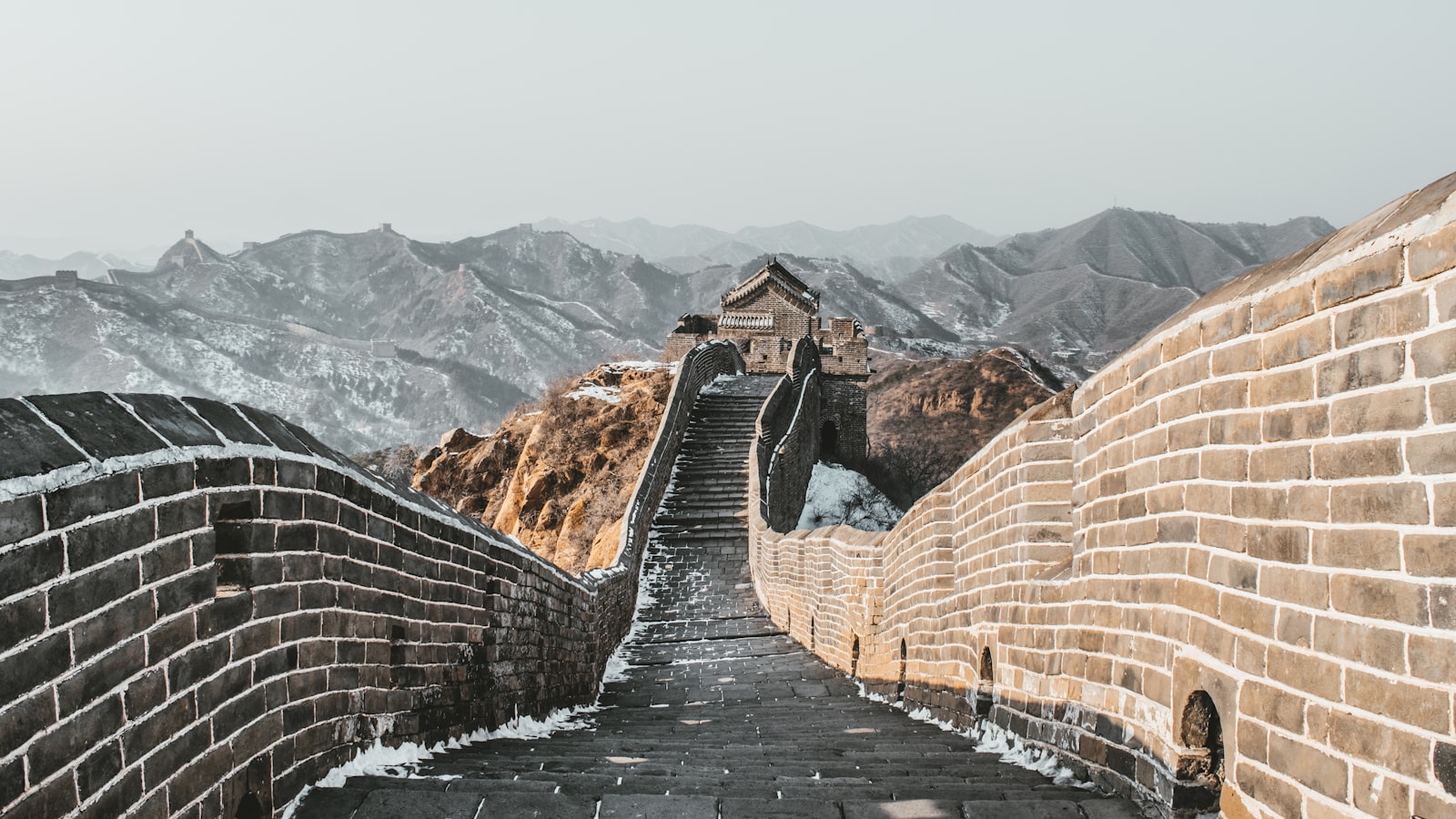
- Jinshanling — the hikers’ favorite: wild, scenic and much less restored than the tourist sections. Great views, manageable difficulty, and the start of the classic walk.
- Simatai West — connected to Jinshanling by the wall itself; the natural endpoint of the iconic hike. Simatai East is separately famous for its night visits.
- Jiankou — the wild wall: unrenovated, crumbling and steep. The most dramatic and the most dangerous; for experienced, well-equipped hikers only.
- Mutianyu — the easy option: restored, with a cable car, and a pleasant walk for everyone.
If you want one section and one experience, Jinshanling is the answer — it’s the section that feels like the Great Wall you imagined, without the crowds of Badaling or the danger of Jiankou.
The classic hike: Jinshanling to Simatai
The hike that defines Great Wall walking:
- Distance — about 8–9 km along the wall, 5–6 hours at a comfortable pace.
- Terrain — thousands of uneven stone steps, up and down over the ridges, with a notable climb out of a valley near the end.
- The reward — the most dramatic, unbroken stretch of wall in the Beijing area, with the wall disappearing into the mountains ahead.
- Logistics — start at Jinshanling, walk west to Simatai, then take the short shuttle to the exit.
It’s a real hike but not a mountaineer’s one; fit beginners with a good day and proper shoes can complete it. The payoff is the strongest memory most hikers take from China.
Jiankou: the wild wall (for serious hikers only)
- Unrenovated — original Ming dynasty stone, crumbling in places, with exposed sections.
- Steep and narrow — some stretches are one-person-wide with real drop-offs.
- Not officially managed — no ticket gate, no safety rails, no rescue service.
- Requires — experience, fitness, proper gear and usually a local guide.
Jiankou offers the most spectacular and untouched Great Wall scenery in China, but it’s a genuine mountain trek, not a tourist walk. If you’re not a practiced hiker, choose Jinshanling instead — the views are still superb and the risk is far lower.
Mutianyu: the accessible hike
- Restored and well-maintained, suitable for nearly everyone.
- Cable car and chairlift options skip the steepest climb, letting you walk the flatter restored wall.
- Easier logistics — the most frequent tourist shuttles from Beijing.
- The trade-off — more visitors than Jinshanling, though still far fewer than Badaling.
Mutianyu is the right choice for families, travelers with limited mobility, or anyone who wants the Great Wall experience without the full hike. See our section comparison for the full picture across all the Beijing sections.
Planning the hiking day
- Time — Jinshanling and Jiankou need a full day from Beijing (2–3 hours each way plus the walk).
- Transport — a day tour or private driver is easiest; public transport to the remote sections is possible but clunky.
- Season — spring and autumn are best; summer mornings are workable, winter is cold but quiet.
- Food and water — bring both; the wall has little and the full hike needs fuel.
Start early — the light is better, the morning is cooler, and you’ll avoid the mid-afternoon tour rush at the shuttle points.
Family and group considerations
Hiking the wall works for more than fit adults — it just needs the right section and pace:
- Families with children — Mutianyu with the cable car is ideal: easy, safe and spectacular. Jinshanling suits older kids (10+) who can handle a few hours of steps.
- Groups of mixed fitness — split the plan: the fitter half does the Jinshanling–Simatai walk, the rest meet at the shuttle with the easy section. Arrange the meet-up before you split.
- Older travelers — Mutianyu is the clear choice, with the cable car avoiding the steepest climbs. The restored walkway is manageable for most.
- A rain-day plan — the stone is slippery when wet. Have a flexible day or a fallback (the Badaling cable-car view) if the forecast is doubtful.
The wall rewards a bit of planning around who’s in the group — the sections are different enough that everyone can find their version of the experience.
Photography on the hike
The wall is one of China’s most photographed sights, and a hiking day offers angles the cable-car tourists miss:
- Morning light — the best photos come early, when the light rakes across the stone and the crowds haven’t arrived.
- Follow the curve — the wall’s drama is in its line over the ridges; look for vantage points where it snakes ahead of you.
- Autumn colors — the forested sections glow gold and red around October, making the scenery richer. See our autumn colors guide for timing.
- A telephoto or zoom — compresses the ridges and pulls the distant watchtowers closer for the classic stacked look.
A morning start gives both the best light and the quietest wall — the two things every Great Wall photo needs, and the reason the early shuttle is always the fullest.
What it costs
Rough guidance (per person, CNY, prices change): entry tickets range from about ¥40 (Mutianyu) to ¥60–140 (Jinshanling, Simatai, depending on season); cable cars at Mutianyu about ¥100–160 round trip; day tours from Beijing around ¥300–600 including transport and entry; private drivers from about ¥800–1,200 for a full day. Lunch at the section restaurants runs ¥30–80. The hike itself is the cheap part — the transport and the tour are where the budget goes.
Staying overnight near the wall
For the full experience, consider a night near the hiking sections. Jinshanling and Simatai have simple guesthouses and a few boutique options within sight of the wall — sunrise from the restored watchtowers, with the wall empty of day-trippers, is one of the great moments in China travel. Staying overnight also breaks the 2–3 hour return drive into two shorter legs. Book ahead in autumn, when the color-season crowds make the guesthouses popular. It’s a small step that transforms a day trip into a memory.
The bottom line
The Great Wall rewards hikers with the best memory of a China trip. Jinshanling to Simatai is the classic day hike — dramatic, manageable and uncrowded. Jiankou is the serious mountain experience for experienced hikers. Mutianyu is the easy, beautiful option for everyone else. Choose your section to match your fitness, set off early, and walk the wall the way it’s meant to be seen — on foot.
Last updated: August 2026. Section access and transport options change — verify current details before you go.
Frequently Asked Questions
What's the best section of the Great Wall for hiking?
**Jinshanling and Simatai** are the hikers' choices — wilder, less restored and dramatically scenic. The classic hike runs **Jinshanling to Simatai West** (5–6 hours on the wall), which is the section most hiking guides recommend. **Jiankou** is the serious option: unrenovated, steep and risky, for experienced hikers only. Mutianyu suits everyone else — restored, with a cable car option.
How hard is hiking the Great Wall?
It varies hugely by section. **Mutianyu** with the cable car is easy — a pleasant walk on restored wall. **Jinshanling to Simatai** is a real hike: 5–6 hours, uneven steps, and a big climb out of a valley toward the end. **Jiankou** is genuinely difficult — narrow, crumbling and steep, with exposed sections. Fit beginners should start at Mutianyu; anyone wanting a proper hike will be satisfied by Jinshanling.
Can I hike the Great Wall without a guide?
At **Jinshanling, Simatai and Mutianyu, yes** — these are official park sections with clear trails and public transport options from Beijing. **Jiankou** is the exception: it's a wild, unrenovated section with no official management, and most visitors go with a guide for safety. For first-timers, even at the official sections a day tour handles the 2–3 hour drive and the entry logistics.
How do I get from Beijing to the Great Wall for hiking?
The hiking sections are **2–3 hours from central Beijing**. Options: a **day tour** (easiest — transport and tickets handled), a **private driver**, or **public transport** (bus or train to the nearest town, then a short hop). Mutianyu has the most frequent tourist shuttles; Jinshanling and Simatai are more remote, which is exactly why they're quieter.
When is the best time to hike the Great Wall?
**Spring (April–May) and autumn (September–October)** are the sweet spot — mild weather and clear views. Summer is hot with strong sun on the exposed wall (go early). Winter is cold and windy but dramatic, with few crowds. Avoid rainy days — the stone gets slippery. Check our [Beijing guide](https://chinotrips.com/beijing/) for the seasonal picture.
What's the difference between hiking and the tourist sections?
The tourist sections (Badaling, Mutianyu) are restored, busy and set up for sightseeing — cable cars, snack stands, crowds. The hiking sections (Jinshanling, Simatai, Jiankou) are wilder, quieter and far more scenic, but need effort and a fuller day. If you want the Great Wall as a spectacle, the tourist sections deliver it fast; if you want the Great Wall as an experience, the hike is the real thing.
What should I bring to hike the Great Wall?
Good **grippy walking shoes** (the steps are uneven and often steep), **water** (there's little on the wall), **sun protection** (hat, sunscreen), and a light layer for the breeze. Bring cash or a payment app for the small snack stands. On Jinshanling–Simatai there's a big climb near the end — pace yourself and carry food if doing the full section.
Is the Great Wall hike dangerous?
On the **official sections (Mutianyu, Jinshanling, Simatai)** it's safe if you stay on the path and watch your footing on the steps. **Jiankou** is a different story: unrenovated, crumbling and steep, with narrow exposed stretches — accidents happen there, and it's not recommended without a guide and proper fitness. Choose your section to match your experience.
More in beijing
Beijing Travel Guide (2026): What to See & How Many Days — beijing travel guide