

Chengdu Travel Guide (2026): Pandas & Top Sights
The essential Chengdu guide — the Panda Base, Sichuan food and teahouse culture, how many days you need, where to stay and day trips.
OpenStreetMap Google Maps (opens externally)
Chengdu is where travelers slow down — giant pandas, tea houses, and some of the best food in China.
For most visitors the draw is simple: the world’s most famous pandas, a laid-back café-and-teahouse culture, and Sichuan food that people travel across the country to eat. This guide covers the essentials.
Overview
The capital of Sichuan province, Chengdu has a reputation for relaxed living — the pace is slower, the tea flows, and the food is legendary. It’s also the launchpad for western Sichuan’s dramatic landscapes, making it both a destination and a hub.
How many days
2 days covers the highlights. Many travelers do 3–4 to include a day trip (Leshan’s Giant Buddha, Dujiangyan) or to extend into Jiuzhaigou and Mount Emei.
Suggested itinerary
A 2-day plan:
- Day 1 — Pandas & teahouses: Giant Panda Research Base in the morning (arrive at opening), then a lazy afternoon at a teahouse in People’s Park and a hotpot dinner.
- Day 2 — Old Chengdu: Jinli Street and the Wuhou Shrine, then the food scene around Kuanzhai Alley.
A 3-day plan adds a day trip to Leshan’s Giant Buddha (about 1 hour by rail) or Dujiangyan, returning to Chengdu for dinner.
Have more time? Extend toward Jiuzhaigou and Mount Emei — see our Sichuan guide.
Best time to visit
- Spring (March–May) and autumn (September–November): mild — ideal for the panda base and day trips.
- Summer (June–August): hot and humid, but the pandas still perform in the morning.
- Winter (December–February): cool and less crowded; Jiuzhaigou in snow is stunning.
Top sights, grouped by theme
The pandas
- Giant Panda Research Base — the main event. Go at opening time, see pandas eating bamboo in the morning light, then watch the cubs. Book online ahead.
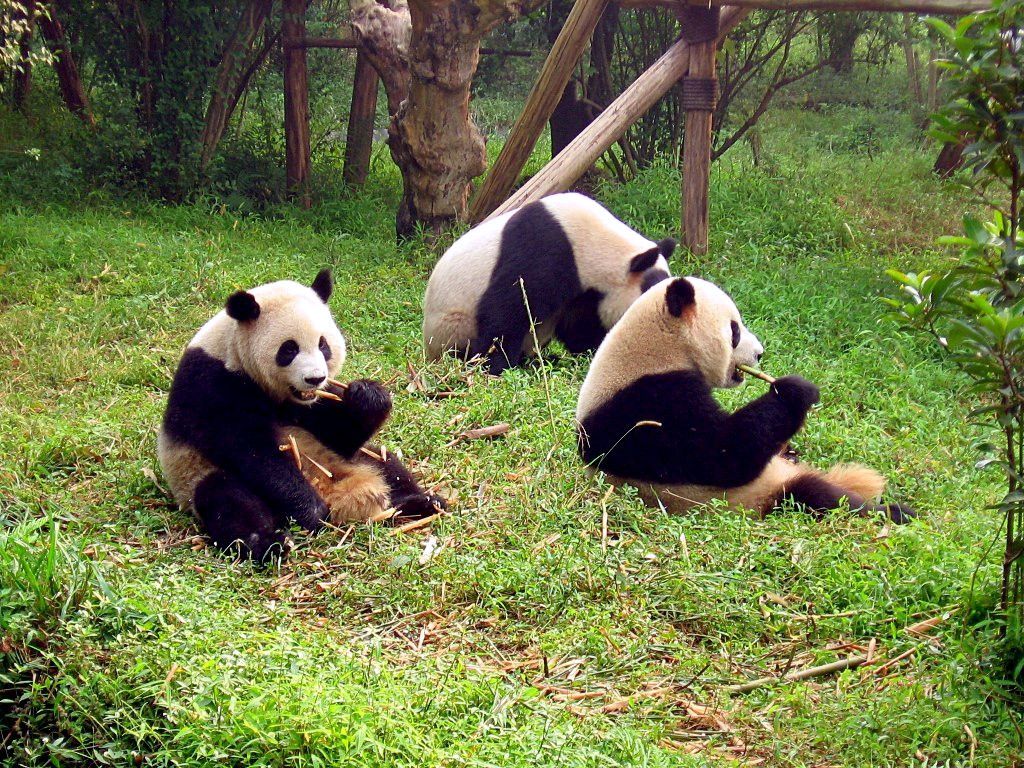
A giant panda at the Chengdu Panda Research Base — go at opening time, when the pandas are most active.
Chengdu living
- People’s Park — the classic Chengdu experience: a tea house by the lake, watching locals go about their day.
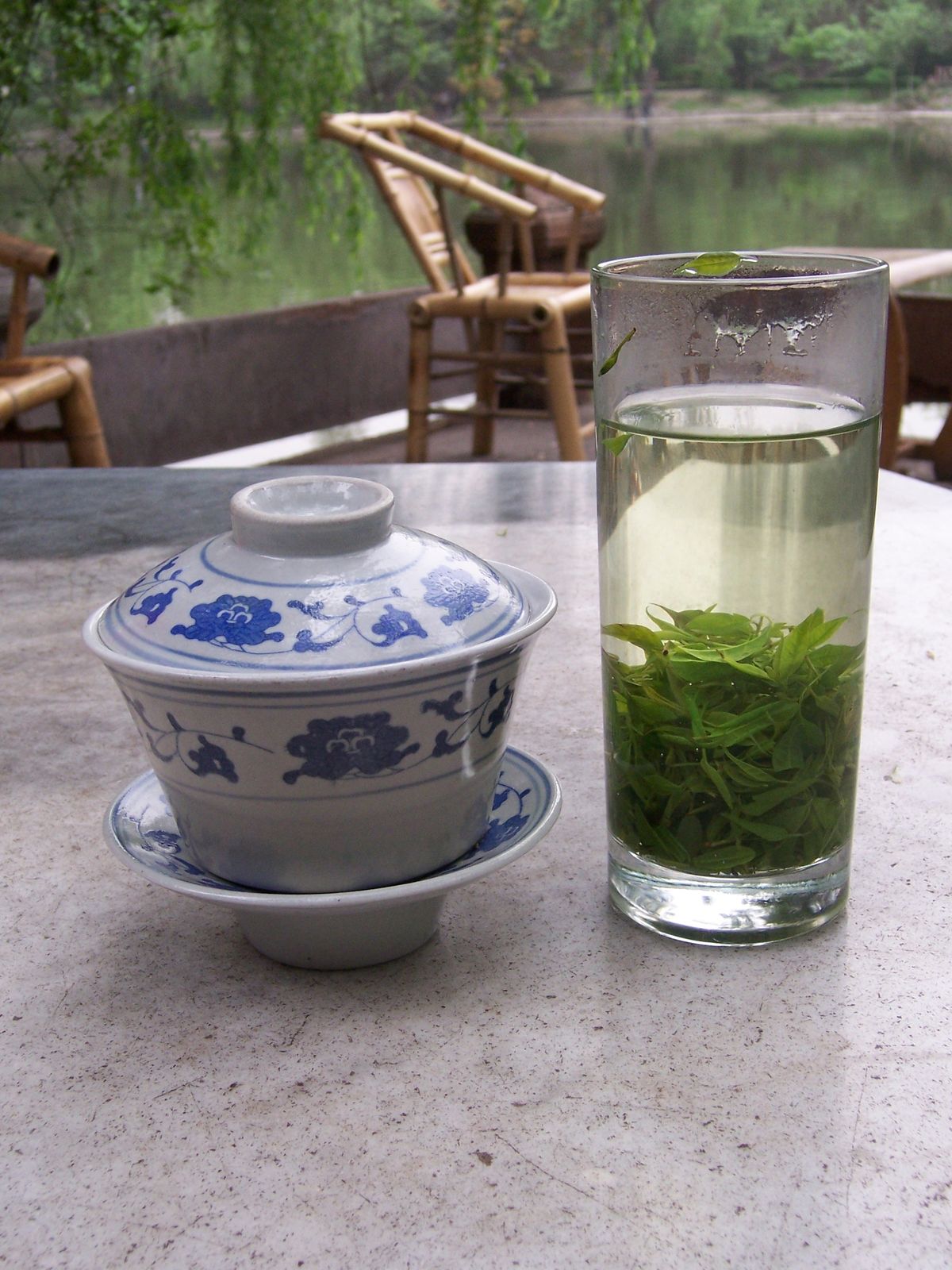
People’s Park, Chengdu’s classic teahouse scene by the lake. 3. Jinli Street — a reconstructed old street perfect for snacks and souvenirs; livelier in the evening.
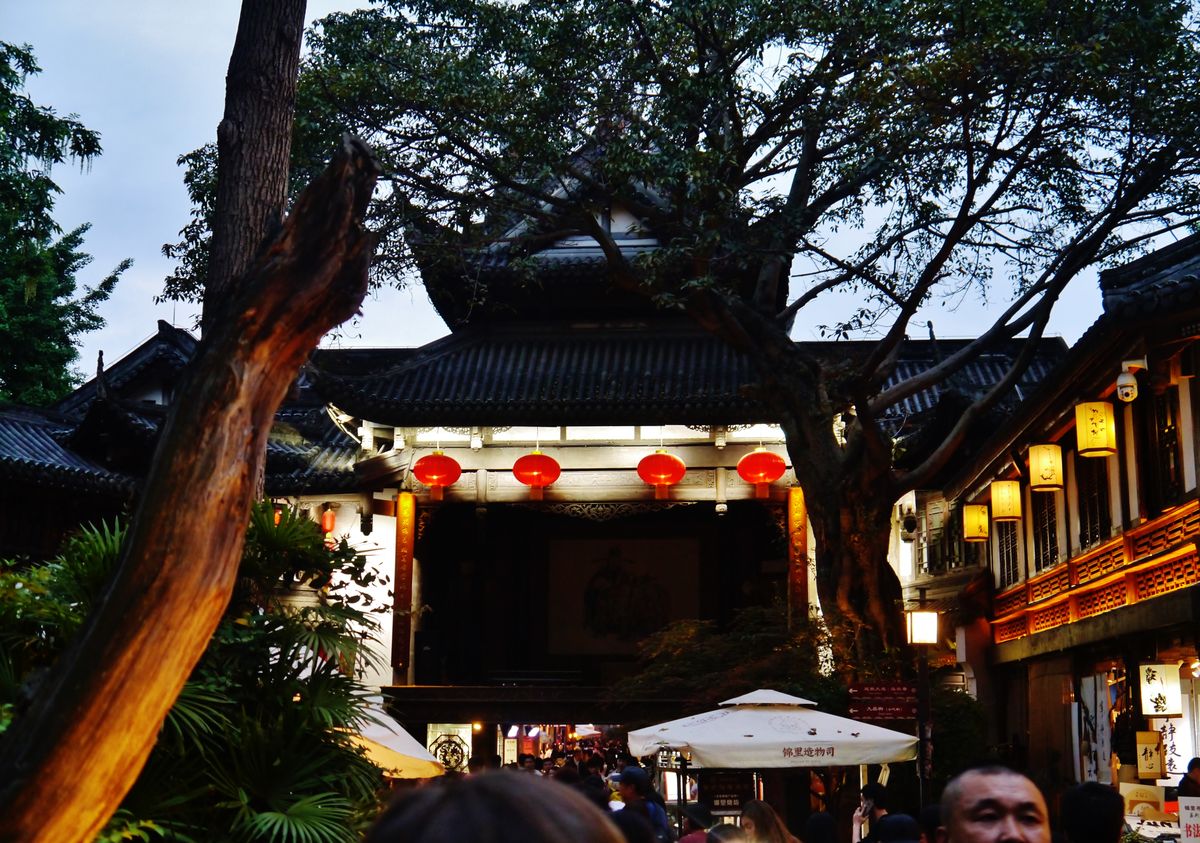
Jinli Street, the reconstructed old quarter that comes alive in the evening for snacks and souvenirs. 4. Kuanzhai Alley — the broader old-quarter neighborhood with restaurants, teahouses and boutiques.
Food & culture
- Chengdu food — hotpot is the rite of passage, but the city’s real depth is in its small dishes and street snacks. Join the queues where the locals are.
- Wuhou Shrine — the Three Kingdoms shrine and garden, next to Jinli.
Day trips
- Leshan Giant Buddha — a 71m stone Buddha, an easy rail ride away.
- Dujiangyan — a 2,200-year-old irrigation system, still in use today.
Where to stay
- Chunxi Road / Taikoo Li: the central shopping-and-dining hub, with great metro access. Best for first-timers who want everything close.
- People’s Park area: close to the teahouse scene and green space; a slightly calmer, more local feel.
- Jinli / Wuhou district: charming and atmospheric for evening strolls, but busier and more touristic.
- Near the high-speed rail station: convenient for arrival and departure days.
Food & nightlife
- Hotpot is the rite of passage — go for the split ‘yuanyang’ pot so non-spice-eaters can join in.
- Also try: mapo tofu, dan dan noodles, boiled fish (shuizhu yu), and the street snacks on Jinli.
- Teahouse culture — sitting with a bowl of jasmine tea and watching the day go by is essential.
- Nightlife: Kuanzhai Alley and the bar streets around Taikoo Li are lively into the evening.
Budget
Chengdu is one of China’s more affordable big cities. Rough daily figures for planning (per person, CNY, and prices change):
- Accommodation: budget hotels from about ¥120–200/night, mid-range ¥250–450.
- Attractions: the Panda Base is the main ticket (roughly ¥50–60); People’s Park is free; Jinli is free to wander.
- Food: hotpot is ¥80–150 per person; dan dan noodles and snacks are ¥15–40; teahouses charge a few yuan for a pot.
- Transport: the metro is a few yuan per ride; taxis are cheap.
Carry a little cash as backup, but pay by Alipay almost everywhere.
Getting there
- High-speed rail: from Xi’an about 3–4h, from Chongqing about 1h, from Guilin via transfer. Book ahead with your passport — see our train guide.
- Flights: Chengdu Tianfu (TFU) is a major hub with many domestic and international routes.
Getting around
- Metro: modern, cheap and English-friendly.
- Taxis / ride-hailing: Didi is reliable and cheap.
- On foot: the city center and People’s Park area are walkable.
Day trips & nearby
Chengdu’s real magic is what lies beyond the city. The Leshan Giant Buddha (about 1 hour by rail) is the world’s largest seated stone Buddha, carved into a riverside cliff. Dujiangyan, an ancient irrigation system still in use, is about 45 minutes away. For nature lovers, Jiuzhaigou’s turquoise lakes and Mount Emei’s misty summit are each reachable in a day by air or a longer drive — most travelers budget 2–3 days for these. All three are easy to arrange from Chengdu as its airports and stations are superb hubs.
Sichuan food, decoded
Chengdu’s food can seem intimidating, but it rewards a little knowledge. The signature sensation is mala — the numbing heat of Sichuan peppercorns paired with chili. Beyond that, the city’s dishes split into a few families: the stir-fries (twice-cooked pork, fish-fragrant eggplant), the noodle and dumpling shops (dan dan noodles, wontons), and the hotpot that you cook yourself. A few tips: order ‘bu la’ (not spicy) if you need it, look for shops where locals queue, and don’t miss the sweet desserts — the deep-fried sugar cakes and bean-jelly treats balance all that heat. A Chengdu food crawl is one of China’s best-value experiences.
A good rhythm for Chengdu
Chengdu rewards going slow, the local way. The pandas need an early start, but everything else can drift: a late breakfast of dan dan noodles, a long teahouse afternoon in People’s Park, dinner at a hotpot place when it fills up around 7pm, then an evening stroll through Jinli or Kuanzhai Alley. The city’s metro makes it easy to change plans on the fly. If you’re doing a day trip to Leshan or Dujiangyan, go on a weekday and return in time for an early dinner. A translation app is worth having for the teahouses and small shops, where menus are often Chinese-only — see our translation apps guide for picks. Carry your passport too: both the panda base and the day-trip sights require it for ticket booking.
Practical tips
- Panda logistics: buy tickets online in advance; arrive before 8am; the base is about a 20-minute drive from the center.
- Food strategy: go with locals’ queues, carry napkins, and have Alipay ready for street vendors.
- Weather: bring an umbrella in summer; it’s one of China’s rainier big cities.
- Connectivity: sort out your VPN or eSIM before you arrive, since Google services are blocked in China.
Where to go next
Chengdu pairs perfectly with Xi’an (Terracotta Army, 3–4h by rail) and Chongqing. For nature, head west into Sichuan’s mountains — Jiuzhaigou, Mount Emei and the Leshan Giant Buddha are the big names.
The land of abundance: Chengdu’s story
Chengdu has been a great city for over two thousand years — and unlike many Chinese cities, it has never changed its name or moved site. Its nickname, the “Land of Abundance” (tianfu), comes from the fertile Chengdu Plain, made reliably productive by the Dujiangyan irrigation system built in the third century BC, which still functions today. That dependable agriculture is why the city could afford a relaxed, cultured lifestyle while other regions struggled, and why the local character is famously easygoing. The city also played a central role in the Three Kingdoms era — the Wuhou Shrine honors Zhuge Liang, the era’s most celebrated strategist — and it was the capital of the ancient Shu kingdom. Today the old nickname still fits: the food is extraordinary, the pace is slow, and the city’s confidence in its own good life is part of its charm.
Teahouses and the slow life, in depth
The teahouse is Chengdu’s real social center, and sitting in one is the most authentic thing you can do. Locals gather for hours over a bowl of jasmine tea — the cheap, endlessly refilled staple — to talk, play mahjong, read, or simply watch the day pass. People’s Park has the most famous teahouse scene, but any park or old alley has its own. A few things to know: tea is usually ordered in a covered bowl (gaiwan) rather than a pot, you pay per person, and hot-water refills are free. You may also be offered add-ons — a shoulder massage, a shoe shine, or the famous ear-cleaning service, a Chengdu teahouse ritual that’s more gentle than it sounds and fun to try once. There’s no minimum stay, so linger as long as you like. It’s the opposite of a rushed coffee stop, and that’s the point.
The Panda Base, practically
The Giant Panda Research Base is the one must-book item in Chengdu. It’s about a 20–25 minute drive from the center (metro plus a short taxi, or a direct Didi). Book your entry time online in advance — tickets are timed and the morning slots go first. Arrive for opening (around 7:30–8am): pandas are most active in the cool morning, feeding on bamboo, and the cubs are usually out; by midday most are asleep. Allow 3–4 hours to walk the base, and note that it’s a large, hilly site, so wear comfortable shoes. The base is a research facility and sanctuary rather than a traditional zoo, so the animals are the focus. For the wider picture of panda destinations and how to combine them with Chengdu, see our Sichuan guide.
Last updated: August 2026. Panda base hours and prices change — confirm before you go.
Frequently Asked Questions
How many days should I spend in Chengdu?
Two days is enough for the essentials: a morning at the Panda Base, an afternoon in People's Park and Jinli, and a proper Sichuan dinner. Add more time if you want day trips to Leshan's Giant Buddha, Dujiangyan, or onward to Jiuzhaigou and Mount Emei.
When is the best time to see the pandas?
Go to the Panda Research Base at opening time (around 7:30–8am) — pandas are most active in the cool morning and you'll beat the crowds. Afternoons in summer are mostly sleeping pandas.
Is Chengdu's food really as spicy as people say?
Yes — Sichuan cuisine is famous for numbing spice (mala). But it's not one-note: there are plenty of mild dishes, and the city is a foodie paradise. Ask for 'bu la' (not spicy) if you need it, or embrace the experience.
How does Chengdu fit into a China itinerary?
Beautifully. It's 3–4 hours by high-speed rail from Xi'an and about 1 hour from Chongqing, so it slots between the Terracotta Army and the Yangtze River area. It's also the gateway to western Sichuan's landscapes (Jiuzhaigou, Mount Emei, Leshan).
Do I need a visa for Chengdu?
Same as mainland China generally: citizens of 50 countries are visa-free for up to 30 days (UK, Canada, Australia included); US citizens can use the 240-hour transit scheme for short trips. Check the [visa-free list](https://chinotrips.com/visa/visa-free-countries/).
Where should I stay in Chengdu?
Near the Chunxi Road / Taikoo Li shopping district for central convenience, or around People's Park if you want to be close to the teahouse life. Jinli and the Wuhou district are charming but busier. Most visitors base themselves around the metro lines, since the city is spread out.
Is hotpot too spicy for someone who doesn't eat spicy food?
Hotpot is usually served with a split broth — a mild stock on one side and the numbing-spicy on the other. You control what goes in, so non-spice-eaters can enjoy it fine. Ask for 'yuanyang guo' (half-and-half pot) and you'll get both.
More in Sichuan
Sichuan Travel Guide (2026) — Sichuan travel guide