
Haikou Travel Guide (2026): Coconut City & Qilou Old Street
Haikou, Hainan's laid-back capital — Qilou arcade streets, a volcanic geopark, Holiday Beach and a huge seafood-and-noodles food scene.
OpenStreetMap Google Maps (opens externally)
Haikou is the easy, underrated half of a Hainan trip — a tropical capital of arcade streets, coconut trees, one of China’s most striking volcanic landscapes, and a food scene that runs from dawn noodles to late-night seafood. Here’s how to plan it in 2026.
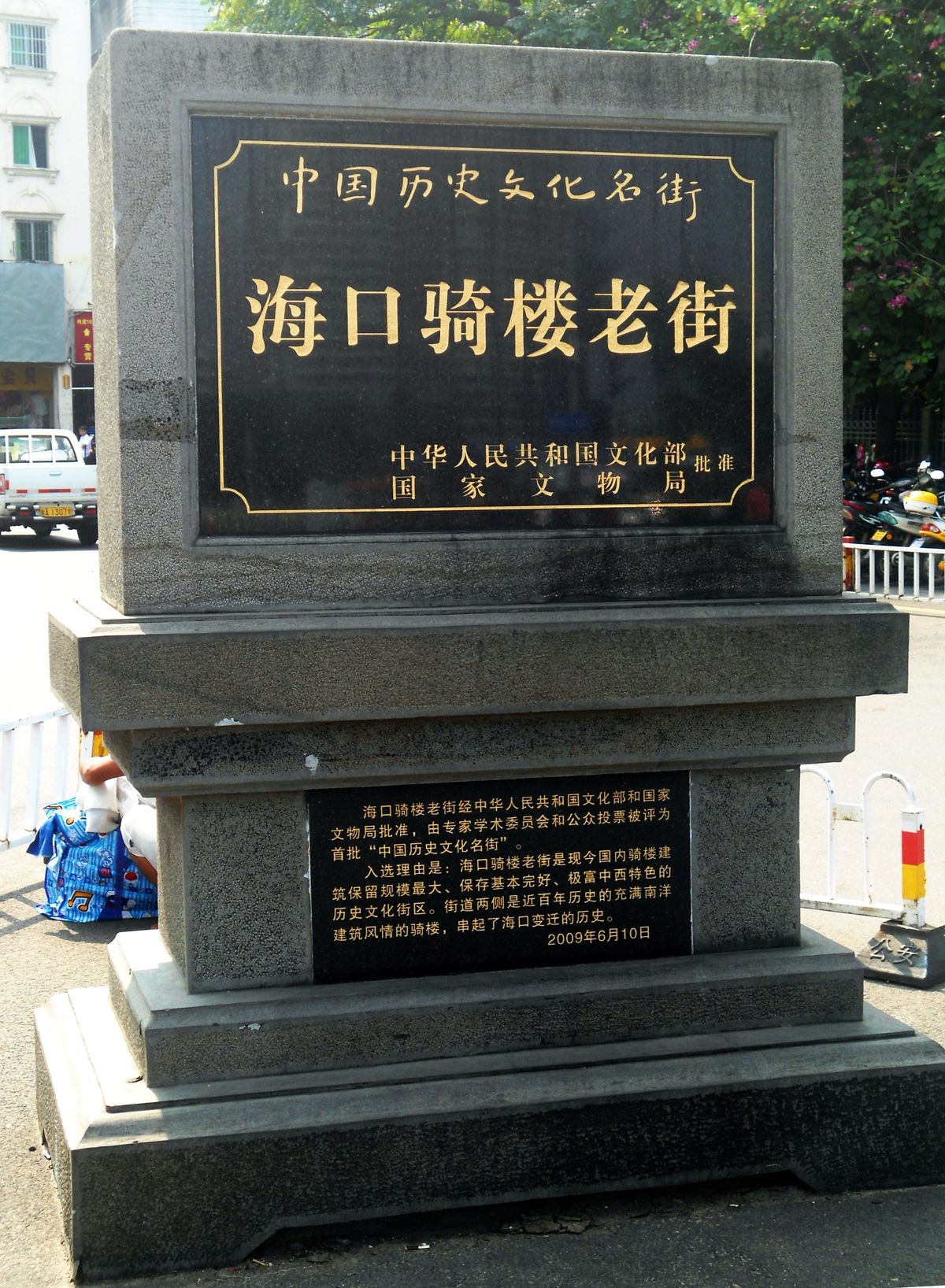
The Qilou arcade quarter in Haikou, built by returning overseas Chinese in the early 1900s.
The essentials
- Days needed: 2–3 days; many travelers pair it with Sanya.
- Getting there: Haikou Meilan International Airport (HAK) is about 25–40 minutes from the center by rail or taxi. The high-speed ring railway runs from Haikou East station down the coast to Sanya in roughly 1.5–2 hours.
- Best season: November to February is dry and mild; May to October is hot, humid and typhoon-prone.
- Nickname: the Coconut City — look up and you’ll see why.
What to do
Haikou rewards a slow, food-first itinerary. A classic first day is the old town: the Qilou arcade quarter around Zhongshan Road and Bo’ai Road, where covered walkways and shuttered shopfronts recall the city’s trading days with Southeast Asia. The buildings date mostly from the late 19th and early 20th centuries, when Haikou was a treaty port and a springboard for Chinese migrants heading to Nanyang. It is a working old town, not a museum — fruit sellers, tea shops, and decades-old noodle joints share the arcades with restored facades.
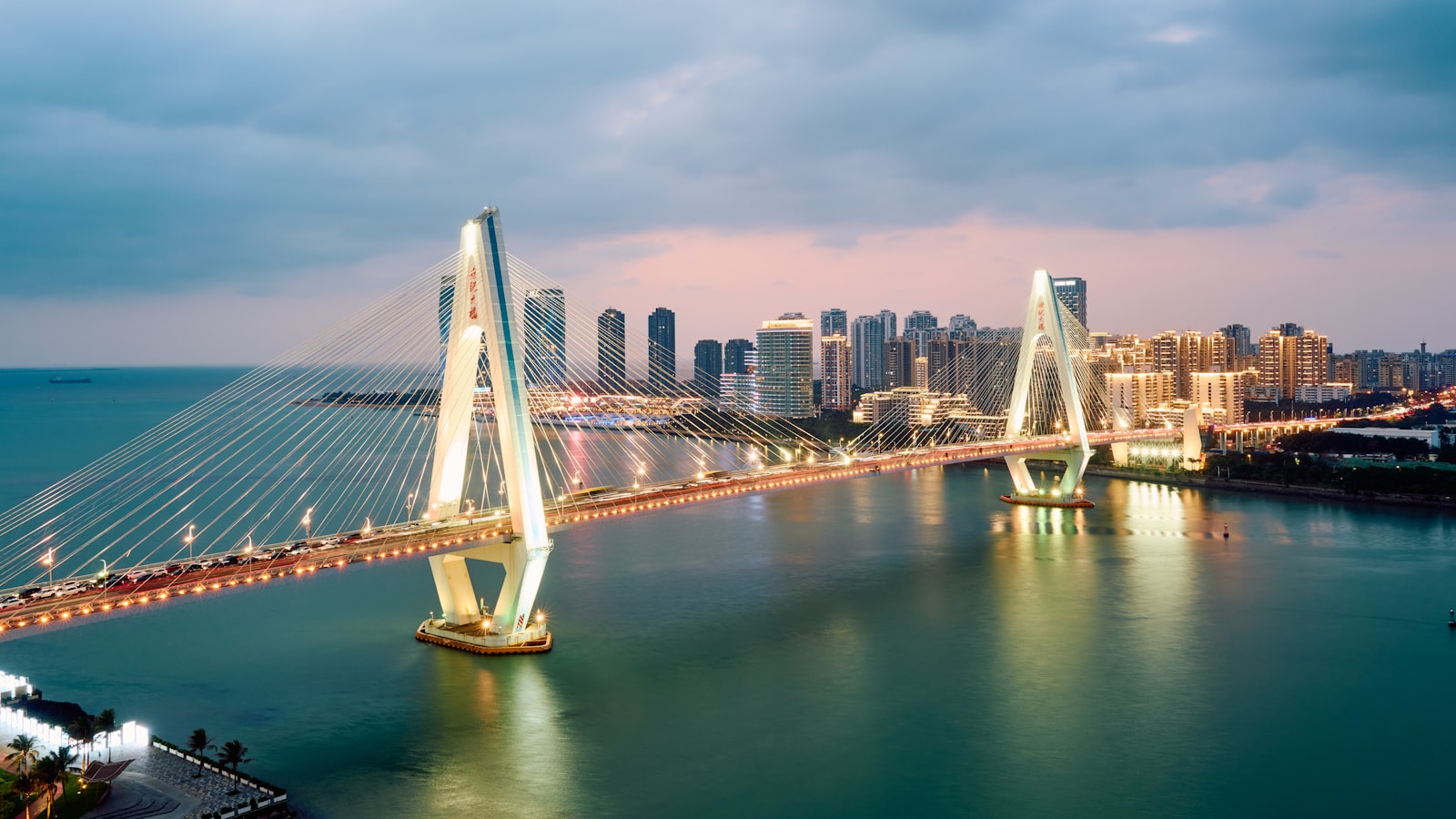
From the old town it is a short walk to the riverfront, where the red-brick Haikou Clock Tower has marked the harbor since 1929. Cross the Haikou Bay bridge for the sunset over the water, or wander the green lawn of Wanlv Garden — a favorite local evening spot.
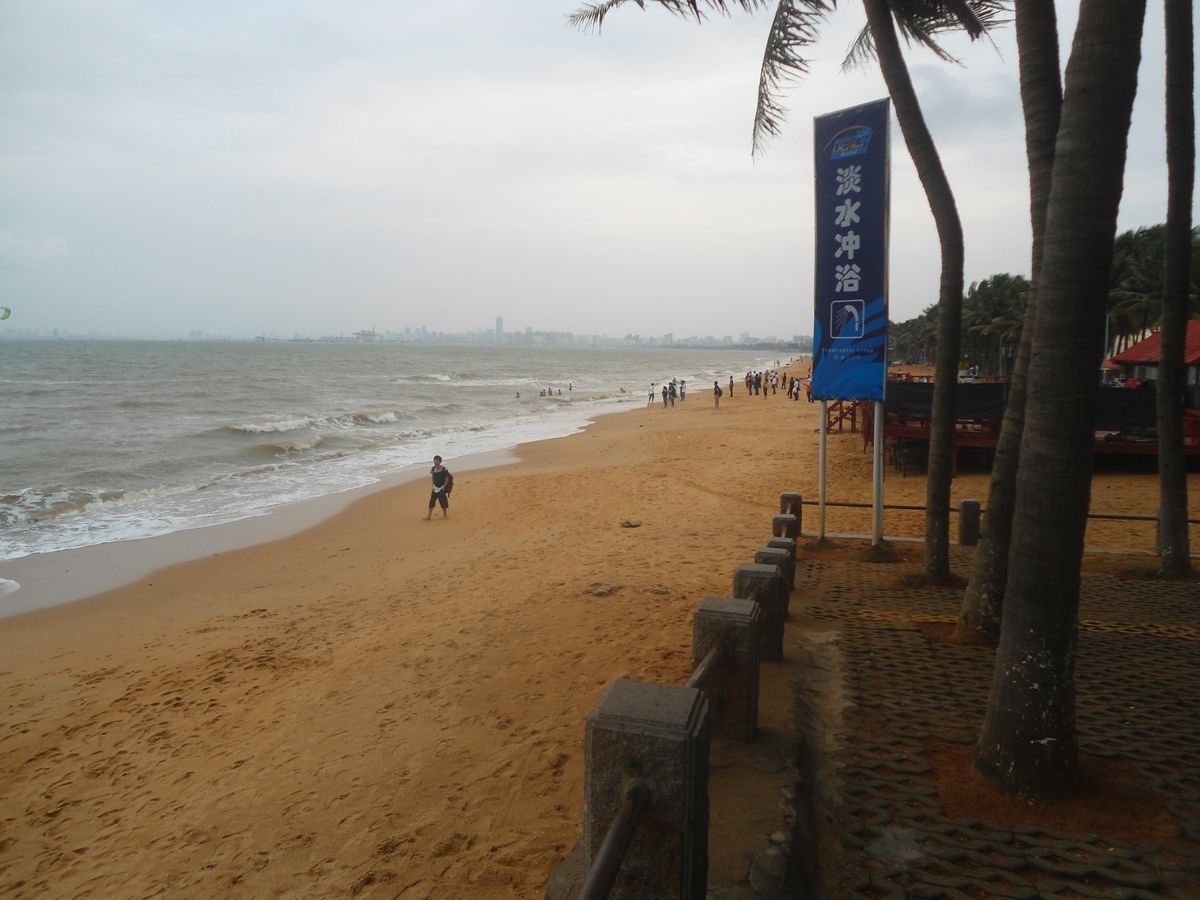
Holiday Beach on Haikou’s west coast — the city’s main stretch of sand.
On the west coast, Holiday Beach is where locals come for the sea. It is not Thailand — the water is warm but the beach is modest, and the real draw is the seaside promenade, the open-air seafood restaurants and the chance to watch island life at a walking pace. Go late afternoon to catch the cooler hours.
Top sights
- Volcanic Cluster Global Geopark — about 15–20 kilometers southwest of downtown, this UNESCO-recognized geopark sits in the Leiqiong volcanic field, where eruptions as recent as about 10,000 years ago built a landscape of craters and lava tubes. The centerpiece is the Ma’anling Crater, a forested volcanic cone you can walk up and peer into, with a viewing terrace and paths around the rim. Entry is roughly ¥60–90 (estimate, prices change). Give it half a day.
- Hainan Museum — the best free introduction to island history and culture, from the Tanka boat people to Hainan’s role in the maritime Silk Road. Check opening hours and bring ID for entry.
- Five Lords Temple (Wugong Ci) — a Song-dynasty-era complex honoring five officials exiled to Hainan over the centuries, set in a compact garden. Entry around ¥20–25.
- Dongzhai Harbor Mangrove Reserve — on the island’s northeast coast, one of China’s largest contiguous mangrove forests. A small boat tour drifts through channels lined with aerial roots and water birds. Best in the cooler months.
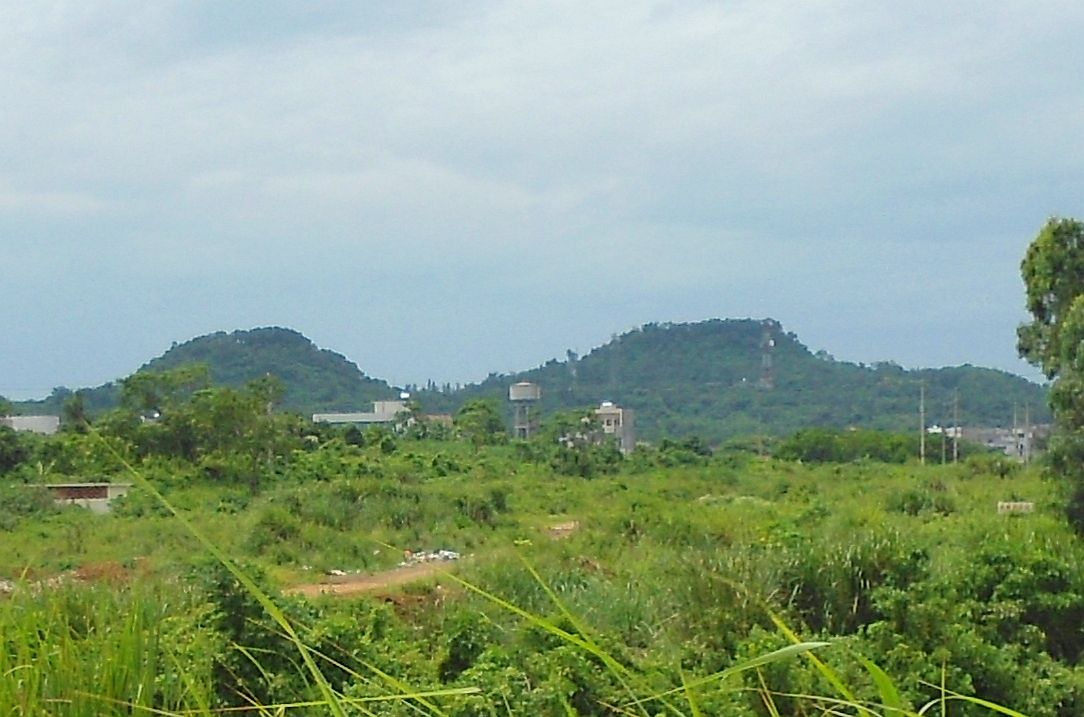
The Ma’anling crater in the Volcanic Cluster Geopark, southwest of Haikou.
When to go, season by season
Haikou’s weather follows Hainan’s tropical rhythm. December to February is the island’s peak season: temperatures hover around 17–24°C, humidity drops, and the city fills with domestic tourists escaping the mainland winter. It is the most comfortable window for the volcano park and the mangroves. March and April stay pleasant before the heat builds. May to October is hot and sticky — expect 28–33°C days, afternoon downpours, and a typhoon season that runs roughly June to October. Hotel prices are lowest in summer, but check storm forecasts before booking flights. The shoulder months of November and April often give you the best trade-off of price and weather.
Where to stay and eat
Stay in two useful bands. The old town and riverfront puts you among the Qilou streets and the evening food markets — atmospheric, busy, and within walking distance of the Clock Tower and Wanlv Garden. The west coast near Holiday Beach suits travelers who want the sea, newer hotels and a quieter base; it is a longer ride to the old town. The area around the airport-side duty-free district is convenient for a final night before a flight.
Eating in Haikou is the point of the trip. Work through the local canon: Hainan rice noodles (a breakfast staple with shredded pork, peanuts and pickled vegetables), Wenchang chicken (poached, served cold with a ginger-scallion dip — often called the best chicken in China), baoluo fen (a savory rice-noodle soup), and qingbuliang (a coconut-milk dessert bowl of taro, beans, fruit and ice — Hainan’s answer to the heat). Evenings bring street barbecue and seafood: look for the night market near the old town, pick your fish or crab from the tanks, and let the kitchen cook it. Add fresh coconut water and locally grown tropical fruit, and you have a full culinary tour of the island without leaving the capital.
A realistic budget
Haikou is noticeably cheaper than Sanya, which makes it a smart entry point. Hotels: mid-range city hotels run roughly ¥300–600 per night; budget guesthouses and hostels about ¥150–250. Sights: the geopark is the main expense at around ¥60–90; most old-town sights are free or under ¥25. Food: street noodles ¥10–20, a seafood dinner ¥80–150 per person, qingbuliang ¥10–15. Transport: the metro/rail and buses are a few yuan per ride; a taxi or Didi across town is ¥20–50. A realistic 3-day budget for one person, excluding flights and hotels, is roughly ¥600–1,000. All figures are planning estimates — prices change with season and demand, so confirm current rates on booking platforms.
Practical tips
- Pair it with Sanya: Haikou and Sanya are very different halves of the same island — see the Sanya & Hainan guide for the resort side, and the Hainan guide for the full picture.
- Check the visa first: Hainan’s separate visa-free scheme covers 59 nationalities for up to 30 days — read the current rules in our Hainan visa-free guide.
- Book the ring railway ahead: the Haikou–Sanya trains sell out on weekends and holidays — see our guide to buying train tickets with a foreign passport.
- Pay and data: set up Alipay and an eSIM before you arrive.
- Pack for humidity and sun — light clothes, reef-safe sunscreen, and a rain layer even in the dry season.
Combining Haikou with the region
Haikou is the natural start or end of a Hainan loop. The classic route flies into Haikou, takes the east-coast ring railway south through Wenchang (home of the famous chicken), Wanning and Qionghai, and finishes at Sanya for beach time — then flies home from Sanya, or rides the railway back. Because the island’s own visa-free entry is separate from the mainland rules, and the 240-hour transit policy also applies at Hainan’s ports, a stop in Haikou can slot cleanly into a broader China itinerary. For a slower trip, add a day at the volcano park and the mangroves before you head south — the capital’s sights are compact and most of the island’s best-known food is local to this region.
Last updated: August 2026. Check current visas, tickets, opening hours and prices — confirm before you go.
Frequently Asked Questions
Is Haikou worth visiting, or should I go straight to Sanya?
Both. Sanya is the beach resort and Haikou is the real city — cheaper, older, and full of character. The Qilou arcade quarter, the volcanic geopark and the local food scene give Haikou an identity that Sanya, built around resort strips, doesn't have. Most travelers fly into Haikou, spend one or two days, then take the high-speed ring railway south to Sanya.
How many days do I need in Haikou?
Two to three days: one day for the old town and the riverfront, one for the Volcanic Cluster Geopark and Holiday Beach, and a half day for the Hainan Museum or a mangrove boat trip. If you are heading on to Sanya, two nights is a comfortable sweet spot.
How do I get from Haikou to Sanya?
The Hainan high-speed ring railway connects the two in about 1.5 to 2 hours from Haikou East station to Sanya (roughly ¥100–160 per person, estimate — prices change). Trains also stop at Wenchang, Qionghai and Wanning along the east coast. You can also fly, but the train drops you right in the city.
Do I need a visa for Hainan?
Passport holders of 59 countries can enter Hainan visa-free for up to 30 days through the island's own visa-free scheme, which is separate from the mainland rules. Other visitors should check China's 240-hour visa-free transit or standard tourist visa. See our dedicated Hainan visa guide for the current country list and conditions.
What should I eat in Haikou?
Start with Hainan rice noodles for breakfast, then Wenchang chicken (served cold with ginger-scallion dip), and finish with qingbuliang — a chilled coconut-milk dessert piled with beans, taro and fruit. Haikou is also the place for cheap tropical fruit and fresh seafood, especially in the evening markets.
More in Hainan
Hainan Travel Guide (2026) — Hainan travel guide