
China Autumn Travel: Weather, Where to Go & When (2026)
Plan your China autumn trip: month-by-month weather, the best destinations for fall colors, when to go, and how to dodge the Golden Week crowds.
Autumn is China’s most rewarding travel season — the weather is crisp, the colors are spectacular and the crowds are manageable outside one big holiday. Here’s everything you need to plan the trip, from weather and timing to the best destinations.
China in autumn is the trip that travelers come home raving about. The summer heat and humidity are gone, the winter cold has not arrived, and the whole country turns golden. It is the season that combines comfortable weather, world-class scenery and, with a little planning, genuinely manageable crowds. This guide covers the practical side — the weather month by month, when to go, where the colors peak, and how to work around the one holiday that changes everything.
Why autumn is the best season to travel China
Autumn has a strong claim to be the best time to visit China, and it comes down to three things. First, the weather: crisp, clear and dry, with comfortable days and cool evenings — the easiest climate of the year for sightseeing. Second, the scenery: the golden and red leaves that transform the north, the mountains and the classic sights. Third, the food season: autumn is when China’s best seasonal delicacies appear, from hairy crab to roasted chestnuts. Combined, they make a season that rewards every kind of traveler. For the bigger picture of why the season works, see our autumn season guide.
The autumn weather, month by month
The season runs roughly September to November, but the experience changes as it goes.
- September — summer is fading. The south stays warm and humid into the month, while the north (Beijing and beyond) already feels crisp. Early September is a quiet, pleasant window.
- October — the golden month. Clear skies, low humidity and comfortable temperatures across most of the country. The colors build through the month and the north peaks. Golden Week occupies the first seven days.
- November — the tail of the season. The north turns cold and loses its leaves; the south stays mild. Jiuzhaigou and the higher mountains can hold their colors into early November.
For most travelers the best stretch is mid-October to early November: the colors are at their peak, the weather is superb and the Golden Week crowds have gone.
When to go: the sweet spots
Timing matters more in autumn than in almost any other season, because the colors peak at different moments across the country:
- Mid-to-late September — the northeast and highest altitudes turn first. Good for travelers who want early color with few crowds.
- October — Beijing, the Great Wall and the northern cities are at their best.
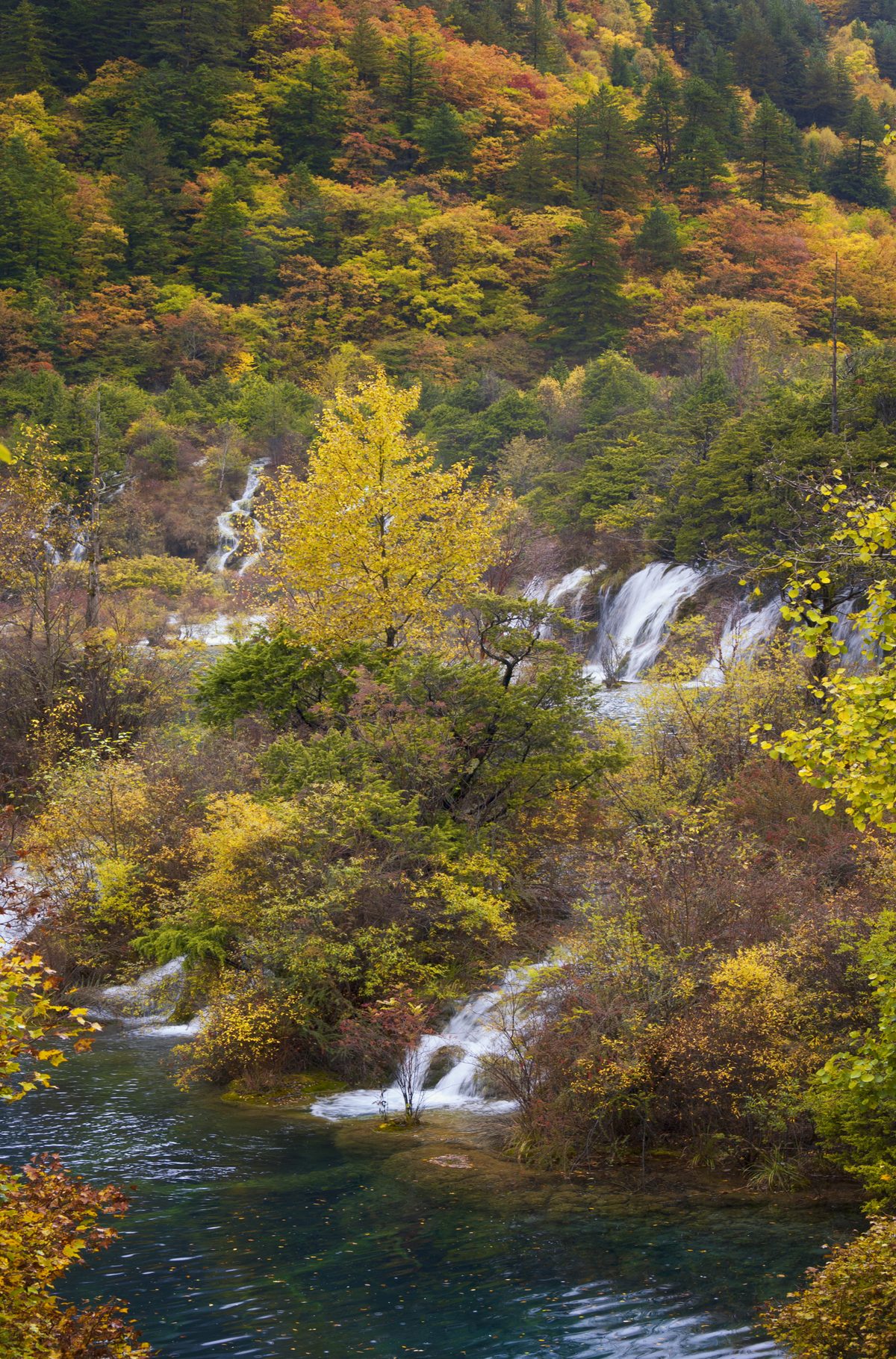
- Late October to early November — Jiuzhaigou and the mountains peak. This is the classic color window.
- November — the south, including Hangzhou and the Yangtze region, holds its autumn into early November.
The one date to build your plan around is Golden Week (October 1–7), the country’s biggest travel holiday. It is not a reason to skip autumn — it is a reason to book smart. Our Golden Week travel guide explains how the holiday works and how to plan around it, and our festivals calendar shows where it sits in the year.
The best destinations for autumn colors
If you are building an autumn route, these are the places that deliver:
- Beijing — the Great Wall in autumn light is one of China’s defining images, and the imperial parks turn golden. A perfect three-day base. Start with our Beijing guide and see the colors from the city and the Wall.
- Jiuzhaigou — the crown of the season. Turquoise lakes set against golden and red forests, peaking late October. See the Jiuzhaigou guide for practical details.
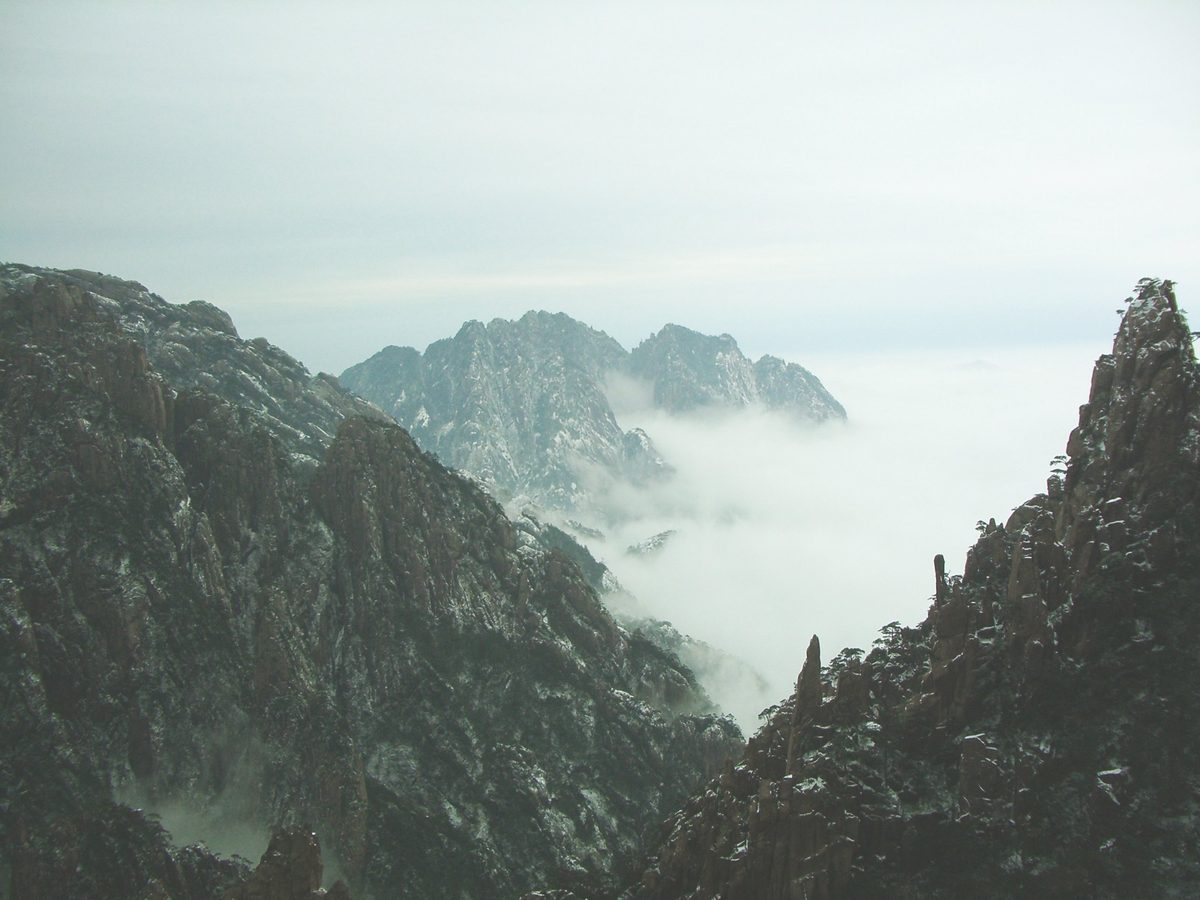
- Huangshan — granite peaks above a sea of clouds, framed by autumn trees from mid-October. Add it if your route reaches the mountains.
- Hangzhou — West Lake in autumn is subtle and lovely, and the city stays mild into November. A gentle contrast to the mountains.
A week can cover Beijing plus one color destination; two weeks can add the mountains. For a ready-made plan, our autumn colors itinerary is a tested route through the peaks.
Building an autumn route
A good autumn route follows the colors rather than fighting them. A classic line is:
- Beijing (3 days) — the Great Wall, the parks, the city in golden light.
- Xi’an (2 days) — the Terracotta Army and the City Wall, pleasant in the cool air.
- Jiuzhaigou (3 days) — the season’s showpiece, timed to its late-October peak.
If your dates are fixed earlier or later, adjust: the north works better in October, the south and Jiuzhaigou into November. The mountain alternatives — Huangshan, Emei — slot in when you want hiking with the colors. The key principle is to match your itinerary to the peak wherever you happen to be.
The food season
Autumn is China’s great food season, and it deserves space on any itinerary. The seasonal highlights include hairy crab (best in Shanghai and the Yangtze delta), roasted chestnuts sold warm from street carts, persimmons at the markets, and the first new teas of the autumn harvest. The flavors are rich and the markets are at their most colorful. It is a season that rewards eating locally, and it pairs naturally with the scenery.
Golden Week and the crowds
The one structural fact of autumn travel in China is Golden Week, the October 1–7 national holiday. Trains sell out, hotels spike and the famous sights get genuinely crowded. It is the single reason some travelers hesitate over autumn. The honest advice: if your dates are flexible, plan around it — travel before or after the holiday, and you get peak-season conditions with off-peak crowds and prices. If your dates are fixed, book everything early and go to the famous sights at opening time. The holiday is manageable; it just rewards planning.
A realistic budget
Autumn pricing is moderate except for the Golden Week window. Rough guidance for planning (per person, CNY, and prices change): hotels run standard rates outside the holiday, then spike sharply for October 1–7; flights and trains are normal outside the holiday, at a premium inside it; attractions run standard fees, with Jiuzhaigou the biggest ticket; food is normal, with the seasonal delicacies (crab, premium tea) costing more. The shoulder weeks — mid-October to early November — are the value window.
Practical planning checklist
- Set up Alipay and an eSIM before you fly — cash is increasingly rare and connectivity makes everything easier.
- Book trains and hotels early if your dates touch Golden Week.
- Go early to the famous sights — the Great Wall and Jiuzhaigou reward an early start.
- Pack layers — warm days, cool evenings, cold mountain mornings.
- Allow flexibility for the colors — a movable day or two helps you catch the peak.
The bottom line
Autumn is China’s most comfortable and most beautiful season, and with one exception — Golden Week — it is easy to travel. Go in the shoulder weeks for the best balance, follow the colors from Beijing to Jiuzhaigou, pack layers, and you will see China at its absolute best.
Last updated: August 2026. Weather, festival dates (including the exact Golden Week dates) and prices change — confirm before you go.
Frequently Asked Questions
When is the best time to visit China in autumn?
For most travelers, mid-September to early November is the sweet spot. The summer heat has broken, the days are crisp and clear, and the autumn colors peak from late October. The one interruption is Golden Week (October 1–7), when the whole country travels — if you can, book around those dates. See our [autumn season guide](https://chinotrips.com/itineraries/autumn-in-china-travel/) for the full picture.
What is the autumn weather like in China?
Autumn is the most comfortable weather window of the year. Expect clear, crisp days (commonly 15–25°C across most regions), cool evenings that need a light jacket, and very low humidity. The north turns golden earlier and cools faster; the south stays milder well into November. Rain is generally light, which makes it ideal for the Great Wall, the mountains and outdoor sightseeing.
Where are the best autumn colors in China?
The icons are Jiuzhaigou (turquoise lakes against golden forests, peaking late October), the Great Wall near Beijing (superb in October), Huangshan and the mountains (from mid-October), and West Lake in Hangzhou. Beijing's imperial parks also turn golden. Each peaks at a slightly different time, so a flexible itinerary catches the best of all of them — our [autumn colors itinerary](https://chinotrips.com/itineraries/autumn-red-leaves-itinerary/) follows the peaks.
Should I avoid Golden Week?
Golden Week (October 1–7) is China's biggest travel holiday — trains, hotels and major sights fill up and prices spike. It's the one stretch of autumn best avoided unless your dates are fixed. The shoulder weeks before it (mid-to-late September) and after it (mid-October to early November) offer superb weather with far fewer crowds and normal prices. See our [Golden Week guide](https://chinotrips.com/itineraries/golden-week-travel-guide/) for how to handle it.
What should I pack for an autumn trip to China?
Layers. Days are comfortable (often a light shirt or tee under a jacket), but evenings cool off quickly and the mountains are colder, especially at altitude. Bring a light fleece or jacket, good walking shoes, and a warm layer for places like Jiuzhaigou and Huangshan, where mornings can be near freezing in late autumn.
Is autumn an expensive time to travel in China?
Outside Golden Week, autumn pricing is moderate — standard hotel and flight rates, and the value window is the shoulder weeks. Inside Golden Week, expect hotels to spike (often up to double) and transport to sell out. Attractions run standard fees, with Jiuzhaigou among the pricier entries. Plan around the holiday and autumn is very reasonable.