
China Boat & River Cruise Guide: Yangtze, Li River (2026)
China river cruises and boats — the Yangtze Three Gorges, the Li River at Guilin, ferries, booking, the onboard experience, cabins and practical tips.
China’s rivers are one of the country’s great stage sets, and a boat trip is the calmest way to watch the scenery roll by — whether that’s the multi-day Yangtze Three Gorges cruise or a single afternoon on the Li River. Here’s how to choose, book and enjoy it.
China is a country built around water — the Yangtze and Yellow rivers shaped its history, and its most famous landscapes are often best seen from a boat. A river cruise turns transport into the highlight of the trip: you sit back, the karst peaks or the gorges glide past, and someone else handles the meals, the hotels and the planning. This guide covers the two classic boat journeys every visitor should know about, plus the day boats and ferries that pepper the country, and the practical details of booking, cabins and the onboard experience.
The two classic Chinese boat journeys
If you only do one or two boat trips in China, these are the ones:
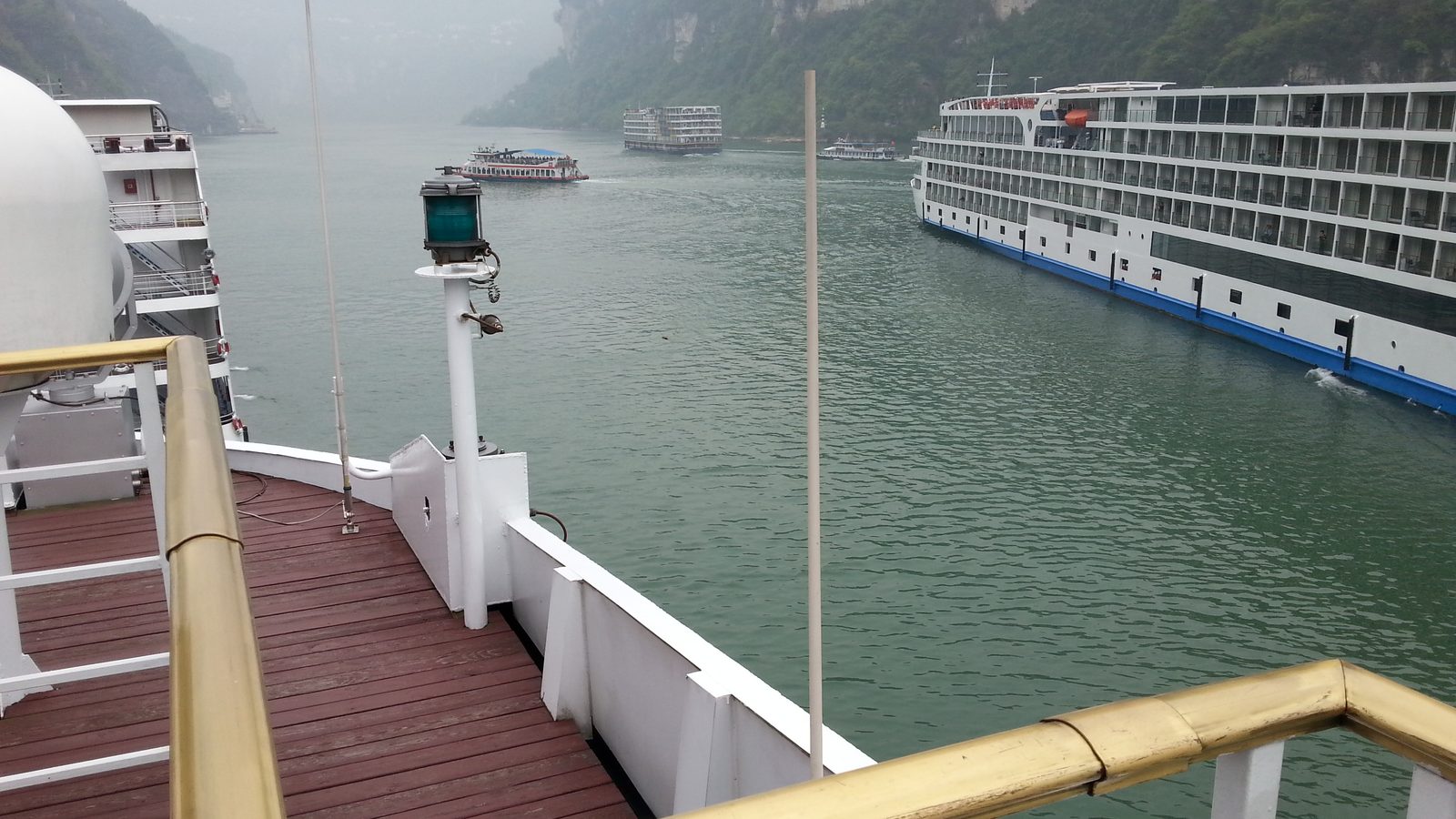
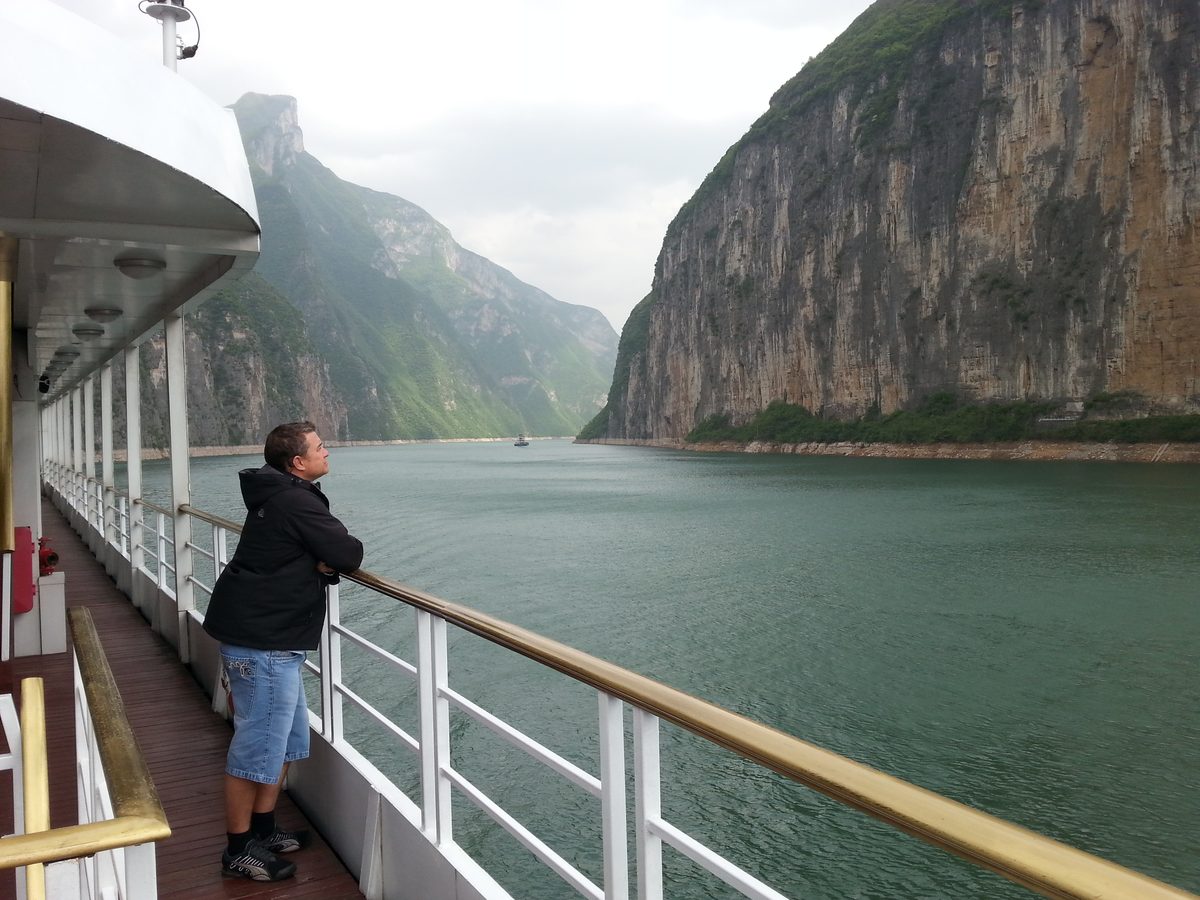
- The Yangtze Three Gorges cruise. A 3–4 day voyage from Chongqing downstream to Yichang, through the Qutang, Wu and Xiling gorges and past the Three Gorges Dam, the world’s largest hydroelectric project. It is the great river journey of China — dramatic, slow, and genuinely world-class scenery. Full detail in our Three Gorges cruise guide.
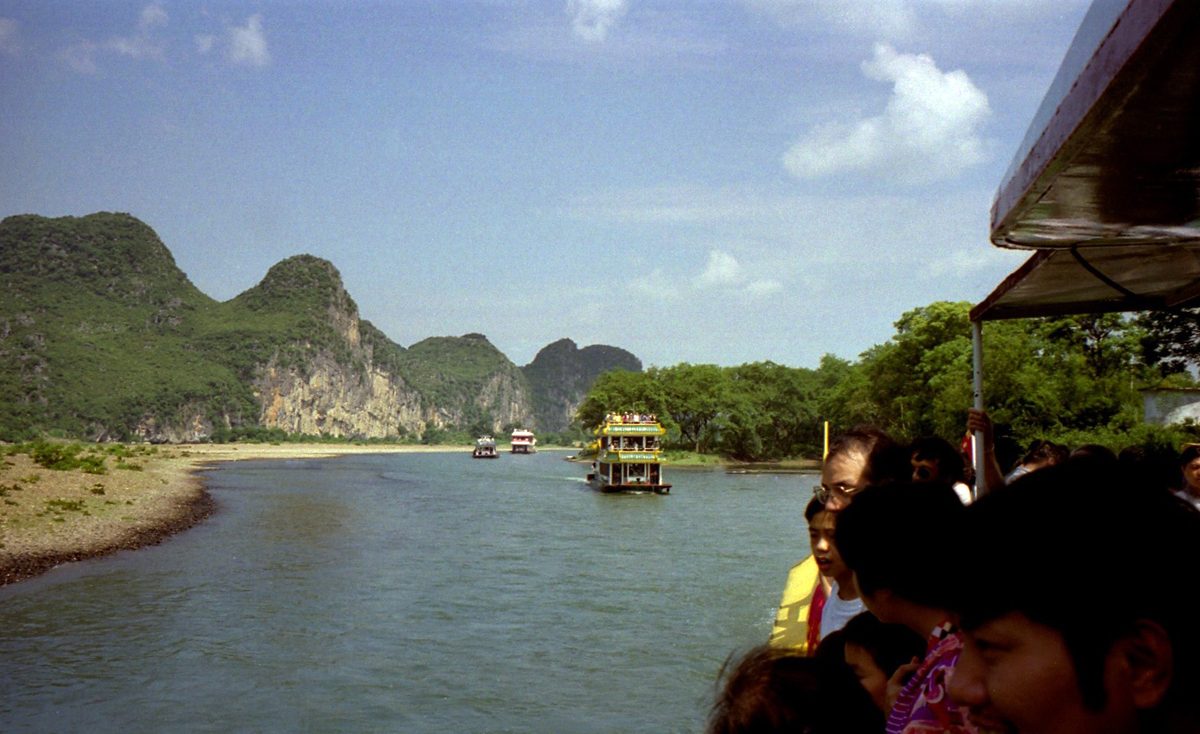
- The Li River cruise, Guilin to Yangshuo. A single 4–5 hour cruise through the karst peaks that appear on the ¥20 note and in every China tourism poster. It’s the most photogenic boat ride in the country, it’s easy to slot into a Guilin itinerary, and the ending at Yangshuo — with its riverside town and countryside — is delightful. Guilin’s own city guide covers the surrounding trip.
Beyond these, there are dozens of rewarding shorter boat rides: the West Lake in Hangzhou, the Pearl River night cruise in Guangzhou, the canals of Suzhou and Zhouzhuang, and the water towns of the Yangtze delta. For travelers who prefer the rhythm of rails, several scenic train routes thread through similar landscapes — see our most scenic rail routes guide for the comparison.
Choosing between the Yangtze and the Li River
The two classics suit different trips, so the choice is usually made by your itinerary rather than the boats themselves:
- Choose the Three Gorges cruise if you’re traveling between Chongqing and the central Yangtze region, or if you want a multi-day voyage where the boat is the experience. It combines well with Chongqing’s city sights and the river route toward Yichang, Wuhan or Shanghai.
- Choose the Li River if you’re building a Guilin–Yangshuo itinerary — the classic southern-China landscape of towering limestone karst and rice paddies. It’s shorter, cheaper and easier to fit into a tight schedule.
- Do both if you have the time; they’re different enough to be worth it, and each is a highlight of its region.
How to book a China boat trip
Booking differs between the big cruises and the day boats:
Three Gorges cruise
- Book through a reputable operator — Trip.com, Ctrip, or a cruise-specialist agency. Ships range from basic to luxury, and quality varies, so read recent reviews and check what’s included (meals, excursions, cabin class).
- Book early — cabins in popular seasons (spring, autumn) sell out, and early booking often means better pricing and a higher deck.
- Choose direction: downstream (Chongqing to Yichang) is faster and the standard choice; upstream (Yichang to Chongqing) takes a day longer.
Li River cruise
- Book through your hotel, Trip.com or a Guilin tour operator. In shoulder season you can often buy at the dock, but pre-booking removes the hassle and the queue.
- Decide between the standard cruise (large boat, fixed route, ~4 hours) and private/smaller bamboo-raft options — the rafts on the quieter upper sections give a more intimate (and wetter) experience.
Day boats and ferries
- West Lake, Pearl River night cruises, water-town gondolas and urban ferries are all bought on the spot or same-day. Ticket windows at the dock take cash and mobile payment; some smaller docks may not take foreign cards, so carry a little cash.
For anything around a Chinese holiday, book everything early — our advance booking guide covers the strategy for fixed-date travel.
What the onboard experience is like
- Overnight river cruises: you’ll have a cabin with a private bathroom on most Three Gorges ships, meals in a dining hall, and included shore excursions at the stops — side streams like the Shennong Stream, and the dam itself. Evenings bring a crew show and a chance to watch the river from the deck. Staff are mostly Mandarin-speaking; the larger ships have some English capacity.
- The Li River day cruise: a comfortable seat on a multi-deck boat, an open upper deck for photos, and depending on the ticket a simple lunch. It’s a four-hour river parade of karst peaks — the camera work does itself.
- Day boats and ferries: straightforward and functional. Seating, sometimes a snack counter, and great views from the open deck.
Across all of them, three habits make the trip better: keep your passport handy (cruises register it at check-in), carry a little cash for small docks and vendors, and pack light for overnight cruises since cabins are compact.
When to go: seasons and crowds
- Spring (April–May) and autumn (September–November) are the sweet spots — comfortable weather, clear light, and the gorges or karst at their best.
- Summer (June–August) is the busy season: hot, humid, more crowded ships, and on the Yangtze the possibility of higher water and occasional schedule changes. Booking ahead is essential.
- Winter (December–February) is calm and often cheaper, with mist and fog adding mood — but cold on the open deck, and some smaller operations reduce schedules.
Chinese holidays are the one hard constraint: around Spring Festival, Golden Week and the summer school holidays, cruises fill and prices rise. Our festival calendar helps you see the peaks coming.
Practical tips for a smooth boat day
- Arrive early at the departure dock — check-in and boarding can take 30–45 minutes on the big cruises.
- Dress in layers — cabins are air-conditioned, decks are exposed. Sunscreen and a hat for summer days; a jacket for winter.
- Book the deck, not just the cabin — on Three Gorges ships, higher decks have better views and are worth the upgrade if you care about the panorama.
- Confirm what’s included before you pay: meals, excursions, and any extras (drinks, special dining, upgrades) are the usual hidden cost.
- Connect your plans — most cruises end in the afternoon, giving you the evening in the arrival city. Rail links and onward transport are covered in our scenic rail routes guide and city guides.
Ferries and urban boats you might not have considered
Beyond the headline cruises, boats solve real transport problems in China:
- Urban ferries and water buses cross rivers and lakes cheaply — the Yangtze ferries in Wuhan, the Huangpu ferry in Shanghai, the Pearl River ferries in Guangzhou. Fares are typically ¥2–10, paid by transit QR code or cash.
- Water-town gondolas in Suzhou, Zhouzhuang, Wuzhen and Xitang are short, charming and cheap — ¥50–150 per boat, and best in the quiet early morning.
- Lake cruises at West Lake (Hangzhou), Taihu (Wuxi) and Erhai (Dali) are half-hour to hour-long rides that are easy to slot in.
These aren’t book-ahead experiences — you buy at the dock and hop on. They’re a lovely, low-effort way to see a city from its own water.
Last updated: August 2026. Cruise routes, ships and prices change frequently — confirm current schedules, inclusions and fares with your operator before you book.
Frequently Asked Questions
What are the best boat trips in China for a first-time visitor?
Two stand out. The **Yangtze Three Gorges cruise** between Chongqing and Yichang is the great river journey — 3–4 days through dramatic gorges and past the world's largest dam. The **Li River cruise** from Guilin to Yangshuo is the picture-postcard ride through the karst peaks you've seen in every China poster, and it's a single 4–5 hour trip rather than an overnight cruise. Both are easy to book, comfortable, and suitable for families and older travelers. See our full [Three Gorges cruise guide](https://chinotrips.com/itineraries/three-gorges-cruise/) for the Yangtze detail.
How much does a river cruise in China cost?
Estimates in CNY, and prices change: a **Three Gorges cruise** runs about ¥1,500–6,000 per person for the 3–4 day trip including cabin, meals and shore excursions, depending on ship and cabin class. The **Li River cruise** is a day trip, roughly ¥200–500 per person depending on the boat and whether you book a private option. Day cruises elsewhere — West Lake in Hangzhou, Lijiang's canals, the Pearl River at Guangzhou — run from ¥60–200. Book in advance for the popular routes; day-boat tickets are usually available at the dock.
Do I need to book a river cruise in advance?
For the **Three Gorges cruise, book well ahead** — ships fill up, especially in spring and autumn, and booking early gets you better cabins and prices. For the **Li River cruise**, booking a day or two ahead in peak season is wise; in shoulder season you can often buy at the dock. Small day ferries and water-bus routes (like those in Hangzhou or Guangzhou) are bought on the spot. If your dates are fixed around a Chinese holiday, book everything early — see our [advance booking guide](https://chinotrips.com/how-to/book-attractions-advance/) for the wider picture.
Are boat cruises in China suitable for families and older travelers?
Yes — this is one of the most accessible ways to travel in China. Cruise ships have cabins, meals, onboard staff and gentle shore excursions, with no packing and unpacking each day. The Li River boat trip involves no real walking at all. Ferries and water-buses are simple and safe. The main considerations are summer heat on open-deck boats and the steps down to some small docks — ask the operator if step-free access matters to you.
What is the onboard experience like on a Chinese river cruise?
On a Three Gorges cruise you get a cabin (with private bathroom on most ships), three meals a day in a dining hall, shore excursions included at the stops, and entertainment in the evening — often a crew show. The Li River cruise is a day boat with seating, sometimes an upper open deck, and a simple lunch or snack depending on the ticket. Language: announcements and staff are mostly Mandarin; the larger cruise lines carry some English-speaking staff, and printed material is often bilingual. Don't expect Western-style luxury — expect clean, comfortable, well-organized travel with scenery doing the work.
Which is better — the Yangtze Three Gorges cruise or the Li River?
They're completely different experiences. The **Three Gorges** is a multi-day voyage through towering canyons and past an engineering wonder, a slower, more immersive journey. The **Li River** is a day trip through the classic karst scenery that defines Guilin — arguably the most photogenic boat ride in China. If you have time for only one, it depends on your trip: the Three Gorges pairs with Chongqing and the river route across China; the Li River slots into a Guilin–Yangshuo itinerary. Many travelers do both on separate trips. Our [scenic rail guide](https://chinotrips.com/itineraries/china-scenic-rail-route/) also covers train alternatives that hit similar landscapes.
What should I bring and wear on a China boat trip?
On day boats: sunscreen, a hat, a light jacket for the air-conditioned cabin, and your passport (some cruises register it). On an overnight cruise: pack a small overnight bag for the first night, since checked luggage may be collected; comfortable shoes for shore excursions; and basic medications. Drones are restricted on most cruises and around the gorges — leave it at home. See our packing and [advance booking](https://chinotrips.com/how-to/book-attractions-advance/) guides for the full list.