
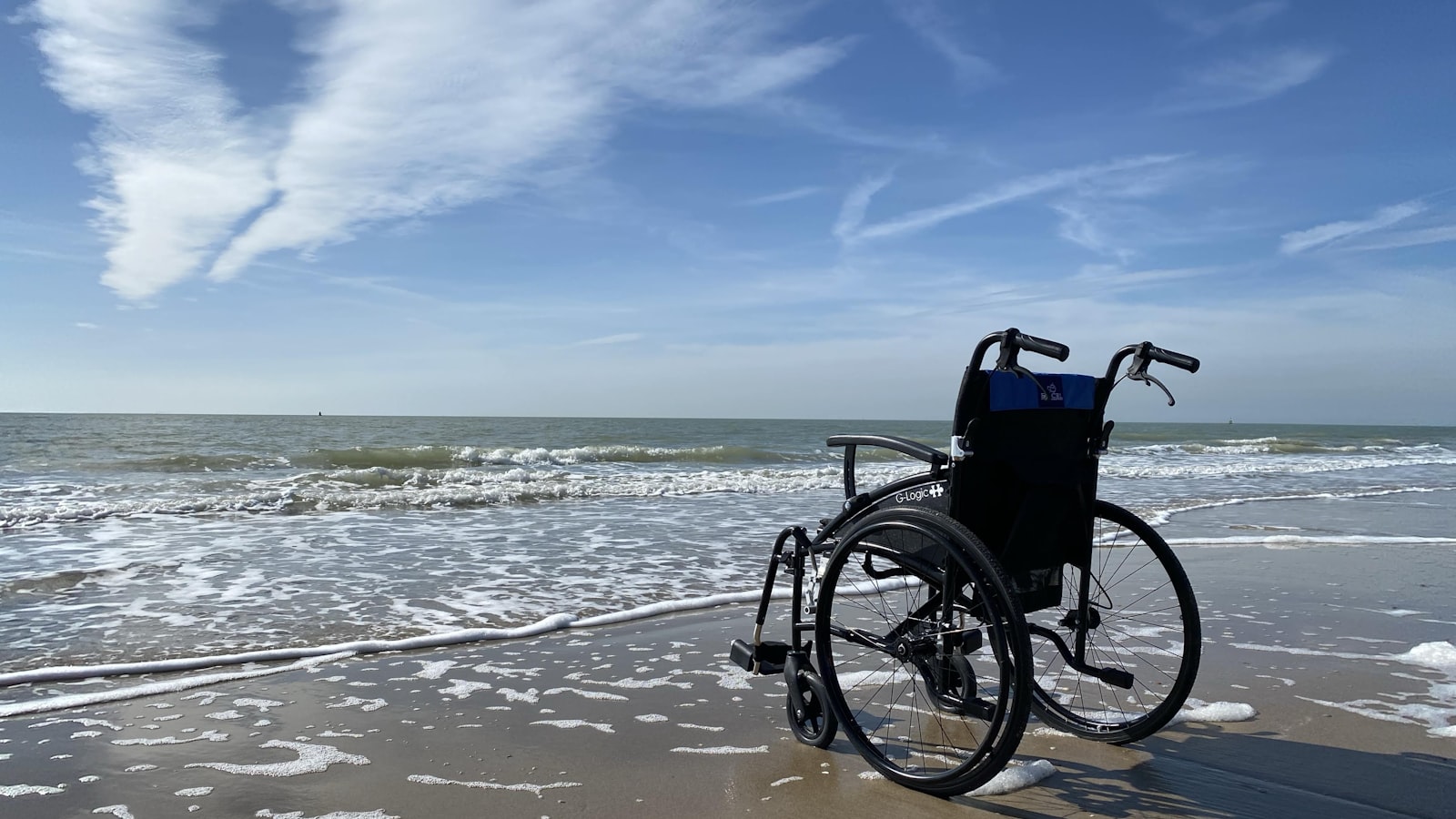
Traveling China with a Disability (2026): A Practical Guide
An honest guide to traveling China with a disability — metro and rail access, accessible hotels, wheelchair-friendly sights, and planning a realistic trip.
China is an accessible-in-places destination — the modern transport network and international hotels are genuinely good, while the old towns and mountain sights are genuinely hard. This guide tells you honestly where it works, how to book it, and how to build a realistic itinerary.
There’s a persistent myth that China is impossible for travelers with disabilities. The reality is more nuanced — and more useful. On one hand, the modern infrastructure built for the Olympics and the high-speed rail era is genuinely accessible: elevators in metro stations, wide carriages, accessible toilets, and staff trained to help. On the other hand, the China of old towns, hutongs and ancient stone paths is barely accessible at all. The winning strategy is to lean into what works, plan around what doesn’t, and book the help you need ahead of time.
What’s genuinely accessible
Start from the strong points, because they’re real:
- Metro systems in Beijing, Shanghai, Chengdu and other big cities have elevators at most stations, wide accessible gates and helpful staff. The newer lines are excellent — Shanghai’s metro is among the most accessible in the world.
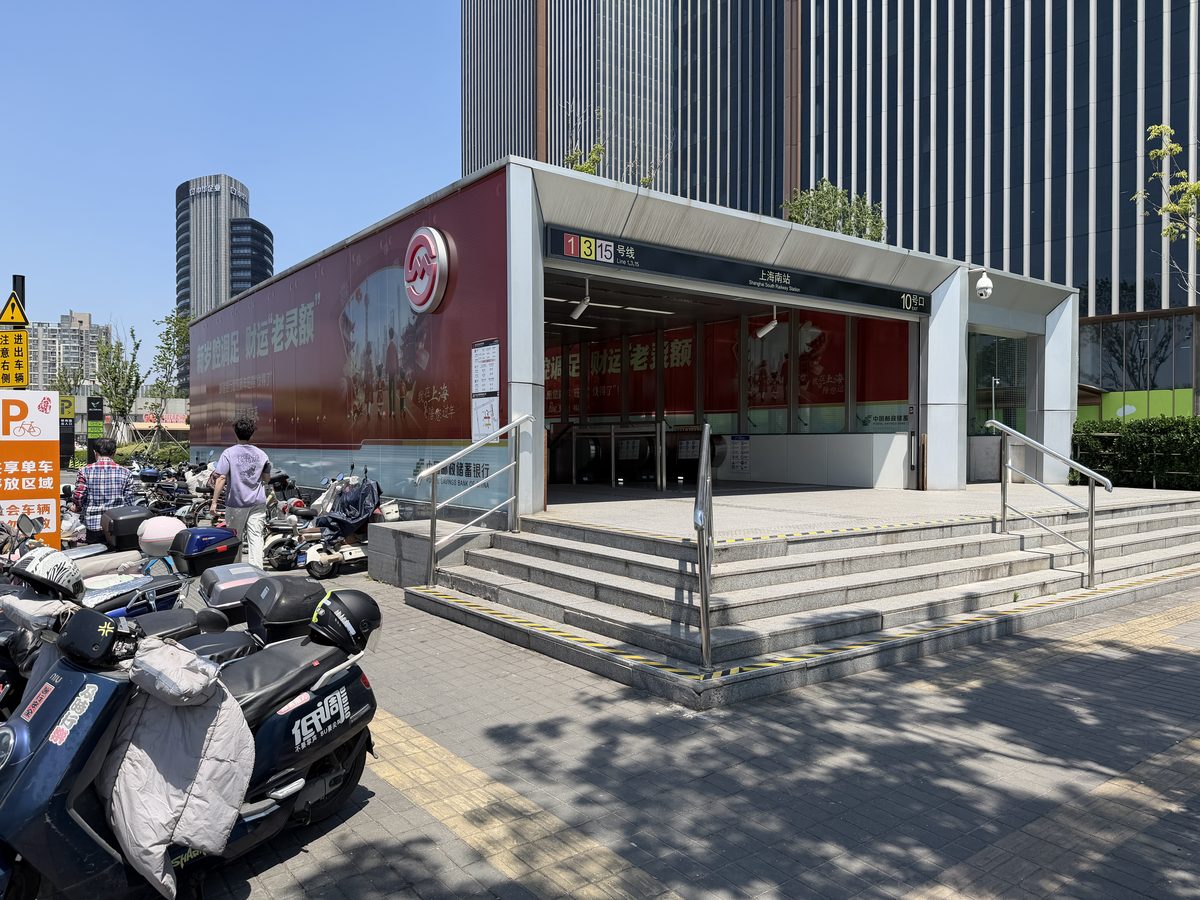
Shanghai’s metro is among the most accessible in the world — elevators, wide gates and staff help at most stations.
- High-speed rail is smooth, wide and modern, with accessible carriages and toilets. Staff assist with boarding if you ask at the ticket window; in practice the assistance is reliable and genuinely helpful.
- International hotels — Marriott, Hyatt, Hilton, IHG, Accor — have proper accessible rooms with roll-in showers and grab bars at their China properties.
- Modern attractions — museums, observation towers, large parks and the Bund promenade are flat and wheelchair-friendly.
- Airports — Beijing, Shanghai, Guangzhou and other big hubs offer wheelchair service from check-in through boarding; request it when booking and again at the airport.
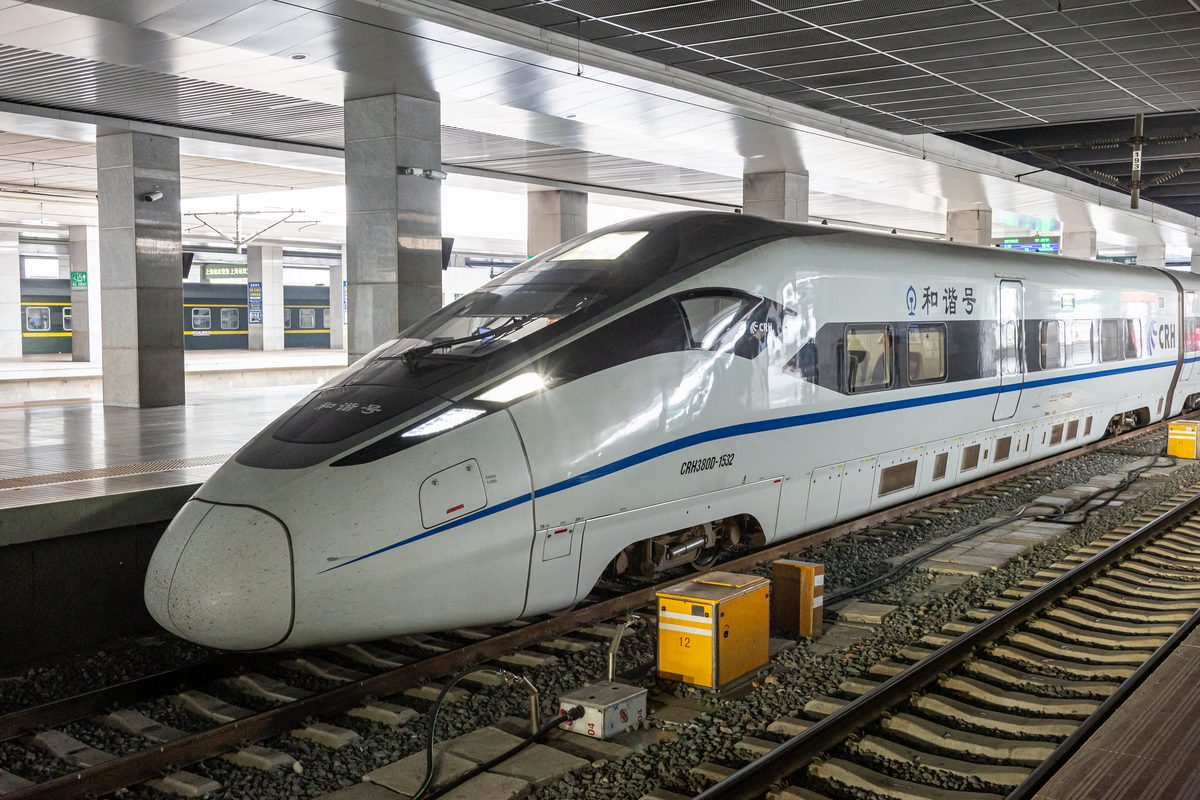
China’s high-speed rail is genuinely accessible — wide carriages, accessible toilets and boarding assistance on request.
What’s hard, honestly
- Old towns — Beijing’s hutongs, and places like Lijiang and Pingyao, have narrow lanes, uneven stone and steps everywhere. Flat access is rare.
- Mountain sights — Guilin, Zhangjiajie, Huangshan and Mount Tai rely on trails, stairs and cable cars; most are not wheelchair-accessible beyond the base.
- Historic sites — the Forbidden City, the Great Wall and many temple complexes have stone thresholds, rampless steps and long walking routes. Some are partially accessible (the Forbidden City’s main axis is flat once inside); others are effectively not.
- Streets in general — curbs can be high, sidewalks uneven, and dropped curbs inconsistent. It’s manageable in the modern districts and taxing in older neighborhoods.
Building a realistic itinerary
A good accessible China trip leans on the modern cities and the high-speed rail network. A proven structure:
- Shanghai (4 days) — the most accessible city: the metro, the Bund promenade, Shanghai Museum, Shanghai Tower, and an easy flat day trip to Suzhou’s gardens.
- Beijing (4 days) — doable with planning: metro to the Forbidden City (flat main courtyards, some steps at thresholds), the Temple of Heaven park, the museums, and the accessible sections of the Great Wall at Badaling.
- Chengdu (2–3 days) — flat city, new metro, and the Panda Base with shuttle access.
If you want to add high-speed rail between cities, it’s the accessible bright spot of China travel — book trains ahead and request assistance at each station. For a ready-made plan, our disabled travel itinerary lays out a week step by step, and our accessible travel guide covers the cities in more depth.
Airports and rail assistance
- Flights — request wheelchair assistance from your airline when booking, and again at check-in. At big hubs like Beijing Daxing or Shanghai Pudong the walk from plane to arrivals is long, so take the offered help.
- High-speed rail — at the station, go to the ticket office or the special-needs window, show your passport and ticket, and staff will arrange a wheelchair and escort to the platform. It works well; just build in extra time.
- Metro — most stations have an assistance call button or a staffed booth; staff will help with elevators and gates.
Booking accessible hotels
The reliable path is the international chains. When booking: choose a property that lists accessible rooms (usually under “accessibility” in the booking engine), select the accessible room type, and add a note about your needs — roll-in shower, grab bars, ground floor, step-free access. A day before check-in, message the hotel through the booking app to confirm. Mid-range domestic hotels are improving, but the chains remove the guesswork. The hotel booking guides on this site — like our Beijing hotels guide — point to properties that are consistently reliable for international travelers.
Getting around day to day
- Metro — your best friend in big cities; elevators, wide gates and staff help.
- Didi ride-hailing — the practical taxi alternative. Set up Alipay before you arrive, and in the Didi app you can note accessibility needs or order a larger car. Communicate with the driver through the in-app messages.
- Taxis — rarely accessible; avoid depending on them.
- Walking — stick to the modern districts and use the metro to avoid the roughest streets.
Money and apps
Set up the essentials before you fly: Alipay for payment and ride-hailing, Didi for cars, Baidu Maps or Google Maps (via your eSIM) for navigation, and Trip.com for trains and hotels. An eSIM that works on arrival is important because many apps need data — see our eSIM guide for setup. For payments and getting around, our Alipay guide walks through the whole setup from abroad.
Packing and health
Bring any medical supplies, prescriptions and copies of prescriptions in your carry-on — China’s pharmacies vary, and your usual items may not be available. If you use a wheelchair, consider a repair kit and check airline policies for mobility aids (most major airlines carry wheelchairs free and provide aisle chairs). Travel insurance with medical cover is essential, and it’s worth carrying a card with your conditions in Chinese to show medical staff. If you use medications that are controlled at home, check Chinese customs rules before you travel — our bringing medication guide has the details.
Other disabilities and needs
The accessibility picture isn’t only about wheelchairs, and it’s worth knowing where other needs stand. Reduced mobility without a wheelchair is the easiest to manage — the metros, rail and modern sights work well, and you can skip the roughest old-town stretches. Hearing impairment is well accommodated in many new buildings (visual alarms and digital displays are common in modern metros and attractions), and Chinese signage at major sights is increasingly bilingual, which helps everyone. Visual impairment is the hardest: tactile paving exists on newer streets and metros, but English audio guides are limited, and negotiating crowded, uneven streets needs planning. For any of these, the same principles apply — base yourself in modern districts, use the metro, book at international hotels, and give yourself time. A travel companion makes a significant difference, and the international hotel chains and airports are the places where staff most reliably understand and assist with a range of needs.
Accessible sightseeing in the big three
To make the planning concrete, here’s how accessibility actually plays out in the three most popular cities:
- Shanghai — the standout. The metro is excellent, the Bund promenade is flat and wheelchair-friendly, Shanghai Museum and Shanghai Tower are fully accessible, and the modern districts have smooth sidewalks. Even the classic day trip to Suzhou’s gardens is manageable on the flat garden paths. It’s the easiest city in China for accessible travel.
- Beijing — very doable with a plan. Metro to the Forbidden City: the main courtyards are flat once you’re inside, though there are stone thresholds and a few steps to manage. The Temple of Heaven is a huge flat park that’s easy to enjoy, and the National Museum is fully accessible. The Great Wall at Badaling has a cable car and some accessible sections; other sections are out of reach.
- Chengdu — flat, relaxed and accessible. The new metro is good, the city is easy to navigate, and the Panda Base has shuttle service that reduces the walking. It’s a gentler, less crowded alternative to the megacities for travelers who want a slower accessible trip.
If you want to add a third city, Guangzhou and Xi’an are both viable with planning — Xi’an’s metro and the area around the Terracotta Warriors site are the accessible highlights.
A realistic week
To see how it all fits together, our disabled travel itinerary builds a full week: Shanghai’s accessible sights and metro, the high-speed rail link, and Beijing’s palaces, parks and museums. The same structure can be adapted to Chengdu or Guangzhou. The key planning principles are the same throughout — book accessible rooms, request rail assistance, use the metro and Didi, choose flat modern sights, and give yourself more time than you think you need at each step.
The bottom line
China rewards accessible travel with a little strategy. The modern transport and hotels are genuinely accessible, the high-speed rail is world-class, and the big-city highlights are manageable with planning. Lean on the metros and modern districts, book accessible rooms at international chains, request the help that’s on offer — and you’ll find China more than doable. It’s a big, rewarding country, and with the right route it’s open to you.
Last updated: August 2026. Accessibility details, opening hours and prices change — confirm current information before you go.
Frequently Asked Questions
Is China accessible for travelers with disabilities?
It's a mix, and honest planning is everything. The modern infrastructure is genuinely good — Beijing, Shanghai and Chengdu have accessible metro systems with elevators, high-speed rail has accessible carriages and staff assistance, and international hotel chains offer proper accessible rooms. But old towns, mountain sights and historic sites often have uneven stone, steps and no ramps. Treat China as an 'accessible-in-places' destination and plan your route around the places that work.
Can wheelchair users use the metro and high-speed rail in China?
Yes, these are the accessible bright spots. The metros in major cities have elevators at most stations, wide accessible gates and staff who help. High-speed trains have wide carriages, accessible toilets and staff who assist with boarding if you ask at the ticket window — request help when you arrive at the station. See our [metro guide](https://chinotrips.com/how-to/china-metro-guide/) and [train ticket guide](https://chinotrips.com/how-to/train-tickets/) for the practical details.
How do I book an accessible hotel room in China?
Book at the international chains — Marriott, Hyatt, Hilton, IHG and Accor reliably have accessible rooms with roll-in showers and grab bars. Book directly (or via the chain's app) and note your needs in the reservation, then confirm by message a day before check-in. Smaller Chinese hotels vary widely; the chain route removes the guesswork. For tips on choosing and booking, see our [accessible travel guide](https://chinotrips.com/how-to/accessible-travel-china/).
What sights are wheelchair-friendly in China?
Modern sights are the winners: museums, observation towers (Shanghai Tower, Canton Tower), the Bund promenade in Shanghai, and large modern parks are flat and accessible. In Beijing, the Temple of Heaven park and the Forbidden City's main courtyard route are doable with help, though there are steps at some thresholds. If you plan around these and avoid old-town lanes and mountain trails, you can build a genuinely good itinerary. Our [disabled travel itinerary](https://chinotrips.com/itineraries/disabled-travel-itinerary/) is a good starting point.
How do I get an accessible taxi or car in China?
Ordinary taxis are hard with a wheelchair — few are accessible. The practical answer is **Didi ride-hailing** through [Alipay](https://chinotrips.com/how-to/set-up-alipay/): you can request a car and message the driver about your needs, and for groups you can book a larger vehicle. In big cities the metro covers most of what you need for getting around, with Didi for the gaps.
Is it worth visiting China with a disability?
Absolutely, with the right route. China's modern transport and hotels are genuinely accessible, the high-speed rail is world-class, and the big-city highlights are manageable. The key is to plan around accessibility rather than assume it — base yourself in the modern cities, use the metro and rail network, book accessible rooms at international chains, and choose flat, modern sights. With that plan, China is not just doable — it's rewarding.