China Gluten-Free Food Guide: Eating Out Without Gluten
How to eat gluten-free in China — where wheat hides, soy sauce, safe dishes to order, key phrases, and how to stay safe on the road.
Eating gluten-free in China is the hardest dietary need to meet of the common ones — but with the right phrases and a clear sense of where wheat hides, it is workable. The single biggest factor is soy sauce, which is made with wheat and sits under almost every savory dish. Learn 不要酱油 (no soy sauce) and build your meals around plain rice and fresh rice noodles, and you can travel well.
The essentials: what to know first
Three facts frame gluten-free eating in China:
- Soy sauce is wheat. Traditional 酱油 (jiàngyóu) is brewed from wheat and soybeans. It is the default seasoning in nearly every restaurant kitchen — stir-fries, marinades, braises and dipping sauces.
- Flour hides in more places than you expect. Fried coatings, dumpling wrappers, thickeners, some marinades and even some “crispy” vegetable dishes all contain wheat.
- Cross-contact is the norm in small kitchens. One wok, one oil pot, shared utensils — trace gluten is the default, not the exception.
None of this makes gluten-free eating impossible; it just means you plan more than you would at home. For the phrase card that covers gluten-free alongside vegetarian and allergy communication, see our dietary needs guide.
How gluten-free dining works in China
Chinese food culture is communal, sauce-heavy and built on shared preparation, so gluten-free is a genuine challenge rather than a label the menu will advertise. A few structures help:
- Rice-based meals — plain steamed rice, rice congee (米粥), and fresh rice noodles are the reliable backbone of a gluten-free diet in China. Fresh rice noodles (as opposed to many dried instant ones, which can contain wheat) are common in the south.
- Hotel restaurants — international hotels and higher-end Chinese hotels have staff who understand allergy requests and can prepare a plain steamed dish. Expensive, but the safest fallback.
- Self-catering — supermarkets and wet markets sell rice, eggs, vegetables, fruit and fresh meat everywhere. If a strict gluten-free diet is essential, a guesthouse room with a kettle can produce safe meals all over the country.
- Import supermarkets — City Shop, Jenny Lou’s and similar in Shanghai and Beijing stock gluten-free snacks and imported staples. Useful for restocking, but pricey and concentrated in big cities.
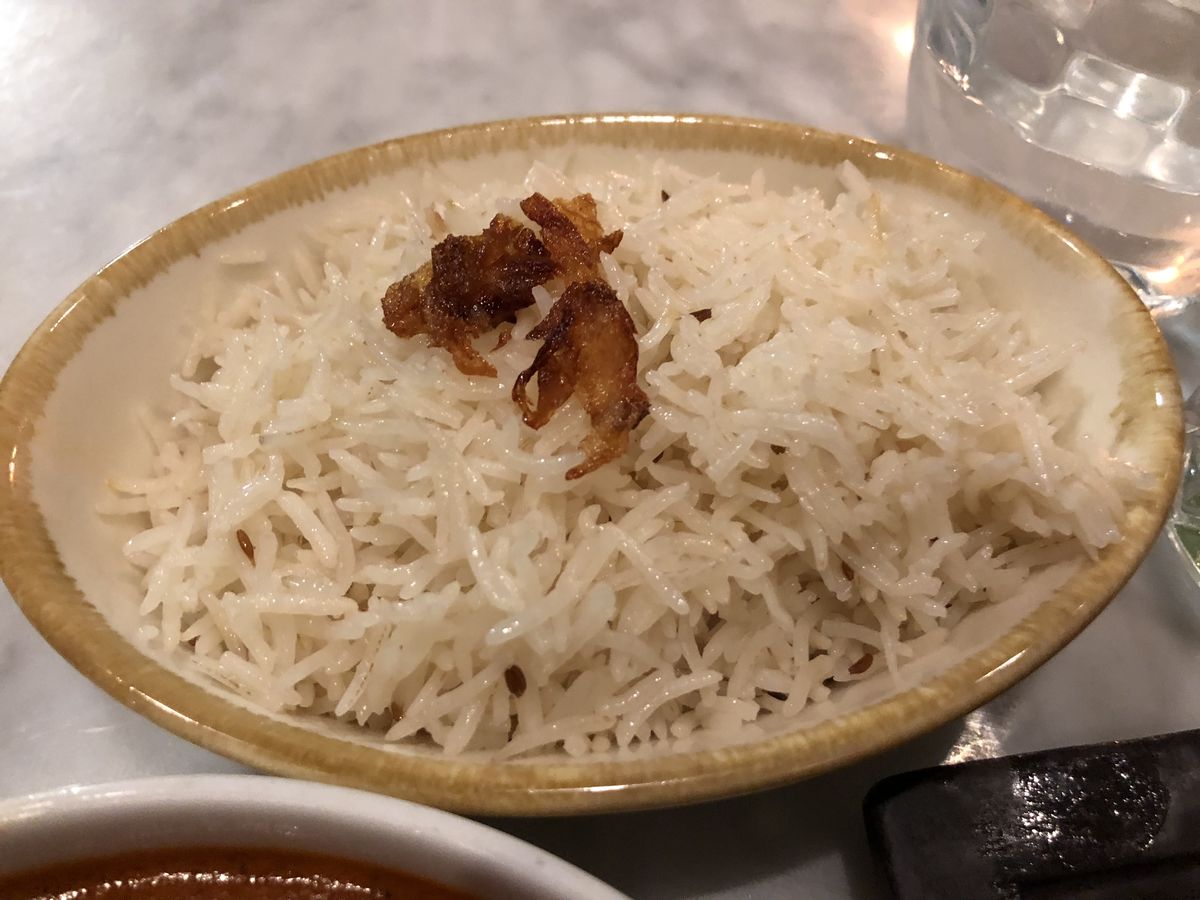
Plain steamed rice is the most reliable gluten-free food in China — build meals around it and you remove most of the risk.
What to know: where wheat hides
The surprises are what make gluten-free travel in China hard, so it is worth listing them:
- Soy sauce (酱油) — the big one. Ask for 不要酱油 on every dish.
- Dark soy and “sauce” bases — oyster sauce, hoisin, sweet bean sauce and most bottled marinades contain wheat or are thickened with flour.
- Fried coatings — anything “crispy,” battered or deep-fried is usually coated in flour. Steer clear unless confirmed otherwise.
- Dumplings, buns and noodles — obviously wheat-based. Jiaozi, baozi, spring rolls and wheat noodles are out.
- Thickeners — cornstarch is used a lot, but flour and wheat-based starches also appear. Asking 没有面粉吧?(no flour?) helps.
- Congee and porridge — often fine (rice-based), but check it has not been mixed with wheat or thickened.
- Alcohol — beer (wheat/barley) and some rice wines are off-limits; baijiu (distilled from sorghum, rice or corn) is generally gluten-free but not always labeled, so check.
Practical tips: phrases that keep you safe
Save these to your phone or print them on a card:
- 不要酱油 — no soy sauce
- 没有面粉吧?— no flour, right?
- 麸质过敏 — gluten allergy
- 我不能吃小麦 — I can’t eat wheat
- 请单独做 — please cook it separately
- 我自己带饭 — I brought my own food
For celiacs, the most important sentence to convey is that even a trace is a problem. The phrase 我非常严重,一点都不能吃 (I am very serious — I can’t eat even a little) printed in large characters on a card, plus showing it to the server and asking them to confirm with the kitchen, gives you the best chance. Machine translation can garble this — use the printed card.
Ordering pattern: point to rice, say 米饭, and add 不要酱油, 不要面粉. In a hotpot restaurant, ask for a clear stock and your own pot, and avoid the wheat-based dipping sauces.
A gluten-free day on the road
To make this concrete, here is what a realistic gluten-free day looks like when you are traveling between cities:
- Breakfast — congee (rice porridge) with a boiled egg, or plain rice. Congee shops are everywhere in the morning and the plain version is wheat-free. Confirm 不要酱油 and no flour thickener, and skip the fried dough sticks (油条) on the counter.
- Lunch — plain steamed rice with a stir-fried vegetable made 不要酱油 (no soy sauce), plus a fresh rice-noodle soup where the noodles are clearly fresh. In the south, fresh river-rice noodles (河粉) are a common and safe choice.
- Dinner — hotpot is the easiest safe dinner: a clear stock, your own pot, and a plate of plain rice alongside. Skip the wheat-based dipping sauces and dumplings; stick to meat, vegetables, tofu and rice.
- Snacks — fresh fruit from any street stall, boiled eggs, plain rice crackers, and nuts from a supermarket. Instant rice noodles that you confirm are 100% rice are a useful backup for long train days.
- Trains and stations — railway canteens serve rice-based meals with meat and vegetable plates; ask for 不要酱油. Packing your own safe snacks removes the risk entirely on long legs.
The pattern is simple: build meals around rice, fresh rice noodles, plain vegetables and meat, and use 不要酱油 as your default instruction. It becomes second nature after the first couple of days.
Common mistakes to avoid
- Forgetting that soy sauce is everywhere. A “safe” steamed dish can arrive tossed in soy sauce. Say 不要酱油 every time, even for vegetables.
- Trusting “rice noodle” without checking. Some dried instant rice noodles are blended with wheat starch. Prefer fresh ones or check the label.
- Assuming gluten-free means the kitchen can avoid cross-contact. One wok shared with wheat-noodle dishes means trace gluten. If that matters, choose a dedicated kitchen or self-cater.
- Relying on a translation app for the critical sentence. For a serious allergy or celiac disease, use a printed card in large characters, not a live machine translation.
- Not carrying safe snacks. On long train journeys and in rural areas, suitable options can be scarce. Pack rice crackers, nuts, fruit and instant rice noodles you know are safe. For station food planning, our China train guide helps with journey planning.
Where gluten-free fits in your China trip
A gluten-free diet mainly changes how you eat, not where you can go. The biggest cities — Shanghai and Beijing — have the most options: import supermarkets, hotel restaurants and a handful of dedicated gluten-free bakeries and cafes. Smaller cities and rural areas mean more self-catering and more reliance on plain rice and congee.
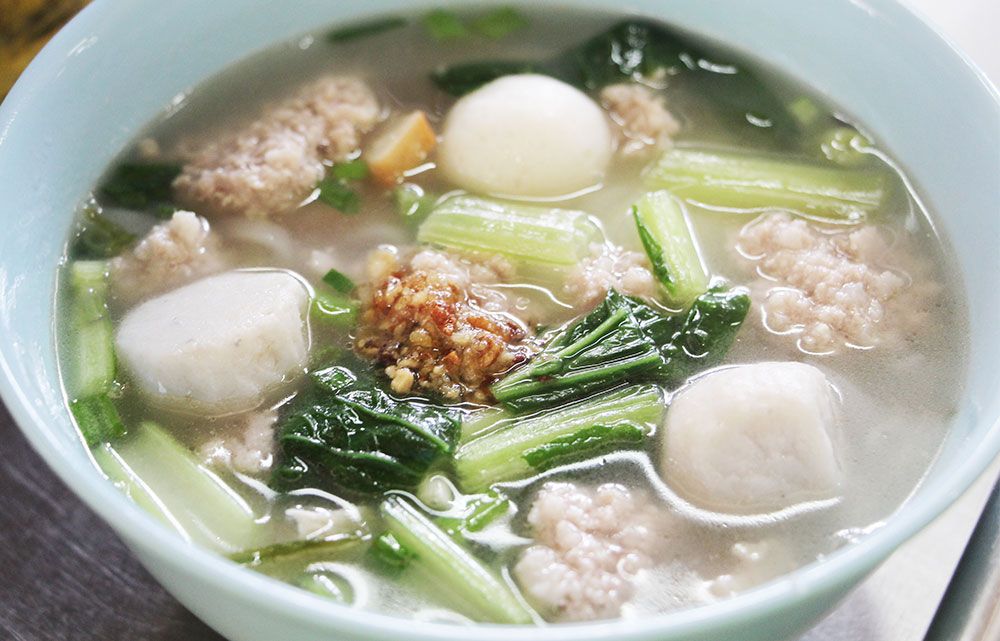
Wet markets and supermarkets sell rice, fresh vegetables, eggs and fruit everywhere — the building blocks of a reliable gluten-free meal when eating out gets hard.
Bringing medication and an allergy card is essential for celiacs — see our medication guide for what you can carry into China and how to document it. And because ordering and paying in China run through phone apps, setting up Alipay or WeChat Pay before you arrive removes a lot of friction at restaurants — including showing your allergy card through a translation app in one glance.
A rough budget: gluten-free dining at ordinary restaurants costs about the same as eating out generally (¥30–60 per meal for rice-and-vegetables — estimate, prices change), while import supermarkets charge a significant premium for gluten-free specialty products. For a strict diet, bringing staples from home is both cheaper and more reliable than relying on local specialty shops.
Last updated: August 2026. Soy sauce and flour usage vary by kitchen — confirm with the restaurant and carry a printed allergy card before you go.
Frequently Asked Questions
Can I eat gluten-free in China?
It is possible but genuinely challenging, because wheat is everywhere in disguise. Soy sauce — made with wheat — is the base of most Chinese sauces, and flour appears in marinades, thickeners and fried coatings. Your safest meals are plain steamed rice, rice congee, fresh rice noodles and steamed vegetables without sauce. Celiacs need extra care with cross-contact in shared kitchens.
Why is soy sauce such a problem in China?
Traditional Chinese soy sauce (酱油, jiangyou) is brewed from wheat and soybeans, so it contains gluten. It is the default seasoning for nearly every savory dish, from stir-fries to marinades to dipping sauces. Saying 不要酱油 (no soy sauce) is the single most important phrase for gluten-free dining in China.
What dishes are safe for gluten-free travelers in China?
Plain steamed rice, rice congee (米粥), fresh rice noodles (as opposed to dried instant ones, which may contain wheat), steamed vegetables with no sauce, grilled skewers without marinade, whole fruit and boiled eggs. Ask for 不要酱油 (no soy sauce) and 不要面 (no flour) to be safer. See our dietary needs guide for the full phrase list.
Is cross-contact a big concern in China?
Yes. Most small restaurants cook everything in one wok and use the same oil and utensils, so trace gluten is common even when a dish is technically wheat-free. If you are celiac, explain 麸质过敏 (gluten allergy) and make clear that even a trace is a problem — and favor dedicated, careful kitchens, hotel restaurants, or self-catering.
Should I bring my own gluten-free food to China?
For strict celiacs, packing staples is wise. Bring a supply of gluten-free snacks, instant rice noodles, and any specialty products you need — import supermarkets in Shanghai and Beijing stock some gluten-free items, but they are expensive and not everywhere. Bring a translated allergy card and your medication; see our medication guide for the rules.