
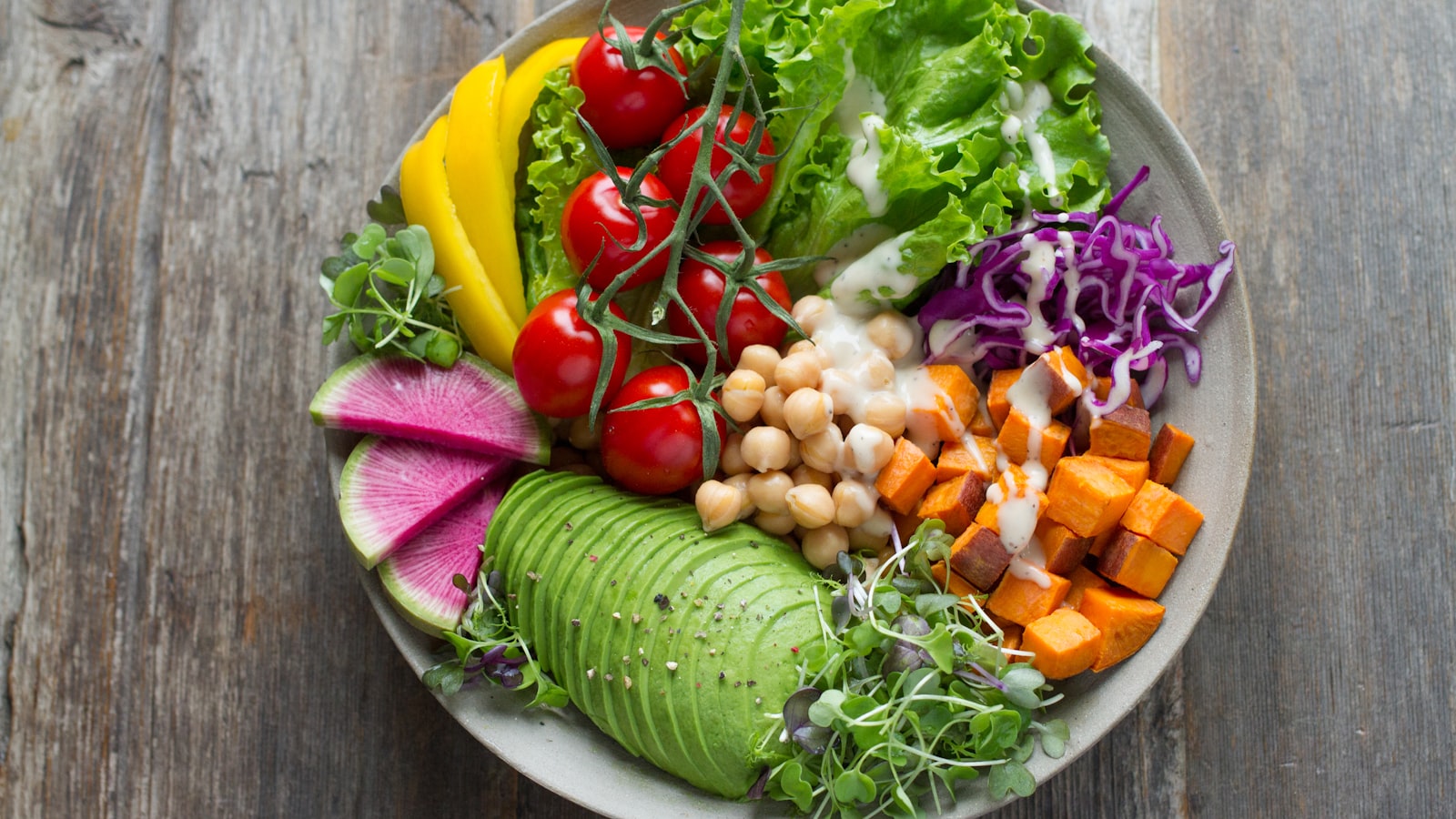
Dietary Needs in China: Vegan, Halal, Gluten-Free
How to communicate dietary needs in China — vegetarian, vegan, halal, gluten-free and allergy translation cards, plus what to watch for.
Eating in China with dietary restrictions takes a little preparation — but the phrase cards and restaurant signs below make it workable.
Chinese food is communal, sauce-heavy and often cooked in shared woks, which makes strict diets harder than at home. With the right phrases on your phone, though, vegetarians, vegans, halal eaters, gluten-free diners and allergy sufferers all eat well. Here’s how to handle dietary needs in China.
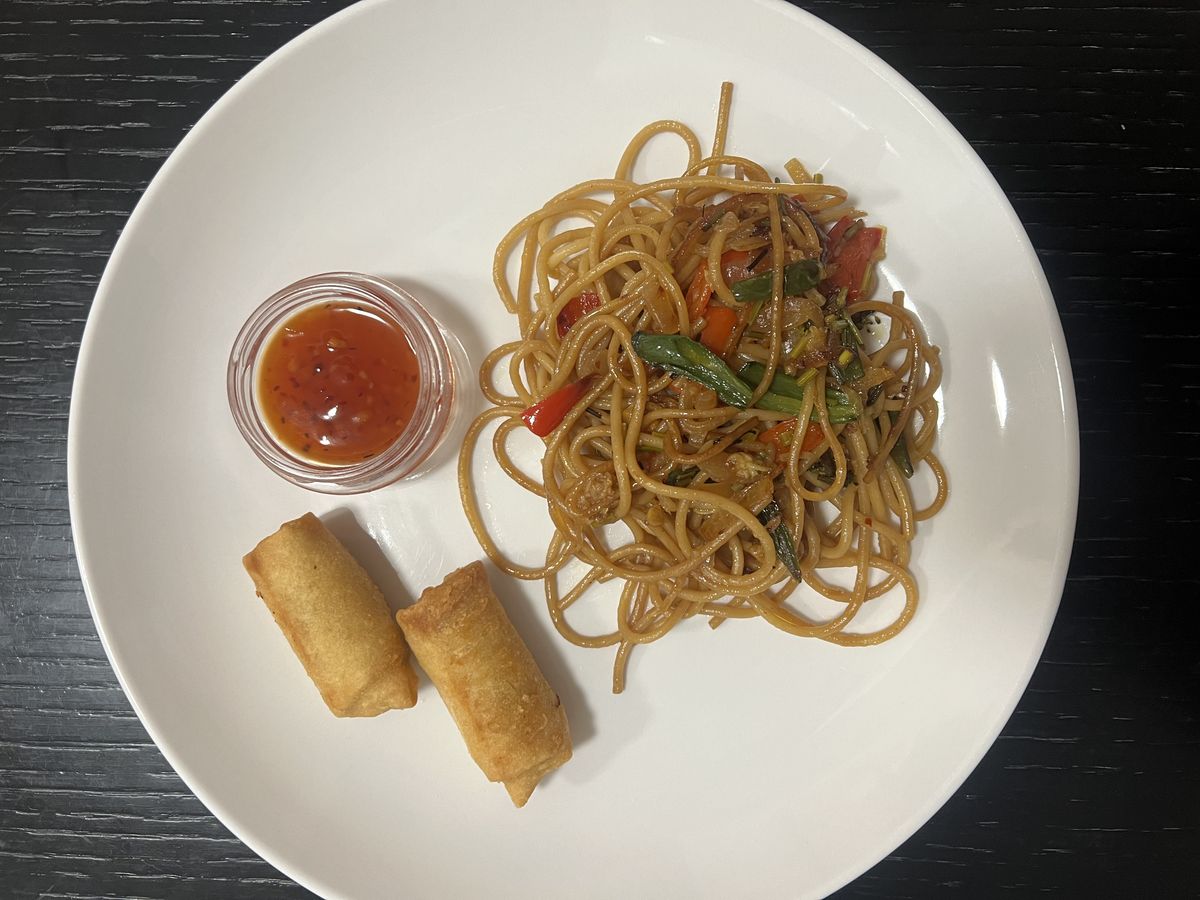
Vegetable dishes are easy to find in China — the catch is that many are cooked with meat stock, lard or oyster sauce, so always confirm 全素.
The key phrases to learn
Put these on your phone or a printed card and show them to staff:
- 素食 (sùshí) — vegetarian
- 全素 (quán sù) — strict vegetarian / vegan (no meat, egg or dairy)
- 不要肉 (búyào ròu) — no meat
- 不要葱蒜 (búyào cōng suàn) — no onion or garlic (common in Buddhist-style food)
- 清真 (qīngzhēn) — halal
- 不要酱油 (búyào jiàngyóu) — no soy sauce
- 不能吃… (bù néng chī…) — I can’t eat…
Vegetarian and vegan
Chinese cooking has a long Buddhist vegetarian tradition, so this is easier than in many countries — with one big caveat.
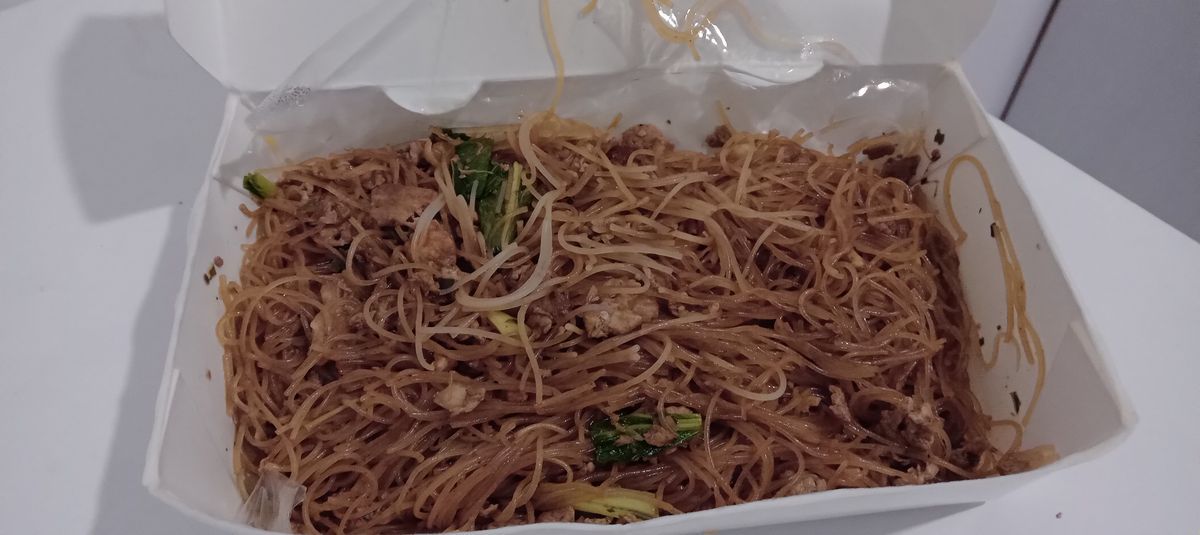
Dedicated vegetarian restaurants (素菜馆) and temple canteens are your safest bet for a strictly meat-free meal.
- Dedicated vegetarian restaurants (素菜馆) exist in most cities and are your safest bet. Buddhist temples often run excellent vegetarian canteens too.
- The trap: a dish of vegetables is often cooked with meat stock, lard, oyster sauce, fish sauce or shrimp paste. Saying 素食 alone isn’t enough — ask for 全素 and confirm “no meat broth” (不要肉汤).
- Egg and dairy usage varies; if you’re vegan, say 全素 and ask 不要蛋奶 (no egg, no milk).
- Use Dianping (大众点评) to search 素食 near you; the app’s maps and reviews make it easy to spot well-rated places in Beijing and Shanghai.
Halal
Halal eating in China is very doable, thanks to a large Muslim population and a network of 清真 (qingzhen) establishments.
- Look for the 清真 sign on restaurants and street stalls — it marks food prepared to Islamic standards.
- Lanzhou beef noodle shops (兰州拉面) are ubiquitous and generally halal; Xinjiang restaurants (新疆) serve lamb-heavy halal cuisine.
- Cities with historic Muslim quarters — Xi’an’s Muslim Quarter, Beijing’s Niujie, and areas of Shanghai, Guangzhou and Chengdu — have the densest halal options.
- Confirm dishes contain no pork (不要猪肉) even in halal-marked places, and be aware that some “halal” chains vary by branch.
Gluten-free
This is the hardest dietary need to meet in China, because wheat is everywhere in disguise.
- Soy sauce (酱油) — made with wheat — is in nearly every savory dish. Ask for 不要酱油.
- Flour appears in marinades, thickeners, fried coatings and dumpling wrappers. Crispy fried dishes are almost always coated in flour.
- Safer bets: plain steamed rice, rice congee, fresh rice noodles, plain vegetables (stir-fried without sauce, ask for 不要酱油), and whole fresh fruit.
- Cross-contact in shared woks is a real risk; explain 麸质过敏 (gluten allergy) and, if it’s celiac disease, make clear that even a trace is a problem.
- Big-city health-food stores and import supermarkets carry gluten-free snacks, but don’t count on finding them everywhere.
Allergies and intolerances
A serious allergy is the one case where you must be explicit and prepared.
- Write a card in Chinese listing your allergens in big, clear characters: 花生 (peanut), 坚果 (nuts), 奶制品 (dairy), 鸡蛋 (egg), 海鲜/贝类 (seafood/shellfish), 芝麻 (sesame), 大豆 (soy).
- Add a short sentence: 我对此过敏,非常严重,请务必确认 (I am severely allergic to this — please confirm).
- Show the card to the server and, in a sit-down restaurant, ask them to confirm with the kitchen. Don’t rely on a quick glance.
- Carry your medication (for example an epinephrine auto-injector) with you and keep it accessible.
- Note that “allergy” is increasingly understood in big cities, but in small-town eateries English may be nonexistent — the written card does the talking.
Restaurants that make it easier
- Buddhist vegetarian restaurants — the safest and most delicious option for vegetarians and vegans.
- Big-city health-food and vegan cafes — a growing scene in Beijing, Shanghai and Chengdu.
- International hotel restaurants — expensive but reliable, and staff usually speak English.
- For self-catering, big supermarkets and import stores stock tofu, rice, gluten-free basics and labeled products — read labels with a translation app.
Where animal products hide in Chinese cooking
The single biggest surprise for travelers with dietary restrictions is that “vegetable” dishes are rarely fully vegetarian. Chinese cooking is built on layering flavors, and a few everyday ingredients quietly carry meat, seafood or animal fats into nearly every dish.
- Meat stock (肉汤): many dishes are cooked in chicken, pork or beef stock even when the menu calls them vegetable dishes. Ask 不要肉汤 (no meat broth) and confirm with the kitchen.
- Lard (猪油): some northern and street-style cooking fries in lard, which adds flavor but rules a dish out for vegetarians and halal eaters alike.
- Oyster sauce (蚝油) and fish sauce (鱼露): both appear in vegetable stir-fries across the south; ask 不要蚝油 (no oyster sauce) to be safe.
- Shrimp paste and dried shrimp: common in Sichuan and Cantonese cooking, sometimes added to what looks like a plain vegetable dish.
- Eggs: egg appears in fried rice, coatings and sauces; vegans should say 不要蛋 (no egg) explicitly.
- Soy sauce and flour: the same sauce base that carries wheat gluten also appears in nearly every savory dish, so gluten-free diners should learn 不要酱油 (no soy sauce) first.
Safe dishes and where to find them
If you know what to order, eating out with a restricted diet gets dramatically easier.
- Vegetarians and vegans: Buddhist temple canteens (寺庙素斋) and dedicated 素菜馆 restaurants are the gold standard. Beyond those, hotpot is a strong option — a clear vegetable stock and a pot of blanching water can make a reliably meat-free meal. Cold dishes (凉菜) such as cucumber salad are often vegetarian, but confirm they contain no fish sauce.
- Halal diners: Lanzhou lamian noodle shops, Xinjiang restaurants and the Muslim quarters of Xi’an, Beijing, Shanghai and Guangzhou form a reliable nationwide network. Halal hotpot is also common in cities with large Muslim populations.
- Gluten-free diners: plain steamed rice, rice congee, fresh rice noodles (fresh ones are usually wheat-free, unlike many dried instant versions), grilled skewers without marinade and whole fruit. Steamed vegetables with 不要酱油 is the standard fallback.
- Allergies: big-city chains and hotel restaurants are the most dependable for careful preparation; small street stalls rarely have the ingredient information you need, so carry your allergy card and be ready to move on.
Common mistakes to avoid
- Saying 素食 once and assuming the meal is safe. You usually need to say it twice, confirm there is no meat broth, and check the finished dish.
- Assuming a 清真 sign means the whole restaurant is halal. Some places are fully halal, but others mark only certain dishes; confirm with the staff that the dish you order contains no pork.
- Forgetting that soy sauce is wheat. A gluten-free meal that skips the phrase 不要酱油 leaves the biggest hidden gluten source in place.
- Trusting a translation app for a serious allergy. Machine translation can garble the crucial sentence. Use a printed card and, if possible, have a bilingual person confirm.
- Not carrying safe snacks. On long train rides and in remote areas, suitable options can be scarce — pack nuts, protein bars and instant rice noodles you know are safe.
- Ignoring cross-contact in shared woks. Even with the right phrases, a small kitchen cooks everything in one wok; if your allergy is severe, favor dedicated restaurants or self-catering.
A realistic budget
Eating out in China is inexpensive, and a restricted diet does not change that much. A budget traveler might spend ¥30–60 per meal at a local restaurant, while a nicer vegetarian or halal restaurant runs ¥80–150 per person; tourist areas and hotel restaurants cost more. Import supermarkets charge a premium for gluten-free and specialty products, so if a strict gluten-free diet is essential, bring staple snacks from home.
Temple food and self-catering
Two strategies solve most difficult days. Buddhist temples across China run vegetarian canteens that are a highlight in their own right — big monasteries in cities like Hangzhou, Chengdu and Putuo serve multi-dish set meals of tofu, mushrooms and vegetables for a few yuan. And for the hardest days, self-catering is easier than you think: supermarkets and wet markets sell rice, noodles, eggs, tofu, fresh vegetables and fruit, and nearly every guesthouse has a kettle. A packet of instant rice noodles, a few eggs and fresh vegetables turns a kettle into a safe meal anywhere in China.
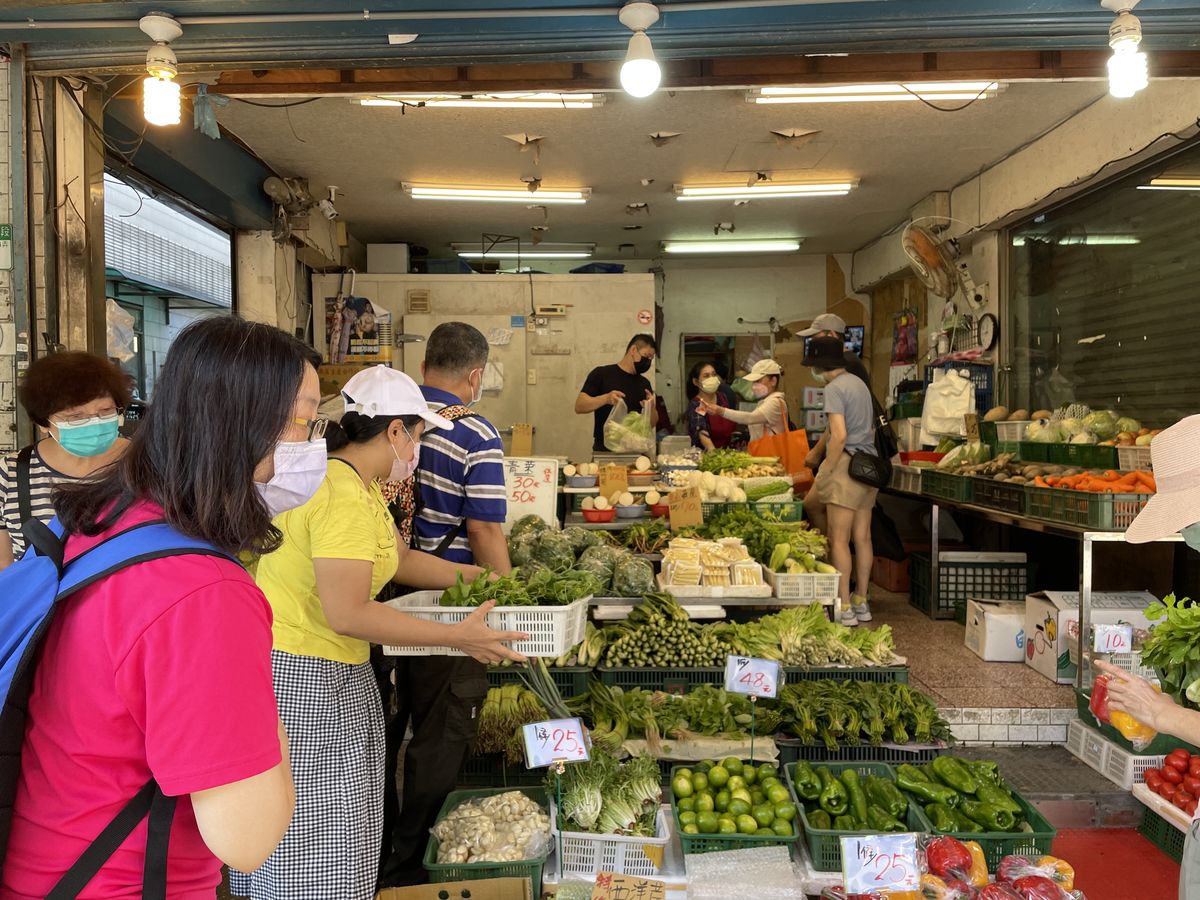
Wet markets and supermarkets sell rice, noodles, tofu and fresh vegetables — self-catering is a reliable fallback for strict diets.
Ordering strategies that work
A few ordering habits save you from uncomfortable meals. Order your safe dish first, before the table fills with shared plates, so the kitchen registers it. In hotpot restaurants, ask for a separate pot and your own serving chopsticks. At banquet-style meals, mention your restriction to the host — in China it is normal to accommodate a guest’s dietary needs and add a dedicated dish. And when a restaurant cannot help, do not push it; the written card gets a clearer answer than a language-barrier back-and-forth.
Payment note
Most of these places are small and operate on QR payment, so having Alipay or WeChat Pay set up with a foreign card makes ordering and paying smooth — you can also show the menu on a translation app and pay by scan in one go.
Before you go
- Print or save your key phrases and allergy card in Chinese.
- Load Dianping to find 素食 and 清真 places in your destinations.
- Pack safe snacks and any prescription medication with documentation.
- Learn the Chinese words for your specific allergens — they’re the words that matter.
Last updated: August 2026. Restaurant menus, kitchens and halal certification vary by establishment — confirm before you go.
Frequently Asked Questions
Is it easy to eat vegetarian in China?
Easier than many travelers expect, but you have to be specific. Chinese cuisine has a strong Buddhist vegetarian tradition (素菜), so dedicated vegetarian restaurants exist in most cities. The catch is that many 'vegetable' dishes are cooked with meat stock, lard, oyster sauce or shrimp paste — say 全素 (quán sù) for strict vegetarian or vegan and confirm there is no meat broth.
How do I find halal food in China?
Look for the 清真 (qīngzhēn) sign, which marks Muslim-friendly restaurants and food stalls. Lanzhou beef noodle shops, Xinjiang restaurants and the Muslim quarters of cities like Xi'an, Beijing and Shanghai are the most reliable places. Chains like Lanzhou Lamian (兰州拉面) are widely halal, but it's still worth confirming the dish has no pork.
Can I eat gluten-free in China?
It's challenging but possible. Soy sauce — the base of most Chinese sauces — is made with wheat, and flour appears in marinades, thickeners and fried coatings. Rice-based dishes like plain steamed rice, congee and some rice noodles are safer, but cross-contact in shared kitchens is common. Explain 麸质过敏 (gluten allergy) and 不要酱油 (no soy sauce) to get a better chance of a safe meal.
What should I do about a serious food allergy?
Carry a written card in Chinese that clearly states your allergy and its severity — for example 花生过敏 (peanut allergy) or 坚果过敏 (nut allergy) — and show it to the staff. For life-threatening allergies, print it in large text, confirm verbally, and carry your medication. Note that English is not widely understood in small restaurants, so the written card is essential.
Are there vegan restaurants in Chinese cities?
Yes, especially in Beijing, Shanghai, Chengdu and other big cities. Buddhist vegetarian restaurants (素菜馆) serve meat-free food, and a growing number of modern vegan cafes and restaurants cater to younger diners. Use the Dianping app (大众点评) to search '素食' and filter by reviews.