
How to Buy Tea in China: A Shopper's Guide (2026)
Where and how to buy good tea in China — understanding grades, tasting before you buy, what to pay, and avoiding tourist-trap pricing.
Buying tea in China is one of the great souvenir experiences — if you taste before you buy, skip the tourist shops, and know roughly what things should cost.
Tea is woven into daily life in China, and taking some home is a gift that keeps on giving. But buying tea as a tourist can be intimidating: the price range is enormous, the quality signals are invisible to newcomers, and tourist shops know exactly how to charge a premium. This guide covers how to find good tea, taste it properly, pay a fair price and bring it home — so you end up with something worth drinking.
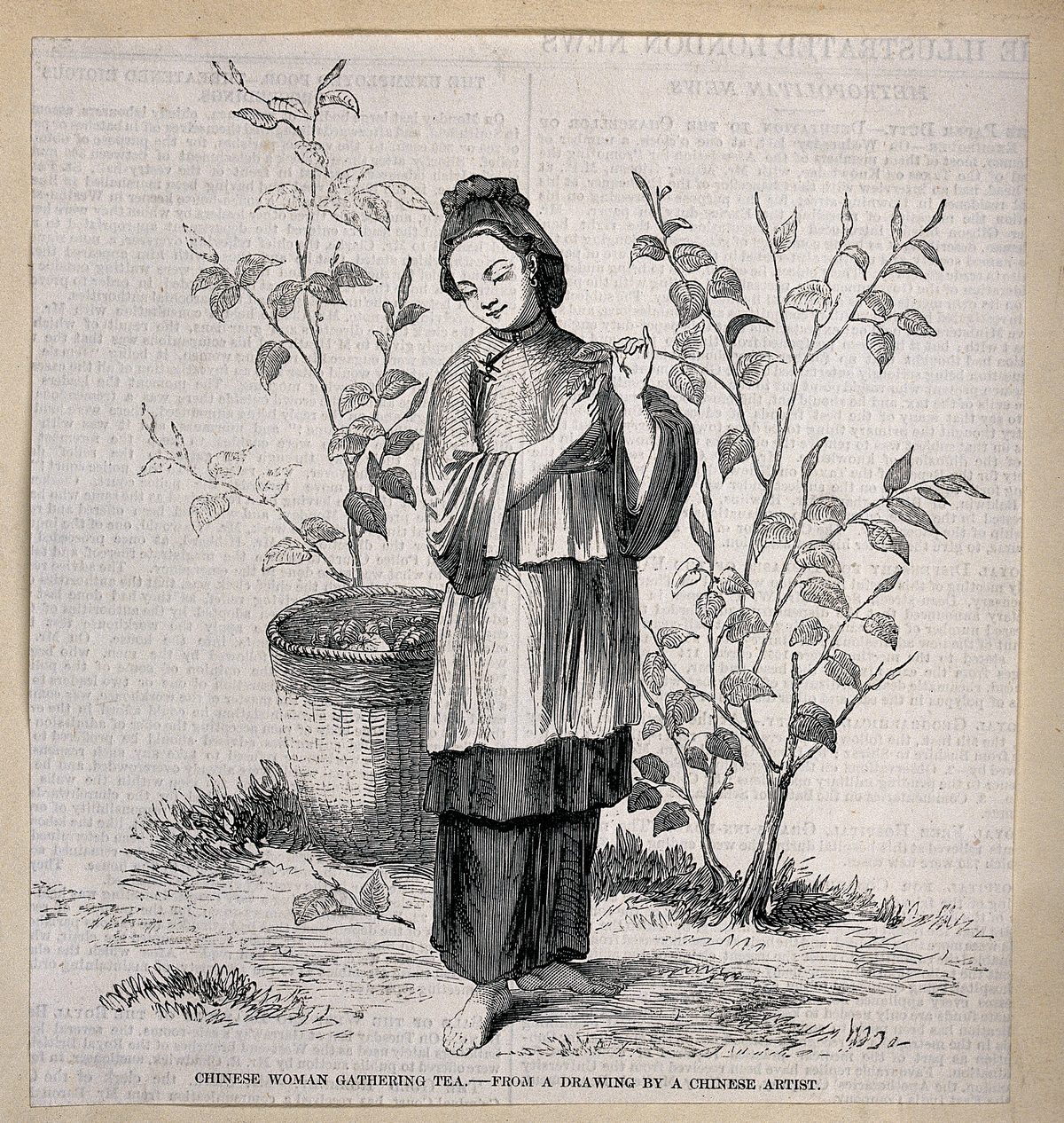
The character of Chinese tea starts in the field — whole leaves, picked at the right season, make all the difference.
Know your tea types first
China produces every major category of tea, and knowing the broad families helps you talk to a shopkeeper and choose what suits you:
- Green tea (绿茶) — the default, from Longjing to Biluochun; fresh, grassy, delicate.
- Oolong (乌龙) — partially oxidized, from Tieguanyin to Dahongpao; floral, toasty, complex.
- Black tea (红茶) — called ‘red tea’ in China, like Keemun; malty, warming.
- Pu-erh (普洱) — fermented and aged, from Yunnan; earthy, smooth, prized when old.
- White tea (白茶) — minimally processed; light, sweet, gentle.
Our Chinese tea culture guide walks through each type in depth. Knowing what you like before you shop makes the whole experience calmer.
The best regions for buying
The big producing regions are where you’ll find the widest selection and the most expertise:
- Hangzhou — the home of West Lake Longjing, China’s most famous green tea. Visiting the tea fields outside the city is a classic day trip; the Hangzhou guide covers where to go.
- Anhui — Keemun black tea, Huangshan Maofeng and Taiping Houkui green teas.
- Fujian — oolongs (Tieguanyin, Dahongpao) and white tea.
- Yunnan — pu-erh, plus a growing reputation for Dianhong black tea.
If your itinerary passes through any of these regions, that’s the place to shop. If not, every major city has a tea market that draws in produce from all of them. The tea tours in China guide has itinerary ideas built around the tea regions.
Where to shop (and where not to)
Go to a dedicated tea market or specialty tea shop. Most big cities have a wholesale tea street or market — Beijing’s Maliandao, Shanghai’s Tea City near Hongqiao, and equivalents in Chengdu, Hangzhou and Guangzhou. There, dozens of vendors compete, and the culture is that you taste before you buy.
Avoid tourist gift shops and souvenir stores. They carry average tea at premium prices, and you can’t usually taste it. Also be cautious about very cheap ‘famous’ teas at markets or roadside stalls — if a price for a renowned tea seems too good to be true, it’s likely a substitute or a blend.
The tasting ritual: taste before you buy
The single most important rule of buying tea in China is also the most pleasant: always taste before you buy. A good shopkeeper will brew a small sample of any tea you’re considering, often with a little gaiwan or teapot, and let you smell and sip.
When you taste, pay attention to:
- Appearance — whole, uniform leaves are a sign of quality; lots of broken bits are not.
- Aroma — clean and characteristic of the tea type; nothing musty or off.
- Taste — smooth and balanced; bitterness in a green tea, for example, usually means lower quality or over-brewing.
- The wet leaves — after brewing, good leaves unfurl and look alive.
If you like a tea, that’s the one to buy. Trust your taste over the labels, and don’t be shy about asking for a couple of comparisons — that’s the normal way to shop.
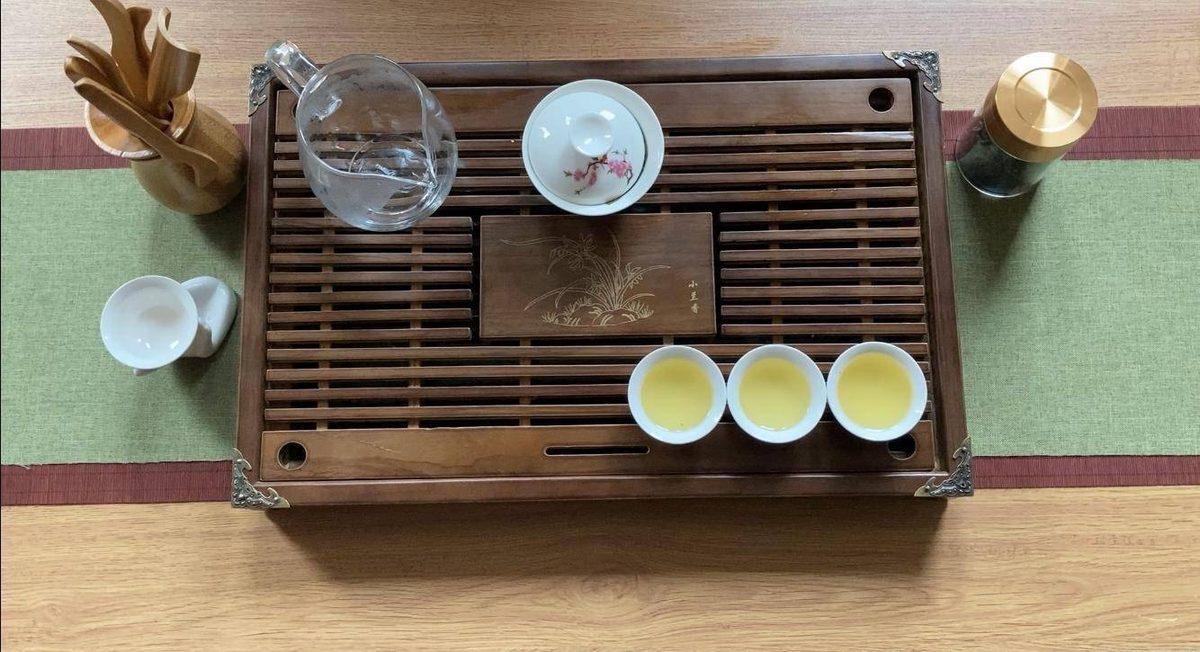
Tasting is the heart of buying tea in China — a good shop will brew samples until you find what you like.
Reading a tea label and asking the right questions
Tea shops sell by grade, season and origin, and a few questions will tell you a lot:
- Which season was this picked? Early-spring teas (明前, before Qingming) are prized, especially for green tea.
- Is it whole leaf? Hand-picked whole leaves cost more and taste cleaner than machine-harvested or broken-leaf tea.
- What region is it from? A named origin (like ‘West Lake Longjing’ vs just ‘Longjing’) matters hugely to price and character.
You can ask in English in tourist-friendly shops, or show the Chinese characters on your phone. Our Chinese tea culture guide covers the terminology that comes up.
What to pay: a rough sense of numbers
Prices vary wildly by tea, grade, region and shop, so treat these as orientation only (estimate, prices change):
- Everyday green tea — roughly ¥50–150 per 100g.
- Good Longjing — ¥150–400 per 100g and up, depending on grade and season.
- Quality oolong — ¥100–300 per 100g for good Tieguanyin or Dahongpao.
- Pu-erh — from a few dozen yuan for young, loose leaves to thousands for aged, pressed cakes.
If you’re unsure, a useful rule is: a reasonable tea gift costs about the same as a decent meal. Buy what you’ll enjoy drinking rather than chasing the most expensive option.
Grading and freshness: what to look for
Two factors matter more than brand names:
Grade. Whole leaves, picked by hand at the right time, are the top tier. Broken leaves, stems and dust are the cheap tier. A shopkeeper who’s proud of their tea will show you the dry leaves and let you see the difference.
Freshness. Green tea in particular is at its best within a few months of picking, then gradually loses fragrance. Ask when the tea was harvested — a shop that knows its stock will tell you. Store your purchase sealed, dry and away from strong smells once you’re home.
Bringing it home
Loose-leaf tea is a common and generally permitted souvenir. To bring it home:
- Keep it dry and sealed — many shops will vacuum-seal or tin it for you; ask.
- Pack it per your airline’s rules — tea can go in checked or carry-on luggage; just be aware that large quantities of powder-like substances attract extra security checks.
- Check customs limits — most countries allow reasonable amounts of dried tea for personal use; if unsure, declare it on arrival.
Brewing what you bought
You’ll get more pleasure out of your purchase if you brew it well. The basics:
- Green tea: water around 80°C, steep 1–2 minutes, multiple infusions.
- Oolong and pu-erh: hotter water (95°C+), short steeps, and many infusions — these teas are built for repeated brewing.
- Black tea: near-boiling water, 2–3 minutes, good with or without milk.
Ask the shop for specific advice on the tea you buy — most will happily tell you the best way to brew it, and it makes a better memory than a generic label.
The bottom line
Buy tea where locals do: a dedicated tea market or specialty shop. Taste before you buy, trust whole leaves over broken ones, ask about season and grade, and you’ll walk away with something genuinely good at a fair price. And the tea you buy will carry the memory of the trip with every pot you brew at home.
Last updated: August 2026. Tea prices and shop options change frequently — confirm before you go.
Frequently Asked Questions
Where is the best place to buy tea in China?
Dedicated tea markets and specialty tea shops are the best places. Every major city has a wholesale tea market (like the Tea City near Shanghai's Hongqiao or Beijing's Maliandao), where dozens of vendors compete and you can taste before buying. Avoid tourist gift shops and souvenir stores, which charge a heavy markup for average tea.
How do I know I'm getting good quality tea?
The single best signal is to taste before you buy. A good shop will happily brew a sample. Look for whole leaves that unfurl when brewed, a clean aroma, and a flavour that's neither bitter nor flat. Ask about the picking season and grade — early-spring teas and hand-picked whole leaves are higher quality than machine-harvested or broken-leaf tea.
How much should I pay for tea in China?
Prices vary enormously by type, region, grade and the shop itself (estimate, prices change). As rough orientation, decent everyday green tea might run ¥50–150 per 100g, good Longjing from ¥150–400, and premium or aged pu-erh can go much higher. If a price seems absurdly low for a famous tea, it's probably not the real thing.
Can I bring tea back from China?
Generally yes. Loose-leaf tea is a common souvenir and usually fine to bring home for personal use. Keep it dry, sealed, and in your checked or carry-on luggage according to your airline's rules. Check your home country's customs limits for agricultural products — dried tea is usually allowed, but declare it if you're unsure.
How should I store and brew the tea I buy?
Store tea airtight, away from light, heat and strong smells — many shops sell small vacuum-sealed tins or bags for this. Brew according to the type: green tea with water around 80°C for 1–2 minutes, oolong and pu-erh with hotter water and multiple short infusions. Ask the shop for brewing tips in Chinese or English.
What is the most famous tea to try or buy?
It depends on your taste. West Lake Longjing (green) from Hangzhou is the most famous Chinese green tea. Tieguanyin and Dahongpao are celebrated oolongs from Fujian. Pu-erh is the dark, aged tea of Yunnan. There's also white tea from Fujian and black tea like Keemun from Anhui. Trying several before buying is half the fun.