
Tea Tours in China: Longjing, Puer & Wuyi Routes (2026)
A tea tour of China — the famous tea regions (Longjing in Hangzhou, Puer in Yunnan, Wuyi in Fujian), how to visit tea fields and factories, tasting, and the practical plan.
A tea tour of China is a journey into the country’s most beloved drink — the Longjing terraces above Hangzhou, the ancient tea trees of Yunnan’s Puer, the rock oolongs of Wuyi. Here’s how to plan it.
Tea is China’s national drink, and its landscape is part of the country’s soul — terraced hillsides, centuries-old trees, and villages whose life revolves around the harvest. For travelers, a tea tour is a chance to see that world from the inside: the fields, the processing, the tasting, and the purchase of tea you’ll remember by name. This guide covers China’s great tea regions and how to visit them.
The three great tea regions
- Longjing (Dragon Well), Hangzhou — the famous green tea. Terraced fields above the city, easy to visit, the classic first tea experience. See our Hangzhou guide.
- Puer, Yunnan — the fermented dark tea and the world’s oldest cultivated tea trees. The richest, most authentic tea region, more remote and less touristy.
- Wuyi, Fujian — the rock oolongs from the mountains; dramatic scenery and serious tea culture.
Each has its character: Longjing for the easy, beautiful introduction; Puer for the depth and the ancient trees; Wuyi for the mountain oolongs.
The Longjing visit: the easiest route
- Reach — 30–40 minutes from central Hangzhou by bus, taxi or bike.
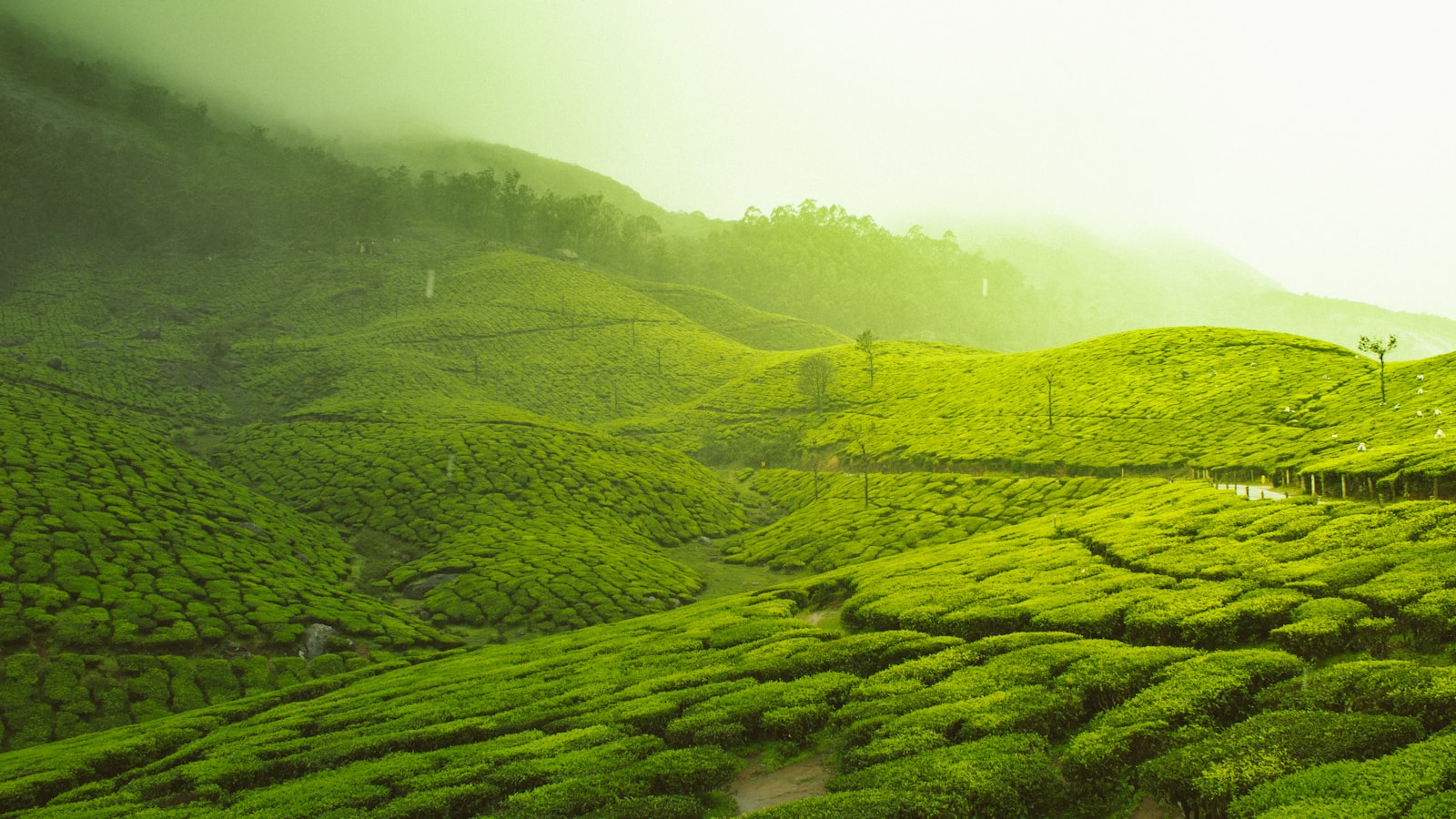
- The fields — terraced green hillsides, the classic Longjing image.
- The village — walk the lanes, watch the pan-firing, taste the new tea.
- Time — a half day, pairing naturally with West Lake and the city.
Longjing is the perfect first tea experience — accessible, beautiful, and deeply satisfying.
The Puer region: for the deeper journey
- Where — around Puer city and Xishuangbanna in southern Yunnan.
- The trees — the ancient cultivated tea trees, some centuries old.
- The culture — the home of Puer, the fermented dark tea prized by connoisseurs.
- The visit — more remote and less touristy; best with a guide or a farm stay.
Puer rewards the traveler who wants to go deeper — the tea mountains and the ancient trees are an authentic, unhurried world.
The Wuyi mountains: the oolongs
- Where — Fujian’s Wuyi mountains, a scenic region of rivers and peaks.
- The tea — the famous rock oolongs (Wuyi yancha), some of China’s most prized.
- The setting — dramatic cliff scenery around the tea gardens.
- The visit — the mountains, the gardens and the tasting houses.
Wuyi combines serious tea with serious scenery — a rewarding visit for tea lovers and hikers alike, and one of the few places in China where the tea gardens themselves are part of a famous landscape.
Timing the visit
- Spring (March–May) — the harvest season; the freshest tea, the liveliest villages, and the best chance to see processing.
- Autumn — a second harvest in some regions, quieter.
- Other seasons — the farms are calm but visitable; the scenery is good in the warm months.
For the full experience — the picking, the firing, the first tasting of the year — go in the spring.
What a tea visit is like
A tea farm visit follows a satisfying rhythm:
- Walk the fields — the terraces or the tea mountains, with the picking and the leaves all around.
- Watch the processing — the pan-firing, rolling and drying that turn fresh leaves into tea; the skill is fascinating to watch.
- Taste — the tasting table, where you try the different grades and harvests side by side.
- Ask about the region — the story of the soil, the harvest and the tradition behind the cup.
- Buy — take home a sealed pack of what you liked, bought from the source.
The best visits are unhurried — the tea people are generous with their time, and the tasting is the centerpiece, the moment the landscape you walked in the fields becomes the tea in your cup, with the story of the soil and the harvest in every sip.
What a tea tour costs
Rough guidance (per person, CNY, prices change): Longjing village — the walk and the tastings are essentially free, with purchases at the houses (a good Longjing runs ¥200–1,000 per 100g depending on grade); Puer region tours with guides and farm visits ¥400–800 a day; Wuyi visits similar; transport and accommodation depend on the region. The visits are cheap; the tea is where the budget goes, and it’s worth buying quality at the source — it’s the souvenir that keeps giving.
Combining tea with a trip
Each tea region fits a natural itinerary: Longjing is a half-day addition to a Hangzhou visit, pairing with West Lake and the city; Puer and Yunnan slot into the classic Yunnan route, a calm counterpoint to the mountains and towns; Wuyi works with a Fujian or southeastern trip. A tea visit is the perfect slow afternoon in the middle of a busy itinerary — the landscape, the tasting and the calm are a welcome pause.
Common mistakes to avoid
- Buying without tasting — the tea is the whole point; taste before you buy, and buy what you enjoyed.
- Overpaying for ‘famous’ names — genuine Longjing and rock tea cost real money, but the tourist-stall markup is often pure inflation; buy from farms and established shops.
- Skipping the processing — watching the pan-firing is half the experience; ask to see it.
- Rushing the visit — tea culture is unhurried; a rushed half-hour misses the point.
- Carrying tea poorly — unpackaged tea goes stale; buy sealed vacuum packs for the journey.
For first-time tea visitors
If you know little about Chinese tea, the tour is the perfect education: the Longjing village walk teaches the green-tea story in a morning; the tasting table shows how the same region’s leaves differ by grade and harvest; and the asking questions — about the soil, the picking and the tradition — turns a visit into a real understanding. You don’t need to know anything to start; the tea people are generous with beginners, and you’ll leave knowing more than most visitors ever learn. See our tea culture guide for the background before you go.
Practical notes
- Set up before you go — Alipay and an eSIM for transport and payment.
- Arrange farm visits — a tea house or local guide opens most doors; at Longjing the village is open to wander.
- Buy wisely — buy from farms or reputable shops, taste before buying, and ask about origin and harvest. See our tea culture guide for the background.
- Carry tea well — vacuum packs keep the tea fresh; buy sealed packs for the journey home.
The bottom line
A tea tour of China is a journey into the country’s most beloved drink — the Longjing terraces above Hangzhou, the ancient tea trees of Yunnan, the rock oolongs of Wuyi. Start with the easy, beautiful Longjing visit; go deeper with Puer or Wuyi if the passion takes you. Visit in the spring harvest for the freshest tea and the liveliest villages, buy from the farms and shops, and you’ll bring home more than a purchase — you’ll bring home the taste of a Chinese landscape, in a sealed pack you’ll open for years.
Last updated: August 2026. Access and farm-visit arrangements change — confirm current details before you go.
Frequently Asked Questions
Where are the best tea regions in China to visit?
The three great ones: **Longjing (Dragon Well)** around Hangzhou — the famous green tea, easiest to visit as a day trip from the city; **Puer** in Yunnan — the fermented dark tea and the ancient tea trees, the richest tea region; and **Wuyi** in Fujian — the famous rock oolongs from the mountains. Each offers tea fields, processing and tasting, and each is a destination in its own right.
Can I visit a tea farm as a tourist?
Yes — most tea regions welcome visitors. **Longjing village** near Hangzhou is set up for tourists: you can walk the terraced fields, watch the pan-firing, and taste (and buy) tea at the village houses. Yunnan's Puer region and Fujian's Wuyi are more rural but still visitable, often with farm stays and tastings. A little advance arrangement through a tea house or a local guide opens most farm doors.
When is the best time for a tea tour in China?
**Spring (March–May) is the harvest season** — the fresh Longjing picking, the liveliest time in the tea villages, and the best chance to see processing and taste new tea. Autumn is a second, smaller harvest in some regions. Outside the harvest, the farms are quieter but still visitable, and the scenery is good in the warm months. For the freshest tea and the most activity, go in the spring.
How do I visit the Longjing tea fields?
**Longjing is the easiest** — the famous fields are about 30–40 minutes from central [Hangzhou](https://chinotrips.com/hangzhou/), reachable by bus, taxi or bike. Walk the terraces, visit the tea village, watch the pan-firing, and taste the new season's tea. Allow a half day. It pairs naturally with a Hangzhou visit — the fields, West Lake and the city make a superb two or three days.
Is the Puer tea region worth the trip?
**For tea lovers, yes** — Yunnan is the home of Puer, the fermented dark tea, and the world's oldest cultivated tea trees. The region around Puer city and Xishuangbanna has the ancient trees, the tea mountains and a genuine tea culture. It's more remote and less touristy than Longjing — a deeper, more authentic tea experience, best with a guide or a farm stay. See our [Yunnan route](https://chinotrips.com/itineraries/yunnan-classic-route/) for the region.
How do I buy good tea in China without getting scammed?
**Buy from the farm or a reputable shop** — the village houses at Longjing and the established tea shops are the reliable sources. Be wary of ultra-cheap 'Longjing' and inflated prices at tourist spots; genuine quality costs more and comes with provenance. Taste before you buy, ask about the region and harvest, and remember that the best tea is often the modest-priced one the locals drink. See our [tea culture guide](https://chinotrips.com/culture/chinese-tea-culture/) for the background.
What does a tea tour cost?
Rough guidance (per person, CNY, prices change): **Longjing village visits** are essentially free to wander, with tastings and purchases at the houses; **a good Longjing tea** runs ¥200–1,000 per 100g depending on grade. **Puer tours** with guides and farm visits start around ¥400–800 a day. **Wuyi visits** are similar. The visits are cheap; the tea is where the budget goes — and it's worth spending on quality.