
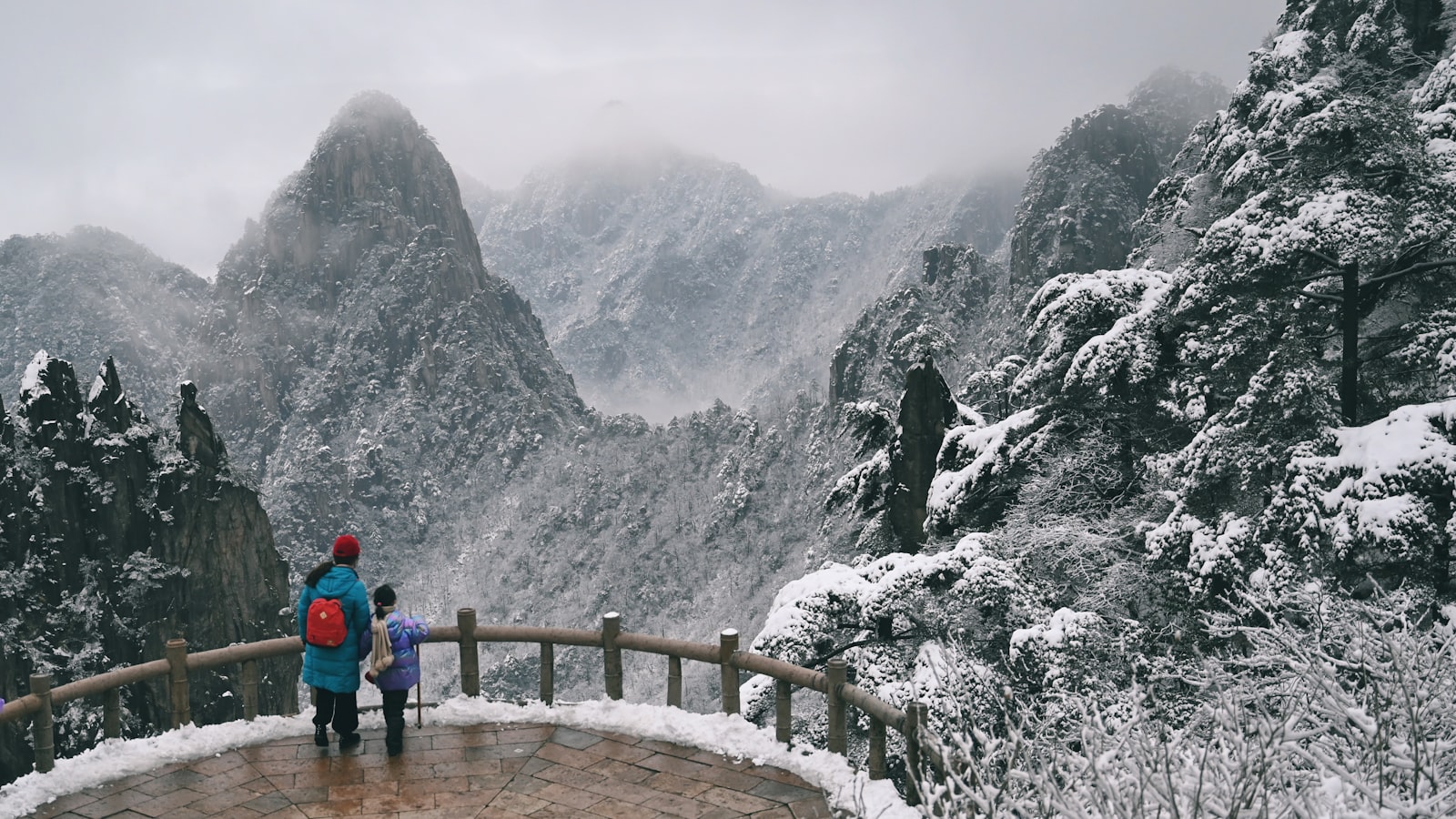
Winter Packing List for China: What to Bring
What to pack for a winter trip to China — layering system, cold-weather gear, electronics, health items and what to leave at home.
Winter in China spans the full range of cold — from Harbin’s brutal -20°C to the mild 15°C of Yunnan — so the packing rule is layers, not one big jacket. The essentials are a thermal base layer, a warm mid layer, an insulated outer jacket, and serious attention to your extremities. This guide gives you the complete checklist.
The essentials: the layer system
The single most useful way to think about winter packing for China is a three-layer system that you can adjust from city to city:
- Base layer — a thermal top and bottoms (merino wool or synthetic) that wicks moisture and sits against your skin.
- Mid layer — a fleece, wool sweater, or thin down vest for insulation.
- Outer layer — a down jacket or insulated parka for the north, plus a windproof shell or a waterproof layer if you expect snow or rain.
On top of that, the non-negotiables for genuinely cold days: a hat that covers your ears, thick gloves, a scarf, warm wool or thermal socks, and insulated boots. Your extremities lose heat fastest and are the difference between a good day out and a miserable one.
For a month-by-month breakdown of temperatures and what each month calls for, our seasonal packing guide is the companion piece to this one.
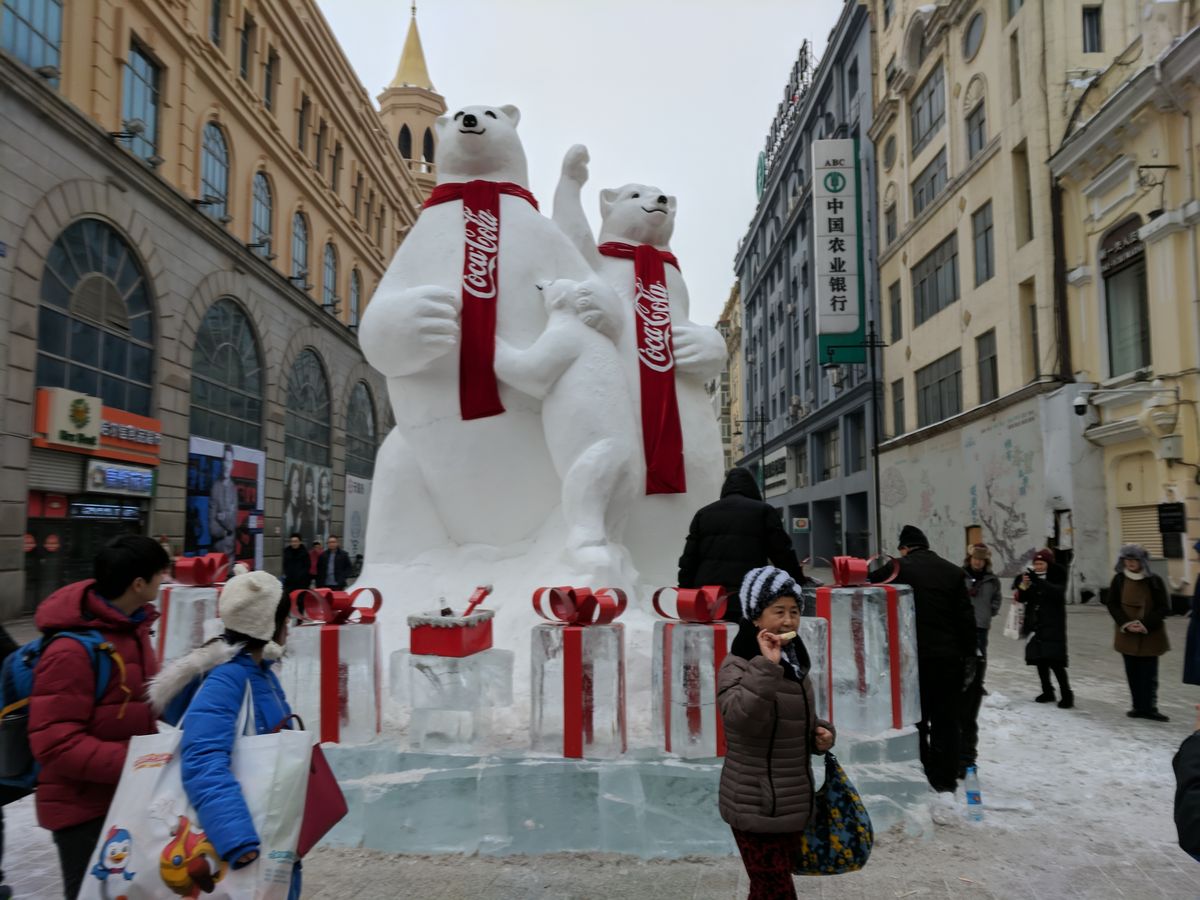
Harbin in winter drops far below freezing — ear-covering hats, thick gloves and insulated boots are essential for the Ice Festival.
What to know: the indoor-outdoor gap
One of the surprises of a Chinese winter is how warm the indoors are. Metro trains, shopping malls, railway stations and hotels are heated aggressively — often to 20°C or more — while the outdoors is freezing. The practical consequences:
- Dress in removable layers, not one Arctic jacket you cannot take off. Inside a metro or mall, shedding to a thermal plus mid layer is comfortable.
- The transition is the problem. You will spend a lot of time stepping from a -10°C street into a 22°C train. A thin base layer under a big coat makes the transitions painless.
- Cold feet indoors — most shops and stations have hard floors that stay cold; warm socks matter more than you expect.
Practical tips: the full checklist
Clothing
- Thermal base layer (top + bottom)
- Fleece or wool mid layer
- Down or insulated jacket for the north
- Windproof/waterproof shell for snow or rain
- 2–3 pairs of warm socks (wool or thermal)
- Insulated, non-slip boots — ice on pavements is common in Beijing, Xi’an and Harbin
- Hat that covers the ears, thick gloves, scarf
- Thin indoor layer — a cardigan or hoodie for heated spaces
- Comfortable walking shoes for milder southern cities
Electronics and power
- Phone, charger, and a power bank (under 100Wh, in carry-on — see our main packing list for the rules)
- Type A/I plug adapter (China runs 220V; most modern chargers handle it)
- eSIM or offline data set up before you fly — our eSIM guide shows how
- Cold weather drains batteries — keep the phone in an inner pocket
Health and comfort
- Hand cream, lip balm and moisturizer — winter air is dry, and heating makes it drier
- Any regular medication plus cold-weather basics (see our medication guide)
- A reusable water bottle — bottled water refills are everywhere; staying hydrated helps in dry cold
- Sunglasses — winter sun on snow is genuinely bright in the north
Documents and money
- Passport (hotels register every guest with it)
- Alipay or WeChat Pay set up with a foreign card — most winter purchases, from hot drinks to tickets, are QR payments
- A small amount of cash (¥200–500) as backup
Packing by region
China’s winter is not one weather pattern, and packing for the whole country means covering a wide range. A quick regional guide:
- The northeast (Harbin, Changchun, Shenyang) — the coldest corner. Temperatures routinely drop below -20°C, so your full kit applies: thermal base, down jacket, insulated boots, thick gloves, ear-covering hat and scarf. The Harbin Ice Festival is the draw, and the extreme cold is part of the experience.
- The north (Beijing, Xi’an, Shandong) — genuinely cold, usually between -10°C and 5°C. The full layer system with a down or insulated jacket, plus warm boots and gloves, covers it. Indoor heating is excellent.
- The Yangtze and central region (Shanghai, Hangzhou, Wuhan) — damp and chilly rather than frozen, often hovering around 0–8°C. Damp cold feels colder than dry cold, so a warm mid layer and a water-resistant outer layer matter more than extreme Arctic gear.
- The south (Guangdong, Fujian, Yunnan, Hainan) — mild, with daytime highs of 10–20°C, though evenings and rain can feel cool. A light jacket over a sweater is usually enough; Hainan can even reach t-shirt weather. Keep the thermal base layer for the odd cold day.
If your itinerary spans regions — say Harbin then Hong Kong — the layer system is exactly why it works: you carry one kit and adjust it per city.
What you can buy in China (so you don’t have to pack it)
Winter gear is one of the cheapest things to buy in China, and many travelers deliberately pack light and shop on arrival:
- Down jackets, thermal layers and boots are sold in markets and malls in every city — a solid winter jacket runs roughly ¥150–400 and thermal sets ¥50–150 (estimates, prices change). Quality varies, but for a single trip the price is unbeatable.
- Gloves, hats and scarves are everywhere and cost very little.
- Hand cream, lip balm and moisturizer — available in every pharmacy and convenience store.
- Adapters and chargers — sold in electronics markets and many convenience stores, often cheaper than at home.
What you should still bring from home: your passport and documents, prescription medications (brands differ locally), your phone and charger, and anything specific to your size or needs. Everything else is negotiable.
The carry-on strategy
Winter clothes are bulky, which makes the carry-on question harder. A few principles keep it manageable:
- Pack for the coldest stop, not every stop. You will not wear the Harbin-level kit in Yunnan; you can, however, wear the same base and mid layers everywhere.
- Wear your heaviest items on the plane. A down jacket worn as your coat, plus boots, frees a huge amount of bag space — and keeps you warm on the transfer.
- Use compression packing cubes for the bulky layers. They genuinely help with down and fleece.
- Keep the non-negotiables in your personal item: passport, phone, power bank, medications and a change of base layers, in case checked luggage goes astray. On internal flights, a carry-on also sidesteps budget carriers’ checked-bag fees.
Common mistakes to avoid
- One giant jacket, nothing else. You will overheat indoors and still freeze outdoors. The layer system solves both.
- Forgetting your extremities. A huge coat but thin gloves and non-insulated shoes is the classic mistake — hands and feet are where the cold bites first.
- Ignoring ice. Pavements, station stairs and old-town lanes freeze over. Non-slip soles are not optional in Beijing, Xi’an or Harbin in January.
- Underestimating phone battery drain. Cold kills batteries fast; keep the phone warm and carry the power bank.
- Skipping indoor layers. A heated metro at 22°C under a full winter kit is uncomfortable — make sure you can shed layers.
- Not checking the local forecast for your exact cities. China’s winter is not uniform; check the temperature range for each stop rather than packing for Harbin temperatures everywhere. Our Beijing city guide and Harbin Ice Festival guide include seasonal notes.
Where winter packing fits in your China trip
Winter is a genuinely good season to visit China: crowds are thin outside the Spring Festival window, flights and hotels are cheaper, and the north has a stark, atmospheric beauty — snow on the Forbidden City, the Harbin Ice Festival, hotpot in a Beijing hutong. The packing above is the whole difference between enjoying it and fighting it.

Winter in the north has a stark, quiet beauty — snow on the Forbidden City is one of the season’s best reasons to visit, and the right layers make it enjoyable rather than punishing.
One warning on timing: the Spring Festival travel rush shifts every year and sits somewhere between late January and mid-February — if your winter trip overlaps it, read the crowd-avoidance guide before you lock in dates, because trains and hotels fill fast.
A rough budget for winter gear: if you are buying in China, down jackets, thermal layers and boots are available cheaply in markets and malls in every city — many travelers pack light and buy a jacket on arrival (¥150–400 for a solid winter jacket — estimate, prices change). If you are bringing it from home, prioritize the layer system and good boots over any single expensive item.
Last updated: August 2026. Temperatures, forecasts and Spring Festival dates change year to year — check the forecast for each city on your route and current festival dates before you go.
Frequently Asked Questions
How cold does China get in winter?
Very cold in the north and inland — Beijing, Xi'an and Harbin routinely drop below freezing, and Harbin can hit -20°C to -30°C. The south (Guangdong, Yunnan, Hainan) is milder, with daytime highs of 10–20°C, but even Guangzhou gets chilly in the evenings. A proper layer system covers both ends. Our seasonal packing guide breaks down each month.
What is the best way to stay warm in China's winter?
Layer: a thermal base layer, a fleece or wool mid layer, and a down or insulated jacket, topped with a windproof shell for outdoor time. Cover your extremities — hat, gloves, scarf and insulated shoes matter more than any single thick jacket. Indoors are often heated, so make sure you can shed the outer layers easily.
Do I need special gear for Harbin and the Ice Festival?
For Harbin in winter, yes — pack your warmest layers and be ready for temperatures well below freezing. Insulated, non-slip boots are essential (ice on pavements is common), plus a warm hat that covers your ears, thick gloves and a scarf. The Harbin Ice and Snow Festival runs from late December to late February.
What electronics should I bring for winter in China?
Your phone, a power bank (under 100Wh, in carry-on), a Type A/I plug adapter, and chargers. Cold weather drains phone batteries fast, so keep the phone in an inner pocket and carry the power bank. An eSIM set up before you fly gives you data for maps, payment and translation from arrival.
Is one winter jacket enough for all of China?
Not by itself. A single jacket that handles Harbin will be too warm for Yunnan or Hainan, and one suited to the south will not work in the north. The answer is layers: a down or insulated jacket for the north, plus removable thermal and mid layers so the same kit works in milder southern cities.