
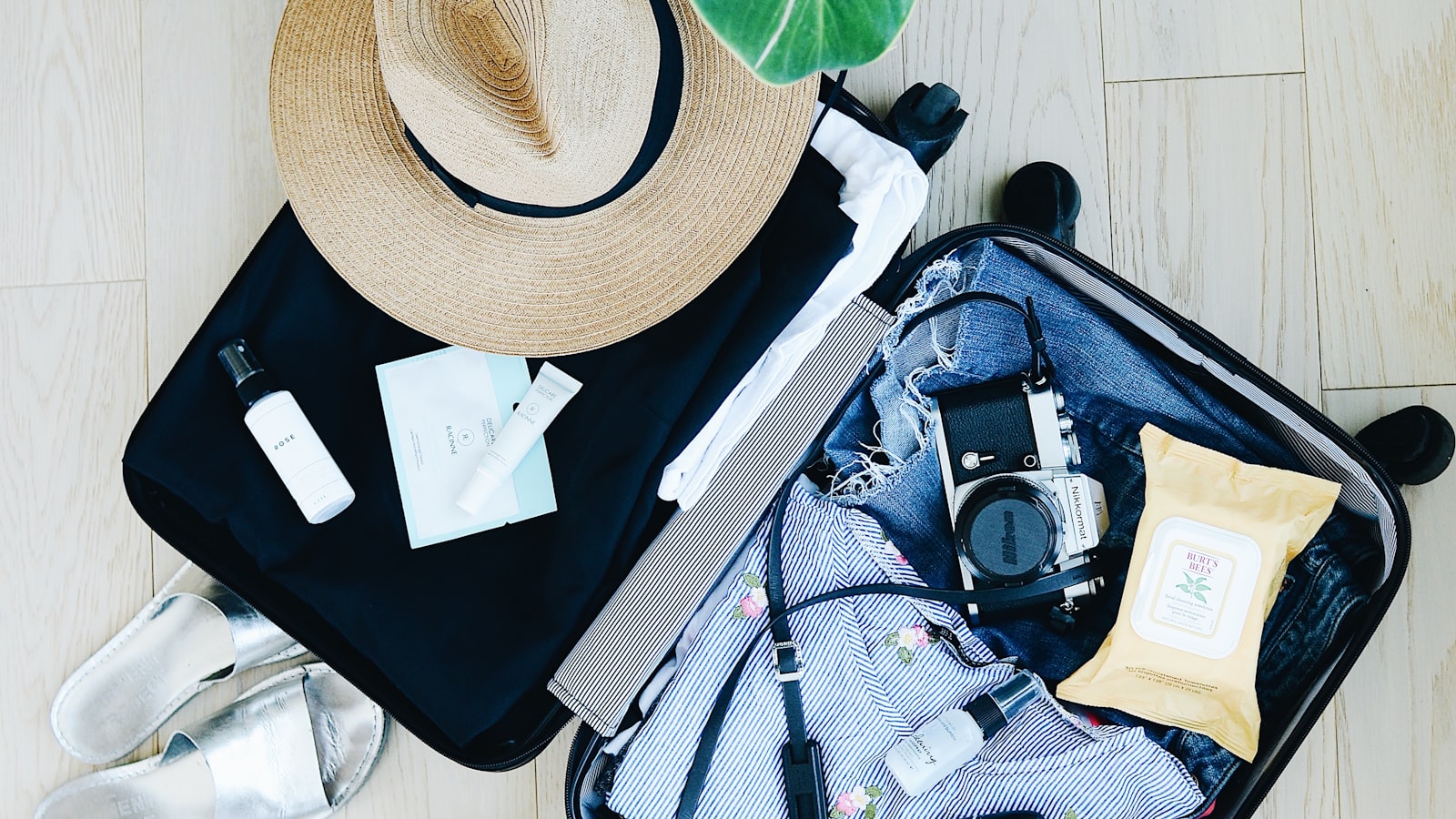
What to Pack for China: The Complete Checklist (2026)
A practical packing list for China — passport and visa pages, plug adapter, power bank, toiletries, medications, cash, and the apps to install.
Pack light, but pack the right things — China is easy to travel in if you’ve got your passport, power, and apps sorted.
The modern China trip is mostly a phone-based trip: pay by QR code, hail cars by app, translate menus with a camera. The checklist below covers the few physical things you genuinely need, plus the digital setup that matters more than any gadget.
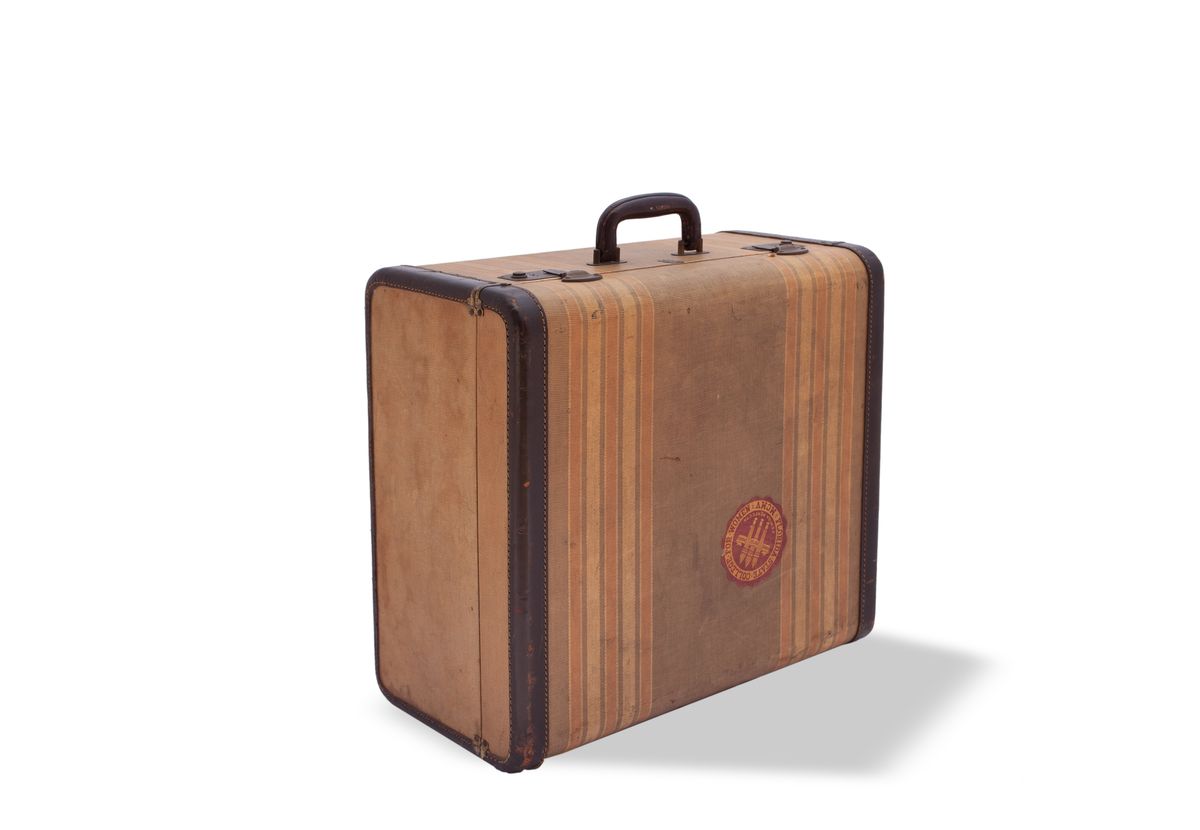
China travel is carry-on travel — you move cities every few days, so a rolling carry-on and a day bag beat a heavy checked suitcase.
Documents — the non-negotiables
- Passport with at least six months validity, and check whether you need a visa or qualify for visa-free entry.
- A printed copy of your visa page (if you have a visa) or the visa-free rules — a printout helps at check-in desks and if anyone asks.
- A digital copy in your email or cloud in case the physical passport is lost.
- Your hotel booking confirmations and train e-tickets — you can show these on your phone.
- A not-photo copy of your ID: for hotel registration and rail gates you need the actual passport, not a picture.
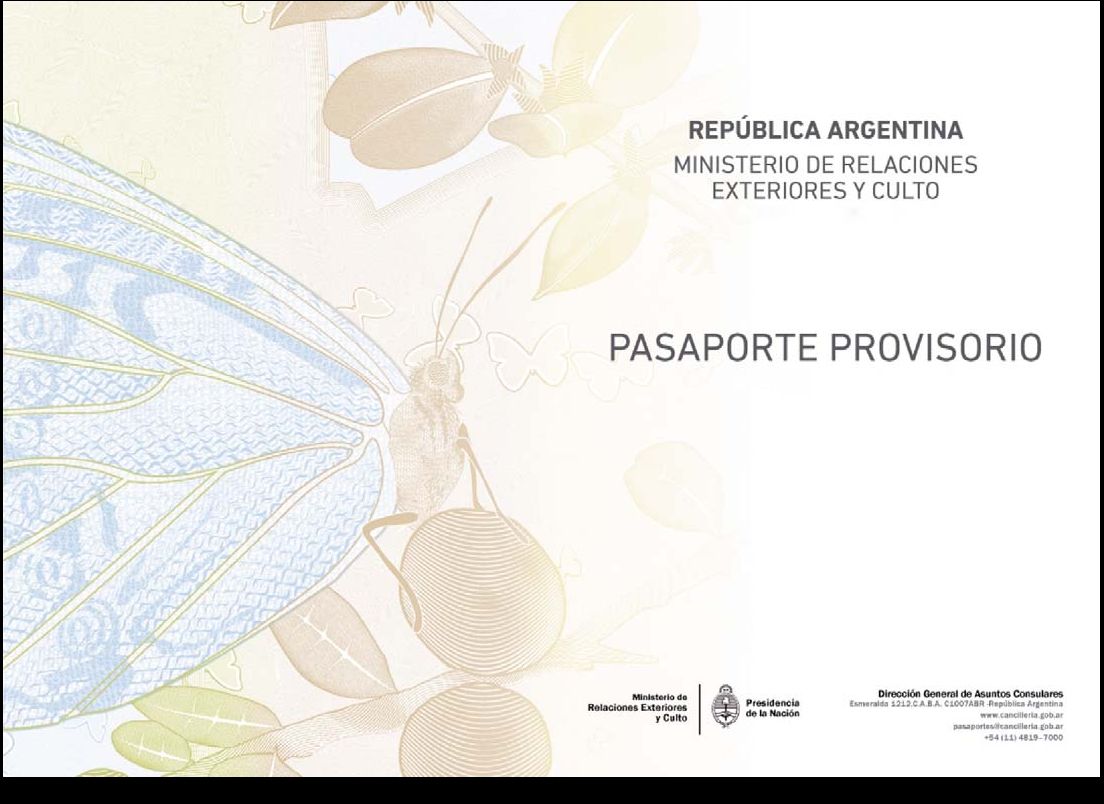
Your passport is the one non-negotiable — hotels register every guest with it and rail gates scan it, so a photo on your phone is not enough.
Power and electronics
- Plug adapter: China uses Type A and Type I sockets at 220V. One universal adapter is usually enough.
- Power bank: essentials — but it must go in carry-on, and most airlines cap it at 100Wh (about 27,000mAh). Larger banks are prohibited.
- Charging cables and a power strip if you carry multiple devices; hotel outlets can be scarce.
- A phone with eSIM support or a spare handset — see our eSIM guide for staying online cheaply.
- Offline maps and translator language packs downloaded before you fly.
Money and payment
- A small amount of cash — ¥200 to ¥500 in small notes — for markets, small shops, and as a fallback if a network hiccups. Merchants are required to accept cash.
- Alipay and WeChat Pay already set up with a foreign card — see our paying in China guide and Alipay setup.
- Your international credit/debit card for hotels and ATM withdrawals.
- A money belt or secure pocket for the passport and card — pickpocketing is rare but not unheard of in crowds.
Toiletries and comfort
- Standard toiletries; hotels usually provide basics, but smaller guesthouses may not.
- Hand sanitizer and tissues — some public restrooms lack soap or paper.
- Sunscreen, sunglasses, and a hat, especially in summer; many cities get very hot.
- A light layer for air-conditioned trains and metros — they’re kept cold.
- Comfortable walking shoes — you’ll walk far more than you expect.
- An umbrella or light rain jacket; summer brings sudden downpours in many regions.
Medications and health
- Personal-use medications in original packaging, with a prescription or doctor’s letter in English. Controlled substances are restricted — confirm with the embassy.
- A basic first-aid kit: plasters, pain relievers, antiseptic, and anything you use at home.
- Motion-sickness tablets if you’re prone — long coach and mountain-road journeys happen.
- Don’t rely on finding your exact brands locally; Chinese pharmacy ranges differ.
- Tap water is not generally drinkable — carry a reusable bottle and drink boiled or bottled water.
What to leave at home
- Meat and fresh fruit — customs restricts them on entry.
- Anything illegal in China, including drugs and some vapes/products; penalties are severe.
- Drone batteries over a threshold and drones themselves, unless you’ve checked China’s drone rules — registration is required.
- Large amounts of cash — declare anything over about USD 5,000 equivalent.
Packing by season
China spans several climates, and the right clothes depend entirely on when and where you go:
- Spring (March–May): mild but changeable, with rain. Pack layers, a light jacket and a compact umbrella. The north warms slowly; the south is already t-shirt weather.
- Summer (June–August): hot and humid across most of the country — light, breathable clothing, a hat, sunscreen and a light rain layer for the sudden downpours. Add a thin long-sleeve layer for air-conditioned metros, trains and malls, which are aggressively cool.
- Autumn (September–November): the sweet spot — clear days and cool evenings. Layers again: a light sweater over a shirt, with a jacket for the north.
- Winter (December–February): genuinely cold in the north and inland — down jacket, thermal layers, hat, gloves and warm socks for Beijing, Xi’an and Harbin. The south (Guangdong, Yunnan, Sanya) is milder, but even Guangzhou can get chilly. The one constant: comfortable, warm-enough shoes.
Packing by destination type
- Cities (Beijing, Shanghai, Xi’an): comfortable walking shoes above all, a day bag, and one outfit that’s a step nicer for a good restaurant or a show.
- Mountains (Huangshan, Zhangjiajie, Mount Emei, the Great Wall): grippy shoes with real tread, a windproof/waterproof shell, and layers — summits are cooler and windier than the base. A small backpack beats a shoulder bag on trails.
- Desert and northwest (Dunhuang, the Silk Road): a scarf for the sand wind, sunglasses, moisturizer and lip balm, and a water bottle you can refill.
- Beaches (Sanya, Hainan): swimwear, sandals, rash-vest or cover-up, and high-SPF sunscreen. Note that good sunscreen is easy to buy locally, so you can save the bag space.
- High altitude (Tibet, Jiuzhaigou, Yunnan’s high towns): strong sunscreen, lip balm, warm layers (nights are cold even in summer), and sun protection you actually use — the sun is the biggest hazard at altitude.
The carry-on strategy
Almost everything below fits in a carry-on plus a day bag, and on a trip where you move cities every few nights, that is the difference between an easy trip and a daily wrestle with luggage. The non-negotiables that must stay with you:
- Passport and the printed visa/visa-free page.
- Phone, charger and power bank (under 100Wh) — and the adapter.
- Prescription medications with their packaging and letter.
- A change of clothes in case checked luggage is delayed.
- Anything irreplaceable — there is no “lost in China” recovery you want to test.
On internal flights, checked-bag policies vary by carrier and budget airlines charge for bags; a carry-on sized for the overhead bin (usually about 40×30×20cm for the strictest budget carriers — confirm) sidesteps the whole issue. If you do check a bag, put a tag with your hotel’s name in Chinese on it — it helps far more than English.
The carry-on strategy keeps the passport, charger, power bank and medications with you — and on internal flights, a carry-on sidesteps budget carriers’ checked-bag fees.
Common packing mistakes to avoid
- Overpacking clothes. You’ll move every few days, laundries are cheap, and half of what you bring you won’t wear. Lay out your bag, then remove a third of the clothes.
- Forgetting the adapter. China uses Type A and Type I sockets at 220V; most phones and laptops handle the voltage, but you still need the plug shape.
- Not downloading offline content. Maps and translator packs saved before you fly work even where connectivity is patchy — and you’ll be grateful on the first metro ride.
- Packing banned food. Meat, fresh fruit and some seeds are restricted at customs; check current rules rather than risking a fine at the border.
- Assuming hotels supply everything. Mid-range and up usually do, but budget guesthouses may not — a basic toiletries kit is cheap insurance.
- Ignoring the power-bank rule. Airlines cap most at 100Wh (about 27,000mAh) and it must be in carry-on; a larger bank will be confiscated at security.
What you can buy in China (so you don’t have to pack it)
China is a shopper’s country, and a surprising amount of what you might pack can be bought cheaply on arrival, freeing your bag for the things that genuinely matter:
- Toiletries, sunscreen and basic first-aid — pharmacies (药店) and convenience stores are everywhere, and brands you know are easy to find in cities.
- Adapters and chargers — sold in every electronics market and many convenience stores, often cheaper than at home.
- Umbrellas — ubiquitous and cheap; no need to carry one across the Pacific.
- A reusable water bottle — buy once, refill with bottled water; the plastic bottle habit is the easy one to avoid.
- Clothes — if you forget layers or the weather surprises you, markets and malls in every city sell light jackets and warm wear at prices below most home countries.
What you should still bring from home: your passport and documents, prescription medications (brands differ locally), your phone and charger, and anything irreplaceable or hard to find in your size. Everything else is negotiable.
The digital checklist (do this before you fly)
- Install Alipay, WeChat, Didi, a maps app, and a translator.
- Bind a foreign card to Alipay and WeChat Pay and verify your passport.
- Register Didi and add payment.
- Download offline translation and offline maps.
- Set up your eSIM and, if you need Western services, a VPN (see our VPN guide).
- Download any train tickets into a wallet or app — our train guide shows how.
If you’ve got the passport, the power, and the apps, everything else is negotiable. Visit Beijing or Shanghai with a day bag and you’ll be set.
Last updated: August 2026. Customs and airline rules change — confirm power-bank limits with your airline and customs rules with your embassy before you go.
Frequently Asked Questions
What documents do I need to pack for China?
Your passport above all, plus a printed copy of the visa page or visa-free entry rules in case you're asked. Carry the passport itself — a photo is not accepted for hotel check-in or entry. Keep a digital copy in your email too.
Do I need a power adapter for China?
China uses Type A and Type I sockets at 220V, so most travelers need an adapter. Modern electronics handle 100–240V automatically — check your charger's label — but bring an adapter and a power strip if you carry several devices.
Can I bring my prescription medications into China?
Yes, in reasonable personal-use quantities, ideally in original packaging with the prescription or a doctor's letter. Some controlled substances are restricted or prohibited — check with the Chinese embassy before you travel, and never carry anyone else's medication.
How much cash should I bring to China?
A small amount — ¥200 to ¥500 in small notes — is enough as a backup for markets and tips. Everything else is covered by Alipay or WeChat Pay once you bind a foreign card. See our guide to paying in China for details.
What should I definitely not pack?
Avoid bringing meat and fresh fruit (customs restricts them), illegal drugs of any kind, and anything that looks like it's for resale. Keep valuables minimal and pack your chargers and power bank in carry-on, since power banks over 100Wh are not allowed in checked luggage.