
Beijing During Chinese New Year: What to Do in 2027
How to spend Chinese New Year in Beijing — temple fairs, fireworks, what's open, the festive sights, and how to plan the city's biggest holiday.
OpenStreetMap Google Maps (opens externally)
Beijing at Chinese New Year is festive, cold and memorable — temple fairs, fireworks and the Forbidden City dressed for the biggest holiday of the year. Here’s how to do it.
Of all Chinese cities, Beijing might be the best for a foreigner’s Chinese New Year: world-class sights that stay open, famous temple fairs, and a festive spirit you can feel in every hutong. The challenges are real — the cold, some closed restaurants, and crowds at the big sights — but they’re all manageable with planning.
The festive atmosphere
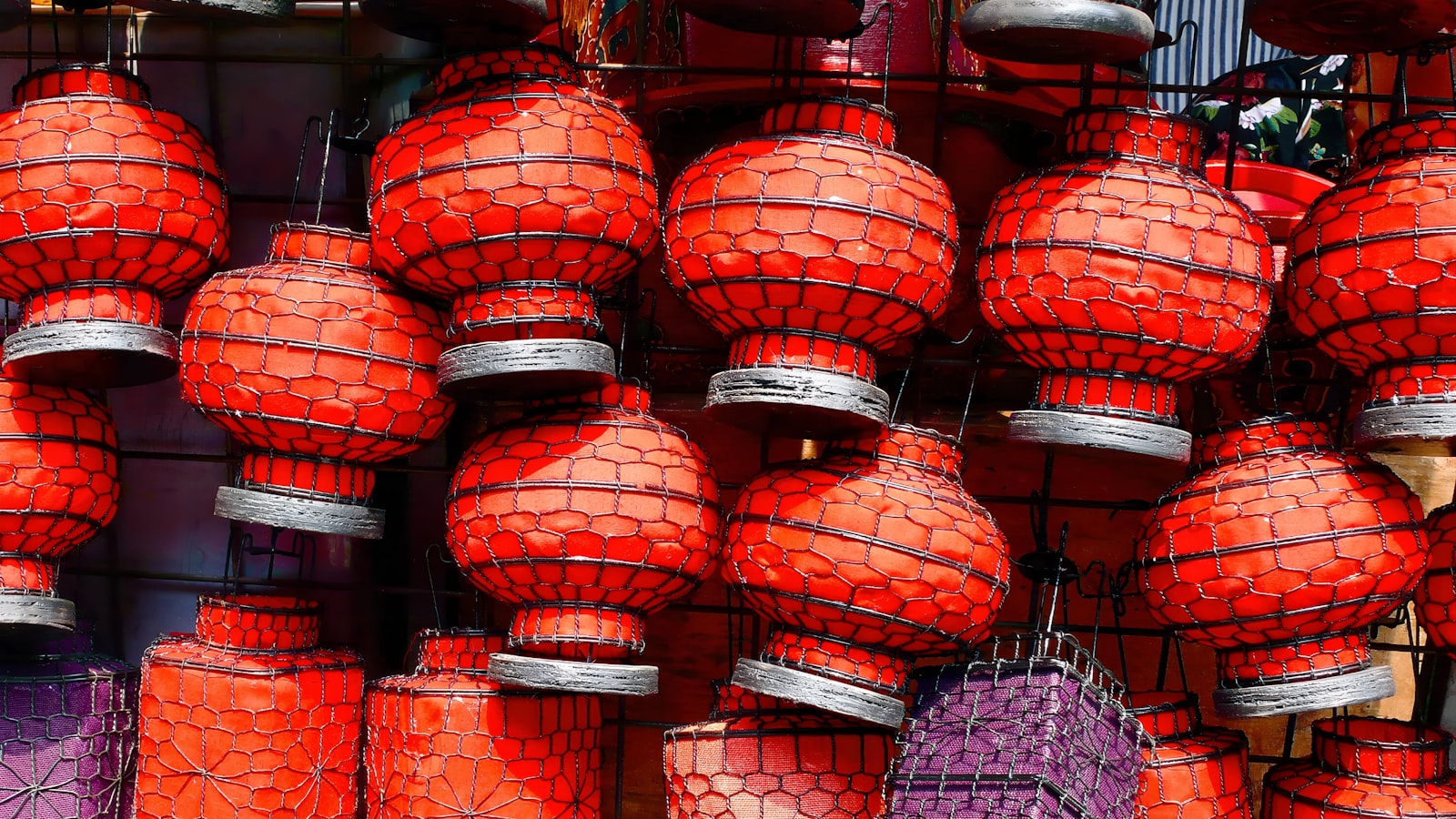
From about a week before New Year’s Eve, Beijing transforms: red lanterns along the streets, couplets on doors, festive lights on the main avenues, and decorations everywhere. The city feels genuinely dressed for the occasion, and even a casual walk through the hutongs or along the riverside is part of the experience.
Temple fairs: the must-do
The temple fair (Miaohui) is the heart of Beijing’s New Year. Traditional markets set up in temple grounds and parks, with:
- Street food — candied hawthorn, sugar paintings, traditional snacks.
- Folk performances — acrobatics, opera, lion and dragon dances.
- Crafts and games — traditional toys, calligraphy, lantern riddles.
The big ones in Beijing include the Ditan (Temple of the Earth) Fair, Longtan Park Fair, and the Hundred Flowers temple fairs. They’re lively, crowded and wonderfully local — the closest thing to a traditional Chinese New Year celebration you’ll find.
What stays open
- The Forbidden City — open, but book timed entry online well ahead; it’s busy.
- Temple of Heaven — open; the park’s fair and morning crowds are festive.
- Summer Palace — open; a pleasant, less frantic festive option.
- The Great Wall (Mutianyu) — open for a day trip; winter can mean snow and few crowds.
- Museums — mostly open with festive programs.
What to plan around
- Restaurants: many family-run places close for the reunion dinner, especially New Year’s Eve. Book ahead or use hotel dining that night. International chains and tourist restaurants stay open.
- The cold: Beijing in this season is freezing — often well below zero. Dress in layers, cover ears and hands.
- Crowds: the famous sights are busy; go at opening time or book timed slots.
Food to try
- Jiaozi (dumplings) — the essential northern New Year dish.
- Nian gao — sticky rice cake, symbolic of rising fortune.
- Hotpot — a warming, festive choice for the cold.
- Temple fair snacks — candied hawthorn, roasted chestnuts, sugar paintings.
A practical Beijing plan
- Book early: hotels, Forbidden City tickets and New Year’s Eve dinner.
- Set up Alipay and an eSIM before you arrive.
- Dress warm: layers, hat, gloves — the cold is the biggest practical factor.
- Use our Beijing guide for the full sightseeing picture, and the train guide for getting around.
The hutongs during the festival
Beijing’s hutongs take on a special character at Chinese New Year: red couplets on doors, paper-cuttings in the windows, and a quieter, more intimate feel as the city empties out. Walking the old alleys during the festival is one of the most atmospheric things you can do — less traffic, more lanterns, and a sense of the city’s traditional core coming alive for its biggest holiday. It’s a gentler counterpoint to the crowded big sights.
Getting around during the holiday
The metro and buses run on a reduced holiday schedule but still work well. Taxis and Didi are available, though sometimes with fewer drivers. The main change is that roads and metro are quieter than usual — locals are off work or traveling home — which makes getting around surprisingly pleasant. Allow extra time for any sights that are busy, but expect the city’s transport to feel easier than on a normal workday.
If you have more days
With extra time in Beijing at the festival: add a temple fair crawl (each park has its own character), a hutong walking tour for the festive atmosphere, the 798 art district for a modern counterpoint, or a Great Wall overnight at Jinshanling for a winter sunrise. The city’s museums and cultural venues often have special festival programs worth checking.
Money and apps
- Set up Alipay — most festive spending is cashless.
- An eSIM keeps you online for maps and bookings.
- Carry a little cash for small temple-fair stalls that may not take cards.
- Book Forbidden City tickets online well ahead — they’re the tightest.
The one thing to plan first
Book your hotel, New Year’s Eve dinner and Forbidden City tickets before anything else. These are the three bottlenecks of a Beijing festival trip. Once they’re set, the rest of the city is remarkably easy to enjoy — festive, cold and full of life.
The sights, timed well
During CNY, the big Beijing sights are open but crowded. The strategy: book timed entry online (Forbidden City especially), go at opening time, and accept the crowd at the icons while saving quieter alternatives for mid-day. The Temple of Heaven park and the hutongs offer festive atmosphere with less crush, and the Summer Palace is a pleasant, larger alternative when the center gets packed.
The New Year’s Eve plan
The big night deserves a plan: book a restaurant for the reunion dinner (hotel restaurants and open tourist spots are reliable), find a fireworks viewpoint (check current rules — central Beijing restricts them, suburbs and designated areas don’t), and be settled rather than traveling. After midnight, the city is quiet and festive; a late walk through the lantern-lit streets is a lovely end to the evening.
A day-trip alternative
If the city center feels crowded, the Great Wall at Mutianyu is a classic CNY escape — quieter than the central sights, often with snow in the colder weeks, and a genuinely atmospheric way to spend a day. See our Beijing guide for day-trip details and the Great Wall guide for which section suits you.
Practical logistics
- Metro: runs on a reduced holiday schedule but covers the city well; it’s quieter than a normal day.
- Taxis/Didi: available, sometimes fewer drivers; allow extra wait.
- Payment: Alipay works everywhere; carry a little cash for temple-fair stalls.
- Data: an eSIM keeps you online for bookings and maps.
The takeaway
Beijing at CNY is a study in contrasts — crowded sights and quiet streets, grand fireworks and intimate hutong moments, closed shops and warm family restaurants. Plan the three bottlenecks (hotel, dinner, Forbidden City), dress for the cold, and the city delivers one of the most memorable New Year’s experiences in the world. Plan the bottlenecks, embrace the contrasts, and Beijing at CNY is unforgettable. The temple fairs, the hutongs, the firework-lit night — together they make a festival trip that no other city quite matches. And with a warm coat and a booked plan, you’ll love every minute of it. Beijing’s New Year is waiting — book, dress warm, and enjoy. Have a wonderful New Year!
Dates as of August 2026. Fireworks rules and festival programs change yearly — confirm for your travel year.
What to do in Beijing at CNY
In Beijing over Chinese New Year, the temple fairs are the highlight — Ditan and Longtan fill with traditional snacks, crafts and folk performances. The city itself empties of migrant workers, so traffic and the metro are calmer than usual, making the major sights unusually pleasant to visit.
Frequently Asked Questions
Is Beijing a good place to spend Chinese New Year?
Yes — it's one of the best. Beijing puts on a strong festive display: temple fairs in the parks, fireworks on New Year's Eve, lanterns and red decorations across the city, and most major sights stay open. The main things to plan around are closed family restaurants and the cold.
What is a temple fair (Miaohui) and where do I find one?
A temple fair is a traditional New Year market in a temple or park — food stalls, folk performances, games, crafts and crowds in festive spirit. Beijing's are famous; the Ditan (Temple of the Earth) and Longtan Park fairs are among the big ones. They're lively, local and free or cheap.
Do the main sights stay open during the holiday?
Mostly yes — the Forbidden City, Temple of Heaven, Summer Palace and museums stay open, often with festive programs and extended hours around New Year's. Book timed entry online ahead, especially for the Forbidden City, and expect them busy.
What should I eat in Beijing during the festival?
Try the New Year foods: jiaozi (dumplings) — a northern essential — plus nian gao (sticky rice cake) and hotpot. Many restaurants close on New Year's Eve for family dinners, so book ahead or plan for hotel dining that night. The temple fairs are great for street snacks.
Where should I watch the fireworks?
Beijing restricts fireworks in the central city, but the suburbs and some designated areas put on displays, and the temple fairs add atmosphere. Check the current rules for your travel year — many locals gather on the outskirts or watch smaller community displays. Don't expect a huge central-city show.
More in beijing
Beijing Travel Guide (2026): What to See & How Many Days — beijing travel guide