
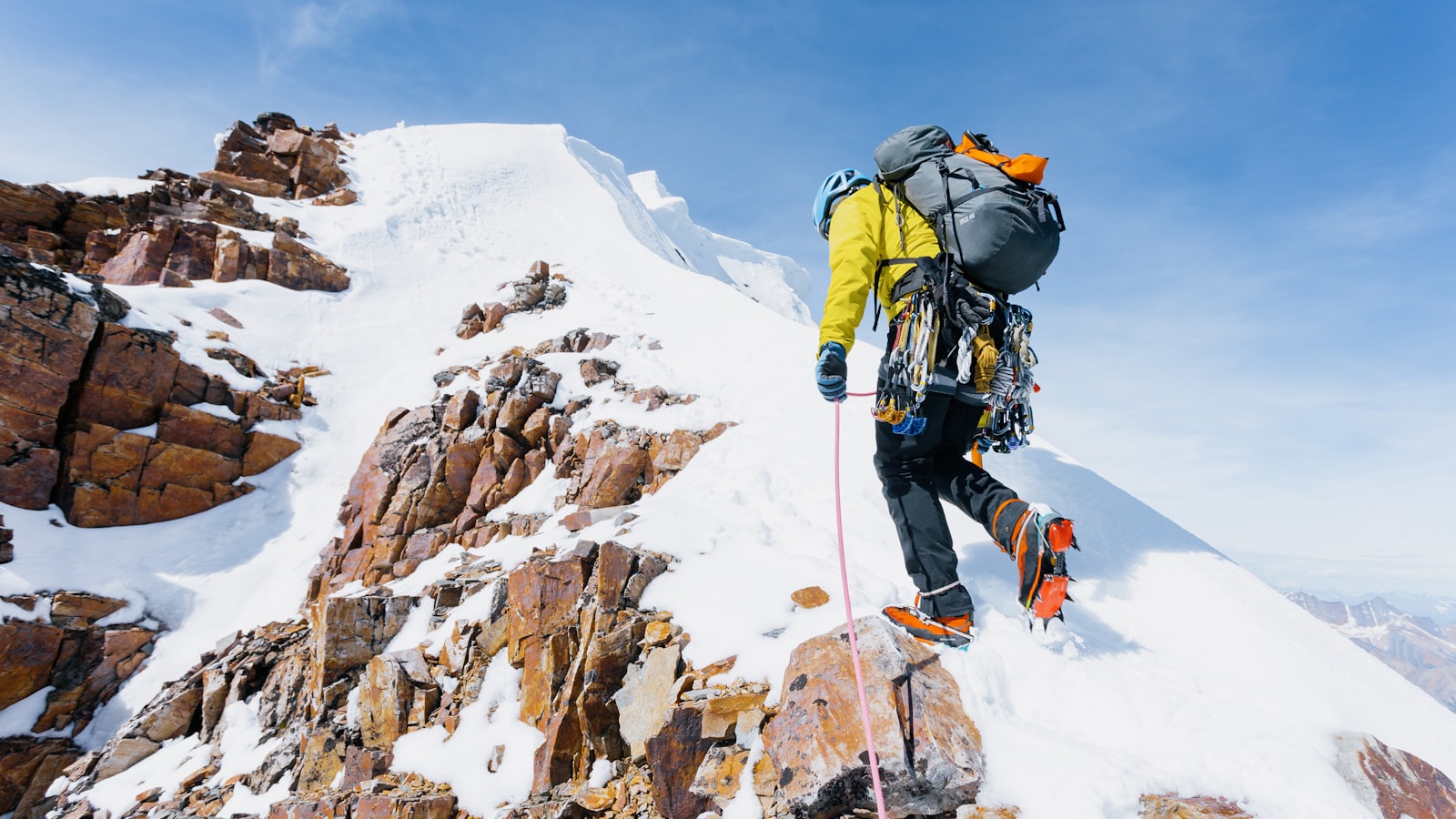
High-Altitude Hiking in China: Gear & Preparation (2026)
Preparing for high-altitude hiking in China — the essential gear, altitude awareness, the best treks (Tibet, the Silk Road, Yunnan), and how to plan a mountain trek safely.
High-altitude trekking is China’s biggest outdoor adventure — the mountains of Tibet, Yunnan and Xinjiang. Here’s what it really takes: the essential gear, the altitude rules that keep you safe, and the best treks to start with.
China’s high mountains are among the world’s great trekking destinations. From the Everest approaches of Tibet to the alpine valleys of Yunnan and the forests of Xinjiang, these are treks where the scenery is huge and the altitude is real. High-altitude hiking is different from any other walk — the thin air changes everything, and preparation decides whether the trip is glorious or miserable. This guide covers the gear, the altitude rules and the best places to start.
The gear that matters
At altitude, the essentials are simple but non-negotiable:
- Layers — the temperature swings are extreme: warm sun by day, below freezing at night. Base, mid and shell layers, plus a warm jacket.
- Sun protection — the high-altitude UV is brutal. Hat, sunscreen, sunglasses — always.
- Water and hydration — the single most important factor for altitude comfort. Carry more than you think you need.
- Trekking footwear — broken-in, ankle-supporting boots with good grip.
- A warm sleep setup — for multi-day treks: a rated sleeping bag and insulation from the ground.
- Extras — first-aid kit, high-energy snacks, power bank, and a headlamp.
Rent or buy gear in the trek base towns (such as Lhasa, Dali or Shangri-La). Hauling it from home is rarely worth the weight.
The altitude rules
Above about 2,500 m, the thin air affects everyone — the skill is managing it:
- Climb slowly — gain no more than 300–500 m of sleeping altitude per day.
- Hydrate heavily — thirst is the wrong signal at altitude; drink before you’re thirsty.
- Sleep low when you can — ‘climb high, sleep low’ is the acclimatization mantra.
- Listen to your body — headaches and breathlessness are normal at first; nausea, confusion or a racing pulse are not.
- Never push through AMS — acute mountain sickness only gets worse; the treatment is descending.
Acclimatization, not fitness, is the key skill. The fittest person who climbs too fast gets altitude sickness; the careful one who climbs slowly doesn’t.
The best high-altitude treks
- Mount Everest Base Camp (Tibet) — the classic, dramatic, on an organized tour with a permit.
- Kailash (western Tibet) — the sacred circumambulation, one of the world’s great pilgrimage treks.
- Yubeng & Meili Snow Mountain (Yunnan) — the beginner’s alpine classic, guesthouse to guesthouse.
- Kanas (Xinjiang) — mountain forests and lakes at altitude, less traveled.
Each is a multi-day trek needing planning, and each delivers the big-mountain experience China is famous for.
Permits and rules
- Tibet requires a permit, and most foreign visitors must join an organized tour — independent trekking in much of Tibet is not permitted.
- Yunnan’s Meili region is open to independent hikers without special permits.
- Xinjiang’s border areas have restrictions; research before planning.
Always check the current rules for your specific trek. The Tibet situation in particular is fixed and non-negotiable.
The health basics
Altitude trekking is a physical and medical decision as much as a gear one:
- Know your baseline — anyone with heart, lung or blood-pressure conditions should consult a doctor before a trek above 3,000 m.
- Acclimatization is not optional — plan a rest day at altitude before the trek proper, and climb slowly once on the trail.
- Watch for AMS signs — headache, nausea, dizziness, poor sleep. If symptoms get worse or include confusion, descend immediately; the only cure is losing altitude.
- Carry a basic kit — first-aid basics, any personal medication, and high-energy food.
The high-altitude rules are simple and non-negotiable: climb slowly, hydrate, sleep low, and never push through symptoms.
Buying gear in China
Most travelers buy or rent trekking gear at the base towns rather than hauling it from home:
- Trek bases — Lhasa, Dali, Shangri-La and the resort towns all have gear shops stocking the essentials at fair prices.
- What to rent — sleeping bags, trekking poles, jackets and daypacks are commonly rented.
- What to bring — your own broken-in footwear, any prescription items, and gear you’re particular about.
- Language — English is limited in small shops; bring a list or use a translation app.
Buying locally keeps your luggage light and supports the trek economies. Check the gear’s condition before you rent, and negotiate prices politely.
Common mistakes to avoid
- Climbing too fast — the single most common altitude mistake; gain sleeping altitude slowly.
- Skipping the rest day — an acclimatization day at altitude before the trek is not wasted time; it’s the difference between enjoying and suffering.
- Underpacking sun protection — the high-altitude UV is relentless; hat, sunscreen and sunglasses always.
- Overpacking gear — you carry every gram; rent locally and keep the pack light.
- Ignoring the weather window — mountain weather turns fast; have a flexible plan and a spare day.
- Relying on phone coverage — the trail has little or none; download maps, tell people your plan, and carry a power bank.
Budget expectations
Rough guidance (per person, CNY, prices change): Tibet organized treks (with permit, tour and logistics) start around ¥300–600 per day; independent Yunnan treks (Yubeng) run ¥200–400 per day including guesthouses and meals; gear rental ¥30–100 per item per day; porters or guides ¥200–400 per day. The high mountains are remote, which is part of the cost — transport to the trek bases is the biggest single line. Budget accordingly, and book organized Tibet treks well ahead.
Planning the trek
- Season — May–October, with September–October often the sweetest. Winter is severe at altitude.
- Start easy — a beginner’s trek like Yubeng builds confidence and fitness for bigger ones.
- Build in acclimatization days — a day or two at altitude before the trek starts pays for itself.
- Hire local help — porters and guides at the trek bases are affordable and make the trip far better.
- Get connected — Alipay and an eSIM for logistics and payment; note that connectivity is limited on the trail.
The high-altitude treks pair naturally with the regions around them — see our Tibet deep route and Yunnan classic route for context.
Putting it together: a first high-altitude plan
A realistic first foray into China’s high mountains: fly to Shangri-La or Dali (Yunnan), spend a day or two acclimatizing at moderate altitude, then take the Yubeng trek — a few days at 3,000 m with guesthouses and clear trails. That builds the altitude experience safely, and it pairs naturally with the classic Yunnan route. From there, the bigger goals — Everest Base Camp, Kailash, the Xinjiang mountains — become achievable with the same gear and habits. One successful trek teaches the altitude discipline that every bigger one needs.
The bottom line
High-altitude hiking is China’s biggest outdoor adventure — the Everest approaches, the sacred peaks and the alpine valleys of the west. It needs real gear and real respect for altitude: climb slowly, hydrate, sleep low, and never push through symptoms. Start with a beginner trek like Yubeng, build up to Tibet’s classics, and the high mountains of China will reward you with the biggest landscapes of your travels.
Last updated: August 2026. Permit rules, trail conditions and access change — confirm current details before you go.
Frequently Asked Questions
What is high-altitude hiking in China?
Treks above roughly 3,000 m — the classic regions are **Tibet**, the **Himalayan border areas**, **western Yunnan** and the **mountains of Xinjiang**. These are China's big-mountain treks: dramatic, remote and genuinely affected by altitude, which is the defining challenge. They're different from the easy walks of Jiuzhaigou — real trekking territory that needs preparation.
What gear do I need for high-altitude hiking in China?
The essentials: **layered clothing** (the temperature swings are extreme), **sun protection** (strong high-altitude UV), **plenty of water and hydration**, **proper trekking footwear**, and a **warm sleeping setup** for multi-day treks. A first-aid kit, high-energy snacks and a power bank round it out. Rent or buy gear in the trek base towns — bringing bulky gear from home is rarely worth it.
How does altitude affect me on a trek?
Above about 2,500 m, the thin air affects everyone — symptoms like headaches, breathlessness and poor sleep are common and normal at first. **Acclimatization is the cure**: climb slowly, gain no more than 300–500 m per day at altitude, hydrate heavily, and sleep at a lower point where the route allows. Severe altitude sickness (AMS) needs descending — never push through it.
What are the best high-altitude treks in China?
The standouts: **Mount Everest Base Camp (Tibet)** — the classic, on an organized tour with a permit; **Kailash** in western Tibet, the sacred circumambulation; **Yubeng and Meili Snow Mountain** in Yunnan, a superb alpine trek; and the **Kanas region** of Xinjiang, where the mountains meet the forests. All need a few days and proper planning.
Do I need a permit for high-altitude trekking in China?
**Tibet requires a permit**, and most foreign visitors must travel with an organized tour — independent trekking in much of Tibet is not permitted. Other high regions (Yunnan's Meili, Xinjiang's Kanas) are open to independent hikers without special permits, though entry to some border areas is restricted. Research your specific trek's rules before planning; the Tibet case especially is not negotiable.
When is the best season for high-altitude trekking in China?
**May–October** is the general trekking season, with **September–October** often the sweetest — clear skies and stable weather. June–August bring rain and cloud but also lush scenery. Winter (November–April) is severe at altitude — extreme cold, snow and closed passes — and is best avoided for trekking except for experienced winter mountaineers.
Can beginners do high-altitude trekking in China?
Yes, with the right choice of trek and preparation. **Yubeng in Yunnan** is the classic beginner's high-altitude trek — a few days, well-marked routes and guesthouse accommodation, at around 3,000 m. The Everest Base Camp trek is more demanding but achievable with fitness and acclimatization. Start with Yunnan, go slowly, and respect the altitude.