
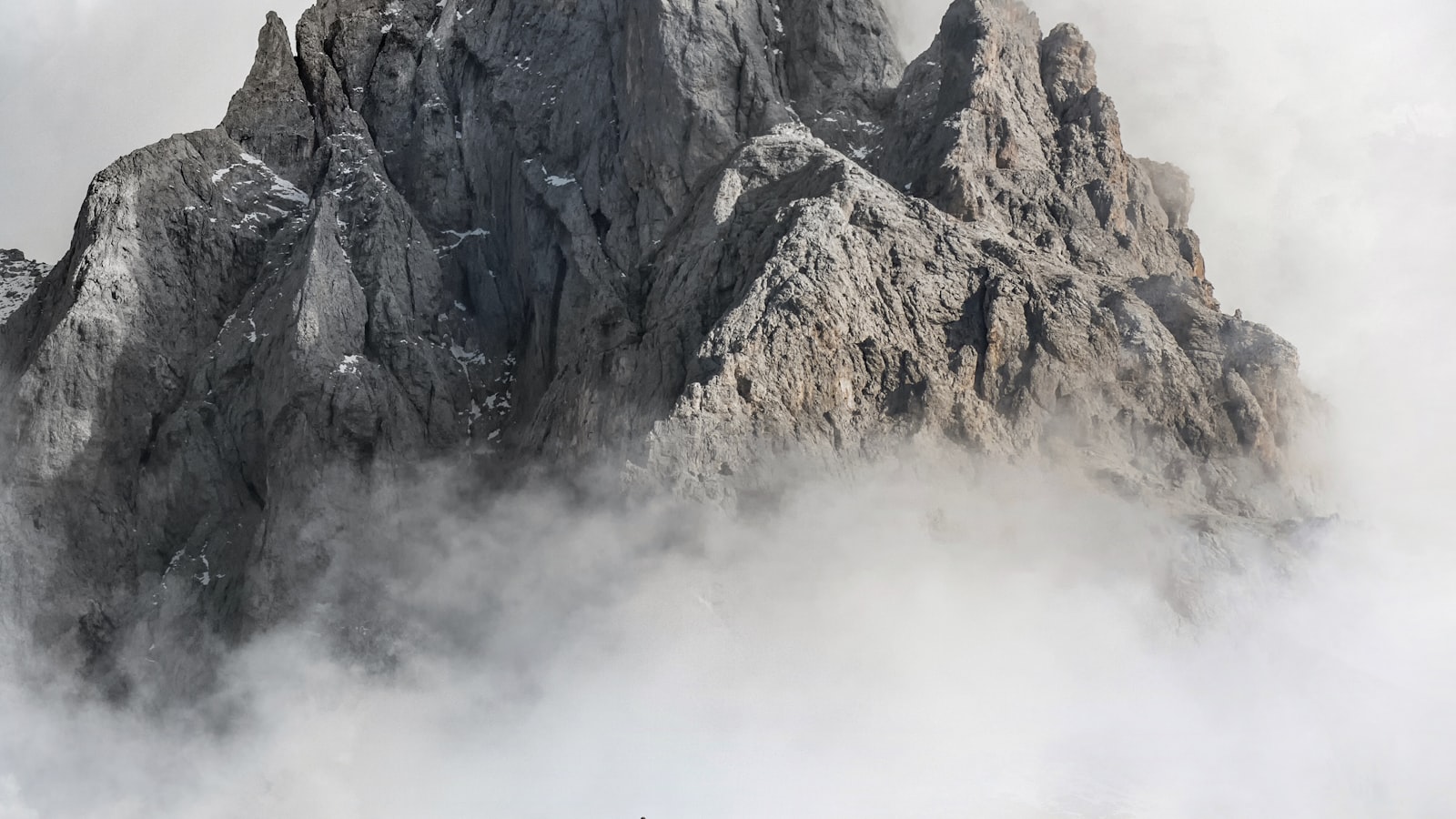
Hiking Mount Emei & Huangshan: Two Famous Mountain Climbs (2026)
Mount Emei and Huangshan compared for hikers — the Buddhist mountain's pilgrimage path vs the granite peak's stairways, difficulty, seasons, and how to plan each climb.
Mount Emei and Huangshan are China’s two great hiking mountains — a Buddhist pilgrimage through misty temples, and a granite labyrinth of iconic stairways and pines. Here’s how they compare, and how to climb each.
China’s famous mountains divide into two characters. Mount Emei in Sichuan is the sacred one — a Buddhist pilgrimage mountain of temples, forests and monkeys, rising to the Golden Summit at 3,099 m. Huangshan in Anhui is the aesthetic one — the granite peaks and wind-shaped pines that inspired generations of Chinese painting. Both are spectacular hikes; both reward planning. This guide compares them and covers how to climb each.
Mount Emei: the pilgrimage mountain
- The summit — Golden Summit at 3,099 m, with the giant golden Buddha statue and the Ten Directions Pratyekabuddha statue.
- The experience — temples, prayer flags, forests, monkeys, and the famous ‘cloud sea’ that rolls below the summit.
- The full climb — a base-to-summit trail of 40–60 km, traditionally done over 2–3 days, past monasteries that still take pilgrims overnight.
- The partial climb — bus and cable car to a midpoint, then hiking the final stretch to the summit.
Emei’s character is spiritual and atmospheric — mist, incense and ancient stone steps. It rewards the hiker with the most storied summit in Chinese Buddhism.
Huangshan: the painted peaks
- The scene — granite peaks rising from a sea of clouds, with the famous twisted pines clinging to the rock.
- The walking — a network of stone stairways connecting the peaks: Bright Summit, Lion Peak, the West Sea Canyon and more.
- The signature moment — sunrise from the summit, with the peaks appearing out of the cloud sea below.
- The catch — it’s a stair marathon: the walking is short in distance but relentlessly up and down.
Huangshan’s character is visual and surreal — you hike through a landscape that looks like a classical Chinese scroll. See our Huangshan guide for the summit details.
Comparing them for hikers
| Mount Emei | Huangshan | |
|---|---|---|
| Character | Sacred, atmospheric, temples | Scenic, surreal, granite |
| Height | 3,099 m | 1,864 m |
| The hike | Long pilgrimage trail | Stairways between peaks |
| Full climb | 2–3 days | 1–2 days |
| Signature view | Cloud sea & golden summit | Sunrise over the peaks |
| Cable cars | Yes, multiple | Yes, both sides |
Choose Emei for the pilgrimage experience and a bigger physical challenge; choose Huangshan for the visual payoff and a more compact hike.
Planning Mount Emei
- Base — start from Emeishan town or Baoguo Temple; reachable from Chengdu.
- The full hike — 2–3 days, sleeping at monasteries along the trail; book ahead.
- The summit day — take the bus and cable car partway, then hike the last stretch; or just cable-car up for the Golden Summit view.
- Monkeys — they steal food and bags; keep them away from your belongings.
- Season — spring and autumn; winter is cold with snow on the summit.
A full Emei climb is a serious undertaking — plan it as its own trip, not an add-on.
Planning Huangshan
- Base — reachable from Shanghai, Hangzhou or Tunxi; see our Huangshan guide.
- The two-day plan — cable car up, walk the peaks, stay overnight on the summit, catch sunrise, cable car down.
- Book the summit hotel early — mountain accommodation is limited and fills fast.
- The West Sea Canyon — the modern loop, spectacular and worth the stairs.
- Season — spring and autumn are clearest; winter is dramatic but icy on the stairs.
Two days is the right amount; one day is a rushed but possible version with the cable cars.
The spiritual and cultural angle
Climbing these mountains is also walking into Chinese culture itself. Mount Emei is one of the four sacred Buddhist mountains of China, and the pilgrimage tradition is alive: monasteries along the trail, incense at the temples, and pilgrims — many in traditional dress — climbing alongside you. The summit’s Golden Buddha statue sits at the heart of this tradition. Huangshan belongs to a different tradition: it’s the mountain of Chinese painting and poetry, the source of the ‘shanshui’ (mountain-water) aesthetic that shaped East Asian art. Walking its peaks is walking through the landscape that invented a whole school of art. Both mountains reward a moment of reflection on why they’ve been climbed for two thousand years.
What each mountain costs
Rough guidance (per person, CNY, prices change):
- Mount Emei — entry about ¥160; cable cars ¥50–120 per leg; buses around the mountain ¥40–90; monastery or hotel stays ¥100–400 a night; meals ¥30–60.
- Huangshan — entry about ¥190; cable cars ¥80–100 each way; summit hotels from about ¥300–800 a night (book early; they sell out); meals on the summit are pricey — ¥50–100.
- Guides — not required on either mountain; the trails are well-marked.
A two-day Huangshan trip with cable cars and a summit night typically runs ¥800–1,500 per person; Emei’s full 2–3 day climb with monastery stays is similar. Both are reasonable for world-class mountain experiences.
Getting there, briefly
Mount Emei is about 2 hours by train or bus from Chengdu, and the base town has its own rail station. Huangshan is reachable by high-speed rail from Shanghai, Hangzhou and Nanjing, with the mountain itself a short transfer from the station. Both bases have hotels and gear shops — you can arrive with nothing and be ready to climb by morning. See the Mount Emei guide and Huangshan guide for full transport details.
Choosing between them
If you can only climb one, the decision is about the experience you want. Choose Mount Emei if you want a pilgrimage — temples, incense, monkeys and a golden summit above the clouds, with the sense of a sacred journey. Choose Huangshan if you want the visual payoff — the granite peaks, the famous pines and the sunrise over a sea of clouds, the landscape of Chinese painting made real. Both are world-class; they simply belong to different traditions of why humans climb mountains.
Practical essentials for both
- Stairs are the work — good shoes and reasonable fitness go a long way.
- Bring water and snacks — summit prices are high and options limited.
- Pack a light layer — summit temperatures are much lower than the base, morning and evening especially.
- Book ahead — mountain hotels and cable cars fill in peak season and holidays.
- Get connected — set up Alipay and an eSIM for tickets and payment.
Both mountains let you choose your level — from the full pilgrimage to a cable-car-assisted summit visit. The walk always wins, but the mountains meet you where you are.
The bottom line
Mount Emei and Huangshan are China’s two great hiking mountains, each with its own soul. Emei is the sacred pilgrimage — temples, monkeys and a golden summit above the clouds, a 2–3 day trek for the committed. Huangshan is the painter’s mountain — granite peaks and legendary pines, best seen from the summit at sunrise. Hike either one and you’ll understand why the Chinese have been climbing their famous mountains for two thousand years.
Last updated: August 2026. Trail and cable car conditions change with weather and maintenance — confirm current status before you go.
Frequently Asked Questions
Which is harder: Mount Emei or Huangshan?
**Mount Emei** is the bigger physical challenge — a full ascent from base to summit (3,099 m) is a legendary multi-day pilgrimage of 40–60 km of trail. **Huangshan** is shorter in distance but relentlessly up and down stone stairs between the peaks, which is its own kind of exhausting. Both offer cable cars to skip the steepest parts. For a day trip, Huangshan's cable-car-to-summit walk is easier; for a real hike, Emei is the bigger undertaking.
Can I hike Mount Emei without climbing the whole way?
Yes — most visitors take the **cable car or bus** for part of the ascent and walk the last sections. The classic compromise: ride to a midpoint, then hike the final stretch to the Golden Summit (3,099 m). A full base-to-summit climb takes 2–3 days and is a serious pilgrimage; the partial climb gives the summit experience without the marathon. See our [Mount Emei guide](https://chinotrips.com/mount-emei/) for options.
How long do I need at Huangshan?
**Two days** is the classic visit: day one on the peaks with an overnight at a mountain-top hotel, day two for sunrise and the remaining highlights. A tight single day works with the cable cars but you'll miss sunrise and rush the peaks. The stairways between the famous points (Bright Summit, Lion Peak, the West Sea) reward a slower pace.
When is the best time to climb Mount Emei and Huangshan?
**Spring (April–June) and autumn (September–November)** for both — clear skies, mild weather and the best views. Emei's famous 'cloud sea' is most likely in autumn. Winter is dramatic at both (Emei's summit snow, Huangshan's frozen pines) but cold and sometimes icy on the stairs. Summer is crowded and often cloudy, with Emei especially prone to mist.
Do I need to be fit to climb these mountains?
Both reward basic fitness and punish shortcuts. The **stair climbing** is the real work — Huangshan in particular is endless steps between peaks, so good knees and comfortable shoes are essential. Emei's pilgrimage trail is a longer endurance test. Neither is technical, but both are genuinely strenuous on the legs. Cable cars cover the steepest sections for those who want the summits without the full climb.
Can I do both mountains in one trip?
Yes, with planning — they're different provinces (Emei in Sichuan, Huangshan in Anhui) and roughly a day apart by high-speed rail or flight via Chengdu or Hangzhou. A combined week gives each mountain two days. Most travelers pick one based on geography: **Emei** pairs with a [Chengdu](https://chinotrips.com/chengdu/) visit, **Huangshan** with the [Hangzhou–Shanghai area](https://chinotrips.com/itineraries/shanghai-suzhou-hangzhou-route/). Doing both is a superb but busy two-week trip.
Should I stay overnight on either mountain?
**Yes, on both if you can.** Staying on Huangshan's summit lets you catch sunrise over the granite sea — the mountain's signature moment — and staying on Emei (at a monastery or summit hotel) lets you catch the Golden Summit's evening light and morning cloud sea. Book well ahead in peak season; mountain accommodation is limited and basic.