
Jiangnan Water Towns: Choosing Between Wuzhen, Zhujiajiao & More (2026)
China's Jiangnan water towns compared — Wuzhen, Zhujiajiao, Xitang, Tongli and Nanxun: which to choose, the differences, night vs day, and how to visit from Shanghai.
The Jiangnan water towns — Wuzhen, Zhujiajiao, Xitang and more — are among the most distinctive sights in eastern China: ancient canal towns where the streets are water. Here’s how to choose between them and plan the visit.
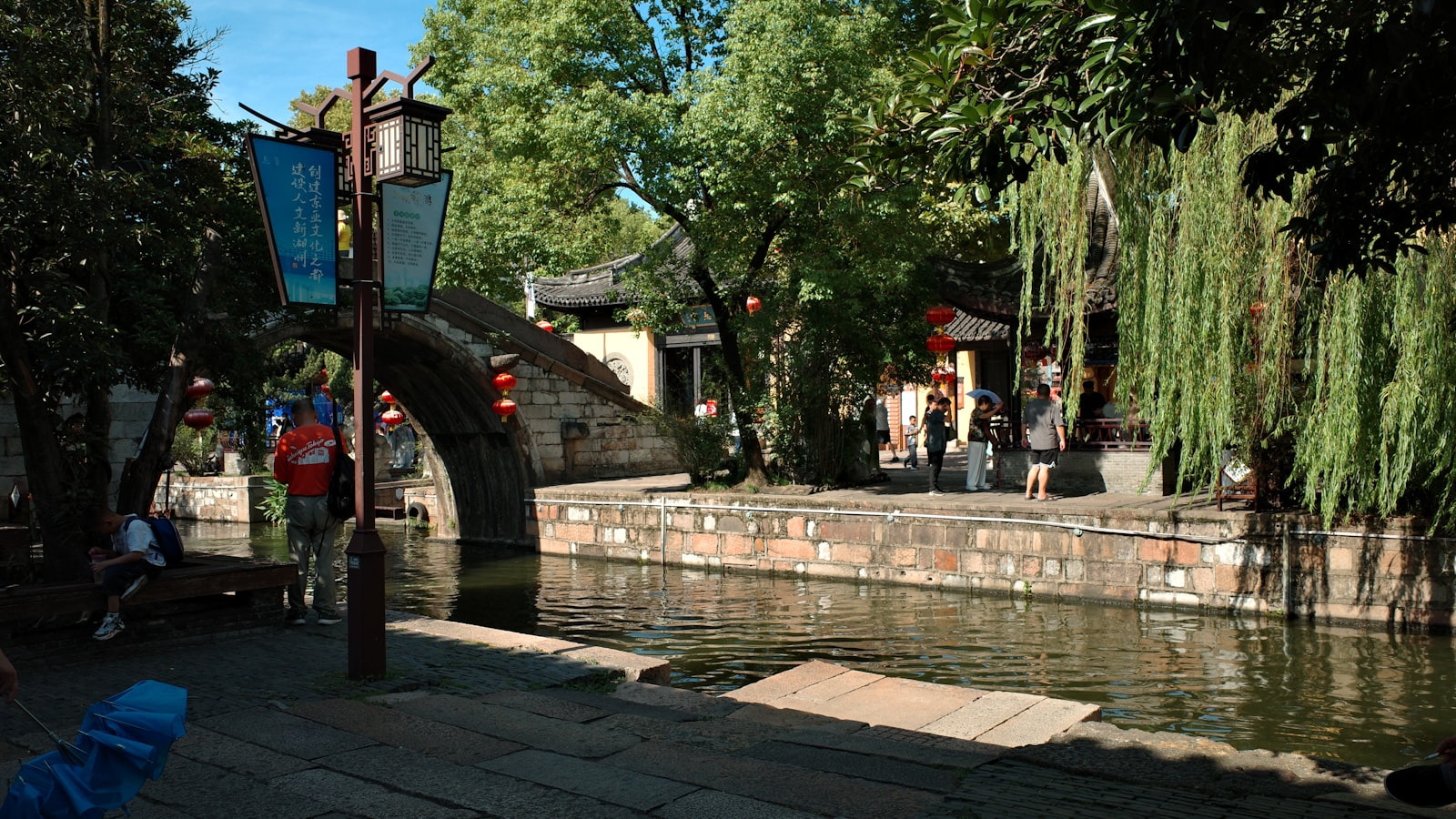
For a thousand years, the towns of the Yangtze Delta were built around water — canals instead of streets, boats instead of carts, stone bridges linking the lanes. Today the best of them are preserved as living towns, and visiting one is a step into a China that’s disappeared from the cities. With several famous choices close to Shanghai, the question isn’t whether to go — it’s which one. This guide compares the water towns and helps you choose.
The water towns, compared
- Wuzhen — the most complete and the most famous. The full old town with canals, bridges and preserved lanes; the image most people imagine. Best for first-timers.
- Zhujiajiao — the closest to Shanghai (about 30 minutes), the classic easy day trip. A charming smaller town, good for a half day.
- Xitang — livelier and food-rich, with a famous evening scene. The choice if you want energy and great eating.
- Tongli — quiet and classic, a smaller town with gardens and canals; fewer crowds, more local.
- Nanxun — the furthest and the least touristed; a more relaxed, authentic feel.
They share a character; the differences are size, crowd and atmosphere. Choose based on how much time you have and whether you want famous-busy or quiet-local.
How to choose
- First visit, want the classic → Wuzhen. It’s the complete water-town experience.
- Half a day from Shanghai → Zhujiajiao. The convenient, charming choice.
- Want the evening scene and great food → Xitang. Lively after dark.
- Want quiet and fewer tourists → Tongli or Nanxun.
There’s no wrong answer — every town delivers the canal-and-bridge experience. It’s about your time and your tolerance for crowds.
Day trip vs overnight
- A day trip from Shanghai covers the main canals, bridges, museums and a boat ride — plenty for most visitors.
- An overnight transforms it — the day-trippers leave, the lanterns come on, and the canals glow with reflections.
- The evening is the most magical hour in any water town.
The single best upgrade you can make is staying until dark. If you can’t stay overnight, at least linger into the evening.
When to go
- Spring and autumn are ideal — mild weather and good light.
- Summer is hot and crowded; the mornings and evenings are best.
- Winter is quiet and atmospheric, with mist over the canals.
- Weekdays are far quieter than weekends; a weekday visit is a different, calmer experience.
The towns are beautiful year-round; the crowds and the weather are the variables.
What a water-town visit is like
A good visit flows through the classic elements:
- Walk the canals — the bridges and the banks give the classic views; the stone is centuries old.
- Take a boat ride — the canals from the water are the best perspective on the town; the boatmen navigate the low bridges.
- Wander the lanes — the side alleys away from the main street hold the quiet corners and the local life.
- Visit a museum or house — each town has a historic house or a small museum that explains the merchant history.
- Eat — the towns are food-rich, from the famous local dishes to the street snacks.
- Stay into the evening — the lanterns and the reflections transform the town after dark.
A full day covers it; an overnight makes it memorable.
What it costs
Rough guidance (per person, CNY, prices change): entry tickets at the famous towns run ¥50–120 depending on the town and the package (Wuzhen and Xitang charge entry; Zhujiajiao is cheaper); boat rides ¥30–80; meals ¥40–80; transport from Shanghai ¥30–80 by bus or ¥150–300 for a private car; overnight in the old town ¥200–800 a night depending on the guesthouse. A day visit typically runs ¥200–400 per person; an overnight adds the accommodation.
Visiting with children
The water towns are family-friendly: flat lanes, no cars in the old town, boat rides that children love, and food at every turn. The pace is easy, the canals are safe (with supervision), and the towns are small enough that kids won’t tire. A boat ride and an ice-cream stop is a perfect family afternoon. The towns are also a gentle, atmospheric evening for a family travelling together — lanterns and quiet lanes are a calm end to the day, and the late-night food stalls are a treat the whole family can share.
The history, briefly
The water towns grew rich over centuries as trading posts on the waterways of the Yangtze Delta — the canals were the highways, and the merchants built their grand houses along them. That’s why the towns have such handsome stone bridges, decorated houses and elaborate gardens: they’re the surviving mansions of a merchant civilization that moved its wealth by boat. Understanding this changes the visit — the bridges were the crossings of the era, the grand houses the homes of traders, and the canals the streets that made it all possible. It’s a living history of a vanished way of life — the reason a slow walk through the lanes, past the old houses and under the stone bridges, feels like stepping into a painting.
Photographing the towns
The water towns are made for photography, and the classic shots come from a few choices: shoot the reflections (still water doubling the bridges and houses), frame a bridge (the stone arches are the strongest compositions), catch the evening (the lanterns and the glowing windows are the iconic images), and include the boats (a boat in the canal gives the scale and the life). Morning mist and evening light are the two best windows. See our street photography guide for the technique.
Practical notes
- Reach — Zhujiajiao is about 30 minutes from Shanghai by bus or metro; Wuzhen, Xitang and Tongli are 1–2 hours by bus or car; Nanxun further. See our Shanghai–Suzhou–Hangzhou route for the region.
- Book ahead — the most popular towns (Wuzhen especially) sell entry and guesthouse rooms in busy seasons.
- Boat ride — take one; the canals from the water are the best view of the town.
- Set up before you go — Alipay and an eSIM for tickets, transport and payment.
- Come hungry — the towns are food-rich; Xitang especially rewards grazing the stalls.
The bottom line
The Jiangnan water towns are one of the most distinctive experiences in eastern China — ancient canal towns where the streets are water and the transport is by boat. Choose Wuzhen for the classic, Zhujiajiao for the easy day trip, Xitang for the evening scene, or Tongli and Nanxun for quiet. Go in spring or autumn, stay into the evening if you can, and take a boat ride — the canals seen from the water, at lantern time, are the image that stays. One water town, well chosen and lingered over, is the memory that lasts.
Last updated: August 2026. Entry rules and transport change — confirm current details before you go.
Frequently Asked Questions
Which Jiangnan water town should I visit?
**Wuzhen** for the most complete, classic water-town experience — canals, stone bridges and preserved lanes, the image people imagine. **Zhujiajiao** for the easiest day trip from Shanghai (30 minutes away). **Xitang** for a livelier, food-rich visit with a great evening scene. **Tongli or Nanxun** for quiet, fewer crowds and a more local feel. There's no wrong choice — it's about how much time you have and what you want.
How many water towns should I visit?
**One is enough for most travelers** — they share a character, and the differences are subtle. Visit one, ideally spending a night or a long afternoon, and you've had the experience. If you're in the region for several days, two with contrasting characters (a big famous one like Wuzhen and a small quiet one like Tongli) make a good pair. More than two is repetition for most visitors.
Is one day enough for a water town?
Yes — a **full day covers it comfortably**, and many travelers do it as a day trip from Shanghai. A half-day sees the main canals and bridges; a full day adds the lanes, the museums and a boat ride. The one thing worth planning: **staying until evening** — the towns transform when the lanterns come on and the day-trippers leave, and the night scene is the most magical version.
Are the water towns worth visiting?
Yes — they're unlike anything in the West: ancient canal towns where the streets are water, the transport is by boat, and the bridges are centuries old. The most famous (Wuzhen, Xitang) are busy but genuinely beautiful; the quieter ones (Tongli, Nanxun) feel like stepping back in time. It's one of the most distinctive experiences in eastern China, and easy from [Shanghai](https://chinotrips.com/shanghai/) or [Suzhou](https://chinotrips.com/suzhou/).
What's the difference between the water towns?
The essentials: **Wuzhen** is the most preserved and the most complete — a full old town, best for first-timers. **Zhujiajiao** is the closest to Shanghai and the classic easy day trip. **Xitang** is livelier and food-focused, with a famous evening scene. **Tongli and Nanxun** are smaller and quieter, more local. The water towns share the same soul; the differences are size, crowd level and atmosphere.
Should I stay overnight in a water town?
**If you can, yes** — staying overnight is the difference between a good visit and a magical one. By evening the day-trip crowds leave, the lanterns come on, and the canals glow with reflections. Guesthouses in the old towns range from simple to boutique. Wuzhen and Xitang both have stayable old towns. It turns a day trip into a memory.