
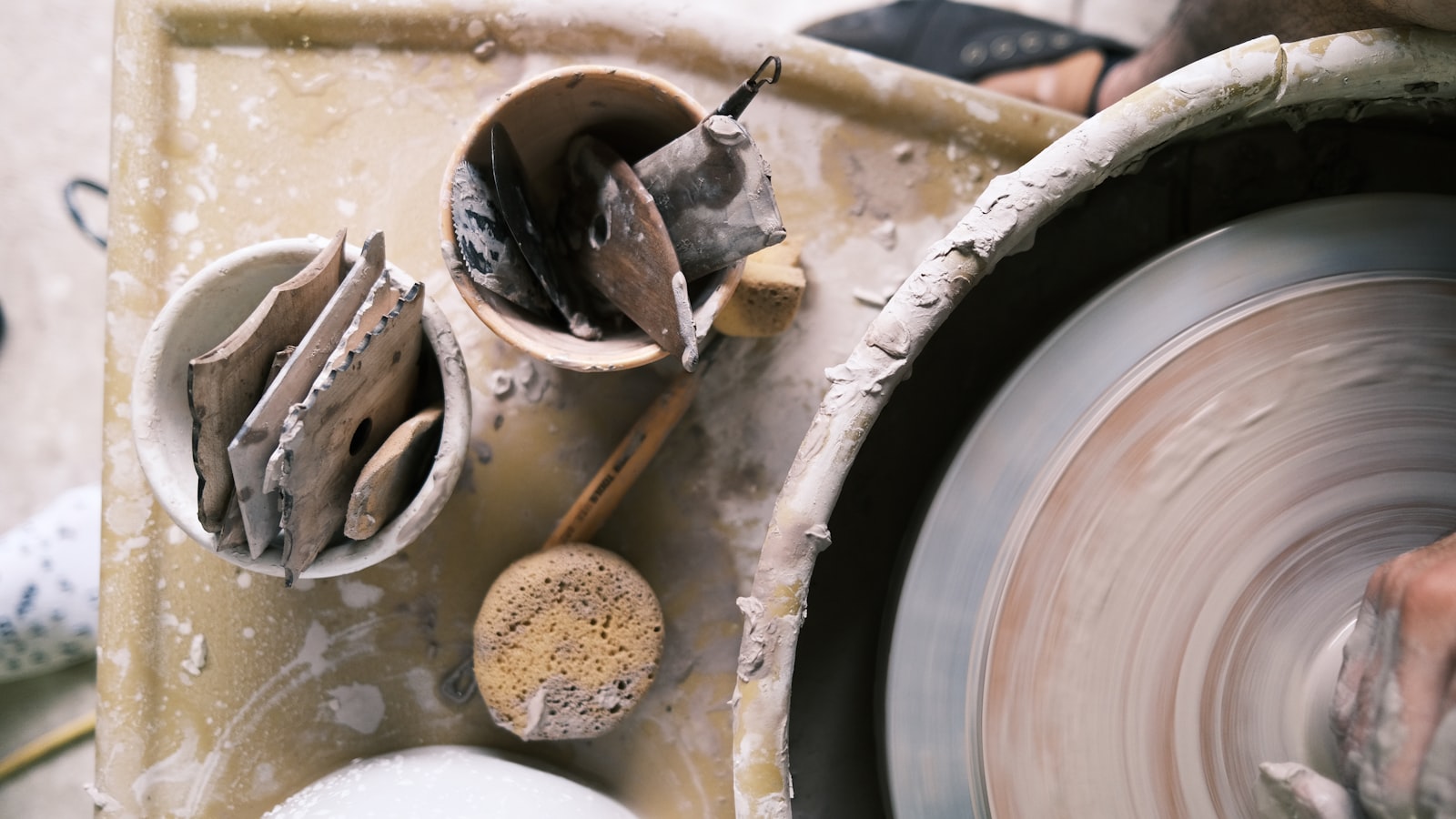
Jingdezhen Guide (2026): The Porcelain Capital of China
Jingdezhen, the porcelain capital — the ancient kilns, the museum, the workshops and the shopping, plus how to plan a visit to China's ceramic heart.
Jingdezhen, Jiangxi, China
Open an external map for this location.
OpenStreetMap Google Maps (opens externally)
Jingdezhen is China’s porcelain capital — the city that made the fine ceramics of the imperial courts and the world’s trade routes for a thousand years. It’s a working, living craft city, and a fascinating visit.
For about a millennium, Jingdezhen made the porcelain that defined Chinese ceramics — the fine white ware of the imperial courts, the blue-and-white that filled the trade routes of the world, and the craft that still works in its kilns and studios today. Unlike a museum town, Jingdezhen is a working ceramic city: you watch potters at the wheels, visit ancient kilns, and buy porcelain at the source. This guide covers the highlights and how to plan the visit.
The top sights
- The Imperial Kiln Museum — the striking modern building over the imperial kiln site, with a superb porcelain collection and one of China’s most photographed buildings.
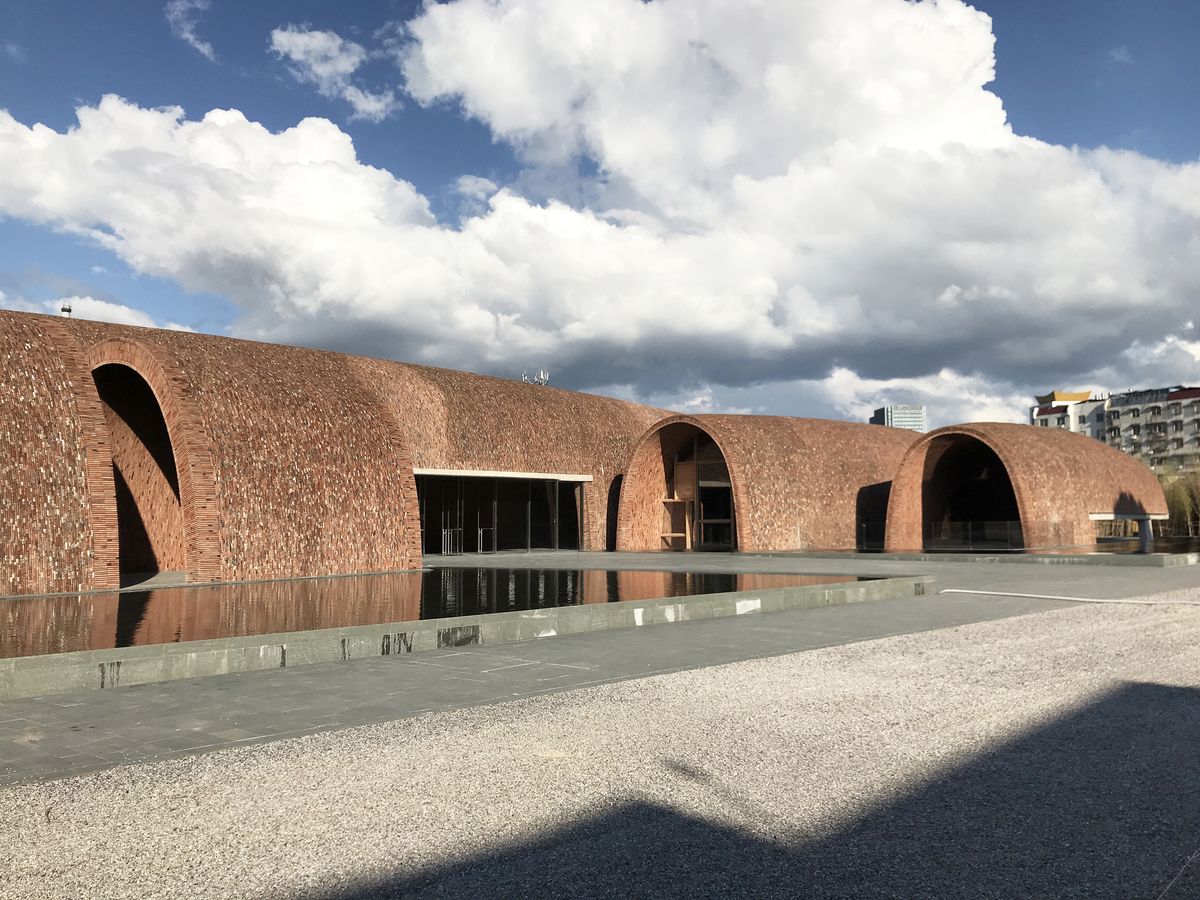
The striking modern brick arches of the Imperial Kiln Museum, Jingdezhen’s porcelain showcase.
- The Ancient Kiln District — the traditional working kilns and the workshops where potters demonstrate the full craft, from clay to fired porcelain.
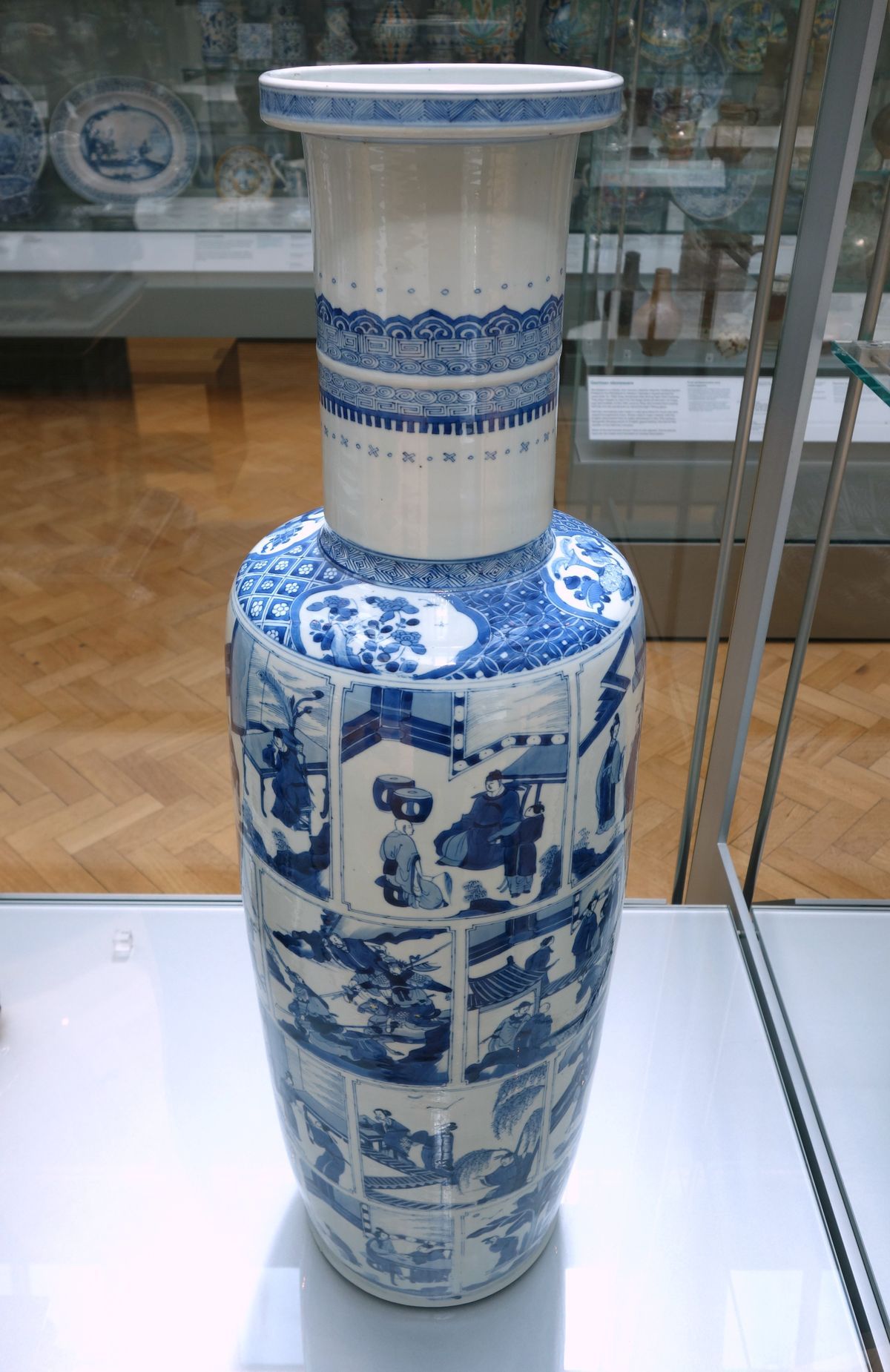
Blue-and-white porcelain at the source — Jingdezhen has made China’s fine ceramics for a thousand years.
- Taoxichuan — the former porcelain factory turned art district: studios, galleries, cafés and the young ceramic scene.
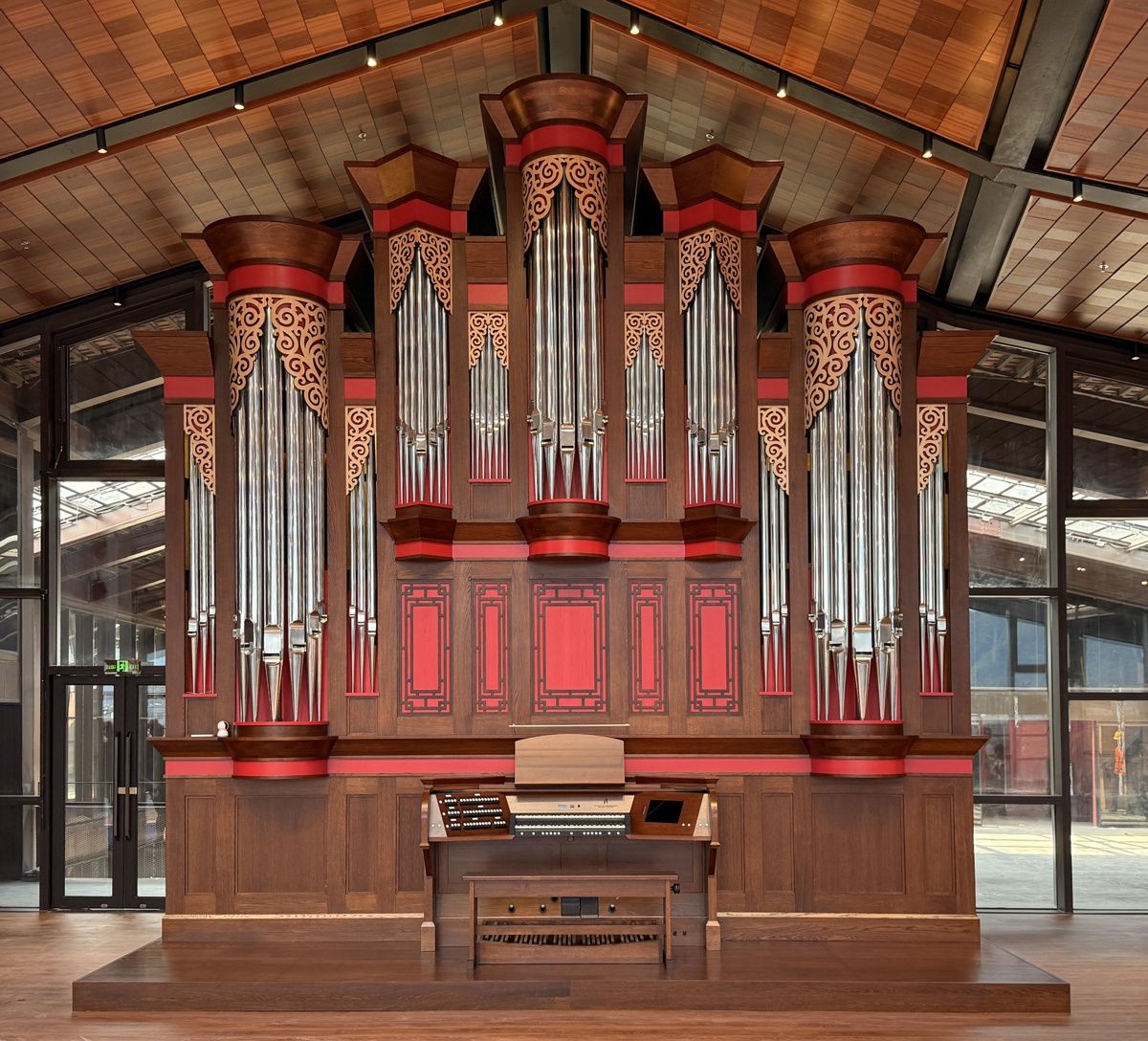
Taoxichuan, the former porcelain factory turned art district in Jingdezhen.
- The shopping — the studio districts and the Porcelain Street market, where you buy the work of the potters who made it.
Each layer — the museum’s history, the district’s craft, the art district’s scene — adds to the picture of a city that has made porcelain for a thousand years.
A day in Jingdezhen
- Morning — the Imperial Kiln Museum; the history and the architecture.
- Afternoon — the Ancient Kiln District; watch the potters and the traditional kilns.
- Evening — Taoxichuan and the studios; the scene and the shopping.
This rhythm covers the museum, the craft and the living scene in a single day.
The craft, hands-on
Jingdezhen’s charm is that the craft is alive. In the Ancient Kiln District, potters demonstrate the process — throwing, painting, glazing — in the traditional way. Across Taoxichuan and the city’s studios, many workshops welcome visitors and offer short classes. You can watch a thousand-year-old craft, try it yourself, and buy the pieces of the potters who made them. It’s the difference between seeing porcelain in a museum and seeing where it comes from.
Practical notes
- Getting there — high-speed rail from Nanchang, Shanghai or Hangzhou; flights from the main hubs.
- Getting around — taxis and ride-hailing are easy; the main sights are a short ride apart.
- Best season — spring and autumn; the summers are hot, the winters mild.
- Get connected — set up Alipay and an eSIM for payment and tickets.
- Buying porcelain — buy what you love at the source, and ask about packing or shipping for the journey.
The history: why Jingdezhen became the porcelain capital
Jingdezhen’s rise was no accident — it had everything porcelain needed. The city sits on high-quality kaolin clay, a ceramic white clay that is the essential ingredient of fine porcelain; the surrounding hills supplied the pine wood that fueled the kilns; and the Chang River carried both the materials and the finished wares to the Yangtze and the ports beyond. From the Song dynasty onward, the imperial court took the city’s output for its own, and Jingdezhen became the center of the imperial kilns — the workshops that made the celebrated blue-and-white porcelain, the delicate eggshell wares, and the famille-rose colors that European collectors prized. The name “china” itself, used across the West for porcelain, is a reminder of how completely this city’s product defined the material for the world. For centuries the export routes carried Jingdezhen’s wares to Japan, Southeast Asia, the Middle East and Europe, and the city’s technology — including the high-fired, hard-paste porcelain that Europe spent generations trying to replicate — spread far beyond its kilns. Knowing this history makes the modern city richer: the museum explains it, the Ancient Kiln District preserves it in working form, and the studios continue the same craft today.
A second day: going deeper
If you have a second day, the reward is depth. In the morning, visit one of the smaller, still-working kiln sites outside the center, where the traditional climbing kilns — long brick tunnels built on slopes so the fire rises through them — are fired in the old way. Watching a wood-firing is one of the most memorable experiences in Jingdezhen, but firings happen on a schedule, so ask locally or check at the Ancient Kiln District for the dates. Spend the afternoon in the studios: many potters in Taoxichuan and the surrounding lanes welcome visitors, and short throwing classes let you try the wheel yourself under a teacher’s eye. It is harder than it looks, and that is the point — you come away with an entirely different respect for the bowls you have been eating from all trip. A second day also gives you time to shop at leisure rather than in a rush, and to visit the smaller museums and galleries that the first day’s highlights inevitably skip.
Buying porcelain: a practical guide
Shopping is one of the main reasons travelers come to Jingdezhen, and buying at the source is both the pleasure and the risk. The range is enormous: from tea sets and vases to tiny figures and ceramic jewelry, with prices from a few yuan to many thousands. The Porcelain Street market (Jingdezhen Porcelain Mall area) is where the wide commercial range lives — good for gifts, tea ware and comparison shopping. The studio districts, especially Taoxichuan, are where you find original work by individual potters; pieces here cost more but carry a maker’s identity, which is what collectors and serious buyers want. A few practical rules: haggle gently at the market stalls but not usually in the studios; ask whether a piece is hand-painted or transfer-printed, since that is the main driver of price; and sort out packing or shipping before you pay. Every serious shop is used to wrapping for flight baggage, and many will ship internationally. If you buy fragile items, keep the packaging and carry them rather than putting them in a checked bag unwrapped.
Budget and practicalities
Jingdezhen is affordable for a Chinese city of its kind. Museum entry runs roughly 50–100 RMB for the main sights, a good meal about 40–80 RMB per person, and a comfortable hotel in the center typically 200–400 RMB a night. The variable cost is shopping, which is entirely up to you — it is easy to spend nothing and just as easy to spend a lot. Getting around is by taxi or ride-hailing; the main sights are a short ride apart, and Taoxichuan is walkable. Set up Alipay and an eSIM before you arrive so you can pay by QR code everywhere, including the small studios and market stalls. English is limited outside the big sights, so a translation app and having addresses written in Chinese will make everything smoother.
Common mistakes to avoid
The most common mistake in Jingdezhen is rushing it — the city repays time, and a single rushed half-day only covers the museum. A second is skipping the Ancient Kiln District on the assumption that the museum covers the craft; they are complementary, and watching a potter work a wheel by hand is the memory you keep. Another is buying the first thing you see: prices and quality vary enormously, so look across a couple of studio lanes and the market before committing. Finally, do not forget the practical logistics — fragile porcelain needs packing, and without a way to pay or an internet connection, even the best shopping becomes awkward. Plan the packing question before you buy, not at the airport.
The bottom line
Jingdezhen is China’s porcelain capital — a working, living craft city where the ceramics of a thousand years are still made today. Visit the Imperial Kiln Museum, watch the potters at the Ancient Kiln District, browse the studios of Taoxichuan, and buy porcelain at the source. For lovers of craft, art and design, it’s one of the most rewarding cities in China.
When to go, season by season
Jingdezhen’s climate is the central-China pattern of hot summers and cool, damp winters. Spring (March–May) is mild and comfortable, with the city’s green hills at their freshest — a good time for the outdoor workshop districts and the Ancient Kiln District’s courtyards. Autumn (September–November) is the best all-round window: dry, warm days and clear light, ideal for the museum’s architecture and the studios. Summer (June–August) is hot and humid, though the kilns and studios are largely shaded and the evenings are lively; go early and take breaks. Winter (December–February) is cold and grey, but the city is quiet, the museum and the markets are indoors, and the pottery continues year-round — the craft does not stop for the weather. For kiln firings specifically, ask locally or check at the Ancient Kiln District for the schedule, which is set by the firing cycle rather than the season.
Combining Jingdezhen with the region
Jingdezhen sits in northeastern Jiangxi, a region with more to offer than most visitors realize. The rail links make it an easy add-on to a Yangtze Delta or central China route — Nanchang (about 1.5–2 hours) is the provincial hub, and Shanghai and Hangzhou are direct by high-speed rail. Nearby, the Wuyuan region’s terraced villages and old Huizhou-style houses are a classic scenic stop, and Lushan (Mount Lu), the celebrated mountain resort, is a few hours away. A workable sequence is Hangzhou or Shanghai → Jingdezhen → Nanchang → onward, spending a day and a half on the porcelain and adding the countryside as time allows. For travelers combining craft with landscape, the region is one of the more underrated corners of eastern China.
Last updated: August 2026. Opening hours and workshop availability change — confirm current details before you go.
Frequently Asked Questions
What is Jingdezhen known for?
**Porcelain** — Jingdezhen has been China's porcelain capital for about a thousand years, producing the fine ceramics that filled the imperial courts and the export routes of the world. Today it's still a working ceramic city, with ancient kilns, a world-class museum and hundreds of workshops and studios. For anyone who loves ceramics, craft or design, it's a fascinating and rewarding visit.
Is Jingdezhen worth visiting?
Yes — especially for travelers interested in craft, art or shopping. It's a genuine working ceramic city, not a museum piece: you can watch potters at the wheels, visit the ancient kilns, browse the studio districts and buy porcelain at the source. The highlights are the **Imperial Kiln Museum** (a striking modern building with the imperial kiln site), the **Ancient Kiln District** (working traditional kilns and workshops) and **Taoxichuan** (the former factory turned art district).
How do I get to Jingdezhen?
**High-speed rail** connects Jingdezhen to Nanchang (about 1.5–2 hours), Shanghai, Hangzhou and other cities. There's also an airport with flights from the main hubs. The station is a short ride from the center. It works as a 1–2 day stop on a Yangtze Delta or central China route, and it pairs well with a visit to the wider Jiangxi region.
What are the top sights in Jingdezhen?
The standouts: **the Imperial Kiln Museum** — the modern building over the imperial kiln site, with a superb porcelain collection and a stunning architecture; **the Ancient Kiln District** — the traditional working kilns and the workshops where potters demonstrate the craft; **Taoxichuan** — the converted factory district with studios, galleries and cafés; and **the shopping** — the markets and studios where you buy porcelain at the source.
How much time do I need in Jingdezhen?
**One full day** covers the highlights: the Imperial Kiln Museum in the morning, the Ancient Kiln District in the afternoon, and Taoxichuan and the studios in the evening. A **second day** lets you go deeper — workshops, the smaller kilns and more shopping. For most visitors, a day and a half is the sweet spot between seeing the craft and buying it.
Can I watch porcelain being made in Jingdezhen?
Yes — that's the joy of the city. The **Ancient Kiln District** has working potters demonstrating the full process, from throwing to glazing to firing. Many **studios in Taoxichuan and across the city** welcome visitors and offer workshops. You can watch the craft, try it yourself in some studios, and buy the work of the potters who made it. It's a hands-on, living view of a thousand-year-old craft.
Where should I buy porcelain in Jingdezhen?
The best shopping is **at the source**: the studio districts (especially Taoxichuan) for original work by local potters, the **Porcelain Street market** for the wider range, and the workshop shops around the Ancient Kiln District for traditional pieces. Prices range from a few yuan for small items to serious money for fine work. Buy what you love, and ask about packing for the journey — the shops are used to shipping or wrapping for travelers.