
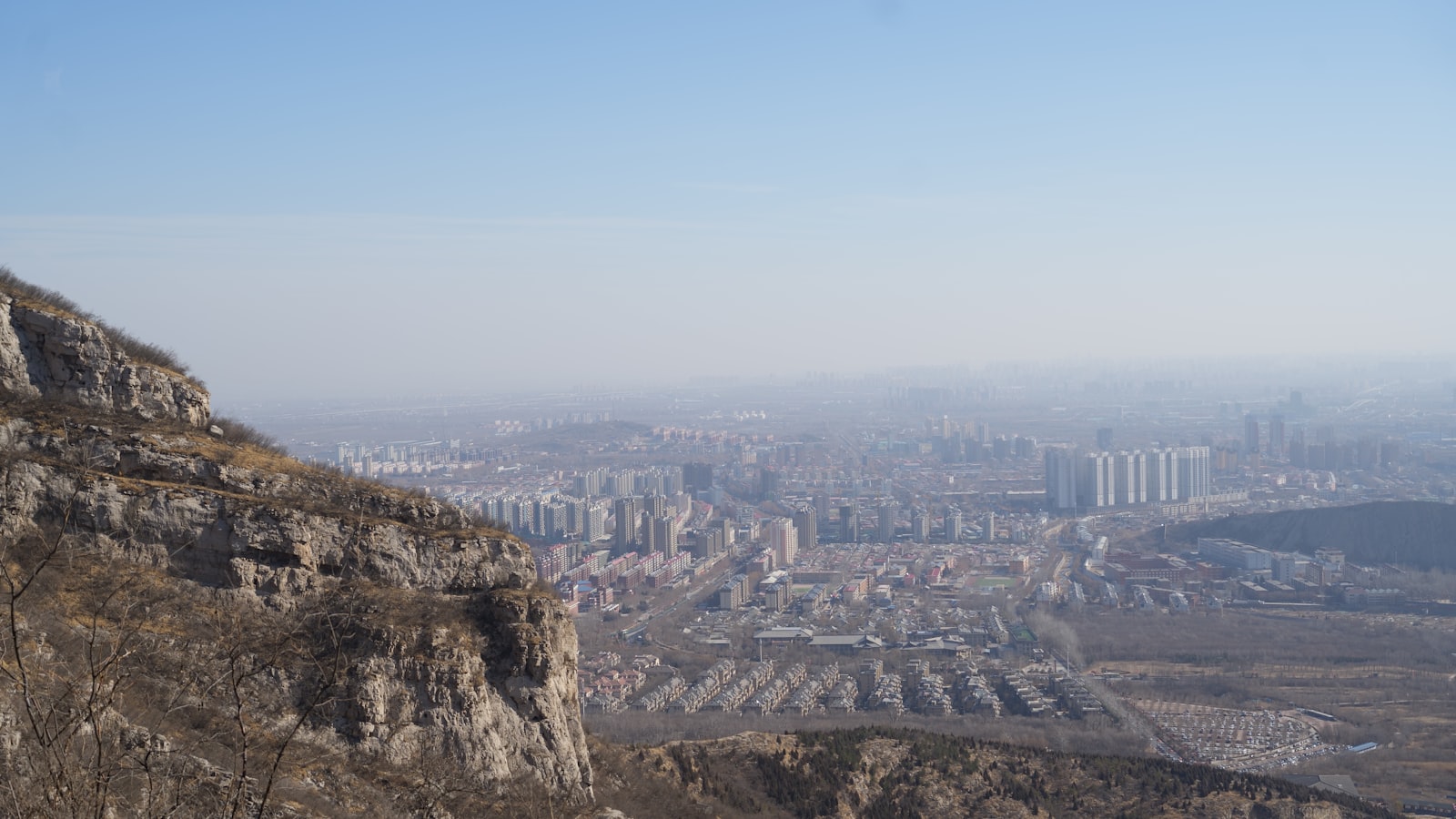
Shijiazhuang Travel Guide (2026): Xibaipo & Zhengding
Shijiazhuang, Hebei's capital — the Xibaipo red-tourism site, Zhengding's Longxing Temple, the ancient Zhaozhou Bridge and easy day trips from Beijing.
Shijiazhuang, China
Open an external map for this location.
OpenStreetMap Google Maps (opens externally)
Shijiazhuang is the rail-hub capital that most visitors use only to change trains — yet within an hour of it sit a thousand-year-old temple with a colossal bronze Buddha, the world’s oldest stone arch bridge, and the mountain village where modern China’s final chapter was written. Here’s how to make the most of it in 2026.
The essentials
- Days needed: 1–2 days; an easy day-trip base from Beijing.
- Getting there: high-speed rail from Beijing West in about 1 hour (extremely frequent), Taiyuan in about 1.5 hours, and Zhengzhou in about 2 hours. The airport (Shijiazhuang Zhengding, SJW) is about 30–40 minutes from the center.
- Best season: April–May and September–October; spring can be dusty, so check conditions. Winter is cold but the sights are mostly indoor or short outdoor visits.
- Vibe: a modern, practical capital whose real draws are the ancient towns and mountain sites on its doorstep.
What to do in Shijiazhuang
The city proper is clean, modern and — let’s be honest — not the reason to come. The reasons are the three big day trips: Zhengding, Zhaozhou Bridge and Xibaipo.
- Zhengding ancient town (15 km north) — the highlight is the Longxing Temple (Longxing Si), one of China’s great monasteries. The Daci Pavilion holds the Great Buddha, a towering bronze Guanyin about 22 meters tall, cast in the Song dynasty; the temple’s Song halls, the Vairocana Pavilion and the garden courtyards round out the visit. Admission about ¥50–60 (estimate).
- Zhaozhou Bridge (Zhao County, ~40 km southeast) — the Anji Bridge, built around 600 AD by the engineer Li Chun: a single, elegant stone arch with the open spandrels that make it famous. Now set in a small heritage park, it is a quick, memorable stop.
- Xibaipo (Pingshan County, ~90 km west) — the former revolutionary headquarters, high in the Taihang Mountains. The restored compound, the conference hall and the memorial tell the story of 1948–49, and the mountain setting is genuinely evocative. Allow a half-day plus the drive.
- In the city itself — the Hebei Provincial Museum is worth a couple of hours for its Han-dynasty collections (including the famous jade suits and bronze pieces), and the Chang’an Park is a pleasant local green space.
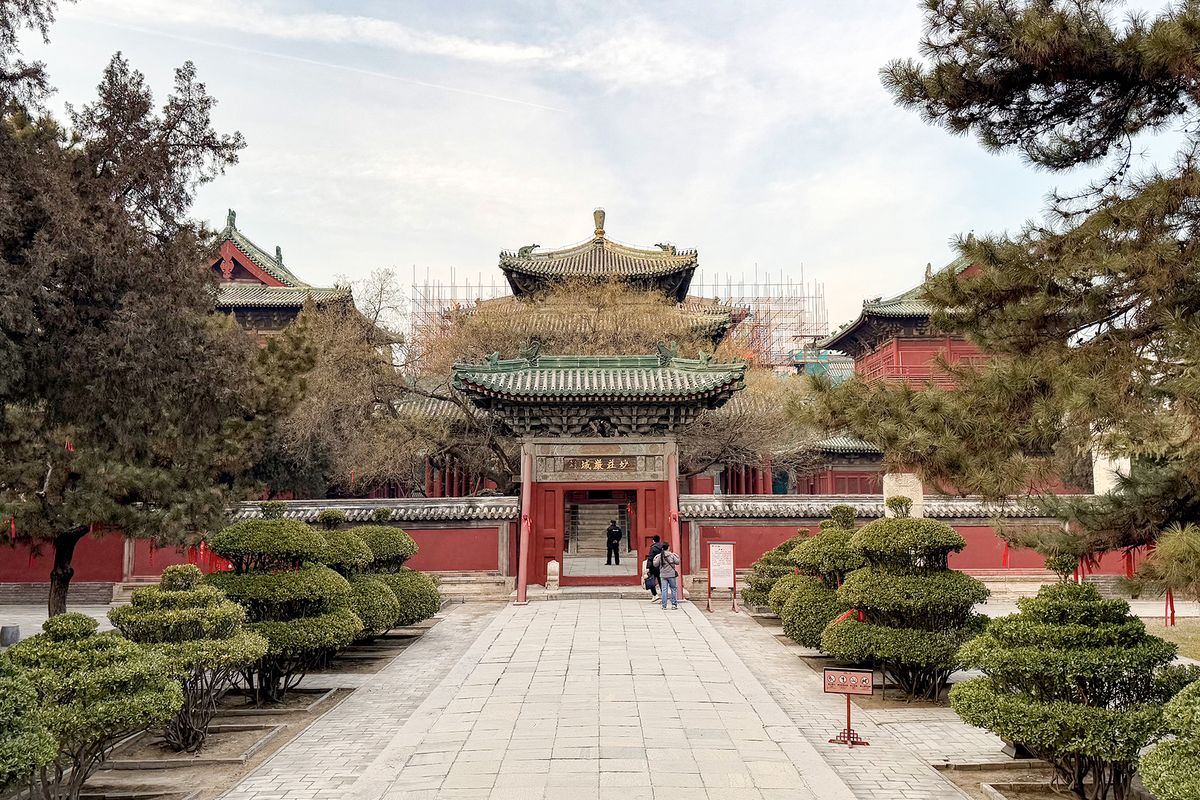
The Longxing Temple in Zhengding — its Daci Pavilion holds the colossal Song-dynasty bronze Guanyin, one of China’s greatest Buddhist sculptures.
Zhengding and the Longxing Temple in depth
Zhengding has been a walled county town for over a thousand years, and its long history is the reason it holds one of the best surviving ensembles of Song-dynasty architecture in northern China. The centerpiece is Longxing Temple, founded in the Sui dynasty (6th century) and rebuilt on a grand scale in the Song. Unlike most Chinese temples that were rebuilt repeatedly in later styles, Longxing preserves a remarkable run of Song-era halls — the main gate, the Tianwang Hall, and the great pavilions rising along a single axis.
The temple’s great treasure is in the Daci Pavilion (Hall of Great Compassion): a colossal bronze statue of Guanyin, the bodhisattva of compassion, standing about 22 meters high and cast in the 10th–11th centuries. It is among the largest and finest bronze figures in China, and its forty-two arms (now mostly restored) made it a wonder of the age. Around it, the temple holds the Bronze Pagoda, the Vairocana Pavilion with its ornate throne, and centuries of stone steles and calligraphy. Allow a solid two hours, and walk the old town’s streets and the Lingxiao Pagoda afterward for the full ancient-town feel.
The Zhaozhou Bridge
Few bridges anywhere carry as much engineering history as the Zhaozhou (Anji) Bridge in Zhao County. Built around 595–605 AD during the Sui dynasty by the master stonemason Li Chun, it is the oldest open-spandrel segmental stone arch bridge in the world: a single, shallow arch spanning more than 37 meters, with the small arches opened through its ‘shoulders’ to let floodwater pass and lighten the load. The design was not seen in Europe until centuries later, and the bridge survived more than 1,400 years of floods and earthquakes — a milestone of structural engineering that predates most of what the West calls ancient technology.
Today the bridge sits in a tidy heritage park about 40 km southeast of Shijiazhuang, easily reached by taxi or local bus from the city or by adding it to the Zhengding loop. You cross it, photograph it, and read the story in the small on-site museum. It is a quick visit — under an hour — but it is one of those moments where a number in a history book becomes something you have walked across.
Xibaipo: the last headquarters
Xibaipo, in the Taihang Mountains about 90 km west of Shijiazhuang, is where the Chinese Communist Party spent its final months in the countryside before entering Beijing. From 1948 to 1949, Mao Zedong and the leadership ran the civil war and planned the transition from this mountain village; in March 1949, the Second Plenary Session of the 7th Central Committee was held here, and shortly after, the leadership set out for Beijing — Mao famously calling it “going to the capital for an exam.”
Today the site is one of China’s most important red tourism destinations, centered on the restored former headquarters compound, the cave houses, the conference hall and a modern memorial museum. For international visitors, the appeal is twofold: it is the historical backdrop to the founding of the People’s Republic, and the Taihang setting — hills, forest and small villages — is a pleasant escape from the plain. Allow a half-day plus the drive each way; it is the one site in the region that really needs a full afternoon.
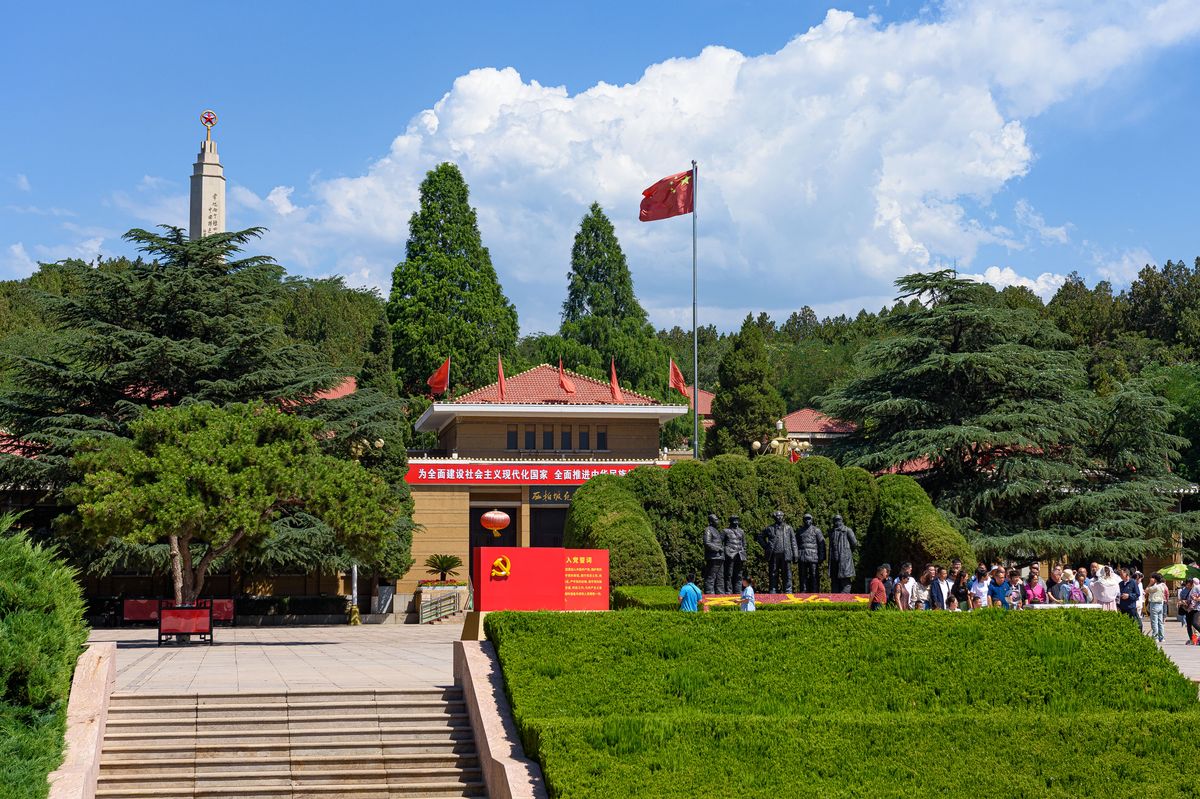
Xibaipo — the mountain headquarters where the leadership planned its final advance before entering Beijing in 1949.
When to go, season by season
Shijiazhuang has a four-season northern climate — hot, dry summers and cold winters, with the pleasant shoulders in between.
- Spring (April–May): warming and generally pleasant, though spring dust and occasional sand can blur the views; pack a scarf for wind.
- Summer (June–August): hot and dry, frequently above 32°C. The temple halls and the museum are welcome shade, and the mountains around Xibaipo stay cooler.
- Autumn (September–October): the best season — clear, mild and golden, ideal for the bridge, the temple and the Taihang foothills.
- Winter (November–March): cold and dry, with temperatures often below freezing at night. The sights are mostly short outdoor visits, so it is still doable, but spring and autumn are better.
Where to stay and eat
For a one-night stop, stay near Shijiazhuang Station or the New Rail City area for easy train connections and plenty of restaurants. For the ancient-town experience, some travelers choose to stay in Zhengding itself — quieter, with the temple and pagodas at your doorstep — but the city hotels have more choice and better transport. Budget and mid-range chains dominate; luxury options are limited.
Eat like a Hebei local. The signature is the donkey-meat sandwich (lürou huoshao) — flaky flatbread stuffed with shredded, seasoned donkey meat, served hot and often eaten standing at a counter. Around it:
- Hand-pulled noodles and dumplings — the northern staples, ¥10–25.
- Hebei casseroles and plain stews — hearty and cheap.
- Night markets — near the station and the university district, with grilled skewers and snacks ¥5–15.
- Donkey-meat restaurants — the most famous ones in town are worth the queue; a generous sandwich is ¥15–30 (estimate).
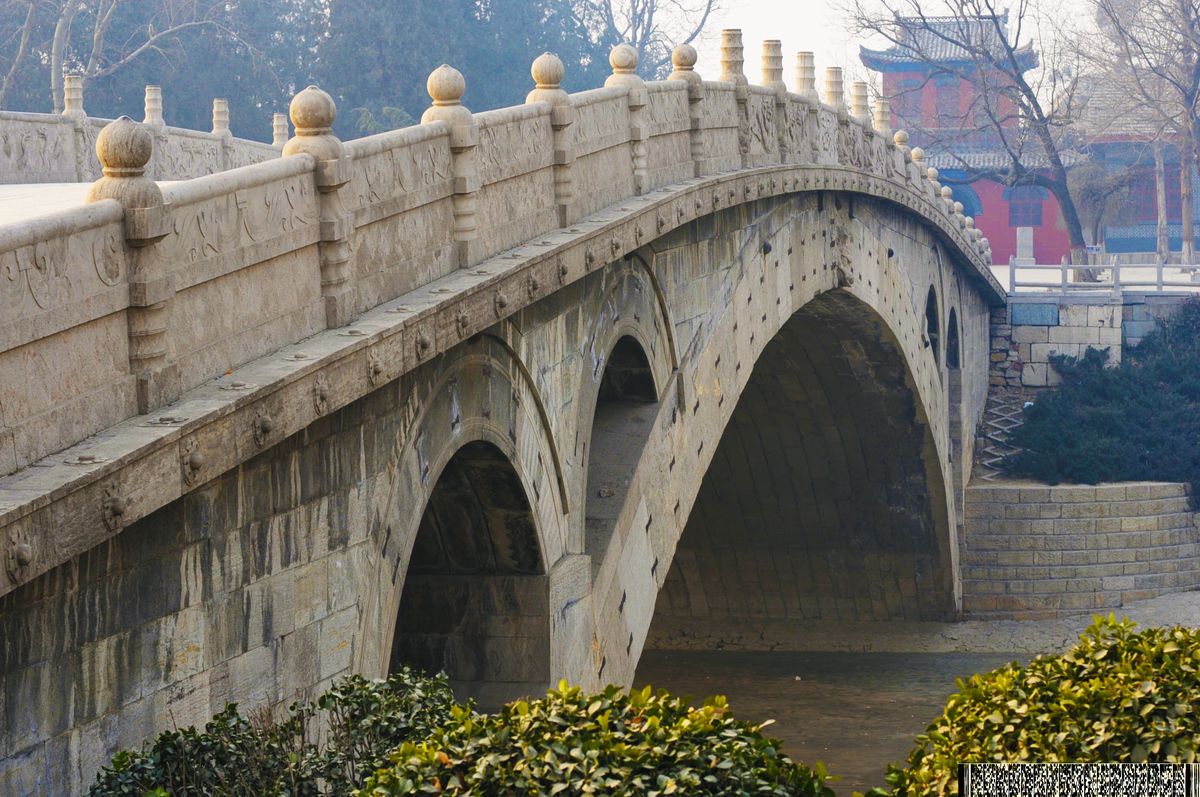
The Zhaozhou (Anji) Bridge near Shijiazhuang — built around 600 AD, the world’s oldest open-spandrel stone arch bridge.
A realistic budget
Shijiazhuang is an inexpensive city, and the main costs are transport to the outlying sights rather than anything in town.
- Hotels: ¥200–400 per night for a comfortable mid-range hotel; budget hotels ¥120–200; upscale options from ¥500. Book ahead on weekends and holidays.
- Sights: Longxing Temple about ¥50–60; the Zhaozhou Bridge park about ¥40; Xibaipo’s core memorial free (reserve ahead), with optional shuttle and museum fees; the Hebei Provincial Museum free. Budget ¥150–250 across the trip.
- Food: sandwiches and snacks ¥10–30; a restaurant meal ¥40–80 per person.
- Transport: the trips to Zhengding, Zhaozhou and Xibaipo are the big costs — local buses are cheap (a few yuan to a few dozen), while private taxis or Didi for the day runs are ¥200–400 each way to Xibaipo. Budget for the transport pattern you choose.
A realistic 2-day budget for one person, excluding hotels and long-distance rail, is roughly ¥500–900. All figures are planning estimates — prices change with season and demand, so confirm current rates on booking platforms.
Practical tips
- Plan Xibaipo for a full half-day. It is the farthest site (about 90 km) and the one that needs the most time; combine it with the museum in the city, not with Zhengding, if you want to move at a relaxed pace.
- Do Zhengding in the morning. The temple is at its best early, before the tour groups; walk the old town after.
- Book the free sites ahead. The Xibaipo memorial and the Hebei Provincial Museum use real-name reservation; bring your passport.
- Payment and data: set up Alipay and an eSIM before you arrive.
- Trains: for the frequent Beijing–Shijiazhuang shuttles, see the train ticket guide.
- Carry your passport — needed for hotels, museums and every train ticket.
Combining Shijiazhuang with the region
Shijiazhuang is the classic day-trip extension of a Beijing trip. The high-speed rail puts Zhengding and the Zhaozhou Bridge within an easy morning, and Xibaipo within a long afternoon, making it the best-value ancient-history and red-tourism excursion from the capital. Our Beijing guide and the Beijing day trips guide cover the wider options around the capital; Shijiazhuang’s sites slot in alongside the Great Wall and the mountain resorts as a less crowded alternative. Further out, the rail lines west toward Taiyuan and south toward Zhengzhou open up the rest of the North China Plain for a longer itinerary.
Last updated: August 2026. Prices and schedules change — confirm current tickets, reservations and visa rules before you go.
Frequently Asked Questions
Why visit Shijiazhuang?
Shijiazhuang itself is a modern rail-hub capital, but the surrounding Hebei plain holds some of the most rewarding sights within an hour of it: the Longxing Temple in ancient Zhengding, with its colossal Song-dynasty bronze Buddha; the Zhaozhou Bridge, the oldest open-spandrel stone arch bridge in the world; and Xibaipo, the mountain village where the Communist leadership planned its final advance before entering Beijing. All three are easy day trips, and together they make Shijiazhuang the natural 'day trip capital' of the Beijing region.
How many days do I need?
One full day can cover Zhengding and the Zhaozhou Bridge; add a second day for Xibaipo, which is farther out in the Taihang Mountains and worth a half-day on its own. Many visitors do it as a day trip from Beijing — the high-speed rail ride is only about an hour — but staying a night gives you the quieter morning sights and the Hebei food without the rush.
What is Xibaipo?
Xibaipo is the small village in the Taihang Mountains that served as the Communist Party's headquarters in 1948–49, the last stop before the leadership entered Beijing and proclaimed the People's Republic. Today it is one of China's most important 'red tourism' sites, with the restored compound, the conference hall of the decisive Second Plenary Session, and a large memorial. It is about 90 km west of the city in Pingshan County — allow a half-day plus the drive.
What is the Longxing Temple in Zhengding?
Longxing Temple is one of China's great surviving Buddhist monasteries, founded in the Sui dynasty and largely rebuilt in the Song (960–1279). Its Daci Pavilion houses the 'Great Buddha,' a colossal bronze Guanyin statue about 22 meters tall — one of the largest and finest bronze sculptures in China — and the complex preserves a remarkable run of Song-era halls and pavilions. Zhengding itself, the ancient county town 15 km north of Shijiazhuang, is worth the walk around its old walls and pagodas.
Is the Zhaozhou Bridge worth the trip?
Yes, for anyone interested in engineering or ancient China. The Zhaozhou (Anji) Bridge in Zhao County, built around 595–605 AD by the Sui-dynasty engineer Li Chun, is the oldest open-spandrel segmental stone arch bridge in the world — a graceful single arch with the famous 'shoulder' openings that were centuries ahead of their time. It is now a tidy heritage park about 40 km southeast of the city; the bridge itself is the whole point, and it takes under an hour to see.
What should I eat in Shijiazhuang?
The great local specialty is the donkey-meat sandwich (lürou huoshao) — crisp flatbread stuffed with seasoned shredded donkey meat, a Hebei classic you will see on every street. Around it is standard northern food: hand-pulled noodles, dumplings, and the 'Hebei casserole' and stews of the plain. The night markets near the rail station and in the university neighborhoods are the best place to graze, and portions are generous and cheap.