
Tianjin Travel Guide (2026): Day Trip from Beijing & More
Tianjin — the port city next to Beijing: the European-era concessions, the Hai River, the Ancient Culture Street, and why it's an easy day trip.
Tianjin, China
Open an external map for this location.
OpenStreetMap Google Maps (opens externally)
Tianjin is the European-flavored port city a half-hour from Beijing — concession-era villas, riverside walks and a quiet, walkable elegance that makes it the easiest day trip from the capital. Here’s how to visit it in 2026.
Overview
Tianjin, about 30 minutes from Beijing by high-speed rail, is a city with a very different character from the capital. Its status as a treaty-port left behind a remarkable legacy of foreign concessions — whole districts of European villas, churches, banks and streets built in the late 19th and early 20th centuries. Where Beijing is imperial and vast, Tianjin is quieter, more walkable and tinged with a faded colonial elegance. It’s the perfect change of pace for a day away from the capital.
How many days
One day covers the highlights — the Five Great Avenues, the Hai River and the Ancient Culture Street are all close together. An overnight adds the riverside at night, which is genuinely lovely. It’s an easy add-on to a Beijing visit rather than a standalone trip.
Suggested itinerary
A one-day plan from Beijing:
- Morning: arrive by high-speed rail (about 30 min from Beijing South), then walk the Five Great Avenues — the European villa district.
- Afternoon: the Ancient Culture Street for snacks and souvenirs, then the Hai River riverfront.
- Evening: a riverside dinner, then the rail back to Beijing (trains run late).
Overnight version: add the riverside at night and a slower second morning at the Tianjin Eye or the port area.
Best time to visit
- Spring (April–May) and autumn (September–October): mild and pleasant — ideal for walking the avenues.
- Summer (June–August): hot and humid, like Beijing.
- Winter (December–February): cold and grey, but quiet and cheap.
Top sights
- The Five Great Avenues (Wudadao) — the European villa district, a walkable grid of early-20th-century houses.
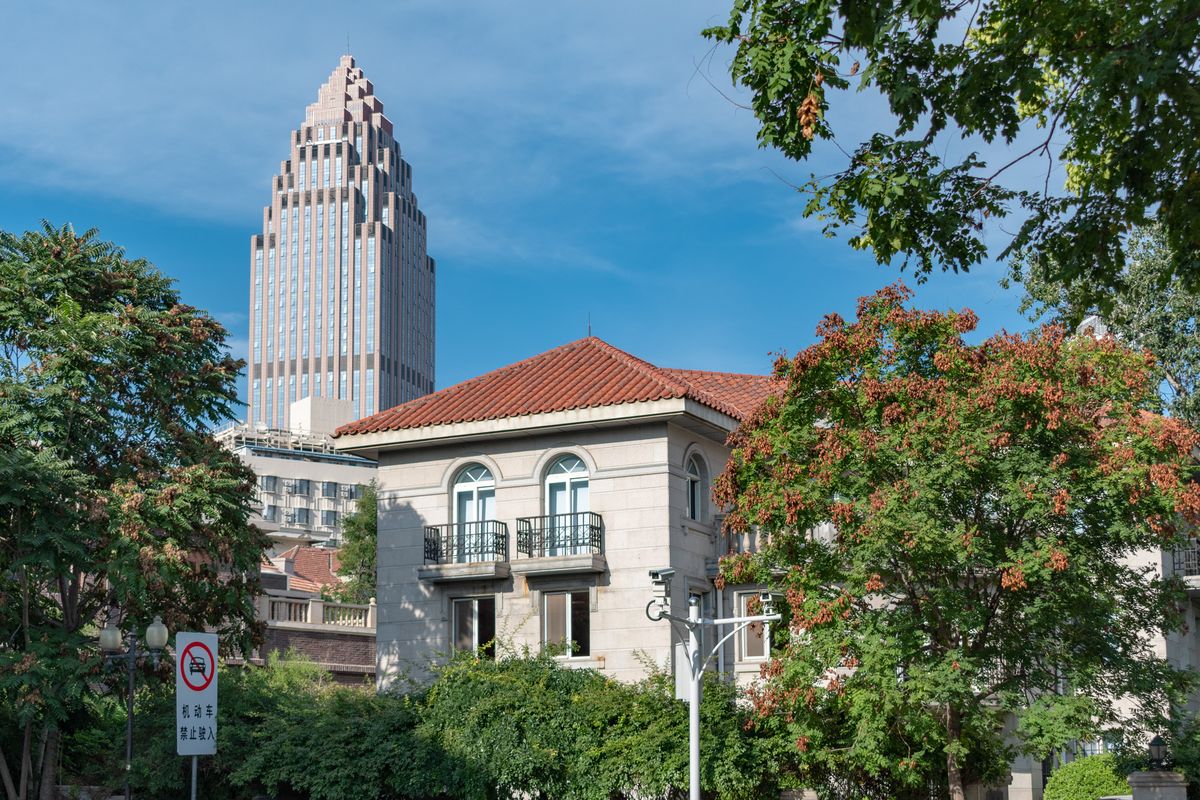
The European villas of the Five Great Avenues, Tianjin’s concession-era highlight. 2. The Hai River — the city’s riverfront, best at sunset and after dark.
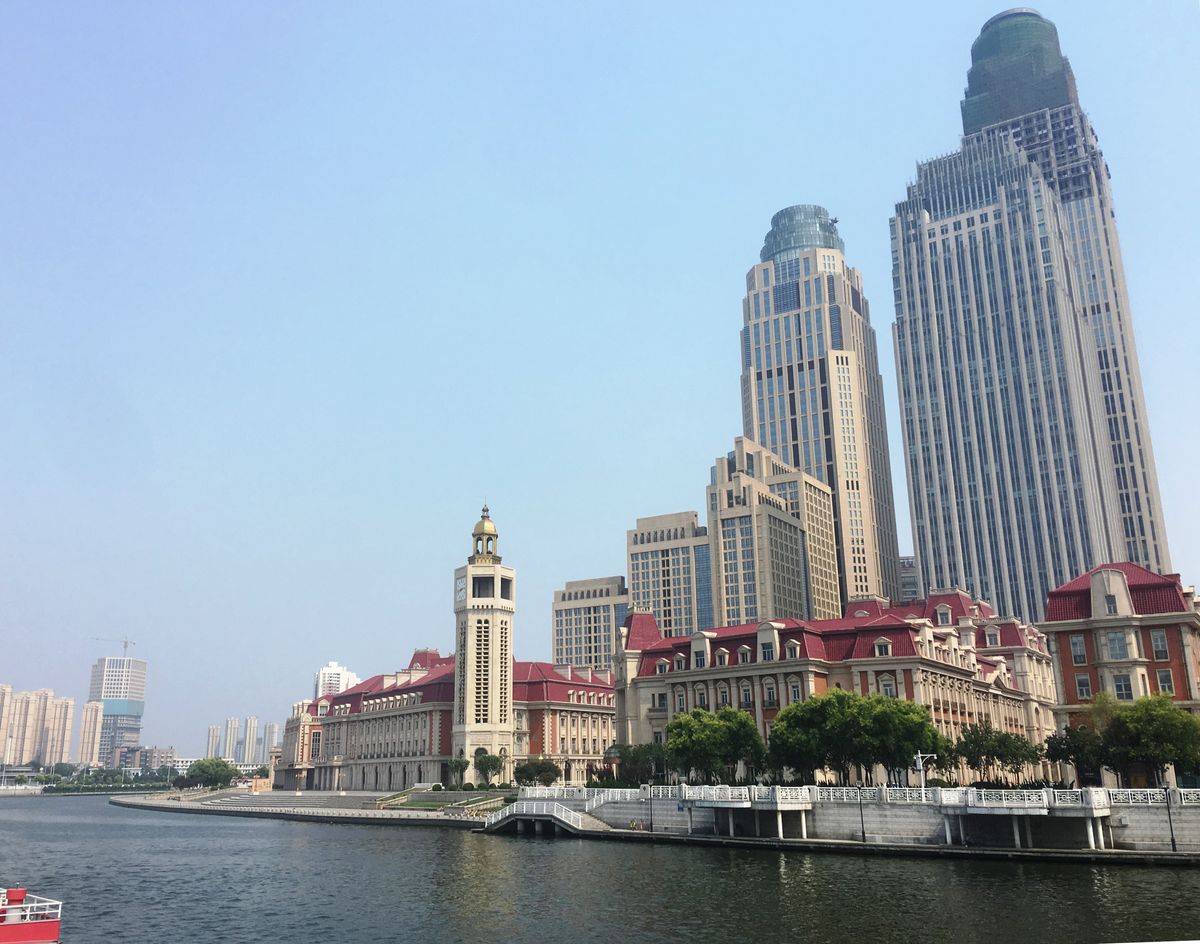
The Hai River at dusk in Tianjin, with the city’s riverfront lights coming on. 3. Ancient Culture Street — a restored old street of shops, snacks and handicrafts.
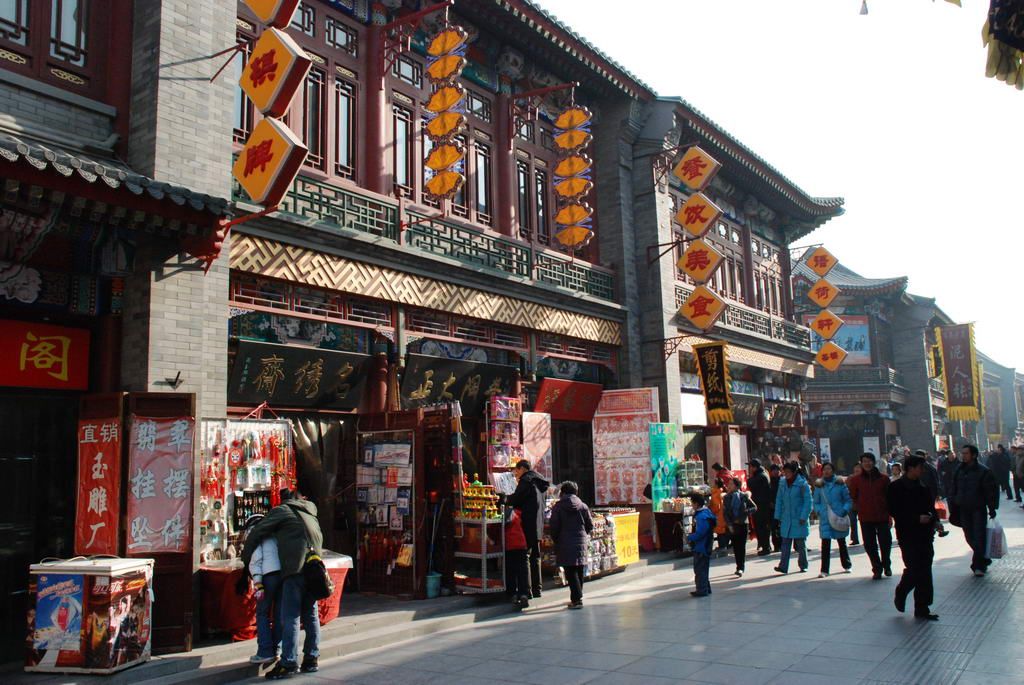
The Ancient Culture Street in Tianjin, a restored old street of shops, snacks and handicrafts. 4. The Tianjin Eye — the riverside Ferris wheel, nice at dusk. 5. The port and the old concessions — the wider legacy of the treaty-port era.
Getting there & around
- High-speed rail: about 30 minutes from Beijing South — the easiest day trip from the capital. Book with your passport — see our train guide.
- Flights: Tianjin Binhai (TSN) is an international airport, though most visitors arrive by rail.
- On foot & taxi: the center is compact and walkable; Didi covers the rest.
- Return to Beijing: trains run through the evening, so a day trip is flexible.
Food & snacks
- Goubuli baozi — the famous Tianjin steamed buns.
- Jianbing guozi — the breakfast crêpe, invented here and now everywhere.
- Mahuang — crispy fried dough twists, a Tianjin specialty.
- The Ancient Culture Street — the best place to graze on all of it.
Practical tips
- Set up Alipay and an eSIM before you arrive.
- Book the rail ticket in advance — Beijing–Tianjin is one of the busiest routes.
- Wear walking shoes — the Five Great Avenues are best on foot.
- Check the last train back if you’re doing a day trip.
Where to go next
Tianjin sits at the edge of the Beijing orbit — it’s the classic add-on to a Beijing visit. From there, the high-speed network fans out to Shanghai, Xi’an and the rest of the country. See our Beijing guide for how to build the trip around the capital.
The concession era, understood
Tianjin’s European flavor comes from its nine foreign concessions — districts ceded to Britain, France, Germany, Japan and others in the late 19th and early 20th centuries. Each built its own quarter, which is why the city has such a jumble of styles: English lanes, French villas, German banks. The Five Great Avenues were the residential heart of that era — the villa district where the foreign communities and Chinese elites lived. Walking it today, the pastel facades and tree-lined streets feel genuinely European.
The riverfront at night
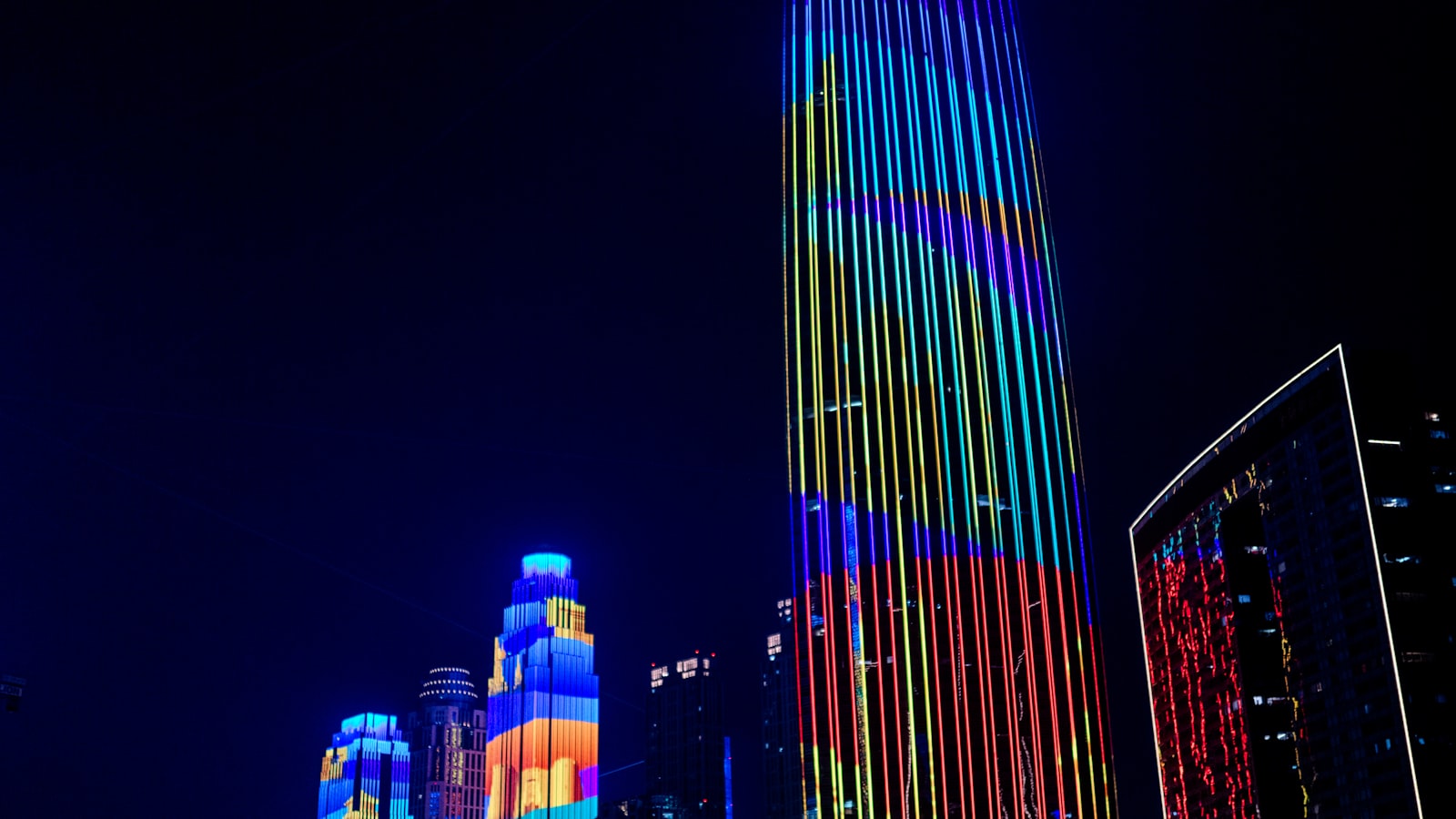
Tianjin’s Hai River is the city’s spine, and it’s at its best after dark. The riverside promenade runs through the center, passing the Tianjin Eye (the big riverside Ferris wheel), the old bridges, and the lit facades of the concession-era buildings. A stroll along the river at night is the most atmospheric thing to do in the city — and it’s free. The river is also where the city’s nightlife concentrates, with bars and restaurants along the banks.
Practical notes for the day trip
- The rail tickets fill fast — Beijing–Tianjin is one of the busiest routes; book in advance.
- The sights are close together — the Five Great Avenues, the river and the Ancient Culture Street are all within a short taxi ride of each other.
- Return trains run late — but confirm the last one if you’re doing a day trip.
- It’s walkable — wear comfortable shoes; the avenues are best on foot.
- Set up Alipay before you come.
A budget for Tianjin
Tianjin is cheaper than Beijing and it’s an affordable day trip. Rough figures for planning (per person, CNY, and prices change): the rail ticket Beijing–Tianjin is modest and quick; sights the Five Great Avenues are free to walk, the Tianjin Eye is the main paid attraction (around ¥70); food Goubuli baozi and the street snacks are cheap, a sit-down meal ¥50–80; transport within the city is walkable or cheap by taxi. Set up Alipay and it’s a genuinely low-cost day.
The history beneath the surface
Beyond the European villas, Tianjin has a deeper history. It was a major treaty port where China’s first modern industries, banks and newspapers began, and it played a real role in the late-Qing and Republican eras. The riverside still shows the scale of that port history, and the old concessions — beyond the famous Five Avenues — hold layers of the city’s past. For travelers interested in modern Chinese history, Tianjin is a more meaningful stop than its ‘day trip from Beijing’ label suggests.
A longer stay
A second day in Tianjin adds the Tianjin Eye at dusk, the porcelain house (a building covered in ceramics, a quirky sight), the Hai River cruise, and more of the concession districts. An overnight lets you see the riverfront after dark, which is genuinely lovely. If you’re in Beijing for several days, a relaxed Tianjin overnight is a pleasant change of pace — and the rail connection makes it effortless.
Tianjin vs Beijing, briefly
The two cities are an easy comparison because they’re half an hour apart. Beijing is imperial, vast and overwhelming — the history and the crowds. Tianjin is smaller, quieter and European-flavored — a breather with a different character. Many travelers find a Tianjin day is the perfect palate cleanser after the intensity of the capital: walkable, relaxed, and genuinely lovely without the pressure. If you’re in Beijing for four or more days, the day trip is worth it.
The concession districts, mapped
Tianjin’s European character is spread across a handful of distinct quarters, and knowing which is which makes walking the city much richer. The Five Great Avenues (Wudadao) is the old British Concession — a tidy grid of villa streets south of the city center, by far the largest and best-preserved area to wander. North of the Hai River sits the Italian Style Street, a restored early-20th-century Italian quarter of pastel buildings and small piazzas — smaller and more commercial than the Five Great Avenues, but charming for an hour. Between them, along the riverbank, you’ll find traces of the old French and German concessions in the facades of banks and warehouses. The Ancient Culture Street, by contrast, is a modern recreation of a traditional Chinese market street rather than a concession remnant — it’s about the shops and snacks, not the architecture. A good day plan is to start in the Five Great Avenues, cross to the riverfront, and finish at the Italian Quarter or the Ancient Culture Street in the afternoon.
The snacks, decoded
Tianjin’s food is easy to love because it’s street-level and snack-based. Jianbing — the savory breakfast crepe of egg, batter, scallions and a crispy cracker folded inside — was invented here and is now one of China’s best-known breakfasts; in Tianjin it’s the proper way to start the day. Goubuli baozi are the city’s famous steamed buns, with a savory filling and a distinctive folded top. Mahuang (fried dough twists) come in sweet and savory versions and are sold everywhere as a snack. Around the Ancient Culture Street you can graze all three in one walk, but the city’s real food streets are the small lanes off the main tourist strips, where breakfast stalls fill from about 7am. For a sit-down meal, Tianjin also has its own branch of northern Chinese cooking — seafood from the nearby Bohai coast, and hearty dishes generally heavier than Beijing’s.
The port and Binhai: a second-day option
Most visitors do Tianjin as a day trip and leave, but a second day opens up the modern side of the city. Binhai New Area, the port district east of the center, is where Tianjin’s industrial present lives — the Tianjin Binhai Library, a spectacular multi-story book-wall interior, and the Porcelain House, a building clad entirely in ceramics, are the two most-photographed stops. The old port area along the river also rewards a wander. Trains run from the city center to Binhai in about half an hour, so it’s an easy add-on if you’re staying overnight. If your time is tight, the day-trip core — the Five Great Avenues, the riverfront and the Ancient Culture Street — remains the essential Tianjin.
Last updated: August 2026. Attraction prices and hours change — confirm before you go.
Frequently Asked Questions
Why visit Tianjin?
Tianjin is the port city just east of Beijing — an easy half-hour high-speed rail ride — with a very different character. Its foreign concessions from the 19th and early 20th centuries left streets of European villas, churches and banks, best seen in the Five Great Avenues. It's a relaxed, walkable day trip from the capital, with riverside views and a quieter pace.
Is Tianjin a good day trip from Beijing?
Yes — one of the easiest. The high-speed rail from Beijing South takes about 30 minutes, and the city's key sights are walkable or a short taxi apart. A day covers the Five Great Avenues, the Hai River and the Ancient Culture Street. If you want more time, an overnight lets you catch the riverside at night.
What is the Five Great Avenues?
The Wudadao (Five Great Avenues) district is Tianjin's highlight — a grid of streets lined with early-20th-century villas in many European styles, built during the city's concession era. It's a pleasant, walkable neighborhood of historic houses, cafés and leafy streets — quite unlike anything in Beijing.
What should I eat in Tianjin?
Tianjin has its own snack culture: the famous Goubuli baozi (steamed buns), Jianbing guozi (the local breakfast crêpe, a Tianjin invention), and the city's crispy fried dough twists (mahuang). The Ancient Culture Street and the riverside are good places to sample them.
Is Tianjin worth more than a day?
For most travelers, a day is right — Tianjin's charms are concentrated and walkable. An overnight adds the riverside at night and a more relaxed pace. If you have time, it pairs with Beijing as a two-city stop, but it's genuinely a complement to the capital rather than a destination in its own right.