
Yinchuan Guide (2026): Western Xia, the Desert & the Yellow River
Yinchuan, the capital of Ningxia — the Western Xia tombs, the Helan Mountain rock art, the Shapotou desert and how to plan a visit to the northwest.
Yinchuan, Ningxia, China
Open an external map for this location.
OpenStreetMap Google Maps (opens externally)
Yinchuan is the heart of a lost kingdom — the Western Xia tombs rising from the desert plain, the ancient rock art of the Helan Mountains, and the desert meeting the Yellow River at Shapotou. It’s the off-the-beaten-path northwest at its most atmospheric.
Few regions of China feel as different as Ningxia. In Yinchuan, its capital, the layers of the past sit close together: a mysterious Tangut kingdom that vanished in the 13th century, its pyramid-like tombs still rising from the desert; rock art carved into the mountains over millennia; and the great Yellow River meeting the dunes at Shapotou. It’s a corner of China few tourists reach — and that’s exactly its appeal.
The Western Xia tombs
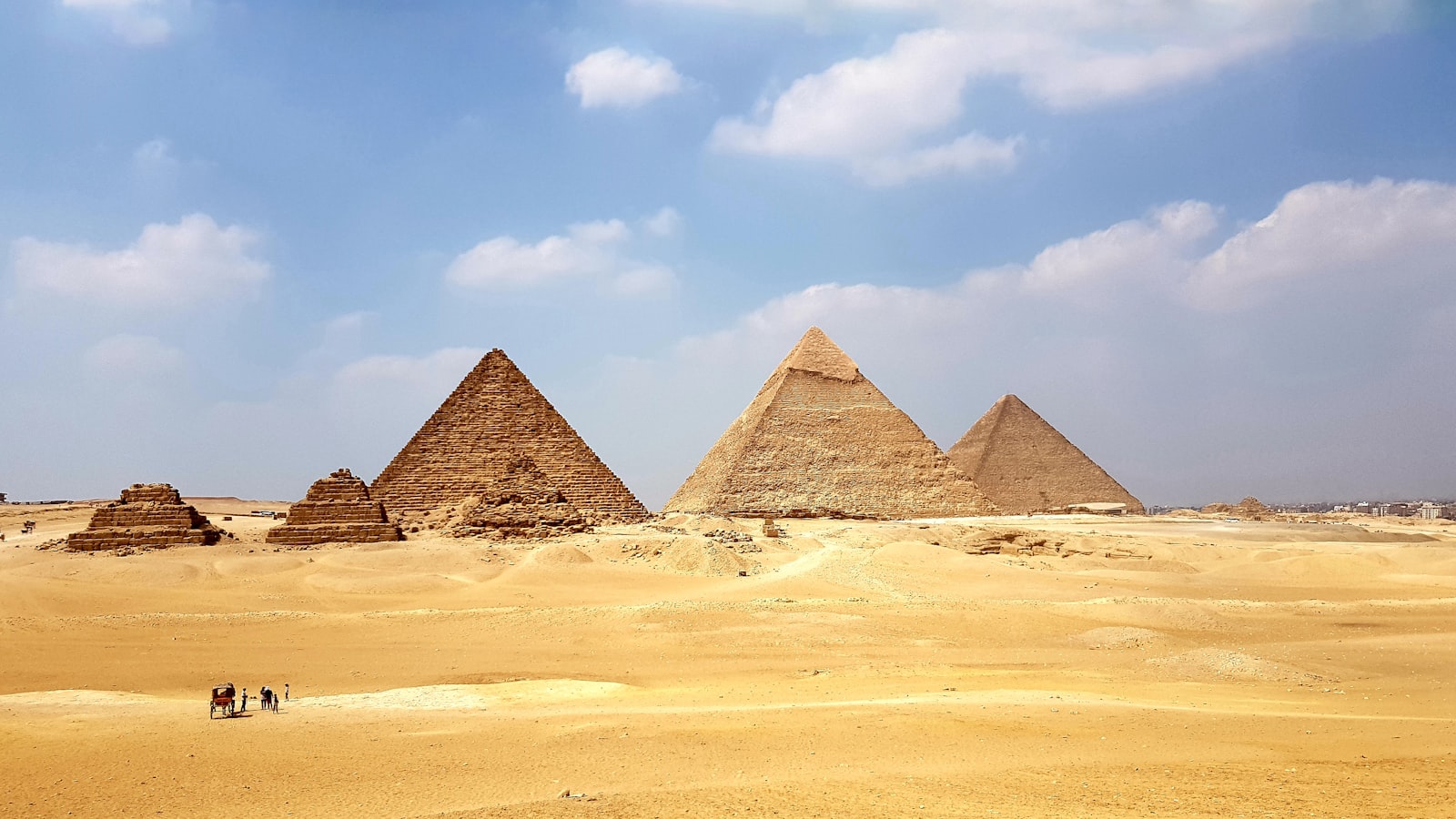
- The imperial burial mounds — the earthen, pyramid-like tombs of the Western Xia kingdom, rising from the desert plain.
- ‘The Chinese pyramids of the desert’ — the evocative name for a mysterious, half-buried site.
- Sunset — the classic time, when the mounds catch the golden light across the empty plain.
The tombs are the most evocative sight in Ningxia — a lost kingdom’s silent record in the desert.

The pyramid-like earthen mounds of the Western Xia imperial tombs rise from the desert plain west of Yinchuan.
The Helan Mountain rock art
- Ancient carvings — the rock art of the Helan Mountains, carved by nomadic peoples over thousands of years.
- The mountain backdrop — the dramatic range west of the city, with the petroglyphs in its canyons.
- The connection — the same mountains that held the rock art stand over the Western Xia tombs.
The rock art adds a deeper, older layer to the region’s story — from the nomadic peoples to the lost kingdom.
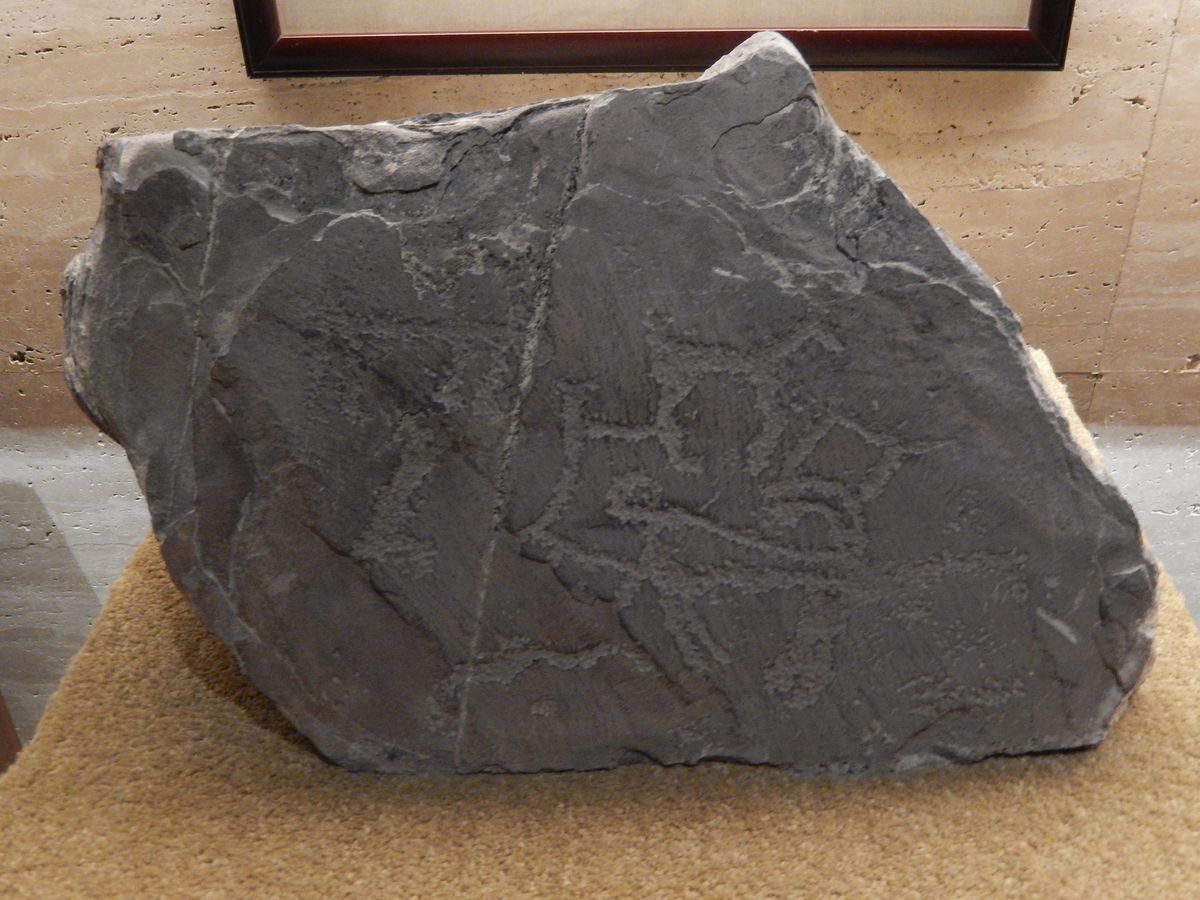
The Helan Mountains, their canyons carved with ancient petroglyphs, stand over the Western Xia tombs.
Shapotou: the desert meets the river
- The landscape — the Tengger Desert’s dunes dropping to the Yellow River; the iconic northwest scene.
- The activities — camel rides on the dunes, sand-sliding and the river; the tourist side of the visit.
- The atmosphere — the desert and the great river together, at the edge of the northwest.
Shapotou is the region’s most popular day trip — the landscape alone is worth the visit.
Practical notes
- Getting there — high-speed rail from Xi’an and Lanzhou; flights from across China.
- Getting around — the sites are spread out; a driver or a day tour is the practical way to see them.
- Best season — spring and autumn; the desert light is clearest in the cooler months.
- Get connected — set up Alipay and an eSIM for payment and booking.
- Food — the halal, lamb-rich local cuisine is excellent; eat where the locals eat.
The Western Xia kingdom: a brief history
The story of the Western Xia explains why Yinchuan feels so different. From the 11th to the 13th century, this region was the heart of a powerful Tangut kingdom, the Western Xia, built by a people who had their own script, their own Buddhist traditions and a state strong enough to fight both the Song dynasty to the east and the rising Mongols to the north. Their capital stood near modern Yinchuan, and their emperors were buried in the great tomb complex that survives today. The kingdom fell violently in 1227 when the Mongols under Genghis Khan sacked it — the destruction was so complete that for centuries the Tangut language and culture were almost entirely forgotten. What remains is the physical record: the earthen pyramids of the imperial tombs, scattered stone carvings, and fragments of the Tangut script that scholars only began to decipher in the modern era. That history of a brilliant, vanished civilization gives the site its haunting quality — you are looking at the monuments of a kingdom that the rest of the world lost track of for seven hundred years.
A two-day plan for Yinchuan
The sites around Yinchuan are spread out, and the practical way to see them is with a private driver or a day tour arranged through your hotel, since public transport to the tombs and the rock art is limited. On day one, head west of the city: start at the Helan Mountain rock art in the morning, when the light on the canyon walls is clearest, then drive to the Western Xia tombs for the afternoon. Aim to be at the tombs near sunset, when the mounds catch the golden light and the plain empties of day visitors — this is the classic Yinchuan photograph. On day two, drive south to Shapotou and spend the day in the desert-river landscape: the camel ride and the sand-sliding in the morning, the river and the dune viewpoints in the afternoon, and the drive back to Yinchuan in the evening. If you have a third day, the city itself is worth exploring — the Ningxia Museum for the Western Xia collection, and the old town’s Muslim quarter for the food.
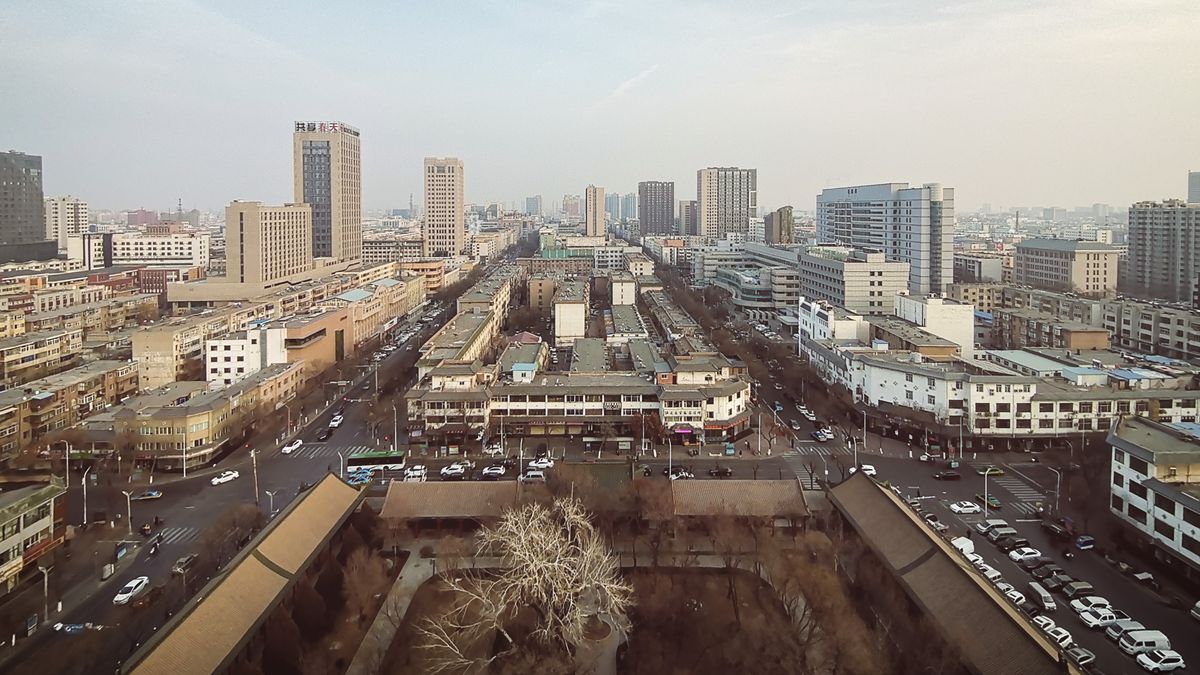
In Yinchuan itself, the Chengtiansi Pagoda is the city’s best-known historic landmark.
The food of Ningxia
Ningxia is one of China’s most rewarding regions for halal food, and Yinchuan is the place to eat it. Lamb is the centerpiece — grilled skewers dusted with cumin and chili, hand-pulled noodle soup in a rich lamb broth, and the region’s famous braised lamb dishes. The local lamian is excellent and cheap, and the Muslim quarter of the old town is lined with eateries where a full meal costs a fraction of what it would in a big city. Look for hand-stretched noodles, liangpi (cold noodles in a tangy chili sauce) and the flatbreads that come fresh from the oven all day. Ningxia is also famous across China for its goji berries — the region is the country’s main producer — and the dried berries, nuts and fruit from the markets make excellent, lightweight souvenirs. For Muslim travelers this is one of the most food-comfortable regions in the country; see our Muslim travelers guide for the wider picture.
Budget and practicalities
Yinchuan is inexpensive by Chinese standards. The main costs are the site tickets — the Western Xia tombs run roughly 70–100 RMB and Shapotou a little more with the activities — and the transport, since a private driver for the day typically runs 400–600 RMB. Food is very cheap: a full lamb-and-noodle meal is usually 40–60 RMB per person. A comfortable hotel in the city runs 250–450 RMB a night. Set up Alipay and an eSIM before you arrive so you can pay by QR code at the small eateries and the markets and book drivers and tickets online. The climate is dry — the desert light is beautiful but strong, so carry water, sun protection and a hat even in the cooler months.
Common mistakes to avoid
The most common mistake in Yinchuan is underestimating the distances: the tombs, the rock art and Shapotou are not walkable or easily reached by bus, and without arranging transport you will waste the day. A second mistake is skipping the rock art because the tombs are the headline — the petroglyphs are the region’s oldest layer and well worth the drive. A third is visiting the tombs at midday, when the light flattens and the heat drains the atmosphere; late afternoon is the time. Finally, do not assume Yinchuan is a small place with little to see — a half-day visit shortchanges a region that comfortably deserves two days, and the unhurried pace is part of the appeal. Plan two days, arrange a driver, and let the desert-light atmosphere do the rest.
The bottom line
Yinchuan is the heart of the lost Western Xia kingdom — the mysterious tombs in the desert, the ancient rock art of the mountains, and the desert meeting the Yellow River. It’s an off-the-beaten-path corner of the northwest that rewards the traveler who goes. Two days at the tombs, the petroglyphs and Shapotou, and you’ll have seen a China that few tourists do.
When to go, season by season
Yinchuan’s climate is a dry northwest pattern of big seasonal swings. Spring (April–May) brings mild days, clear desert light and wildflowers on the Helan slopes — good for the rock art, which needs good light on the canyon walls. Autumn (September–October) is the best all-round window: warm days, cool nights and the golden light that makes the Western Xia tombs at sunset so striking. Summer (June–August) is hot and dry, with strong sun — the desert sites are exhausting at midday, so go early; the advantage is thin crowds and long evenings. Winter (November–February) is cold and quiet, with occasional snow dusting the mounds; the tombs are atmospheric but the outdoor sites are brisk, and some facilities close or shorten hours. Whenever you go, the rhythm is the same: morning for the rock art, late afternoon for the tombs, and Shapotou on a clear day.
Practical details for the sites
A few practical notes smooth the Yinchuan visit. The Western Xia tombs are a large, open site west of the city — allow two to three hours, wear sun protection, and use the shuttle within the grounds if offered. The Helan Mountain rock art is spread through the canyons, reached on foot from a small visitor center; go in the morning for the best light, and note that some panels are fenced for preservation. Shapotou is about 2 hours south by car — the camel rides and sand-sliding are add-ons, so decide at the entrance whether you want the activities or just the landscape. Across all three, tickets are bought at the gate (cashless via Alipay or WeChat), and English signage is limited — a translation app and the Chinese names of the sites written down will help. Because the sites are spread out, a driver or day tour is the practical default; ask your hotel to arrange one the evening before.
Last updated: August 2026. Access and opening hours change — confirm current details before you go.
Frequently Asked Questions
What is Yinchuan known for?
Yinchuan is the capital of **Ningxia**, the compact autonomous region in China's northwest, and the heart of the **Western Xia kingdom** — a powerful Tangut state destroyed in the 13th century. Its defining sights are the mysterious **Western Xia imperial tombs** (the 'Chinese pyramids' of the desert), the ancient **Helan Mountain rock art**, and the **Shapotou desert** where the Yellow River meets the dunes. It's an off-the-beaten-path, atmospheric corner of the northwest.
Is Yinchuan worth visiting?
Yes — for travelers who want something genuinely different. Yinchuan offers a lost kingdom (the Western Xia tombs), a desert-and-river landscape (Shapotou), ancient rock art and a distinctive regional culture that few tourists see. It's less polished than the headline cities, but the rewards are real: the tombs at sunset, the desert at the river's edge, and a sense of the northwest that the big sights don't give.
What are the Western Xia tombs?
The **Western Xia imperial tombs** are the burial mounds of the Tangut kingdom that ruled this region until the 13th century — a site of mysterious, pyramid-like earthen mounds rising from the desert plain, with scattered stone remains. They're called the 'Chinese pyramids of the desert,' and they're the most evocative sight in Ningxia. Sunset is the classic time, when the mounds catch the golden light across the empty plain.
How do I get to Yinchuan?
**High-speed rail** connects Yinchuan to Xi'an, Lanzhou and other cities, and there's an airport with flights from across China. It's a natural stop on a **northwest route** — Xi'an, Lanzhou, Yinchuan and the Silk Road west. The sights are spread around the city and the region, so a driver or a day tour is the practical way to see the tombs, the rock art and the desert.
What is Shapotou and is it worth it?
**Shapotou** is the scenic spot where the Yellow River meets the Tengger Desert — the iconic northwest landscape of dunes dropping to the great river. It's a mix of natural spectacle and tourist development: camel rides on the dunes, the river, and the sand-sliding the area is known for. It's the region's most popular day trip, worth it for the landscape, with the tourist activities as the extra.
How much time do I need in Yinchuan?
**Two days** is the right amount: day one for the Western Xia tombs and the Helan Mountain rock art (both west of the city), day two for Shapotou and the desert-river landscape. A single day is possible with a tight route but rushed; the sites are spread out, and the region rewards two days. It works well as a 2–3 day stop on a northwest itinerary.
What should I know about Ningxia's culture?
Ningxia is an autonomous region with a large **Muslim (Hui) population** — the food scene is halal-rich, and the region has a distinct identity within China. The local cuisine (lamb, noodles, halal street food) is excellent and affordable. It's also the homeland of the **Western Xia** culture, with the tombs and the rock art as its surviving record. See our [Muslim travelers guide](https://chinotrips.com/how-to/muslim-travelers-china/) for the food context.