
Knife-Cut Noodles (Daoxiaomian): Shanxi's Hand-Sliced Specialty
Knife-cut noodles — daoxiaomian — are Shanxi's famous hand-sliced noodles, shaved straight into the pot with a curved blade. What they are and where to eat them.
Knife-cut noodles — daoxiaomian — are Shanxi’s famous hand-sliced noodles: ribbons shaved straight from a block of dough into boiling water with a curved blade. Chewy, irregular, and worth watching being made. Here’s what they are and where to eat them.
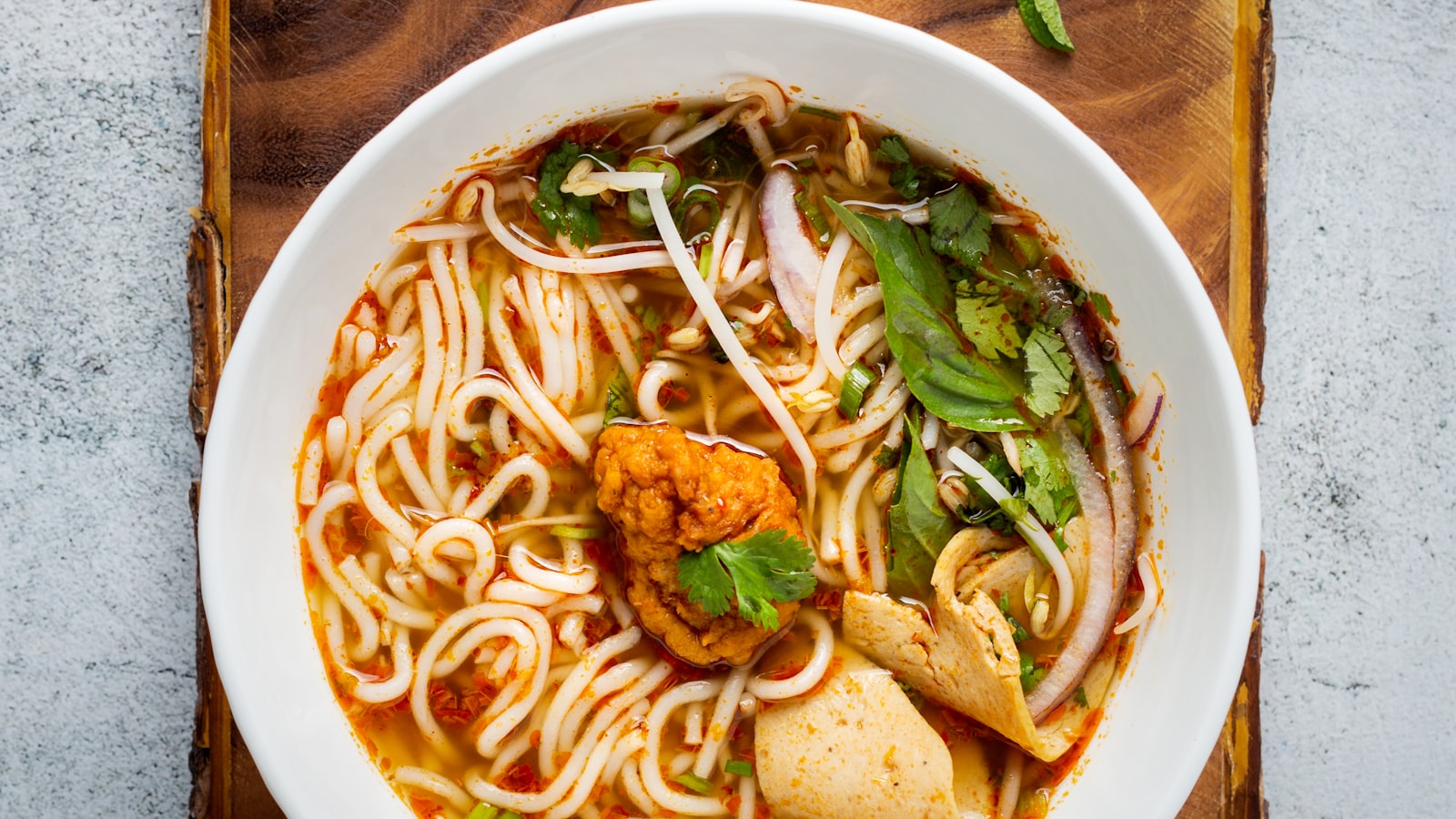
Knife-cut noodles (刀削面, daoxiaomian) are the pride of Shanxi, the province that calls itself China’s noodle heartland. Instead of being rolled or pulled, the noodles are shaved directly from a firm block of dough with a curved knife, straight into a pot of boiling water. The result is a bowl of irregular, chewy slices — each one a slightly different shape — in a savory broth. It’s one of the most distinctive noodles in China, and the making is a show you shouldn’t miss.
Why Shanxi is China’s noodle province
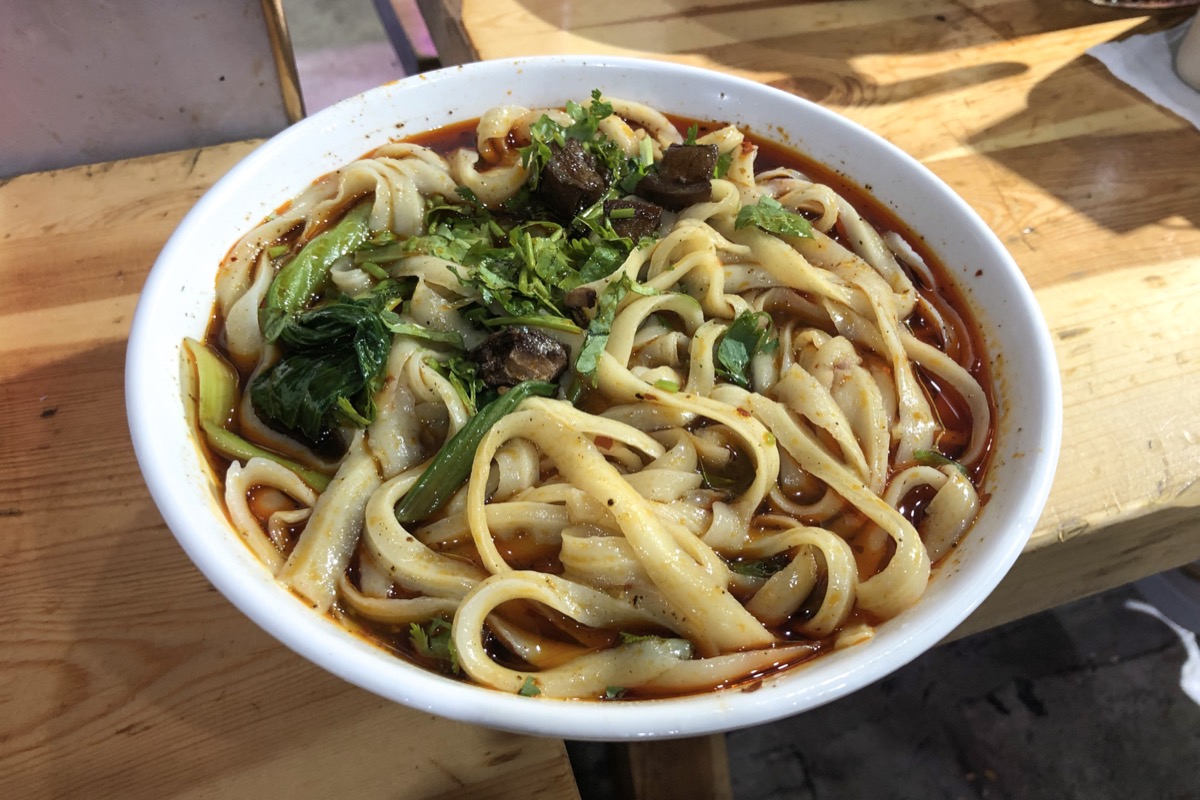
Shanxi’s claim on noodles runs deep. The province has a saying that the world’s noodles are in China and China’s are in Shanxi, and it’s not empty bragging — Shanxi has hundreds of noodle styles, from the knife-cut here to a whole family of other hand-made shapes. The reasons are practical: a cold, dry northern climate and a wheat-growing tradition made noodles the staff of life, and generations of cooks turned the basics into a craft. Knife-cut noodles are the most famous export of that tradition.
How the knives make the noodles
The technique is the spectacle. The cook holds a long, firm block of dough in one hand, angled over the pot, and a curved blade in the other. With a quick, rhythmic motion, they shave thin slices off the dough — each one flicking into the boiling water, slightly uneven and slightly different in shape. A skilled cook can fill the pot in under a minute. It’s precise, fast, and hypnotic to watch — and because each noodle is hand-shaved, the texture is genuinely chewy and distinct.
What’s in the bowl
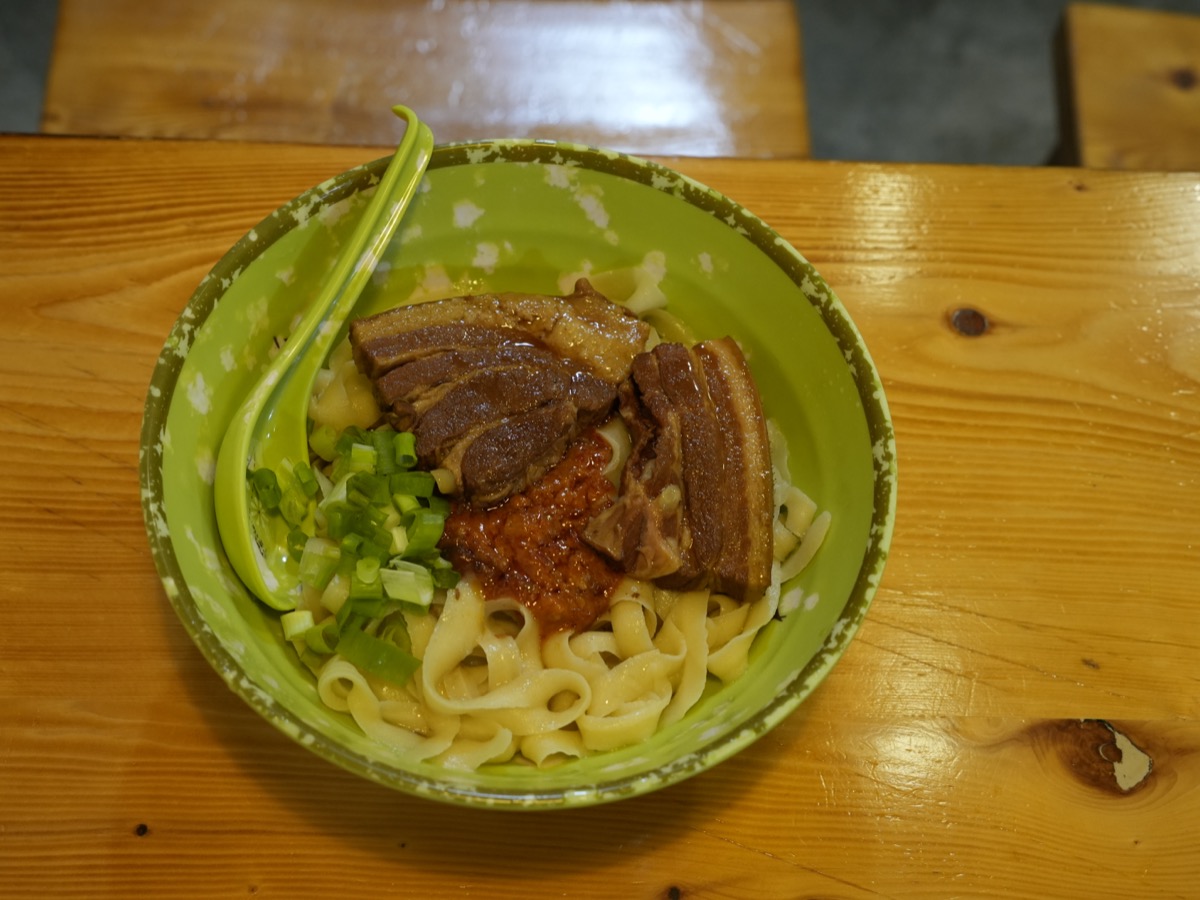
A classic bowl of knife-cut noodles is hearty and simple:
- The noodles — irregular, chewy slices, the star of the show.
- The broth — savory, often tomato-based or a rich pork or beef broth.
- The toppings — often a meat or egg, sometimes greens and scallion.
- The flavor — mild to medium, with chili and vinegar at the table.
- The eating — slurp the chewy slices; they’re best hot.
Where to eat knife-cut noodles
The most authentic bowls are in Shanxi — the capital Taiyuan and the old town of Datong both have strong noodle traditions and plenty of shops flying the daoxiaomian flag. But the dish is so popular that you’ll find knife-cut noodle shops across northern China and in most big cities. Look for the open kitchen where you can watch the shaving — it’s both a quality signal and free entertainment. For a wider map of China’s bowls, see our noodles in China guide, and the regional cuisines overview for how Shanxi fits the northern picture.
How to order like a local
- Watch the kitchen — if you can see the shaving, you’re in the right kind of shop.
- Pick your broth — tomato, pork or beef are the classics; picture menus make it easy.
- Spice to taste — chili is usually at the table; ‘bula’ (no spice) is fine.
- Add vinegar — Shanxi is also famous for its vinegar; a splash is a local habit.
- Payment — cashless is standard.
What it costs
A bowl of knife-cut noodles is typically ¥15–35 (estimate), depending on the broth and the shop. It’s a filling, budget-friendly meal, especially in the northern cities where it’s a daily staple.
A few practical notes
- Texture is the point: the noodles are deliberately uneven and chewy — that’s what makes them special, not a flaw.
- Vegetarian: a tomato-egg or vegetable broth version is usually available; ask for ‘sude’.
- Watch it made: if you can, sit near the kitchen — the shaving is genuinely worth seeing.
- Explore more: for more of Shanxi and northern China’s food, see our northern China food guide.
The blade and the craft
The tool defines the dish. A proper knife-cut noodle cook works with a crescent-shaped blade — wider and heavier than an ordinary kitchen knife — sharpened along the inside curve. The technique is part performance, part muscle memory: the cook holds the dough block steady and shaves with a rapid, angled flick, letting each thin piece arc off the blade into the water. A skilled shaver produces a steady rhythm of noodles, and the speed is astonishing to watch. That curved blade and the wrist motion behind it are Shanxi craft that has been passed down through generations — and it’s exactly why the noodles come out so irregularly perfect.
Shanxi’s vinegar: the perfect partner
Knife-cut noodles meet their match in Shanxi’s other famous product: vinegar. The province is home to some of China’s oldest and most respected aged vinegars, made from sorghum and wheat in a slow, traditional process that can take years. Locals splash it on noodles as naturally as they add salt, and a few drops on knife-cut noodles brightens the broth and cuts the richness of a pork-based bowl. If you want to eat like a Shanxi native, treat the table vinegar as an ingredient, not an afterthought. For more on the province’s food and how it fits the northern picture, see our northern China food guide.
The wider Shanxi noodle family
Knife-cut noodles are the most famous of Shanxi’s hundreds of noodle styles, but they’re not the only one worth knowing. The province also produces cat’s-ear noodles (mao’erduo), whose shape comes from pressing dough with the thumb; hand-rolled noodles with their pillowy texture; and noodles so fine they’re almost thread-like. The abundance is the point of Shanxi cuisine: in a cold northern province where wheat was the staff of life, cooks turned the same dough into an endless repertoire of shapes and textures. If you’re in Taiyuan or Datong, a day of noodle-shopping across these styles is a genuine culinary tour.
When to go
Knife-cut noodles are a lunch-and-dinner staple, and the timing shapes the experience. At lunch, the open kitchens are at full speed — a row of cooks shaving noodles into a line of boiling pots, which is the show at its best. Dinner is calmer but still busy, and a good time to linger over the bowl. In the northern cities, a bowl of knife-cut noodles is also a reliable winter meal, hot and filling against the cold. Follow the lunchtime queue and you’ll get the freshest shavings and the best view of the craft.
The honest takeaway
Knife-cut noodles are the noodle you go to for texture and showmanship — hand-shaved, uneven, chewy, and delicious in a savory broth. They’re a window into why Shanxi calls itself China’s noodle heartland, and watching them made is half the experience. Order a bowl, add a little Shanxi vinegar, and enjoy one of the most distinctive meals in northern China.
Last updated: August 2026. Prices are estimates and change — confirm before you go.
Frequently Asked Questions
What are knife-cut noodles?
Knife-cut noodles (daoxiaomian) are a Shanxi specialty: noodles made by shaving thin, irregular slices directly from a block of dough into boiling water, using a curved blade. Each noodle is a slightly different shape, which gives them a wonderfully chewy texture. They're served in a savory broth, often tomato, pork or beef.
Why are Shanxi noodles so famous?
Shanxi is known as China's noodle heartland — the saying goes that the world's noodles are in China, and China's are in Shanxi. The province has hundreds of noodle styles, and knife-cut noodles are its most famous, with a tradition of hand-making that's treated as a craft.
How are knife-cut noodles made?
The cook holds a long, firm block of dough in one hand and shaves slices directly into a pot of boiling water with a curved knife in the other, working fast and rhythmically. The motion is precise and fast — it's a genuine spectacle, and the irregular shavings that result cook up chewy and distinct.
Where can I eat knife-cut noodles in China?
Knife-cut noodles are most authentic in Shanxi — especially the capital Taiyuan and the old town of Datong — but you'll find daoxiaomian shops across northern China and in most big cities. Look for the open kitchen where you can watch the shaving; that's a sign of a proper shop.
How spicy are knife-cut noodles?
Usually mild to medium. The classic broths — tomato, pork or beef — are savory rather than fiery, with chili added at the table if you want it. That makes them an approachable option for travelers who want big texture without big heat.