
Chengdu vs Chongqing: Food, Vibe & Who Should Visit
Chengdu's laid-back teahouses or Chongqing's dramatic mountain-city energy? Compare food, atmosphere and ease of travel to pick your city.
Chengdu and Chongqing are the twin hearts of western China — and while they’re only an hour apart by rail, they feel like different worlds.
One is famous for pandas, teahouses and a laid-back pace; the other for dramatic mountain-city views, fiery hotpot and relentless energy. Here’s how they compare.
The short answer
- Choose Chengdu for pandas, teahouses, a slower pace and food variety.
- Choose Chongqing for dramatic night views, legendary hotpot and a one-of-a-kind urban landscape.
- Choose both if you can — the rail link makes it easy, and they complement each other perfectly.
Atmosphere
Chengdu is the capital of Sichuan and the archetype of the Chinese slow life: teahouses in parks, mahjong tiles clicking, and a genuinely relaxed rhythm. It’s the city of the panda and a place where the pace of life feels noticeably calmer than China’s eastern megacities.
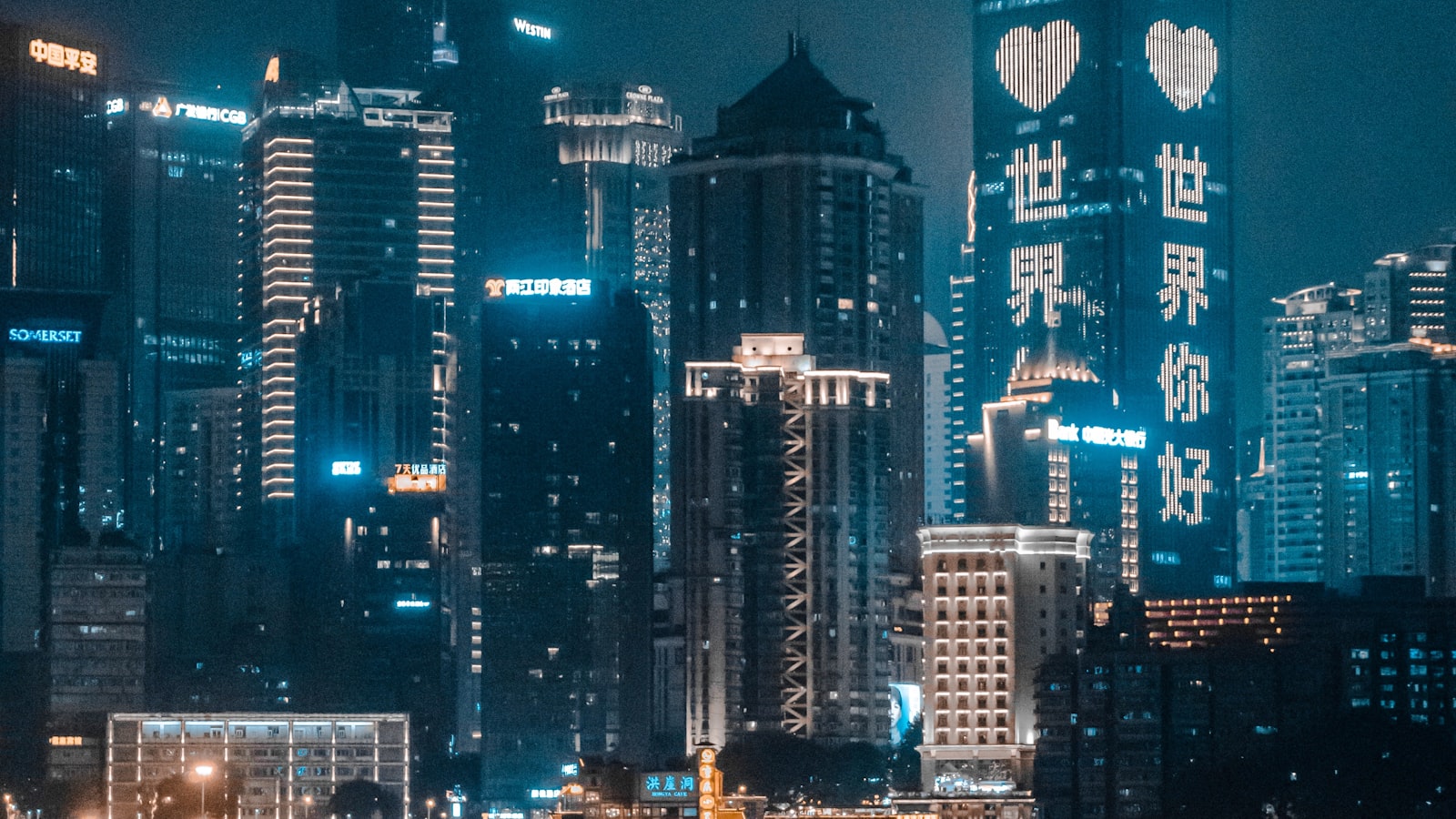
Chongqing is the opposite: a sprawling ‘mountain city’ built on steep hills where the Yangtze and Jialing rivers meet. Its skyline is futuristic, its streets are vertigo-inducing, and its energy is loud and proud. It feels like a city built for spectacle — especially at night, when the lights stack up the hillside.
Food
- Chengdu: the full range of Sichuan cuisine — hotpot, mapo tofu, dandan noodles, cold snacks, and a serious café and dessert culture. More variety, more refinement, and easier for less-adventurous eaters.
- Chongqing: hotpot is the religion — a bubbling, numbing, fiery pot of chili and Sichuan pepper that locals treat as a social ritual. The rest of the menu is equally bold; Chongqing food is aggressive, flavorful and unforgettable.
Verdict: for variety and comfort, Chengdu. For the definitive hotpot experience and food with attitude, Chongqing.
Getting around & effort
- Chengdu: flat, walkable, easy metro. Comfortable for all travelers.
- Chongqing: hilly to an extreme — you’ll take escalators up roads, elevators between streets, and walk a lot of stairs. The metro is excellent but involves deep descents. Rewarding, but genuinely tiring.
Getting there
- Between them: high-speed rail, about 1 hour — book with your passport, see our train guide.
- Chengdu: Tianfu (TFU) and Shuangliu (CTU) airports serve major domestic and international routes.
- Chongqing: Jiangbei (CKG) airport connects most Chinese cities and many Asian routes.
How to choose (decision rule)
- Want pandas and a relaxing city break → Chengdu.
- Want night views, drama and serious hotpot → Chongqing.
- Have 3–4 days in the region → do both; they’re an hour apart.
- Traveling with young kids or limited mobility → Chengdu is far easier.
- Food is the main event → both deliver; pick by hotpot vs. variety.
Practical tips
- Set up mobile payment — street food and small restaurants are cashless.
- Chongqing’s night views are best from the riverside walkways and the Hongya Cave area, which is spectacular after dark.
- Chengdu’s pandas need an early start — see our Chengdu guide for the details.
- Both cities connect easily to the classic route through Xi’an and Beijing.
Beyond the city
Chengdu is a launchpad for some of China’s best day trips: the Leshan Giant Buddha (about 1.5–2 hours away) is the world’s largest stone Buddha; Dujiangyan is a 2,200-year-old irrigation system that still works; and further out, Mount Emei and Jiuzhaigou are multi-day mountain getaways. Chongqing has fewer famous day trips, but the Dazu Rock Carvings (about two hours away) are a UNESCO-listed cliff gallery of Buddhist art well worth a full day.
Where to stay & nightlife
Chengdu’s best neighborhoods for visitors are around the city center and the riverside, near the metro. Its nightlife is café-and-teahouse relaxed with a sprinkling of live-music bars. Chongqing is the late-night city — the Hongya Cave and riverside promenades glow after dark, and its rooftop bars are famous. Wherever you stay, keep your hotel near a metro line; both cities are large, and a good metro connection beats a cheap hotel in the wrong district.
Cost & comfort
Both cities are inexpensive by international standards — street food, transport and hotels all sit well below Western-city prices. Chengdu’s flat layout and slower pace make it the more comfortable base for a longer stay; Chongqing’s hills and summer heat demand more energy, but its hotel prices are often a little lower and its night views are world-class. If you’re choosing on comfort alone, Chengdu is the easier city to live in; if you want maximum drama per yuan, Chongqing delivers.
Where they fit in a bigger trip
Chengdu and Chongqing sit naturally on the western leg of a first China trip — after Xi’an and before or after the Yangtze River area. They’re also gateways to Guilin’s scenery and the rest of southwest China.
A suggested itinerary
Three to four days covers the pair well:
- Days 1–2, Chengdu: the panda base early on day one (before the bears nap), a teahouse and People’s Park in the afternoon, then a food-focused evening. Day two: the Leshan Giant Buddha day trip, or a slower morning in the parks and neighborhoods.
- Day 3, Chongqing: rail across (about an hour), then the afternoon in the old town and the Hongya Cave area; save the riverside night views for after dark, when the skyline stacks up the hillside.
- Day 4, Chongqing: a morning of hotpot culture and the city’s viewpoints, then onward.
If you only have two days, choose one city and skip the hop — the rail is easy, but each city deserves more than a single rushed afternoon.
What to order
In Chengdu, aim beyond hotpot: mapo tofu, dandan noodles, kung pao chicken, cold noodles and the endless small snacks at the local markets. The teahouses are a food experience too — order tea, a snack or two, and watch the city idle for an hour.
In Chongqing, the order is simple: hotpot, hotpot, then xiaomian (spicy noodles) for breakfast the next day. Order it the local way — a pot fully spicy or split, with the sesame-oil dipping sauce, and a pile of beef, tripe and vegetables to cook at the table. If the heat is too much, the yogurt drinks and cold desserts nearby are the standard rescue. Both cities’ food is spicy by default, but you can usually ask for less heat (bu la), and Chengdu especially has plenty of mild dishes.
Common mistakes to avoid
- Underestimating Chongqing’s hills — what looks like a 15-minute walk can be a long stair climb; use the metro and the street escalators.
- Visiting the pandas at midday — the bears are asleep; go early.
- Skipping Chengdu’s non-panda side — the teahouses and the food are the real draw.
- Rushing the pair in a weekend — they’re an hour apart but each deserves real time.
- Fearing the spice — both cities have milder options if you ask, and Chengdu’s variety covers non-spicy eaters well.
Two last thoughts. Chengdu is best experienced slowly — you can’t rush a teahouse — while Chongqing rewards a little stamina, so match your energy to the city and you’ll get the best of both. And don’t skip the riverside walk in Chongqing during the day: the meeting of the two rivers is as impressive in daylight as the skyline is after dark. Whichever you choose, the two cities together make one of the most rewarding short hops in China.
Last updated: August 2026. Rail times and prices change — confirm before you go.
Frequently Asked Questions
Which city has better food — Chengdu or Chongqing?
They're rivals, and both are legendary. Chongqing is the home of the fiery, numbing hotpot; Chengdu has the same Sichuan flavor family but with more variety and refinement — cold noodles, dumplings, and a bigger café and tea scene. If hotpot is your mission, Chongqing. If you want variety and to eat all day, Chengdu.
Which city is easier to get around?
Chengdu, clearly. It's flat, grid-like and walkable, with a straightforward metro. Chongqing is a 'mountain city' — roads stack on top of each other, the metro dives deep underground, and you'll climb stairs, ramps and escalators all day. Both have excellent metros; Chongqing's is just more extreme.
Can I do both in one trip?
Yes — they're about an hour apart by high-speed rail, so doing both is very common. A sensible plan is 2 days in Chengdu (pandas, teahouses, food) and 1–2 days in Chongqing (night views, hotpot, the rivers). They're different enough that the combination works well.
Which city feels more 'authentically Chinese'?
Both are completely Chinese, but in different ways. Chengdu is the classic slow-life city — teahouses, mahjong, parks. Chongqing is brash, dramatic and futuristic, with a food culture that's fiercely proud. Neither is a tourist theme park; both are very real.
When is the best time to visit?
Spring (March–May) and autumn (September–November) are best for both. Summers in Chongqing are famously brutal — one of China's 'furnaces' — and Chengdu's summer is humid and rainy. Winter is gray and chilly in Chengdu; Chongqing winters are foggy but mild.