
Mohe & the Northmost China Guide: The Aurora Town (2026)
Mohe, China's northernmost town — the 'Chinese North Pole', the aurora, the winter cold, and the forested wilds of the far northeast. How to visit the edge of China.
Mohe, Heilongjiang, China
Open an external map for this location.
OpenStreetMap Google Maps (opens externally)
Mohe is China’s northernmost town — the top of the country, the ‘North Pole Village’, the extreme cold and the occasional aurora. It’s a remote, atmospheric destination for travelers who want the very edge of China.
At the top of China, where the forests of Heilongjiang meet the Russian border, sits Mohe — the country’s northernmost town, marketed with a wink as the ‘North Pole Village’. It’s the place to go for the extremes: China’s coldest winters, the northernmost point of the country marked on the riverbank, the snow-bound forests, and the rare, lucky aurora. It’s remote and simple — but for the traveler who wants the edge of the map, it’s unforgettable.
The North Pole Village
- The northernmost point — the riverside markers where the border with Russia runs, the ‘top of China’.
- The village — the small, atmospheric complex built around the northmost theme.
- The river — the Amur (Heilongjiang) River, the border itself, frozen in winter.
- The idea — being at the very top of the country; the place is the point.
The village is simple and symbolic — it’s the northernmost place in China, and standing there is the experience.
The cold and the winter
- The extreme — China’s lowest temperatures, with winter cold commonly below −30°C.
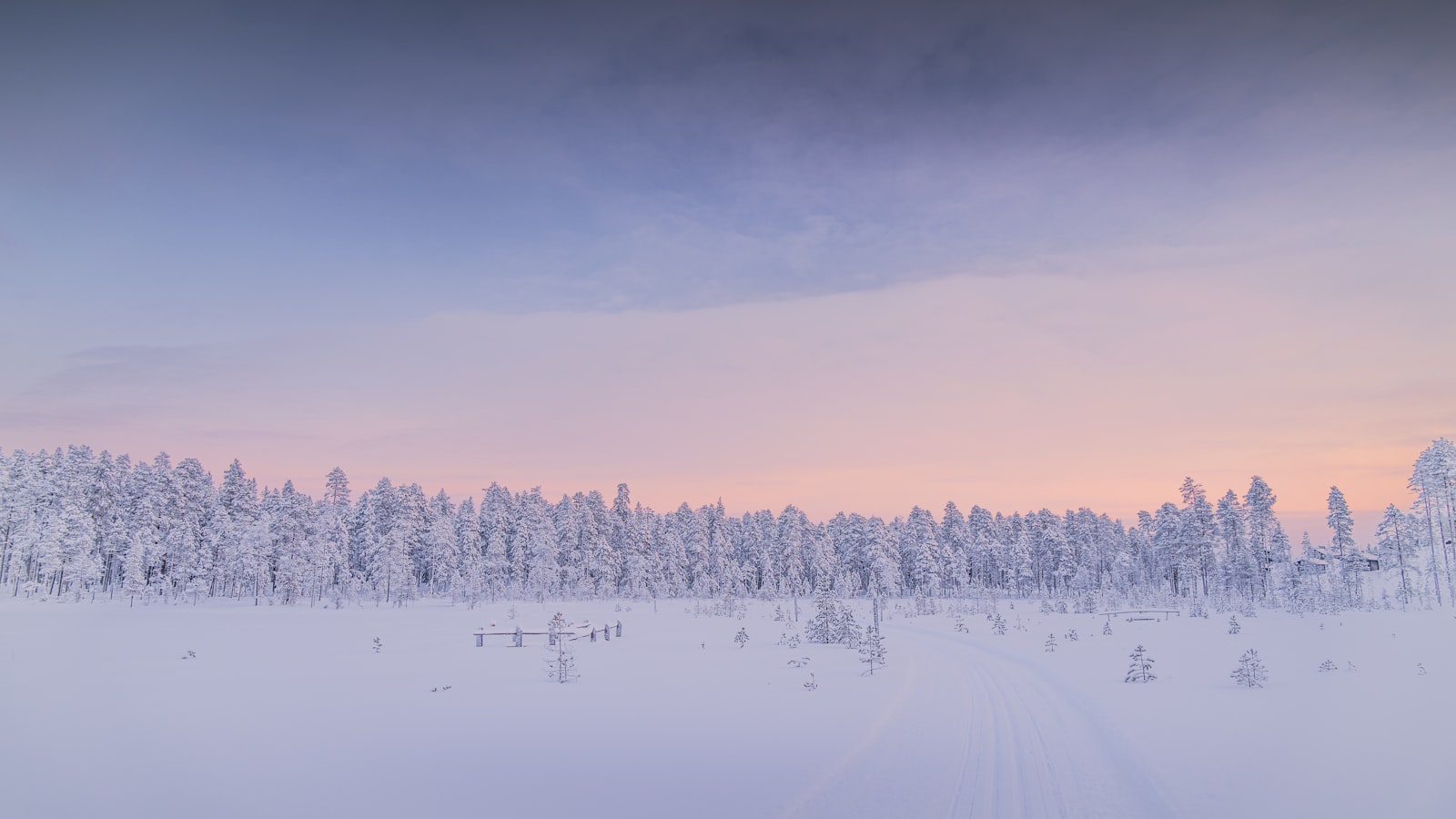
- The experience — the cold itself is the draw; the iced river, the snow, the still forests.
- The dress code — serious winter gear: thermal layers, a heavy down coat, proper gloves and hat.
- The reward — the extreme of China, and the aurora chance on rare clear, active nights.
A winter visit to Mohe is an exercise in cold — and a memory that lasts.
The summer wilds
- The green forests — the wild, forested landscape of the far northeast in its summer glory.
- The long daylight — the northern latitude brings long summer days.
- The mild weather — a completely different, much easier Mohe.
- The riverside — the Amur and the border, green and alive.
Summer is the other Mohe — easier, greener and no less atmospheric.
Practical notes
- Getting there — flights from Harbin (the usual route); the long train as the adventurous alternative.
- Getting around — the town is small; taxis and the village’s shuttle for the northmost sights.
- Best season — winter for the extreme, summer for the wilds; plan for the season you want.
- Get connected — set up Alipay and an eSIM; connectivity is limited in the far north.
- Combining — pairs with Harbin and a northeast winter trip. See our winter route for the region.
The aurora: what to really expect
The aurora is the reason many travelers first hear of Mohe, and it deserves an honest explanation. Mohe sits at about 53°N — the northernmost point of China, on the same latitude band where the aurora is a regular sight across Scandinavia and Alaska — but it is not a guarantee. The aurora in Mohe appears only on rare nights when geomagnetic activity is strong enough to push the display this far south, and even then, a clear, dark sky is required, which the winter weather does not always provide. The town markets the chance heavily, with aurora-watching tours and “aurora forecast” signage, and the reward on a lucky night is real. But the honest plan is to come for the northmost point and the extreme cold — the things that are guaranteed — and to treat the aurora as a rare bonus. If it is important to you, check the geomagnetic forecast before booking, plan a few nights rather than one, and ask locally about the best viewing spots and timings, which the tour operators know well.
Getting there and around in detail
Reaching Mohe is part of the adventure, and the planning deserves care. The usual route is to fly from Harbin to Mohe’s small airport — about an hour and a half in the air, and by far the most practical option, since the alternative is a train journey of sixteen hours or more through the frozen countryside. In winter the flights can be delayed or cancelled by weather, so build in a buffer day and keep your plans flexible. The train, while slow, has its own appeal for travelers who want the full northeast experience — a long, warm journey through a landscape of snow and birch forest. Once in Mohe, the town is small and the “North Pole” sights are a short ride away by taxi or the village shuttle; there is no public transport to speak of, so arrange your rides through your accommodation. The North Pole Village and the riverbank markers are the main destinations, and they are easy to cover in a day. Because everything is remote, book accommodation in advance in winter, and confirm your return transport as soon as you arrive.
Winter in Mohe: a practical cold-weather guide
A winter visit to Mohe is an exercise in cold, and dressing properly is not optional. The rule is layers: thermal base layers against the skin, a warm mid-layer, and a heavy down coat on top — the kind designed for arctic conditions. Cover every inch of exposed skin: a hat that covers the ears, a scarf or face covering, insulated gloves, and thick, non-slip boots, because the riverbank and the village paths can be icy. The phones and cameras are as vulnerable as you are — batteries drain fast in extreme cold, so keep them warm in an inner pocket and only take them out to shoot. Plan your outdoor time in shorter bursts with warm indoor breaks, and do not underestimate how quickly the cold drains energy. The reward is the experience of China at its most extreme: the frozen river, the snow-heavy forests, the breath freezing in front of you, and the strange, satisfying knowledge that you are at the very top of the country.
Budget and practicalities
Mohe is not an expensive destination, but it is a remote one, and the costs reflect that. Flights from Harbin and accommodation are the main expenses — a hotel in the town or near the village runs roughly 250–400 RMB a night in winter, with simpler guesthouses cheaper. Food is affordable and hearty, heavy on the northeastern classics: hotpots, dumplings, stews and grilled meats that warm you from the inside. The North Pole Village sights cost little or nothing. Because the region is remote, set up Alipay and an eSIM before you arrive, but also carry some cash as a backup, since connectivity and card acceptance are more limited than in the big cities. Winter travel insurance that covers cold-weather delays is a sensible extra, given the flight cancellations that snow can bring.
Common mistakes to avoid
The most common mistake in Mohe is treating the aurora as a guarantee and being disappointed when it does not appear — come for the northmost point and the cold, and let the aurora be a bonus. A second mistake is under-dressing: the cold at −30°C and below is unforgiving, and a visit without proper winter gear becomes a misery rather than an adventure. A third is not building flexibility into the transport — a winter flight delay can eat a day, so allow a buffer and do not book your onward travel too tightly. Finally, do not come expecting the comforts of a resort: Mohe is a simple, remote town, and the stripped-back character is part of its charm. Pack for cold, plan for delays, and come for the edge of China rather than a checklist of sights, and you will leave with exactly the memory you came for.
The bottom line
Mohe is China’s northernmost town — the top of the map, the extreme cold, the forests and the rare aurora. Go in winter for the arctic experience, or in summer for the green wilds; dress seriously for the cold and plan the remote transport. For the traveler who wants the very edge of China, there’s nowhere more fitting.
Last updated: August 2026. Access and conditions change — confirm current details before you go.
Frequently Asked Questions
What is Mohe?
**Mohe** is China's northernmost town — the top of the country on the border with Russia, deep in the forests of Heilongjiang. It's marketed as the 'North Pole Village', China's answer to the Arctic: the place to go for the coldest winters, the northernmost point of the country, the occasional aurora, and the wild, forested landscape of the far northeast. It's a remote, atmospheric destination for travelers who want the edge of China.
Is Mohe worth visiting?
For the right traveler, yes — it's a genuine edge-of-the-world destination. In winter it offers China's coldest cold (below −30°C), the snow-covered forests, the 'North Pole' markers at the riverside, and the occasional aurora; in summer it's a green, forested wilderness with long daylight. It's not a comfortable or easy destination — it's remote, cold and simple — but it's unforgettable for those who want it.
Can you really see the aurora in Mohe?
**Occasionally, yes** — Mohe sits at about 53°N, the northernmost point of China, and the aurora does appear on rare geomagnetic-active nights, mostly in the winter months. It's not like the reliable auroras of Scandinavia — it's a lucky event, not a guarantee. The town markets the chance heavily, but the honest expectation is: come for the northmost point and the extreme cold, and treat the aurora as a rare bonus if the conditions align.
How do I get to Mohe?
The practical ways: **fly from Harbin** to Mohe's airport (about 1.5–2 hours, the usual route in winter), or take the **long train** from Harbin (about 16+ hours, an adventure in itself). There are also summer flights from some other cities. The town itself is small, and the 'North Pole' sights are a short ride away. It's remote, so plan the transport carefully — the flights can be weather-dependent in winter.
What is there to do in Mohe?
The draws are simple and atmospheric: **the North Pole Village** — the riverside complex with the 'northernmost point of China' markers on the border with Russia; **the forests** — the wild, snow-covered (or green, in summer) landscape around the town; **the winter activities** — the extreme cold itself is the experience, with the iced river and the snow; and **the long daylight or darkness** of the far north. It's a place of place, not sights.
How cold does Mohe get in winter?
**Extremely cold** — Mohe holds China's lowest recorded temperature (about −53°C) and winter temperatures below −30°C are common, with cold snaps far colder. The cold is the defining experience of a winter visit: dress for it seriously (thermal layers, a heavy down coat, proper gloves and a hat — no exposed skin), keep the phone warm, and treat every outdoor moment as a cold-weather exercise. The reward is the extreme of China.
When should I visit Mohe?
**Winter (December–February)** for the extreme cold, the snow, the aurora chance and the 'China's North Pole' atmosphere. **Summer (June–August)** for the green forests, the long daylight and the mild weather — a completely different, much easier visit. **Spring and autumn** are short and transitional. Choose your experience: the arctic winter or the northern summer.