
Xining & Qinghai Lake: The Complete Guide (2026)
Xining and Qinghai Lake — the gateway to the high plateau, China's largest saltwater lake, the bike route around it, and how to plan a visit to the northwest.
Qinghai Lake, Qinghai, China
Open an external map for this location.
OpenStreetMap Google Maps (opens externally)
Xining is the gateway to the high plateau, and Qinghai Lake — China’s largest saltwater lake, 3,200 meters up — is the great sight beyond it. Here’s how to visit the lake and the city at the edge of Tibet.
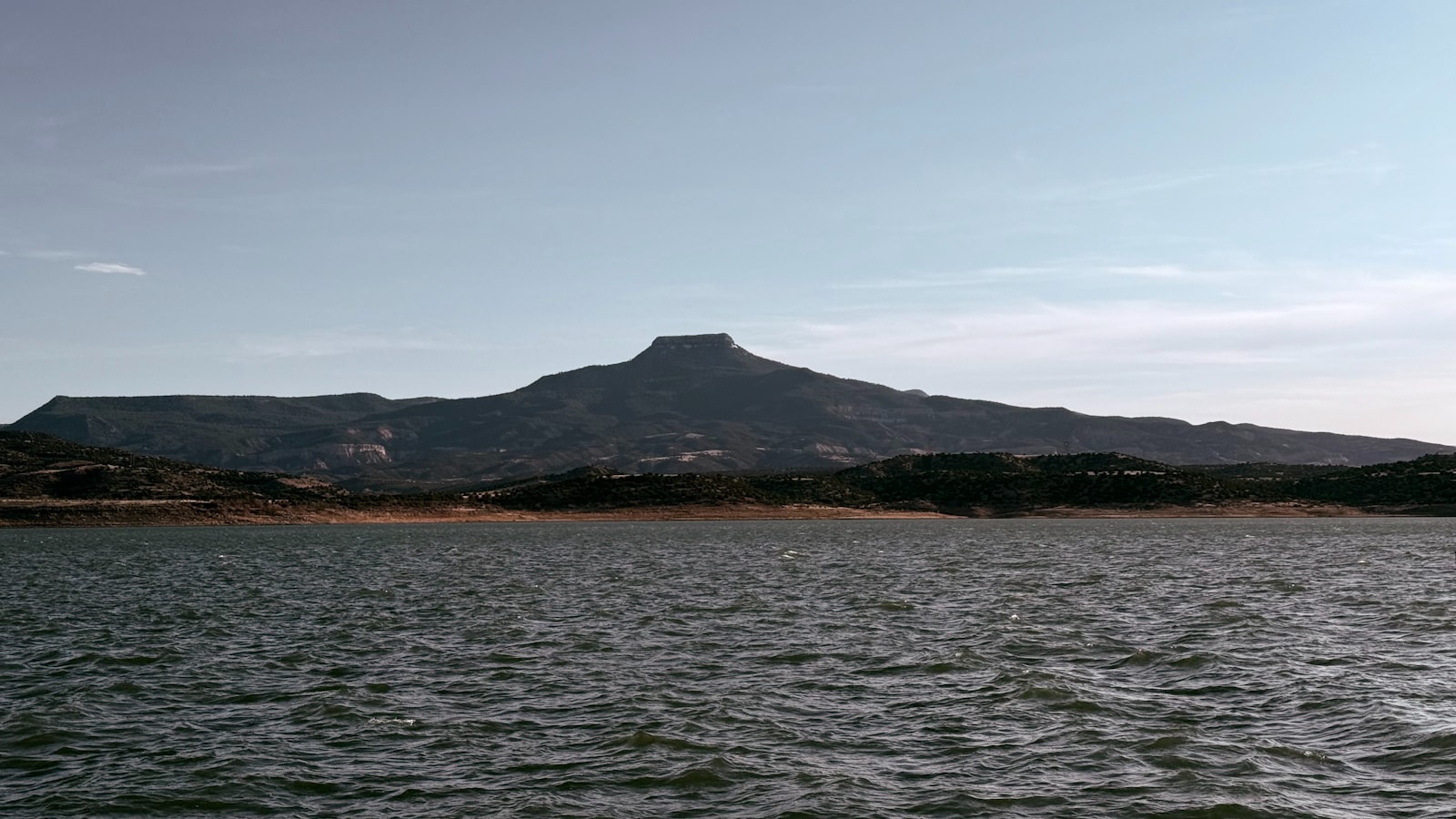
On the high Tibetan Plateau, China’s largest saltwater lake spreads blue and vast across the grassland: Qinghai Lake, a natural wonder that draws travelers from across the world. Its gateway is Xining, the plateau city where Tibetan, Muslim and Han cultures meet — practical, interesting, and the place to acclimatize before the altitude. Together they’re a superb stop in the northwest, and the natural start of the road to Tibet. This guide covers the city and the lake.
Qinghai Lake
- China’s largest saltwater lake — about 4,300 square kilometers, at 3,200 meters.
- The summer scene — blue water, green grassland, yellow rapeseed fields and the birds at the lake’s edge.
- The views — the drama comes as you come over the pass and the lake opens below you.
- The cycle route — the 360 km loop is a famous bucket-list ride, done over 3–4 days.
The lake in summer is one of the great natural sights of the northwest — vast, blue and unforgettable.
Xining
- The gateway — the practical base for the lake and the plateau.
- The cultures — Tibetan, Muslim and Han meeting at the edge of the plateau.
- The Dongguan Great Mosque — one of China’s largest, in the city’s Muslim quarter.
- Kumbum Monastery (Ta’er) — the great Gelugpa monastery about 30 km from town, one of the most important in Tibetan Buddhism.
Xining is the working heart of the visit — the city where the plateau trip begins.
A 2-day plan
- Day 1 — arrive in Xining, acclimatize at the city’s 2,300 m, visit the mosque and the old quarters.
- Day 2 — Qinghai Lake by day tour or hired driver; the southern shore and the mountain views. Add Kumbum Monastery if you have a half day.
- Longer — stay overnight at the lakeside for the sunrise, add the cycle route, or head south toward Tibet.
Two days covers the essentials; more opens the plateau proper.
The altitude, respectfully
- Xining: ~2,300 m — most people are fine with a relaxed first day.
- Qinghai Lake: ~3,200 m — the thin air is noticeable; go slowly and hydrate.
- The rules — acclimatize in Xining first, avoid alcohol on day one, and don’t push at the lake.
- The bigger trips — if heading toward Tibet, the lake is a sensible step-up on the way. See our high-altitude guide.
The altitude is mild compared to Tibet, but the respect it deserves is the same.
Practical notes
- Getting there — high-speed rail from Lanzhou (about 1.5 hours) and Xi’an; flights from across China.
- Getting around — taxis and ride-hailing in Xining; a driver or day tour for the lake.
- Best season — June to September, with July the rapeseed peak.
- Get connected — set up Alipay and an eSIM for payment and tickets.
- The food — the halal and Tibetan food scene is excellent; eat where the locals eat.
The lake in detail: what to expect
Qinghai Lake is so large — about 4,300 square kilometers, bigger than many countries’ largest lakes — that the shoreline feels more like a sea than a lake. The water is a deep, startling blue, and in summer the surrounding grassland is green and studded with flowers, with the yellow of rapeseed fields carpeting the flats in July. The classic experience is to come over the mountain pass on the approach from Xining and watch the lake open below you — that first reveal is the moment most visitors remember. On the shore, the main sights are the Erlangjian scenic area on the southern bank (the most developed, with boardwalks and a view platform), the bird islands on the western side (best in spring, when migratory birds nest), and the long, empty stretches of beach where you can simply stand and watch the water. Because of the altitude, the weather changes fast — a sunny morning can turn to cold wind and rain by afternoon — so bring layers even on a warm day, and remember the sun is intense at 3,200 meters.
The cycle route around the lake
For many travelers, the Qinghai Lake bike route is the reason to come. The full loop is roughly 360 kilometers around the lake, usually ridden over three to four days at a gentle pace, with the vast lake on one side and the grassland and mountains on the other. The altitude makes it harder than the flat distance suggests — at 3,200 meters the air is thin, so most riders acclimatize in Xining for a day or two first and ride steadily rather than hard. Rental bikes and supported tours operate from Xining in the summer season, and the lakeside towns offer simple places to sleep and eat along the route. If a full loop is too much, shorter rides along the southern shore give the same scenery at a fraction of the effort. Even non-cyclists get a version of the experience by driving the loop, which takes about a day with stops and shows how much the lake changes character as you move around it.
Kumbum Monastery and the plateau culture
Thirty kilometers south of Xining lies the Kumbum Monastery (Ta’er Si), one of the six great monasteries of the Gelugpa school of Tibetan Buddhism and the birthplace of the great reformer Tsongkhapa. It is a working monastery rather than a museum — monks live and study here, and on festival days the courtyards fill with pilgrims — and its butter sculptures, murals and applique embroidery (the three artistic treasures) are famous across the Tibetan world. A visit takes about half a day from Xining and is the most accessible introduction to Tibetan Buddhism on the entire plateau. Back in the city, the Dongguan Great Mosque in the Muslim quarter is one of China’s largest, and the quarter around it is the place to try the halal food — hand-pulled noodles, grilled lamb and the rich snacks of the plateau. The mix of Tibetan and Muslim cultures in one small city is part of what makes Xining so interesting: you can see a Tibetan monastery in the morning and eat a halal lamb feast in the evening.
Budget and practicalities
Xining and the lake are inexpensive by Chinese standards. A day tour to the lake runs roughly 300–500 RMB including transport and a driver; entry to the lakeside scenic areas is around 90–100 RMB each. Food is very affordable — a noodle or lamb meal is 30–60 RMB per person, and the halal and Tibetan eateries are excellent value. A comfortable hotel in Xining runs 250–450 RMB a night, with simpler lakeside guesthouses cheaper. Set up Alipay and an eSIM before you arrive so you can pay by QR code, book tours and stay connected in the more remote areas where signal is patchy. Carry cash as a backup, too, since some roadside vendors at the lake take only cash or WeChat. And because the plateau is remote, it pays to have a translation app and your destination written in Chinese.
Common mistakes to avoid
The most common mistake around Qinghai Lake is ignoring the altitude: visitors who arrive and immediately push themselves at the lake often spend the afternoon with a headache instead of enjoying the scenery. Acclimatize in Xining first, drink water steadily, and move slowly at the lake — the plateau rewards patience. A second mistake is visiting without checking the season: outside June to September the lake is often cold and bleak, and the rapeseed fields and the green grassland that make the postcard image exist only in summer. A third is assuming the lake is a quick drive-by; the scale is enormous, and the best moments come from stopping along the shore, so build in time to linger. Finally, do not underestimate the weather — layers, sun protection and water turn a good day at the lake into a great one, and the lack of them can spoil it.
The bottom line
Xining and Qinghai Lake are the gateway to the high plateau — China’s largest saltwater lake in its summer splendor, and the working city that opens the road to Tibet. Spend two days for the lake and the city, respect the altitude, and you’ll have seen one of the great natural sights of the northwest — and set yourself up for the plateau beyond.
Last updated: August 2026. Access and conditions change — confirm current details before you go.
Frequently Asked Questions
What is Qinghai Lake?
**Qinghai Lake** is China's largest saltwater lake — a vast blue body of water on the high Tibetan Plateau at about 3,200 meters, surrounded by grasslands and distant mountains. In summer it's spectacular: the blue water, the green meadows, the yellow rapeseed fields and the birds at the lake's edge. It's one of the most striking natural sights in the northwest, and the reason most travelers visit Xining.
Is it worth visiting Xining and Qinghai Lake?
Yes — for the landscape above all. Qinghai Lake in summer is one of China's great natural sights, and the plateau around it is vast and beautiful. Xining itself is the practical gateway: a manageable city with Tibetan and Muslim quarters, good food, and access to the lake and the surrounding plateau. It's also the natural starting point for a **Tibet overland trip**, heading south into the high country. See our [Tibet route](https://chinotrips.com/itineraries/tibet-deep-route/) and [Qinghai-Tibet route](https://chinotrips.com/itineraries/summer-qinghai-tibet-route/) for the bigger journey.
How do I get to Qinghai Lake?
The lake is about **2–3 hours west of Xining** by car or tour bus. Most visitors take a **day tour from Xining** or hire a driver for the day; some stay overnight at the lakeside for the sunrise. The most popular approach is via the southern shore, with the dramatic views as you come over the pass. It's an easy, rewarding day trip from the city.
Can I cycle around Qinghai Lake?
Yes — **cycling around the lake** is a famous route, about 360 km around the full loop, usually done over 3–4 days. It's a bucket-list ride for many: the vast lake, the grassland, the clear plateau air. You can also do shorter rides along the shore. Rentals and supported tours operate from Xining in the summer season. The altitude (3,200 m) makes it harder than the flat distance suggests — acclimatize first and pace yourself.
What should I know about the altitude?
The altitude is real and worth respecting: **Xining sits at about 2,300 m**, and **Qinghai Lake at about 3,200 m**. Most people are fine, but the thin air can bring headaches and breathlessness. The rules: go slowly, drink water, avoid alcohol on the first day, and don't push yourself at the lake. It's mild compared to Tibet proper, but acclimatizing in Xining before the lake is the smart sequence. See our [high-altitude guide](https://chinotrips.com/how-to/outdoor-mustang-karoo/) for the details.
What is Xining like as a city?
Xining is a compact, workable city that mixes **Tibetan, Muslim and Han cultures** at the edge of the plateau. The highlights: the **Dongguan Great Mosque** (one of China's largest), the **Kumbum Monastery (Ta'er)** — the great Gelugpa monastery about 30 km out of town, and the **halal food scene**. It's the gateway city of the plateau — practical, interesting and a good place to acclimatize.
When is the best time to visit?
**June to September is the season** — the lake and the plateau are green, the rapeseed fields bloom in July, and the weather is the most comfortable. June and September are quieter than the July-August peak. The rest of the year the plateau is cold and the lake can be frozen or bleak. For the lake at its best, plan between mid-June and early September.