
Buying Gifts in China: Tea, Silk & Handicrafts Guide (2026)
The best souvenirs and gifts to buy in China — tea, silk, porcelain, jade and handicrafts, where to buy them, and how to get them home safely.
China is a treasure trove of gifts — tea, silk, porcelain, jade and handicrafts that make beautiful souvenirs. Here’s what to buy, where to buy it and how to get it home safely.
Buying gifts is one of the great pleasures of a China trip. The country has been making world-class tea, silk, porcelain and crafts for centuries, and even a modest haul can fill a suitcase with treasures that cost a fraction of what they would at home. The challenge is knowing what is genuinely good, where to buy it without being ripped off, and how to carry it all back. This guide covers the classic gift categories, the reliable places to buy, and the traps to avoid.
The classic Chinese gifts
These are the categories that China does best and that travel well:
- Tea — the quintessential Chinese gift, from supermarket boxes to serious aged pu-erh. Compact, light and universally appreciated.
- Silk — scarves, fabric, ties and clothing from the silk markets and shops.
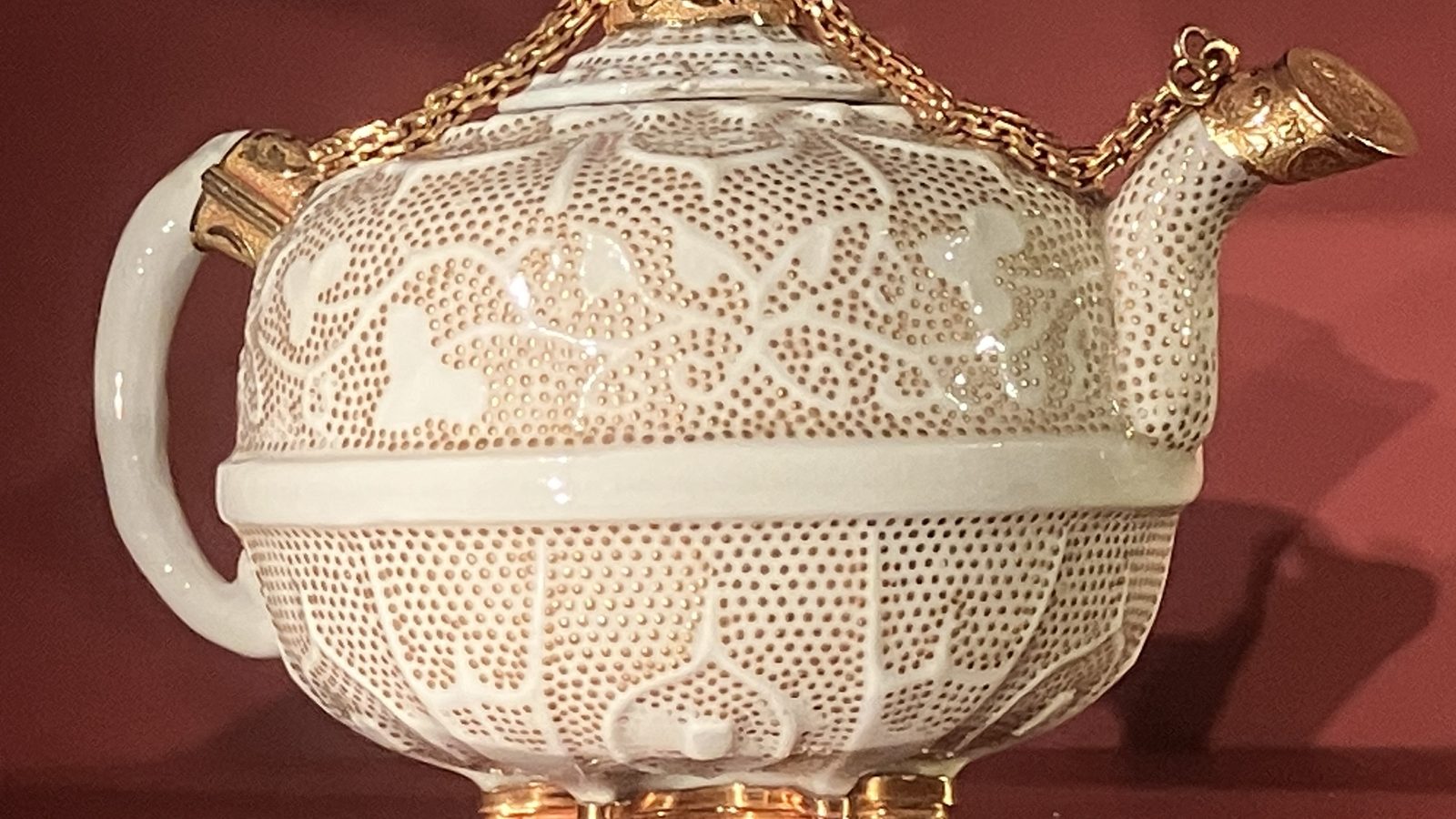
- Porcelain and ceramics — teapots, cups, vases and decorative pieces, often beautifully boxed.
- Jade and gemstones — the classic ‘lucky’ gift, but the riskiest category for fakes.
- Handicrafts — cloisonné, calligraphy scrolls, chopsticks, silk fans, paper cuts and embroidery.
Each has its buying rules. The two most popular — tea and silk — have dedicated guides with the full detail: see our tea-buying guide and silk-buying guide.
Buying tea as a gift
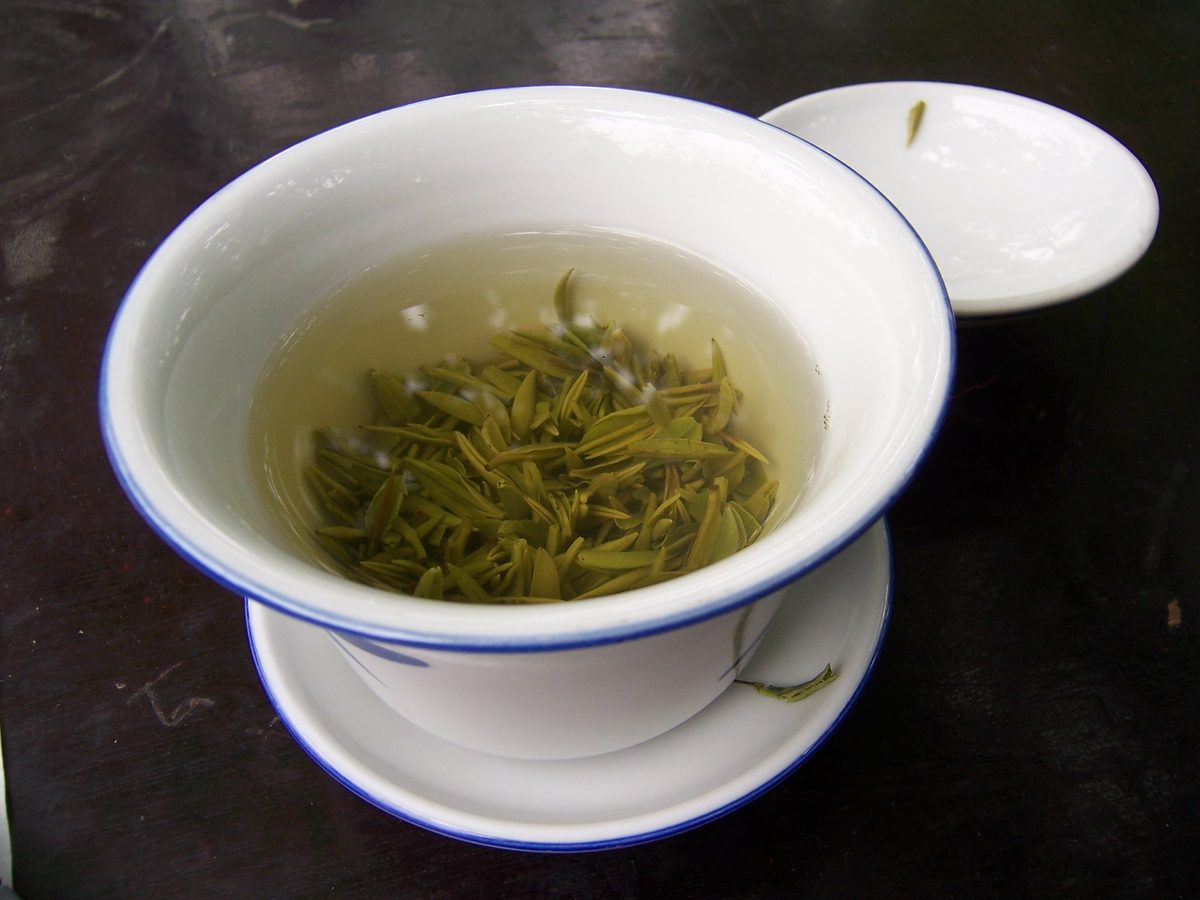
Tea is the gift that keeps giving, and buying it well is easy with a few rules. Visit a tea market — every city has one, and the vendors expect to serve a taste before you buy. Taste first: good tea is judged by aroma and flavor, so let the vendor brew samples and choose what you enjoy. Match the recipient: green teas like Longjing are the classic light choice, oolong teas are rich and aromatic, and pu-erh is the aged dark tea that many collectors favor. Buy sealed and branded packs from a shop you trust — loose tea of unknown origin is a gamble. A gift box of decent tea runs from tens to a few hundred yuan, and it travels beautifully in a suitcase. For the deeper culture and categories, our Chinese tea culture guide is the best starting point.
Buying silk
Silk is light, beautiful and quintessentially Chinese. The buying rules are simple: check the label — genuine silk is marked ‘100% silk’, while polyester blends are common at cheap stalls; feel the fabric — real silk is smooth, slightly cool and drapes well; and buy from a silk market or a fixed-price silk shop rather than a souvenir stall. Scarves are the easiest gift (a good one starts around ¥100, and quality runs higher), while fabric by the meter suits someone who sews. For the complete checklist — including how to spot real silk — see our silk-buying guide.
Porcelain, crafts and jade
Porcelain and ceramics make striking gifts. Look for good-quality teapots and cups — a Yixing clay teapot is a classic — and decorative pieces from established shops. Handicrafts like cloisonné (metalwork with colored enamel), calligraphy scrolls and silk fans are lightweight and distinctly Chinese. Jade is the tricky one: genuine jade is scarce and expensive, and tourist markets are full of dyed quartz and resin. If you want jade, buy from a reputable jewelry store with a certificate, and be ready to pay a real price for a real stone. For the jade-specific traps, see our jade-buying guide.
Where to buy — and where not to
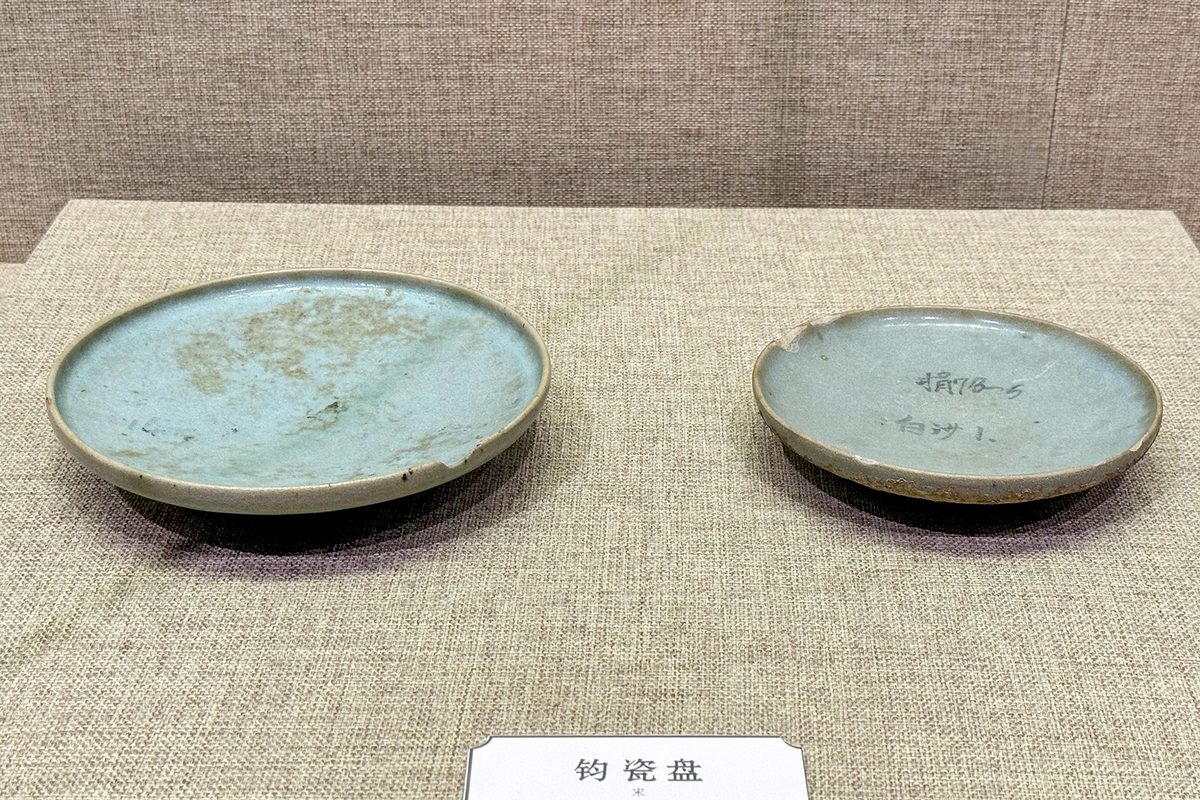
The single most important buying rule: choose your shop. Buy from a place you walked into by your own choice — a tea market, a silk market, a craft street or a fixed-price store. Avoid the shops you are led to by guides, drivers or friendly strangers, which is how the tea-ceremony and jade-room scams work. And for anything valuable, a fixed-price official store with a receipt beats a bargain at a tourist stall every time. Our shopping guide has the broader where-and-how, including bargaining and the tax-refund scheme.
Getting your gifts home
Think about transport before you buy. Carry-on is ideal for fragile items — tea, porcelain, ceramics — which you can pack in your cabin bag to avoid the cargo hold. Checked luggage is fine for sturdy items; wrap porcelain and ceramics in clothes or bubble wrap. Shipping works for large hauls, but factor in the cost and your country’s import duties. And if you plan to claim the tourist tax refund, keep the goods, receipts and forms together, and carry the goods with you for customs inspection — see our customs and duty-free guide for what you can bring back.
The scams to avoid
Gift-buying attracts a few well-known traps. The tea ceremony scam — a friendly invitation that ends in pressured tea sales — is the most famous; politely decline. The jade room works the same way with ‘lucky’ jade deals. Fakes are everywhere at tourist stalls: ‘silk’ that is polyester, ‘porcelain’ that is resin, ‘antique’ items that are new. The defenses are all simple: buy where you chose to shop, buy from fixed-price stores for anything valuable, and treat high pressure as a reason to leave.
A realistic budget
Gift budgets vary, but for planning (prices change and are estimates): tea from ¥30 for a supermarket box to hundreds for a premium gift pack; silk scarves from around ¥100 at markets, more for fine quality; porcelain and teapots from tens to hundreds; cloisonné and crafts from ¥20 for small items; jade genuinely starts in the hundreds and rises steeply — if it is cheap, it is probably not jade. Set a budget per category and buy the best you can afford in the reliable places.
Matching the gift to the person
A little thought about the recipient makes the choice easier. Tea suits almost anyone — pick a mild green for casual drinkers and a dark pu-erh for enthusiasts. Silk scarves are the safe, elegant choice for a wide range of people. Porcelain teapots and cups delight anyone who loves tea or ceramics. Calligraphy scrolls and paper cuts are beautiful, flat and easy to carry — ideal for art lovers. Chopsticks make charming small gifts and are nearly indestructible in a suitcase. Cloisonné and small crafts work as distinctive desk pieces. If you are buying for a child, consider a silk fan, a Chinese calligraphy set or a small panda-themed souvenir. Buying with the person in mind is the difference between a generic souvenir and a genuinely thoughtful gift.
The tax refund and receipts
If you plan to claim the tourist tax refund on your gifts, a few habits help. Buy from designated tax-refund stores (look for the logo), spend above the minimum in a single store, and ask the cashier for the refund form at the time of purchase — it cannot be issued later. Keep every receipt, and keep the goods and forms together for customs inspection at the airport. Remember that the refund applies to goods you carry out with you, not items you ship separately. The process varies by city and changes over time, so confirm the current rules before you go — see our customs and duty-free guide for the practical steps.
The bottom line
The best gifts from China are the classics — tea, silk, porcelain and handicrafts — bought well from places you chose, and packed to survive the journey. Taste the tea, check the silk, avoid the scams, and you will bring home gifts that carry a piece of China with them. It is one of the most rewarding parts of the trip.
Last updated: August 2026. Prices, tax-refund rules and export restrictions on antiques change — confirm before you go.
Frequently Asked Questions
What are the best gifts to buy in China?
The classic gifts are **tea** (green, oolong, pu-erh — compact and universally loved), **silk** (scarves, fabric, clothing), **porcelain and ceramics** (teapots, cups, decorative pieces), **jade** (though buy carefully — fakes are common), and **handicrafts** like cloisonné, calligraphy, chopsticks and silk fans. They are things China does well, they travel well, and they make memorable presents. Our [tea culture guide](https://chinotrips.com/culture/chinese-tea-culture/) is a good place to start.
Where should I buy gifts in China?
For anything valuable, buy from a **fixed-price official store or a specialist market you chose yourself** — the authenticity is far more reliable. **Tea markets** are excellent for tea, **silk markets** for silk, and **craft streets** for porcelain and handicrafts. Malls and department stores are safest for brand-name goods. Avoid the tourist-trap shops you are led to by guides or drivers. See our [silk-buying guide](https://chinotrips.com/how-to/china-silk-buying/) and [tea-buying guide](https://chinotrips.com/how-to/china-tea-buying/) for the category details.
How do I choose good tea as a gift?
Start with what the recipient drinks. **Green tea** (Longjing, Biluochun) is the classic light choice; **oolong** (Tieguanyin, Dahongpao) is rich and aromatic; **pu-erh** is a dark, aged tea that keeps well and is a favorite gift. Buy from a tea market or official shop, ask to taste before buying, and get sealed, branded packs rather than loose tea of unknown provenance. A decent gift pack runs from tens to hundreds of yuan — set your budget and taste your way.
Is silk a good gift and how do I buy it?
Yes — a silk scarf, fabric or small item is a classic, lightweight gift. Check the label: genuine silk is marked '100% silk' (or the Chinese characters), while cheaper stalls sell polyester blends. Rub the fabric — real silk is smooth and slightly cool. Buy from a silk market or a fixed-price silk shop, and ask for a receipt. Our [silk-buying guide](https://chinotrips.com/how-to/china-silk-buying/) covers the full checklist.
What should I avoid buying as a gift?
Avoid 'antiques' (exporting genuine old antiques is restricted, and most tourist-market 'antiques' are new fakes), unverified 'jade' and gemstones (fakes are widespread), and bulky or fragile items you cannot transport. Also be wary of the tea-ceremony and jade-room scams that pressure you into overpriced purchases. For anything valuable, the safe rule is a fixed-price official store and a receipt.