
Photography Laws in China: What's Allowed and What's Not
China photography rules — what you can and cannot photograph, no-flash and no-photo zones, drone regulations, and photographing people legally.
China is a photographer’s dream, and the rules are mostly common sense: personal photos are welcome almost everywhere, flash is the main offender, and drones are the one thing that will get you into real trouble. Here’s the law and etiquette in plain terms.
Every year millions of tourists photograph China’s temples, mountains, skylines and street scenes without a second thought — and almost none of them ever have a problem. Chinese law protects the same basic things photo laws protect everywhere: security sites, other people’s dignity, and the owners’ rights over their property. Understand the few real restrictions and you can shoot freely across the country. This guide separates the genuine rules from the myths.
The general rule: personal photography is fine
For personal, non-commercial photography, China is remarkably open. The default at public attractions — temples, museums, parks, ancient towns, natural wonders — is that you may photograph freely. A phone or a camera with a normal lens is welcome at almost every sight in the country. There is no permit needed to photograph as a tourist, and no camera-registration requirement at the border.
The corollary: be polite about flash. Most museums, temples and galleries ban flash because light damages paintings, murals, silk and ancient pigments. Where you see a flash-ban sign, turn your flash off (not just your camera’s auto-flash — check the setting) and shoot available light. Our photography guide for China covers the best settings for low-light interiors.
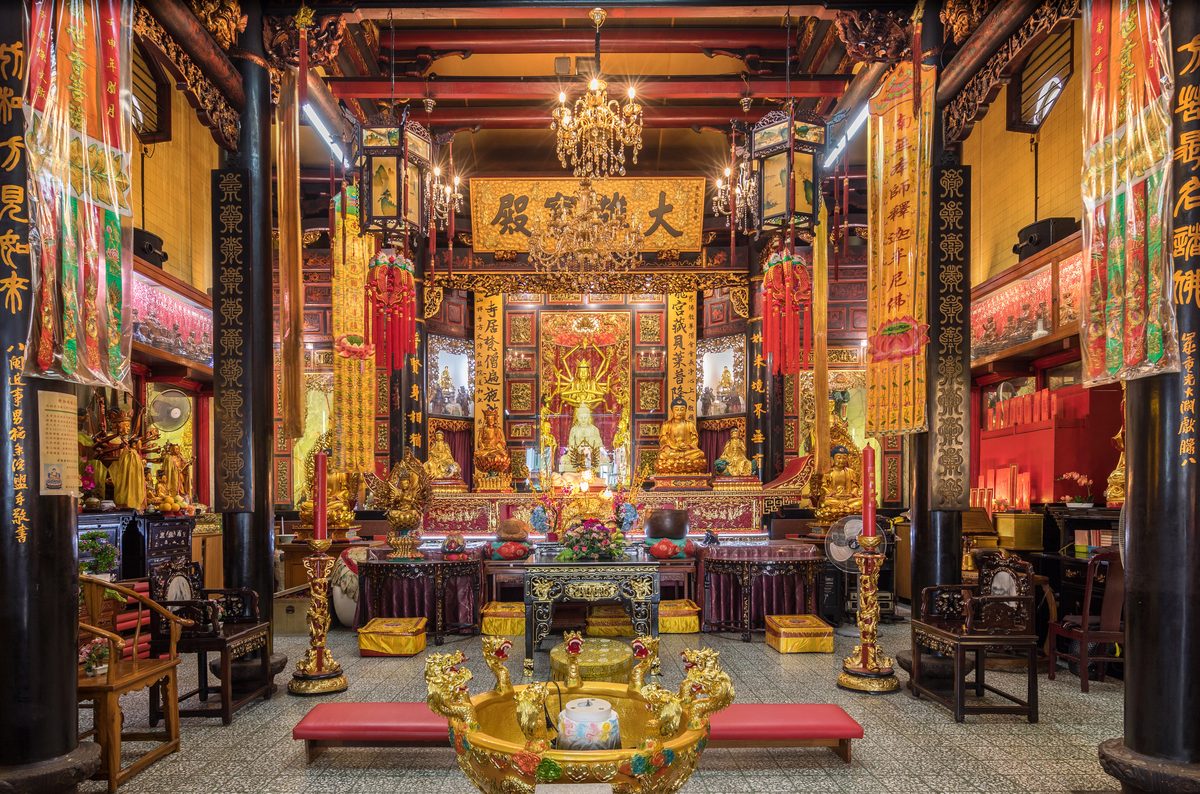
At temples and museums, the common rule is simple: no flash. Available light works beautifully in most interiors.
Where photography is restricted
The genuine no-photo zones cluster into a few categories.
- Military and security installations — military bases, radar and communications sites, border and port areas, and some government buildings. Photographing these is treated seriously, and guards will tell you to stop or delete images. Never argue; just comply.
- Museums and galleries — usually “no flash” rather than “no photos”, but special exhibitions sometimes ban photography entirely. Watch for the camera-with-a-line-through-it sign, and don’t photograph restricted artifacts or royal burial goods where staff say no.
- Religious interiors — some temples and shrines allow photos in courtyards but not inside the hall of worship. Follow the signs and the monks’ gestures.
- Terracotta army — photography is allowed in the main pits without flash; flash is banned to protect the painted surfaces, and certain exhibitions are no-photo. Our terracotta photography guide details the current rules.
- Transport security — don’t photograph security checkpoints, customs areas, or passport control.
The golden habit: if you see a sign or a guard indicating no, put the camera down and smile. It’s rarely a confrontation — just a rule.
Photographing people: the etiquette that matters
There is no law against photographing people in public in China, but there is a strong etiquette, and it’s the courtesy rules that travelers most often miss.
- Ask before close-up portraits — of children, older people, street performers and anyone you’re singling out. Most people will happily pose once asked; some will decline.
- Be extra respectful in minority regions — Tibet, Xinjiang and the southwest have communities that are highly sensitive to being photographed. Ask first, and respect a refusal without pressure.
- Skip flash on people — it’s rude everywhere and can cause real offence in religious or minority settings.
- Don’t photograph anyone in an embarrassing or vulnerable moment.
- A smile and a nod makes the interaction friendly; photographing from a distance, keep it quick and non-intrusive.
For street and market photography specifically, our street photography guide has a fuller etiquette breakdown.
The drone question: the one real headache
Drones are the single biggest photography-law trap for travelers in China. The rules have tightened repeatedly, and the current system is strict:
- Real-name registration — since 2024, all drones must be registered in the national UOM system (the Civil Aviation Administration’s unified platform) before any flight. Foreign visitors can register, but the process requires identity documentation and the system is in Chinese.
- Weight classes — micro drones under 250g have lighter requirements, but they still need registration. Anything larger needs operator certification and, in some classes, a license.
- Altitude and airspace — flights are generally capped at 120 meters, and most of urban China plus everything near airports is restricted airspace.
- Site bans — a large number of scenic areas ban drones outright, including much of the Great Wall, Zhangjiajie, Jiuzhaigou and many national parks. You may see drone-detection systems and fines for flying in these areas.
For most travelers the practical advice is blunt: leave the drone at home. The images you can legally get from the ground, plus the hassle and risk of confiscation, make drones not worth it for a standard trip. If you must fly, register, plan flights far from cities and parks, and check local rules at each site.
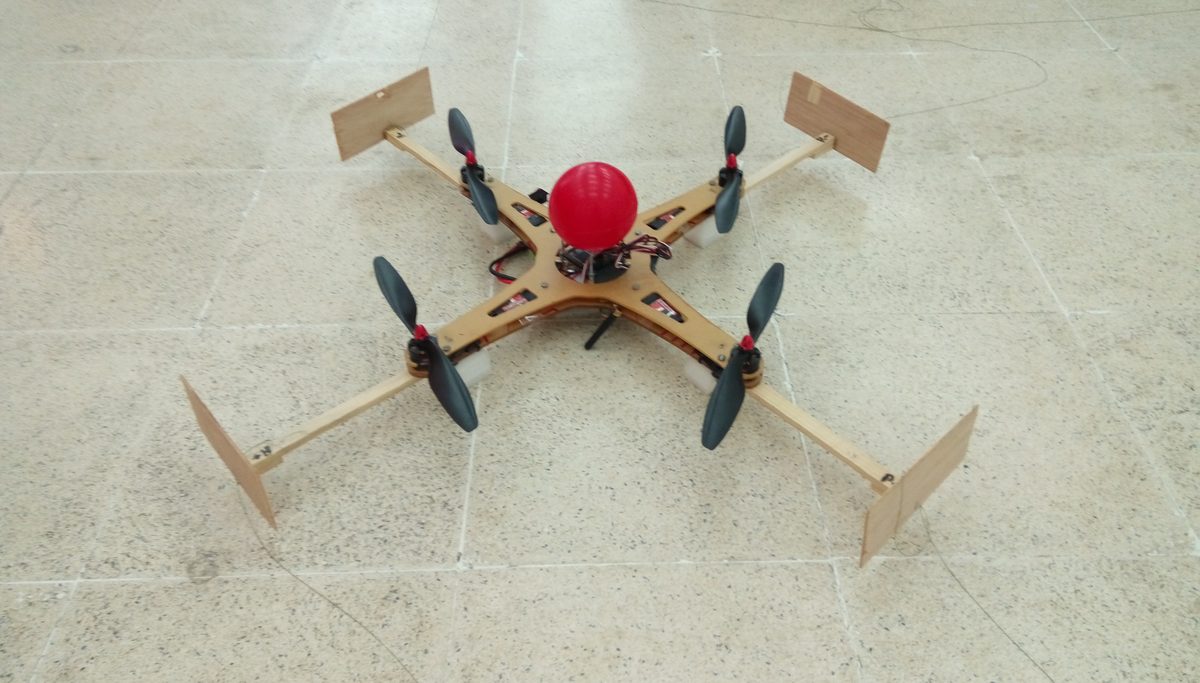
A drone is the one camera that can get you into real trouble in China — registration is mandatory and most scenic sites ban them outright.
Commercial photography and permits
Ordinary tourists don’t need permits. But if your shooting is commercial — paid work, models, large tripods, film crews — most major sights require a photography or filming permit, often with a fee. This includes wedding shoots at landmarks, which need booking and payment at many sites. If you’re shooting for social-media monetization at scale with pro gear, it’s safest to ask. For everyone else: a camera, a phone, a small day bag, no problem.
The Great Wall: rules by section
The Great Wall’s open sections are all photogenic and all allow personal photography. Badaling and Mutianyu, the two most visited, have no camera restrictions for normal shots. The common restrictions are drone bans (all sections) and the usual “don’t climb on fragile unrestored sections” rules. Golden-hour and sunrise shots from the restored watchtowers are a photographer’s dream — see our Great Wall guide for which section to pick, and the Great Wall photography guide for light and lens tips.
If you’re asked to stop
Occasionally a guard, monk or staff member will ask you not to photograph something. How you handle it sets the tone for the whole encounter.
- Comply immediately and cheerfully. Delete the image if asked. A smile and “dui bu qi” (sorry) resolves 99% of situations in seconds.
- Don’t argue about the law. Even if you believe you have every right, the person in front of you has the authority of the venue. A polite retreat costs nothing; a confrontation can escalate.
- Don’t sneak the shot anyway. Re-taking a photo after being refused is both discourteous and, in security areas, genuinely risky.
- Learn the helpful phrases. “Zhao xiang ke yi ma?” (can I take a photo?) and “mei guanxi” (never mind / no problem) smooth most interactions.
- In security zones, delete on request. Around military or infrastructure sites, the request is not a suggestion. Comply fully.
In practice, almost nobody will ask you to stop except at the specific no-photo zones listed above. When they do, grace beats grievance every time.
Practical tips for trouble-free shooting
- Back up daily — a lost card of Great Wall images is a tragedy. Cloud backup or a portable drive.
- Carry a small bag — keep expensive gear out of easy reach in crowds.
- Respect every sign — “no photo”, “no flash” and “no drone” signs are clear; the tiny fine print on a pass doesn’t matter if you follow the pictograms.
- Ask staff when unsure — a quick question at the ticket desk settles any doubt about a specific hall or pit.
- Be discreet near infrastructure — bridges, rail yards and stations aren’t forbidden like military zones, but photographing them constantly draws attention.
- Know the etiquette for monks and religious sites — ask before photographing people in religious settings, and keep a respectful distance.
The bottom line
China’s photography rules are easier than the reputation suggests: personal photography is welcome almost everywhere, flash is the main thing to turn off, people-photography runs on courtesy rather than law, and drones are the one genuinely strict area. Shoot the temples, the streets, the Wall and the mountains with confidence — keep the flash off, ask before close portraits, and leave the drone at home. You’ll come home with the images of a lifetime and never once worry about the law.
Last updated: August 2026. Drone rules and site photo policies change frequently — confirm current regulations before you go.
Frequently Asked Questions
Can I take photos anywhere in China?
For personal, non-commercial photography, most of China is open to your camera — temples, landmarks, landscapes, cities and everyday street life are all fine. The restrictions are specific: military zones, government and security buildings, border areas, and some museums and galleries either ban photography or ban flash. Inside the terracotta pits and several other state museums, photo rules vary by exhibition — respect the signs and staff. If you see a 'no camera' symbol or a security guard gesturing, put the camera away.
Is drone flying legal in China?
Yes, but under strict conditions that make it impractical for most tourists. Since the 2024 regulations, all drones must be real-name registered in the national UOM system before flight. Drones over 250g need operator certification, and all flights must stay under 120 meters, away from airports, and out of restricted airspace — which covers most cities and tourist sites. Many scenic areas, including parts of the Great Wall, Zhangjiajie and Jiuzhaigou, ban drones outright. In practice, leave the drone at home or fly only in designated open rural areas with the paperwork done.
Where is photography banned in China?
The main no-photo zones: military installations, border and port areas, and some government buildings — photographing these can be treated seriously. In museums and temples, the rule is usually 'no flash' for paintings, murals and silk, and 'no photos at all' in a few galleries and special exhibitions. Some sites have restricted viewing areas — notably the terracotta pits at certain times. Stadiums, some concerts and private venues have their own rules. When in doubt, look for the sign (a camera with a line through it) or ask.
Can I photograph people in China?
Generally yes, and street photography is vibrant — people are used to tourists with cameras. The courtesy rules: ask before close-up portraits, especially of children, older people and street performers; be extra respectful in ethnic-minority regions (Tibet, Xinjiang, the southwest) and at religious sites; and don't photograph people in embarrassing situations. A smile and a gesture goes a long way — many people will happily pose. At museums and temples, ask staff before photographing monks, and never use flash.
Do I need a permit to use my camera in China?
For ordinary personal photography, no permit is needed — bring any camera, phone or mirrorless and shoot freely at public sights. Permits are required for commercial photography and filming: if you're shooting with a large crew, tripods, props or models for paid work, most major sights require a photography or filming permit, and some charge a fee. Wedding shoots and professional shoots at landmarks often need booking and payment. A tourist with a camera and a day bag is not in that category.
Are there special rules for the Great Wall and the terracotta army?
The Great Wall is generally open to photography everywhere along its open sections — the Mutianyu and Badaling sections have no camera restrictions for personal shots, though drone use is banned. The terracotta army in Xi'an allows photography in the main pits without flash (flash is banned to protect the pigments), and some special exhibitions are no-photo. Our [Great Wall guide](https://chinotrips.com/destinations/great-wall-guide/) and [terracotta photography guide](https://chinotrips.com/how-to/photography-terracotta/) have the specific details.