

Senior Travel in China: A Complete Guide (2026)
Traveling China comfortably as an older adult — pacing, health and altitude, medication, insurance, accessible transport and gentle itineraries.
China is a rewarding and genuinely manageable destination for older travelers — modern rail, elevator-equipped metros and a very low-crime environment remove most of the friction. What remains is a question of pacing, preparation and a few health-aware choices. This guide walks you through exactly how to plan a comfortable trip.
The essentials: pace, season and route
The single biggest tip for senior travel in China: fewer stops, longer stays. China is vast, and the joy is in lingering rather than racing. Two weeks covering three or four cities beats one week covering six.
- Best seasons — spring (April–May) and autumn (September–October) bring mild weather, clear skies and lighter crowds than summer or Golden Week. Summer is hot and humid in most of China; winter is genuinely cold in the north.
- A gentle classic — the Beijing–Xi’an–Shanghai line spread over 14 days, with rest days built in, covers the essentials without rushing.
- A slow alternative — the slow travel route through Chengdu, Dali, Lijiang and Yangshuo trades big-city intensity for tea houses, lakes and rice terraces — a natural fit for a relaxed trip.
Health and medication
Preparation beats improvising when it comes to health on the road:
- Bring medication in original packaging, ideally with a prescription or a doctor’s letter. Keep it in your carry-on. See our medication guide for the current rules on controlled substances and how much you can carry.
- Arrange travel insurance that covers medical treatment in China. Hospitals are good but you pay upfront and claim later — a policy with direct-billing or reimbursement for emergency care is essential. Our travel insurance guide explains what to look for.
- Watch the altitude. Lhasa (3,650m) and the higher Yunnan towns are the only common destinations where altitude becomes a real issue. If you have heart or respiratory conditions, skip them or get medical clearance first. Symptoms of altitude sickness are real at 3,000m+ and should not be ignored.
- Note your condition on the route. Long coach journeys and mountain roads can be tough — plan the occasional break or take the train instead.
Mobility and getting around
Getting around is where China genuinely shines for older travelers:
- High-speed rail is smooth, punctual and the best way between cities. Stations have elevators, staff help with luggage and boarding, and the trains themselves are comfortable. Book with your passport — see our train guide.
- City metros with elevators and escalators are the easiest way around Beijing, Shanghai, Xi’an and other big cities — see our metro guide for the practical details.
- Taxis and Didi ride-hailing are cheap and comfortable for door-to-door travel, and worth using for anything involving stairs or distance.
- The hard parts are historical — old towns like Lijiang, and sites like the Forbidden City or the Great Wall, have uneven stone, steps and long walks. Allow extra time, ask for accessible routes, and pick your days carefully. Our accessible travel guide details which major attractions and stations are easiest.
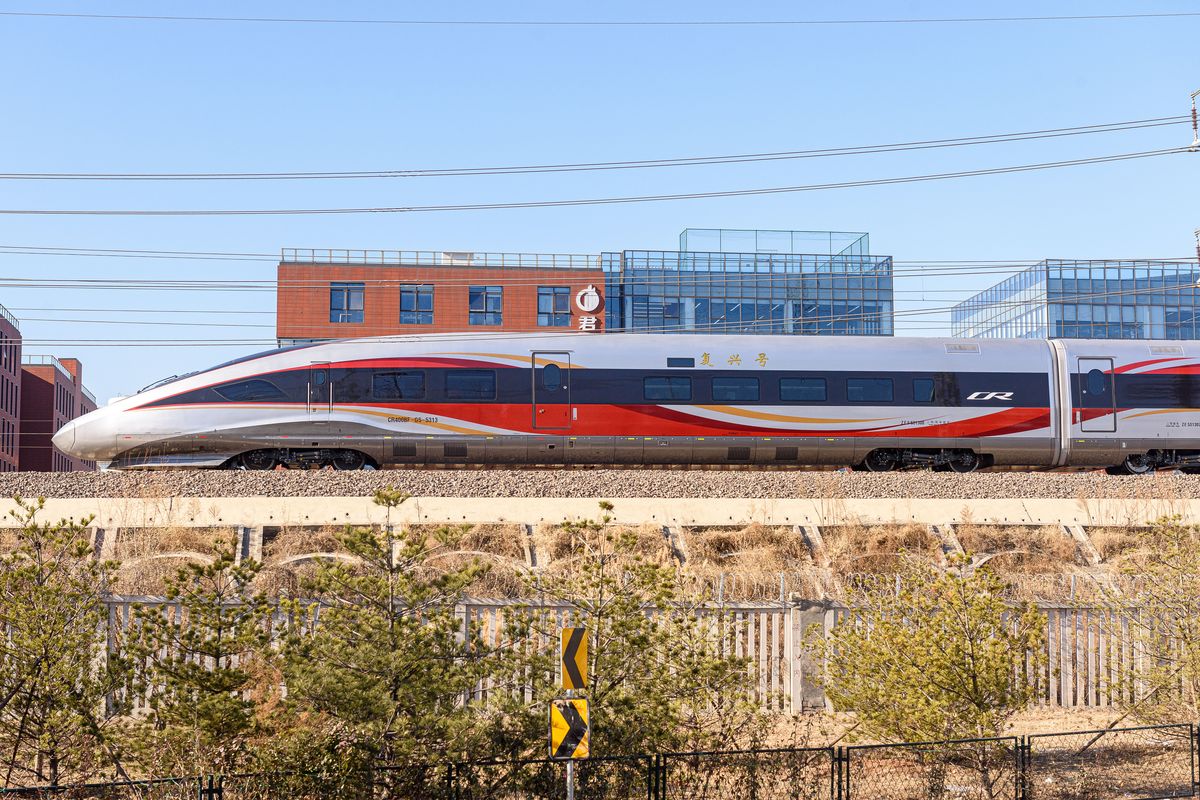
High-speed rail is the backbone of comfortable travel in China — smooth, punctual and accessible, with staff on hand to help with luggage.
Comfort details that make the difference
A few small choices turn a good trip into a comfortable one:
- Book hotels near metro stations with lifts. A hotel with an elevator and a decent breakfast removes two daily worries. For city-specific picks, our Beijing hotel guide and similar pages for other cities help.
- Set up payment and data before you fly. Alipay bound to a foreign card and an eSIM remove most friction — you can pay by QR code, hail rides and use translation apps from day one.
- Carry your passport. Hotels register every guest with it, and museums and some attractions offer senior discounts on presentation of a passport showing your age.
- Hydrate and pace in the heat. Summer in most of China is hot and humid; schedule indoor or air-conditioned activities for midday and save walking for mornings and evenings.
- Pack comfortable, broken-in walking shoes and a light layer for air-conditioned trains and metros, which are kept aggressively cool.
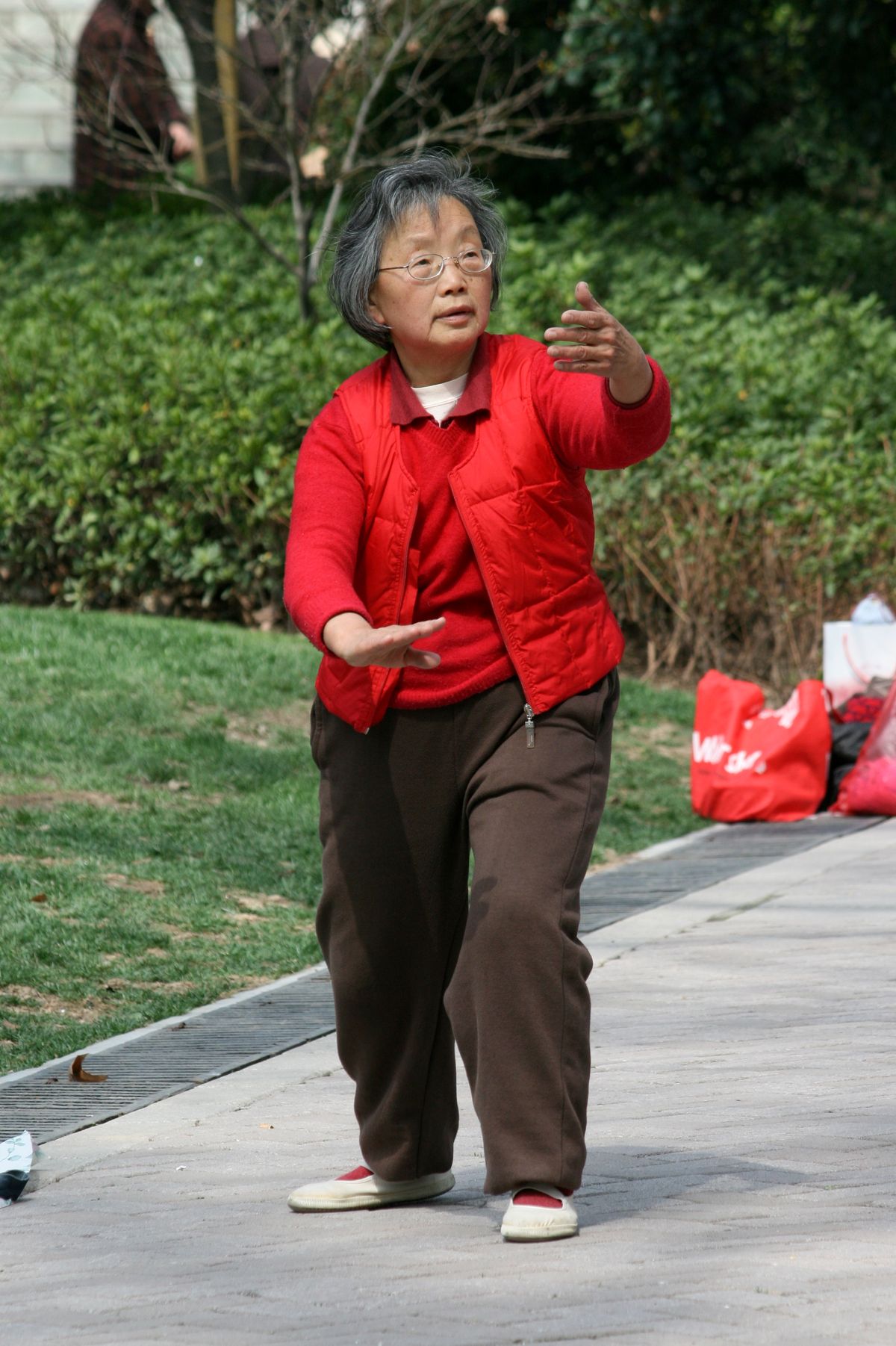
Parks are a highlight of any China trip — morning tai chi, chess games and tea houses are free, accessible and wonderfully social.
A sample gentle 14-day pace
To show what “fewer stops, longer stays” looks like in practice, here is a realistic 14-day rhythm that keeps every day manageable:
- Days 1–4, Beijing — the Forbidden City, Temple of Heaven and a Great Wall day, each on a separate day with nothing else heavy added. Mornings are the best time for outdoor sites; afternoons are for a hutong stroll or a teahouse.
- Days 5–6, transfer and Xi’an — a comfortable high-speed rail ride in the morning, then an easy arrival afternoon. Days in Xi’an are best split: the Terracotta Army on one morning, the city wall and Muslim Quarter on another.
- Days 7–8, rest and transfer — a light day built into every segment. This is the habit that separates a comfortable trip from an exhausting one.
- Days 9–13, Shanghai — the Bund at a gentle pace, Yu Garden, and a day trip or museum afternoon. Shanghai’s elevators and smooth pavements make it the easiest big city for older travelers.
- Day 14, depart — no new sightseeing; a relaxed morning before the flight.
The same structure works for a slower Yunnan route: three or four bases (Kunming, Dali, Lijiang) with rest days between, and the slow travel guide gives the full version of that route.
Senior discounts and little conveniences
China is a country that treats older visitors well, and a few small things make the trip smoother:
- Museum and site senior discounts — many major museums, parks and some attractions offer discounted or free entry for visitors over a certain age (commonly 60 or 65), on presentation of a passport. It varies by site, so ask at the ticket window rather than assuming.
- Priority queues and accessible entrances — most big museums, railway stations and airports have priority or accessible routes. Staff are used to helping; just ask for 无障碍通道 (accessible passage) or the priority entrance.
- Book a hotel with a lift and breakfast — two small conveniences that remove a daily worry. China’s mid-range and up hotels almost all have elevators; budget guesthouses sometimes do not, so check.
- Carry a card with your hotel’s address in Chinese — for taxis and Didi drivers, and for the rare moment you get turned around. It costs nothing and saves a lot of fumbling.
Common mistakes to avoid
- Over-packing the itinerary. More cities is not more enjoyment; the classic senior mistake is trying to see eight cities in ten days. Cut it to three and add rest days.
- Ignoring altitude. Skipping the doctor’s advice on Lhasa or the Yunnan highlands is the one health risk that catches people off guard.
- Not carrying medication documentation. A prescription or doctor’s letter in English smooths entry and any questions at hospitals.
- Under-budgeting for taxis and Didi. Door-to-door rides are cheap and worth every yuan when tired — don’t save money by walking long distances.
- Assuming old towns are wheelchair- or stroller-friendly. Cobbles and steps are the norm in historic districts; plan around them.
- Skipping travel insurance. It is the one thing you cannot buy at the airport if you need it. For the fuller safety picture, our safety guide covers health, transport and day-to-day risks.
Where senior travel fits in your China trip
There is already an excellent companion guide on this site — Traveling China as a Senior — which takes a slightly different angle on the same topic and is worth reading alongside this one. Together they cover the ground: pacing, health, mobility, comfort and insurance.
A realistic budget for a comfortable senior trip is a bit above backpacker levels: mid-range hotels with lifts and breakfast run about ¥300–600 per night, high-speed rail between cities ¥400–600 per leg, and sit-down restaurant meals ¥60–120 per person (estimates — prices change and vary by city and season). The comfort multipliers — taxis instead of long walks, better hotels, rest days — are where the budget goes, and they are exactly the right things to spend on.
Last updated: August 2026. Health advice, insurance requirements and attraction senior-discount policies change — confirm with your doctor, insurer and current official sources before you go.
Frequently Asked Questions
Is China a good trip for older travelers?
Yes. The high-speed rail network, modern metros with elevators, and cheap taxis and ride-hailing make getting around easier than in many countries. The key is pacing — fewer stops, longer stays and rest days. A slow route through Chengdu, Dali and Yangshuo, or the classic Beijing–Xi'an–Shanghai line stretched over two weeks, both suit older travelers well.
What should I do about health before going?
Bring your medication in original packaging with a prescription, arrange travel insurance that covers medical care, and consult your doctor about altitude if you plan to visit Tibet or the Yunnan highlands. See our medication guide for the entry rules and our insurance guide for how to pick a policy that actually covers China.
Is it easy to get around with reduced mobility?
Big-city metros have elevators and escalators and are very manageable; high-speed trains are accessible and station staff will help with luggage. The harder parts are old towns — Beijing's hutongs, Lijiang's cobbled lanes — and historic sites with uneven stone and steps. Our accessible travel guide details which attractions and stations are easiest.
How many days is realistic?
Ten to fourteen days covering three or four cities at a gentle pace is a good target. Give each city one extra day over the standard plan. A 14-day itinerary across Beijing, Xi'an and Shanghai, or a slow Yunnan route, leaves room for rest days and spontaneous afternoons without feeling rushed.
Is China safe for solo older travelers?
Yes — China is one of the safest destinations for travelers of any age, with very low violent crime and reliable transport. The main day-to-day challenges are the language barrier, phone-based payments, and uneven walking surfaces. Set up Alipay and an eSIM before you go, and those challenges mostly disappear.