
Mid-Autumn Travel in China: A Holiday Itinerary (2026)
Plan a Mid-Autumn Festival trip to China: mooncakes, lanterns and the full moon, where to go over the three-day holiday, and how to avoid the crowds.
The Mid-Autumn Festival is China’s warmest holiday — a three-day break built around the full moon, mooncakes and lanterns. Here’s how to turn it into a memorable trip, from where to go to how to beat the crowds.
For international visitors, the Mid-Autumn Festival (also called the Moon Festival) is one of the most rewarding times to be in China. It is a genuine public holiday, so there is a festive atmosphere in the streets; the weather is mild and pleasant; and the crowds are modest compared with the big winter holidays. This itinerary shows you how to plan a trip around it — where the festival is best experienced, how the three-day holiday affects travel, and how to enjoy the traditions as a visitor.
When the holiday falls
The Mid-Autumn Festival is the 15th day of the 8th lunar month, so the date moves every year. It usually lands in late September or early October, and it is celebrated as a three-day public holiday in China. In some years it sits next to Golden Week, which extends the travel peak; in others it stands alone. Two consequences matter for travelers:
- Trains and hotels book out for the three holiday days — reserve ahead if your dates overlap.
- Sights are busier than usual but far calmer than Golden Week.
The festival calendar shifts annually, so confirm the exact dates for your travel year. Our festivals calendar maps the whole year’s holidays and travel peaks.
Why Mid-Autumn is a lovely time to travel
Three things make Mid-Autumn an attractive travel window. First, the weather: it is late September or early October in most years, which in much of China means crisp, clear days and cool evenings — among the most comfortable conditions of the year. Second, the atmosphere: the festival is warm and family-centered, and the streets fill with lanterns and festive displays. Third, the crowds: it is a short peak, not a national travel exodus, so it is far more relaxed than Golden Week or Chinese New Year. If you want a taste of a Chinese festival without the chaos, this is the one to choose.
The festival highlights for visitors
The Mid-Autumn Festival centers on three things you can easily join:
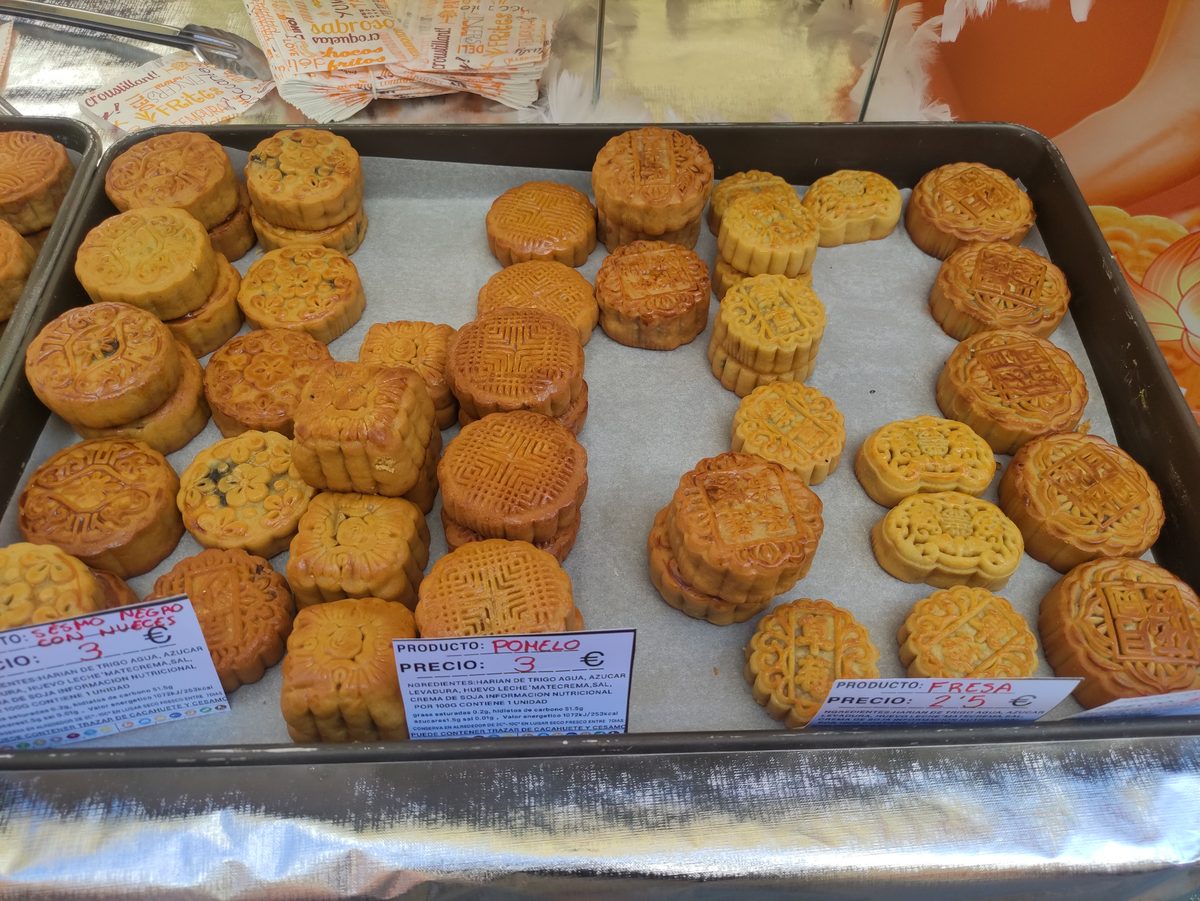
- Mooncakes — the dense, round pastries that are the festival’s signature. Try a classic lotus-paste mooncake with tea; the bakery-fresh ones are far better than the supermarket boxes.
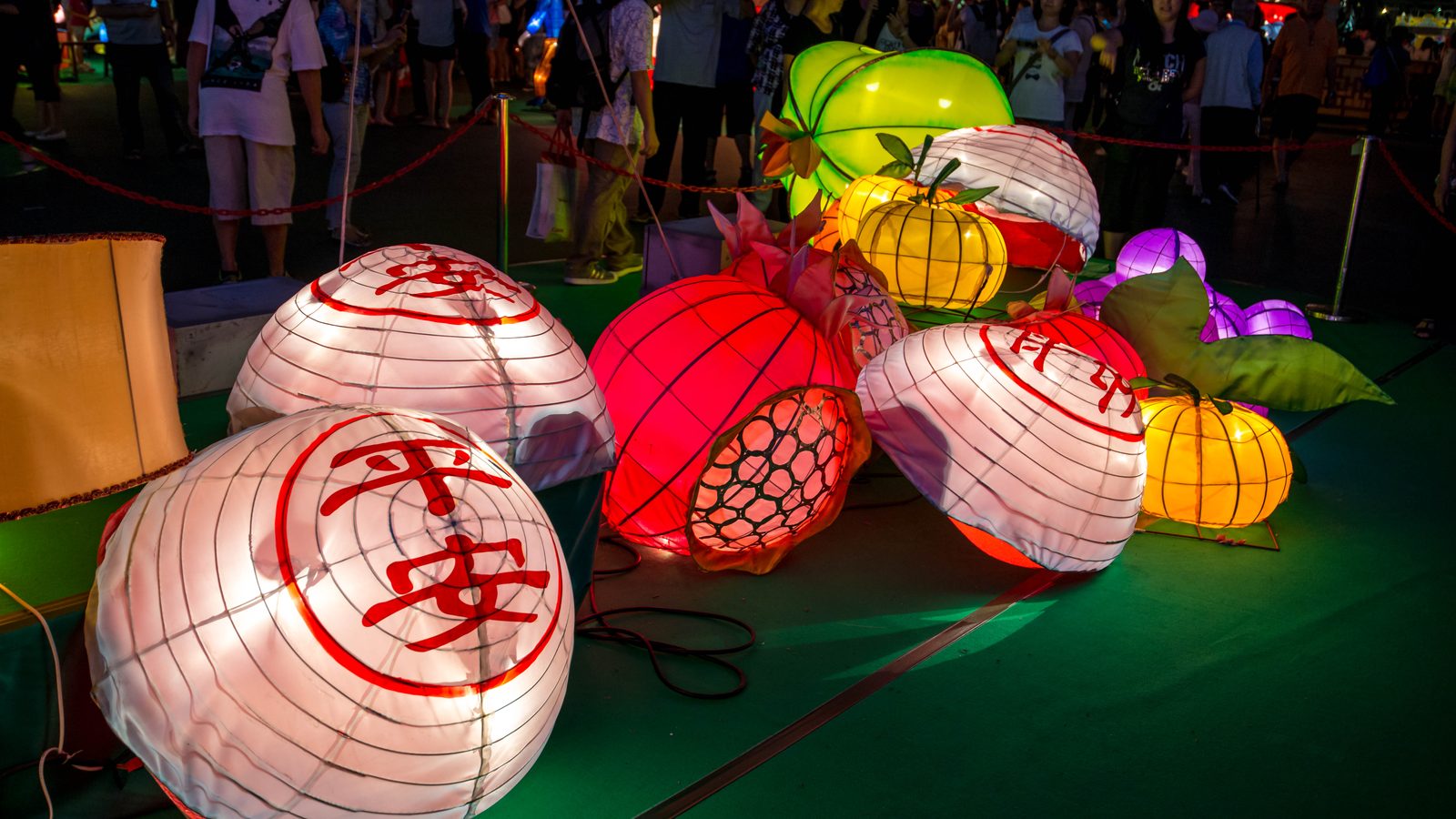
- Lanterns — carried by children and glowing across parks and streets. Many cities hold lantern festivals and displays around the holiday.
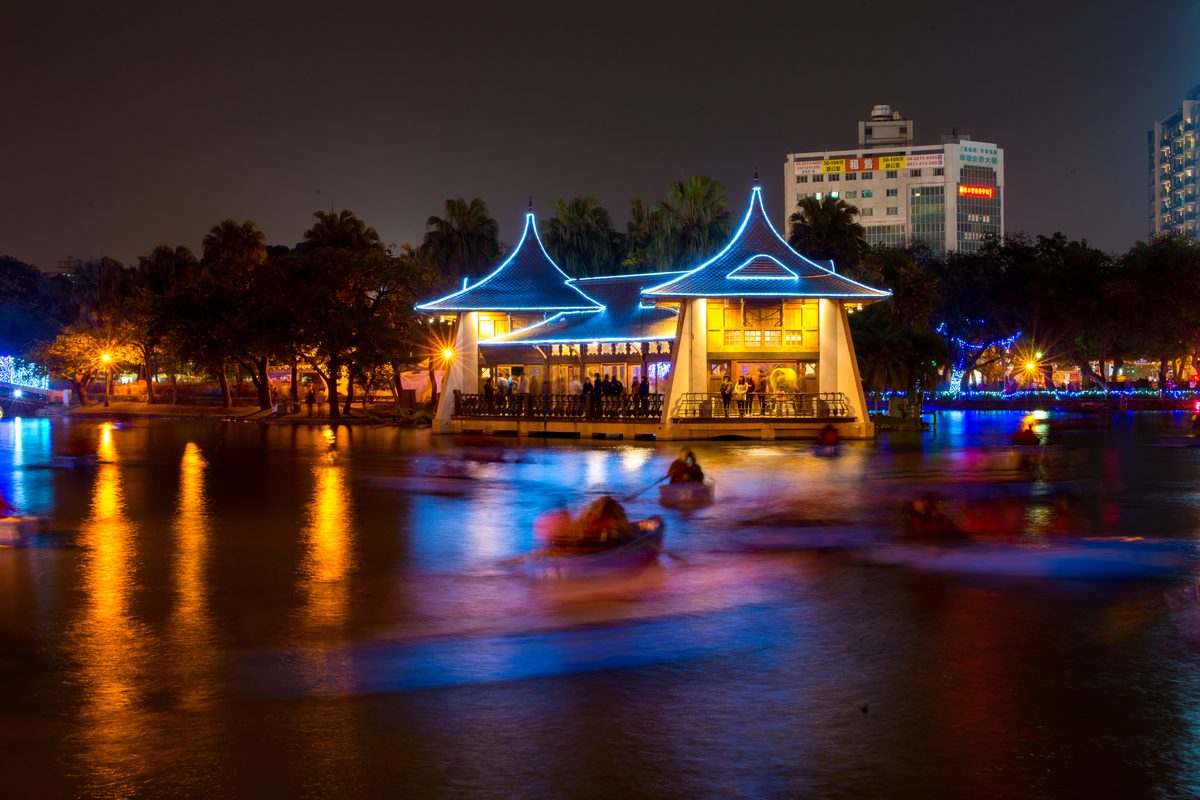
- Moon-viewing — the central act of the festival. On the night of the full moon, families gather in parks, on lakesides and on rooftops to watch the moon rise.
For a deeper look at the traditions, our Mid-Autumn Festival guide covers the festival’s meaning, the mooncake varieties and how to experience it as a visitor.
The best bases for a Mid-Autumn trip
The festival atmosphere is nationwide, but a few places do it especially well:
- Hangzhou — West Lake is the classic moon-viewing spot. The lake, the bridges and the tea hills make a beautiful setting for the festival night. See our Hangzhou guide for planning.
- Beijing — the imperial parks and hutongs host calmer, more traditional celebrations, and the autumn weather is superb.
- Guangzhou and the south — famous for vibrant lantern displays and lively moon-viewing traditions.
- Hong Kong — holds spectacular lantern carnivals and cultural performances; an easy add-on for southern routes.
Any base works — the festival is about the moon and the family, not the destination. Pick a city you already want to see, and let the festival add a warm layer to it.
A suggested three-day plan
If your trip overlaps the holiday, a three-day plan in one city works well:
- Day 1 — arrive and settle in. Visit the old town or a famous sight in the afternoon, then find an evening lantern display.
- Day 2 — a full day of sightseeing. In the evening, buy fresh mooncakes from a local bakery and scout a moon-viewing spot.
- Day 3 — the festival night. Watch the moon rise over a lake, park or rooftop, join the lantern crowds, and end the trip on the holiday’s high note.
You can adapt this to any of the bases above. The key is to leave the festival evening flexible so you can follow the local atmosphere.
Beating the crowds and the price spike
The three holiday days are the only real pressure point. Practical tips:
- Book trains and hotels early — the holiday is short, but it is still a domestic travel peak, and accommodation near popular sights goes first.
- Travel a day before or after the holiday — you get the festival atmosphere and avoid the worst of the crush.
- Check whether Mid-Autumn merges with Golden Week in your travel year — if it does, the peak is longer and busier, and the advice in our Golden Week guide applies. If it stands alone, it is a gentle, manageable holiday.
- Go to famous sights at opening time — the morning is calm even on holiday days.
A realistic budget
Mid-Autumn pricing is gentle compared with the big holidays. Rough guidance for planning (per person, CNY, and prices change): hotels run standard rates except for the three holiday days, when they spike moderately; trains keep standard fares but sell out; mooncakes range from a few yuan for supermarket boxes to hundreds for premium gift sets; lantern displays are mostly free. It is an affordable festival that rewards a little advance planning.
Practical notes for the trip
- Set up Alipay and an eSIM before you arrive — everything from train tickets to street food is easier with them.
- Bring a light jacket — the evenings are cool, especially if you plan to moon-watch outdoors.
- Buy mooncakes from a bakery, not a supermarket box — the fresh ones are the real thing.
- Ask your hotel about local celebrations — many neighborhoods and parks put on displays you will not find in guidebooks.
The festival food, beyond mooncakes
Mooncakes dominate, but the Mid-Autumn table has more to offer. Taro, pomelo and sweet osmanthus treats all feature in the festival, and the autumn harvest means markets are full of persimmons, chestnuts and fresh fruit. In the south, a meal of hairy crab is a seasonal ritual. If you are invited to share any of it, go — the food is the warmest doorway into the festival. And because autumn is China’s best food season overall, a Mid-Autumn trip pairs naturally with eating well wherever you are.
Extending the trip around the holiday
The three-day holiday works well as a centerpiece of a longer trip. Arrive a few days before it to see the main sights while the crowds are light, celebrate the festival night itself, then travel on once the holiday ends — the day after the break, the transport crush disappears and prices ease. For a fuller autumn itinerary that builds on the festival, see our autumn season guide and the autumn colors route. The festival adds a cultural high note to what is already the best season to travel.
The bottom line
Mid-Autumn is China’s most accessible festival for visitors: mild weather, a warm and festive atmosphere, and crowds that are manageable with a little planning. Book the three holiday days early, pick a base you already love — Hangzhou and Beijing are excellent choices — and make time for the full-moon night. It is the rare holiday that combines genuine cultural experience with comfortable travel.
Last updated: August 2026. Mid-Autumn falls on the 15th day of the 8th lunar month, so the exact dates and holiday arrangements change every year — confirm before you go.
Frequently Asked Questions
When is the Mid-Autumn Festival holiday in China?
Mid-Autumn falls on the 15th day of the 8th lunar month, which lands in September or early October. It is a three-day public holiday, and in some years it sits next to or merges with Golden Week. The date shifts each year, so check it for your travel year — our [festivals calendar](https://chinotrips.com/itineraries/china-festivals-calendar/) shows how it fits.
Is Mid-Autumn a good time to travel in China?
Yes — it is one of the pleasantest times to travel. The weather is mild, the atmosphere is warm and festive, and the crowds are far lighter than Golden Week or Chinese New Year. The only real pressure is accommodation and transport on the three holiday days themselves, which book out in advance. Plan around that and it is a genuinely lovely window.
Where should I go for Mid-Autumn?
Anywhere is pleasant, but a few places do the festival especially well: **Hangzhou** for moon-viewing over West Lake, **Guangzhou** and the south for spectacular lantern displays, **Hong Kong** for its lantern carnivals, and **Beijing** for sedate park gatherings and autumn weather. Pick one base and let the festival atmosphere come to you. See our [Mid-Autumn Festival guide](https://chinotrips.com/culture/mid-autumn-festival-china/) for the traditions.
How crowded is it during Mid-Autumn?
Moderately. It is a three-day domestic travel peak, so trains and hotels fill and popular sights get busier than usual — but it is a fraction of the Golden Week or Chinese New Year crowds. The practical advice is to book the three holiday days early and go to famous sights early in the morning. Outside the exact holiday days, it is calm.
What should I do to celebrate as a visitor?
Try a mooncake (the festival's signature food), see the lantern displays in the evening, and join a moon-viewing spot — a park, lakeside or rooftop — on the festival night itself. Many cities also host cultural performances and lantern festivals. It is an easy festival for visitors to join, and the full-moon night is the highlight.