
Kashgar Travel Guide (2026): The Old City & Pamir Gateway
Kashgar — the Silk Road's western gateway: the ancient city, the Sunday market, Uyghur culture, and the road to the Pamir and Karakoram.
OpenStreetMap Google Maps (opens externally)
Kashgar is China’s western gateway — a Silk Road city of bazaars, mosques and Uyghur culture that feels a world away from the eastern metropolises. Here’s how to visit it in 2026.
Overview
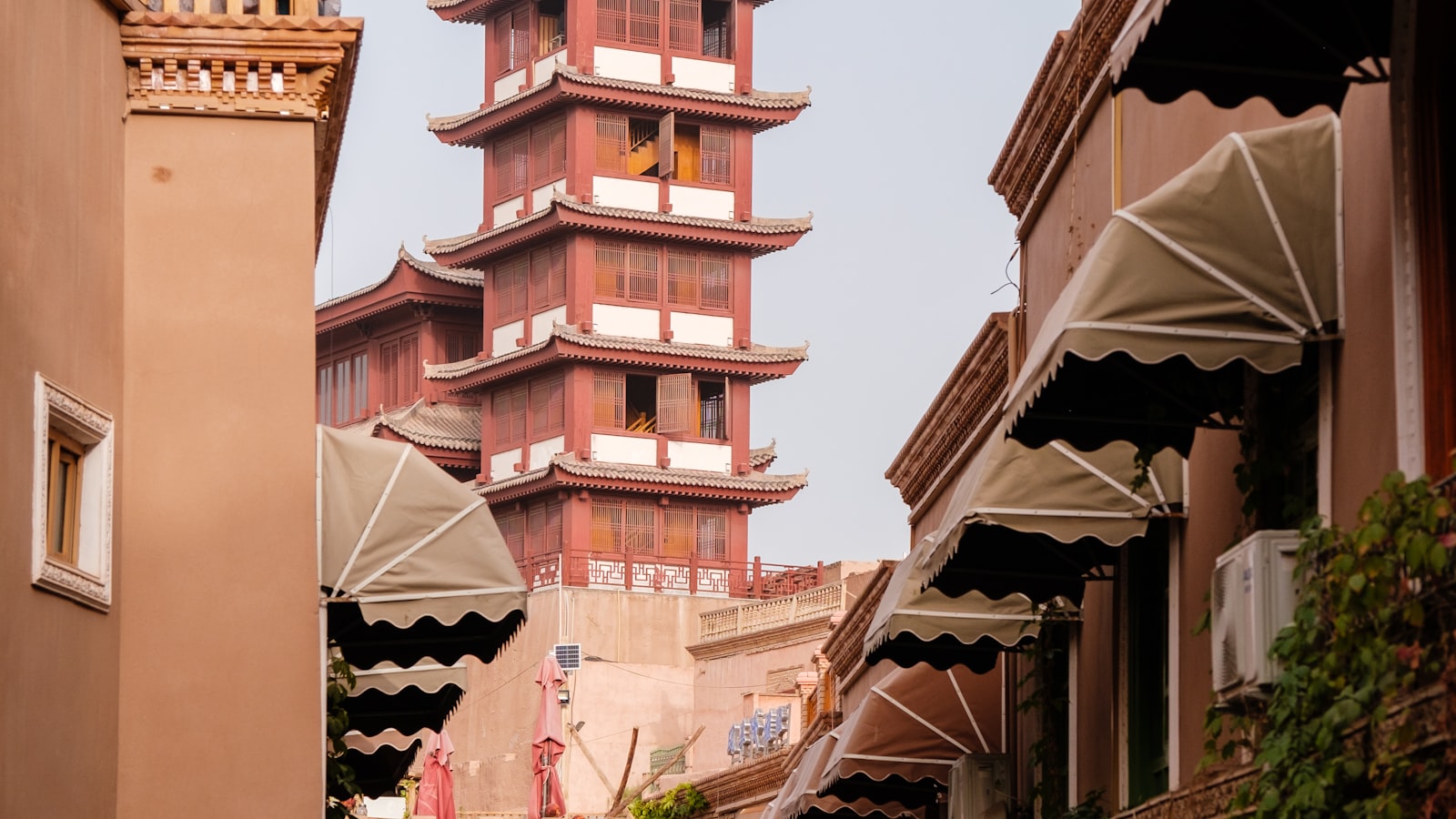
Kashgar sits at the western edge of China, where the old Silk Road split toward Central Asia, and it shows. The Old City is a labyrinth of earthen lanes and traditional Uyghur houses; the great Sunday market is one of Asia’s most vivid; and the food, music and language are unmistakably Central Asian. Beyond the city, the road climbs toward the Pamir mountains and Karakul Lake — some of the most dramatic scenery in China. It’s a destination for travelers who want something genuinely different.
How many days
2–3 days for the city, plus at least a day for the Pamir excursion. A realistic Kashgar stay is 3–5 days — enough for the Old City, the market, the mosque and the mountains. It’s reached by a 2-hour flight from Urumqi or a very long rail journey, so most visitors plan a block of days here rather than a quick stop.
Suggested itinerary
A 3-day plan:
- Day 1 — The Old City: the labyrinthine lanes of the Kashgar Old City, the Id Kah Mosque, and an evening among the streets and food stalls.
- Day 2 — The Sunday market (or the daily bazaar): the great market — livestock, textiles, spices and food — then the surrounding streets.
- Day 3 — The Pamir: a day trip to Karakul Lake and the mountains (with the required permit).
Have more time? Add the Karakoram Highway scenery, the countryside around the city, or a second day in the mountains. Kashgar rewards depth.
Best time to visit
- Spring (April–May) and autumn (September–October): the best windows — mild and clear.
- Summer (June–August): warm days, cool nights; the mountains are accessible.
- Winter (December–February): cold and quiet; some mountain roads are snowed in.
- The Sunday market is a year-round draw, busiest in the warmer months.
Top sights
- The Old City — the labyrinth of earthen lanes and Uyghur houses, the heart of Kashgar.
- The Sunday market — one of Asia’s great markets, spilling out around the city.
- Id Kah Mosque — the largest mosque in China, at the edge of the Old City.
- Karakul Lake and the Pamir — the dramatic mountain scenery west of the city.
- The tea houses and food streets — the Uyghur tea-and-lamb culture.
Getting there & around
- Flights: Kashgar Kashi Airport (KHG) — about 2 hours from Urumqi, the practical way in.
- Rail: a very long journey from Urumqi (many hours); flights are strongly preferred.
- Within the city: taxis and walking; the Old City is compact.
- To the Pamir: an organized day trip with the required permit.
Food & Uyghur culture
- Lamb skewers — the staple, grilled over open coals.
- Hand-pulled noodles and naan — the Central Asian bread-and-noodle base.
- Pilaf and the strong local tea — the classic Uyghur meal.
- Halal throughout — Kashgar’s food is entirely Muslim, lamb-heavy and distinct.
Practical tips
- Permits and guides — arrange the Pamir excursion through a licensed agency; the far west of Xinjiang is permit-managed.
- Respect local customs — dress modestly around mosques and in the Old City.
- Set up Alipay and an eSIM before you arrive.
- Fly in, fly out — the rail journey is too long for most itineraries.
Where to go next
Kashgar is the western end of the Silk Road route through Xinjiang — from here, most travelers fly back to Urumqi and continue, or take the road toward the border. It’s a destination to plan a trip around rather than a stop on the way. See our Xinjiang route for how it fits together.
The Sunday market, described
Kashgar’s Sunday market is one of the great market days in Asia. Around the city’s edge, traders gather with livestock — sheep, goats, camels — alongside textiles, spices, knives and food stalls. It’s loud, dusty, vivid and utterly authentic. Go early, walk the whole thing, and eat as you go: lamb skewers, naan, melons. It’s the closest thing in China to a full Central Asian bazaar, and it’s the memory most visitors take home from Kashgar.
The Karakoram and the Pamir
The road west from Kashgar climbs into some of the most dramatic mountain scenery in the world. Karakul Lake sits beneath the Pamir peaks — including Muztagh Ata, a massive snow-domed mountain — and the Karakoram Highway continues toward the border with Pakistan. The day trip to the lake is the essential excursion, but it requires a permit and usually a guide, arranged through a licensed operator. The scale of the landscape is humbling, and it’s the reason many travelers make the long journey west.
Practical realities of visiting
- Permits and guides: out-of-town excursions (Karakul Lake, the border areas) need permits, arranged through an agency — don’t wing it.
- Respect: Kashgar is a deeply Muslim city; dress modestly, be respectful at mosques, and follow local customs.
- Language: Mandarin is spoken, but Uyghur is the daily language — a translation app helps.
- Fly in, fly out: the rail journey from Urumqi is very long; flights are the practical choice.
- Set up Alipay before you arrive.
A budget for Kashgar
Kashgar is cheap by Chinese standards, though reaching it isn’t. Rough daily figures for planning (per person, CNY, and prices change): accommodation budget ¥120–200/night, mid-range ¥250–450; food lamb skewers, naan and noodles are some of the best value in China — ¥30–60 for a full meal; attractions the Old City and market are free to wander, Karakul Lake trip is the main cost (with permit and transport); flights from Urumqi are the real expense. The city itself is economical; the journey west is what costs.
The Uyghur culture, respectfully
Kashgar is a deeply Uyghur and Muslim city, and visiting respectfully is part of the experience. A few notes: dress modestly (especially around mosques and in the Old City), ask before photographing people, and be aware of the cultural distance — this is the one place in China where the daily language, food and customs are distinctly Central Asian. Most travelers find the hospitality warm. The tea houses, the market and the Old City reward going slowly and letting the place reveal itself.
Is Kashgar worth the long journey?
Honestly, it depends on your priorities. Kashgar is a long way from anywhere — a 2-hour flight from Urumqi, itself far from China’s main cities — and the far west of Xinjiang involves permits and planning. But if you’re drawn to the Silk Road, to genuine cultural difference, or to the Pamir mountains, it’s one of the most rewarding places in China. It’s a destination to plan a trip around, not a casual add-on. For most first-timers, the classic eastern route is the better introduction; Kashgar is for the second trip. Kashgar asks for effort and rewards it with one of the most distinctive experiences in China.
Last updated: August 2026. Permits, prices and access rules change — confirm before you go.
Is it safe?
Kashgar is a safe, welcoming destination and a major stop on the Silk Road. The main considerations are distance and infrastructure rather than safety — it is far from other cities, some areas are remote, and you should dress modestly and respect local customs around religious sites. Standard precautions apply, and a guide or local contact helps for exploring the surrounding region.
Frequently Asked Questions
Why visit Kashgar?
Kashgar is the westernmost major city in China, at the junction of the old Silk Road — a place that feels more like Central Asia than like the China you'll see elsewhere. The Old City's labyrinthine lanes, the great Sunday market, the Uyghur culture and food, and the dramatic road to the Pamir mountains and Karakul Lake make it one of China's most distinctive destinations.
How many days do I need in Kashgar?
Two to three days for the city itself — the Old City, the market, the mosque — plus at least a day for the Pamir excursion to Karakul Lake and the surrounding mountains. The region rewards more, but 3–5 days covers the essentials for most visitors.
Do I need a permit for the Pamir or Karakul Lake?
The road to Karakul Lake and the Pamir passes through border-adjacent areas that require a permit for foreign visitors. It's arranged through a licensed agency or tour operator, usually as part of a day trip or tour. Check the current requirements before you travel — the rules for the far west of Xinjiang can change.
Is it safe to visit Xinjiang?
The cities of southern Xinjiang, including Kashgar, are generally safe and touristed, with a visible security presence. That said, the region is tightly controlled, and visitors should be respectful and follow the rules. Foreigners typically travel with a guide or arrange permits for out-of-town excursions. It's a rewarding but carefully-managed destination.
What should I eat in Kashgar?
Kashgar's food is Uyghur Central Asian cuisine — grilled lamb skewers, hand-pulled noodles, naan bread, pilaf and the strong local tea. The Sunday market and the streets around the Old City are the place to eat. It's halal, lamb-heavy and utterly different from eastern Chinese food.