
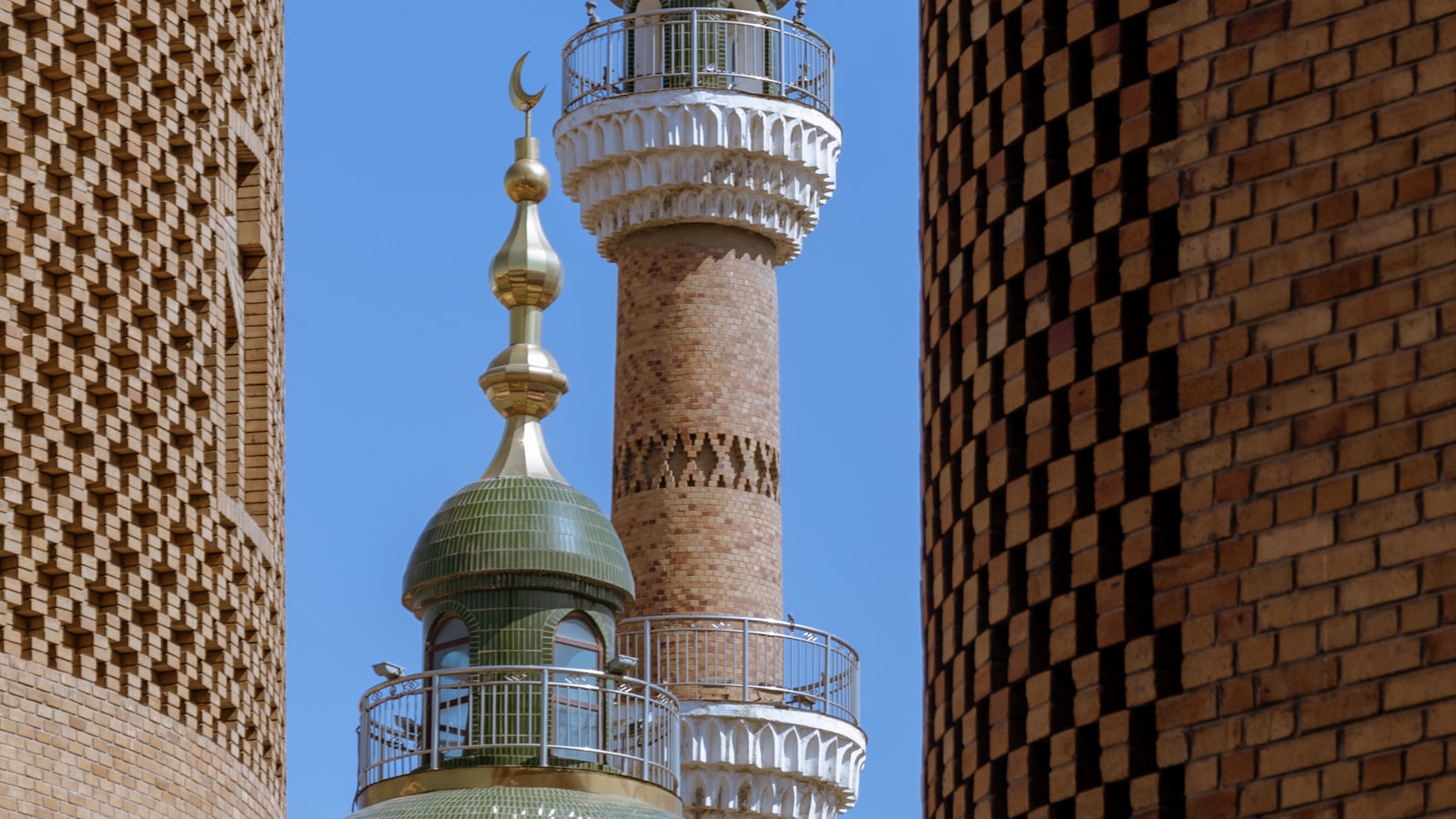
Urumqi Travel Guide (2026): Tianshan, Bazaar & Silk Road
Urumqi, Xinjiang's capital — Heavenly Lake under Bogda Peak, the Grand Bazaar, Silk Road mummies, Uyghur food and how to plan a visit.
OpenStreetMap Google Maps (opens externally)
Urumqi is the launchpad for the entire Silk Road — a sprawling, meat-and-naan city pinned against the Tianshan Mountains, with Heavenly Lake a half-day away and Turpan and Kashgar on the rails beyond. Here’s how to plan a visit in 2026.
The essentials
- Days needed: 2–3 nights in the city; longer if you add Kanas or the Southern Pastures.
- Getting there: flights from Beijing in about 4 hours; the high-speed rail from Turpan in about 1 hour and from Lanzhou in about 8 hours. Long-distance night trains also serve Beijing, Xi’an and Guangzhou.
- Best season: May–October; May–June and September–October for comfort, July–August for the fruit harvest. Winters are cold and dry but the lake and mountains are quiet.
- Vibe: a frontier metropolis where Uyghur, Kazakh, Hui and Han cultures meet — the most Central Asian-feeling big city in China.
What to do in Urumqi
The city core is a rough triangle between Red Hill, the Xinjiang Museum and the Grand Bazaar, all within a short taxi or Didi ride of each other. Most visitors spend their first day here, then head out to Heavenly Lake (Tianchi) on day two.
- Xinjiang Regional Museum — free but reserve ahead with your passport. The star exhibits are the Silk Road mummies from the Tarim Basin, including the Loulan Beauty (roughly 3,800 years old) and the Xiaohe mummies, plus the best collection of Silk Road textiles and murals outside a national museum. Give it a solid two hours.
- Red Hill (Hongshan) Park — the red sandstone outcrop in the middle of the city, topped with the Qing-era Zhenglong Tower. It is the classic Urumqi viewpoint, best at sunset when the Tianshan peaks turn pink on the horizon.
- Grand Bazaar (Erdaoqiao) — the big domed market complex, the largest bazaar in the region and a riot of carpets, knives, hats, dried fruit, spices and skewers. It is touristy in the main hall, but the surrounding lanes still feel like a working market. Bargain politely; the dried-fruit floor is great for gifts.
- People’s Park and the river walk — a relaxed green space near the center, good for a first evening stroll and people-watching.
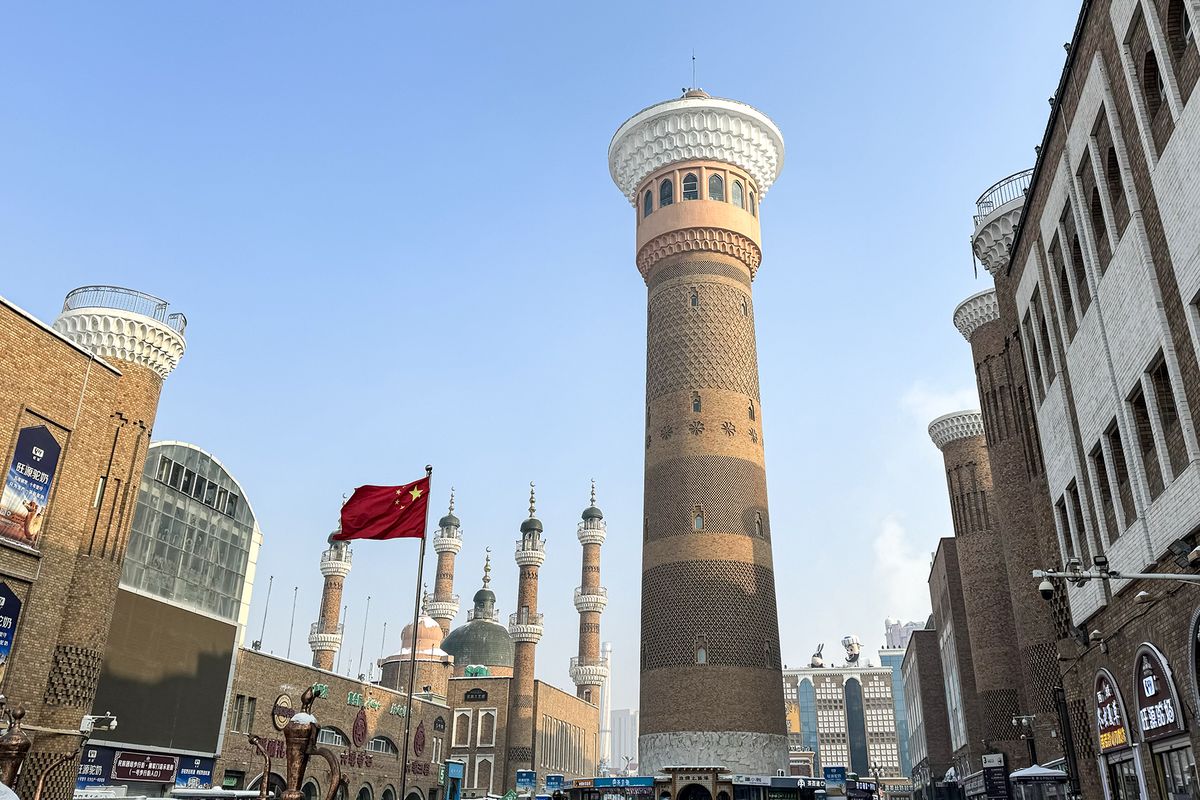
Urumqi’s Grand Bazaar at Erdaoqiao — carpets, spices, naan and skewers under the big domes.
Heavenly Lake (Tianchi)
The single best half-day out of Urumqi, Tianchi sits about 110 km east of the city at roughly 1,900 meters, in the shadow of Bogda Peak (5,445 meters), a sacred mountain in Taoist tradition and the highest point of the eastern Tianshan. It is part of the Tianshan UNESCO World Heritage site, along with the vast grasslands and snow peaks that ring it.
Arriving feels a little like a theme park: a shuttle bus carries you from the visitor center up the switchbacks to the lakeside, where the water reflects the forests and the pyramid of Bogda. A cable car runs up the western flank for the panoramic viewpoint; a boardwalk trails along the shore. A guided circuit with the shuttle and cable car takes about four to six hours from the city. Go early — by mid-afternoon the tour buses arrive and the lakeside path fills.
Heavenly Lake is also the gateway to deeper Tianshan trips: the Southern Pastures (Nanshan) grasslands about 60 km south of the city, and longer treks toward the Kanas lake country in northern Altay, which are best done on a tour or as part of a longer Xinjiang route.
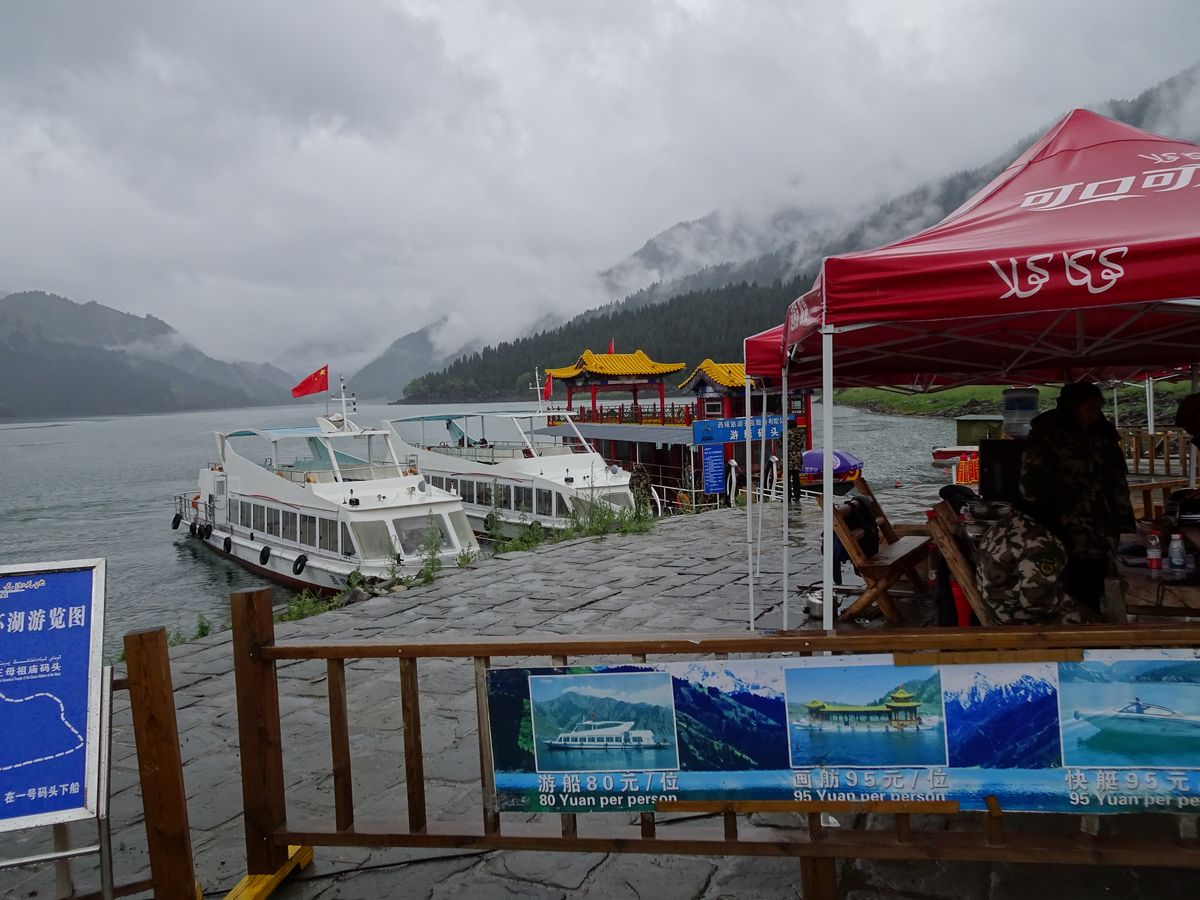
Heavenly Lake (Tianchi) beneath Bogda Peak — the classic half-day escape from Urumqi and part of the Tianshan UNESCO World Heritage site.
When to go, season by season
Urumqi has an extreme continental climate — cold, dry winters and warm, dry summers with a huge day-to-night temperature swing.
- May–June: mild and green, the sweet spot for hiking and the grasslands. Days are warm, nights are cool, and Tianchi still has snow on Bogda above the treeline.
- July–August: the hottest window, frequently above 32°C in the city but dry and bearable; the mountains stay comfortable. This is the peak fruit season — melons, grapes and peaches — and the busiest tourist window.
- September–October: the other sweet spot. Days are warm and clear, the crowds thin after the early-October national holiday, and autumn light on the mountains is superb. Early snow can dust the peaks.
- November–March: cold and dry, with temperatures well below freezing at night and occasional snow in the city. The lake freezes, flight prices drop, and the bazaar and museums feel like winter refuges — but outdoor sightseeing is limited.
Where to stay and eat
Base yourself near the center between Red Hill and the bazaar — most mid-range and upscale hotels cluster around Youhao (Friendship) Road and the Hongshan area, with the bazaar hotels handiest for food but noisier. Budget guesthouses and hostels are thin on the ground compared with eastern China; expect fewer backpacker options and better-value mid-range chains instead.
Eating is the highlight. Urumqi’s food is halal by default and built around lamb:
- Lamb skewers (chuanr) — ¥5–10 each, grilled over charcoal with cumin and chili.
- Pilaf (polo / zhua fan) — rice, carrots and lamb, ¥20–35 a plate.
- Laghman noodles — hand-pulled, stir-fried with beef and vegetables, ¥15–25.
- Samsa and naan — the baked snacks; naan is a few yuan.
- Milk tea and fruit — sweet or salty milk tea, plus the famous local melons and grapes in season.
The Grand Bazaar area and the night market lanes around it are the easiest place to graze. Say “bu la” (not spicy) if you want mild; most dishes are mild by default but the chili is easy to add. Alcohol is less common in halal restaurants — fruit juice and milk tea are the standard pairing.
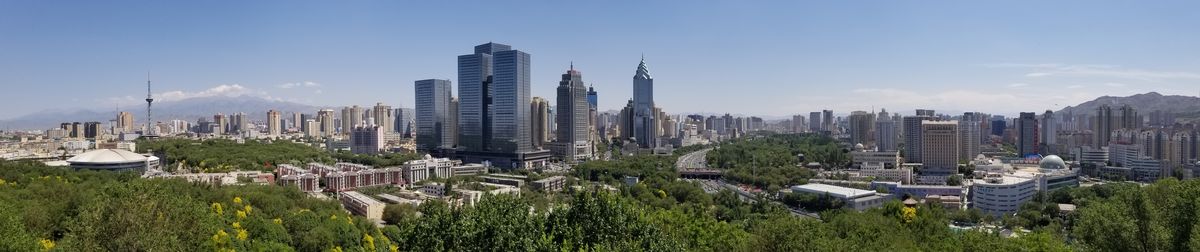
Red Hill (Hongshan) Park in the center of Urumqi — the classic city viewpoint, with the Tianshan on the horizon at sunset.
A realistic budget
Urumqi is a genuinely affordable city by Chinese standards, and the weak points in a budget are the long flights in and out, not daily life.
- Hotels: roughly ¥300–600 per night for a comfortable mid-range room; budget guesthouses and economy chains run ¥150–250. Splurge hotels near Hongshan start around ¥700–900. Book ahead in July–August and around holidays.
- Sights: the Xinjiang Museum is free but must be reserved; Red Hill about ¥10; the Grand Bazaar free to wander. Heavenly Lake is the big line item — about ¥150–200 entry plus the shuttle and optional cable car, so budget ¥250–350 total for the day.
- Food: street snacks ¥5–25; a full meal at a local restaurant ¥40–80 per person. A big bazaar dinner for two rarely tops ¥150.
- Transport: city taxis and Didi rides ¥10–30; the HSR to Turpan roughly ¥50–60 one way. A day of sightseeing transport inside the city rarely exceeds ¥50.
A realistic 3-day budget for one person, excluding flights and long-distance rail, is roughly ¥800–1,300 depending on hotel class and whether you do the full Tianchi package. All figures are planning estimates — prices change with season and demand, so confirm current rates on booking platforms before you go.
Practical tips
- Book the museum ahead. The Xinjiang Museum uses real-name reservation; bring your passport and book a slot as soon as your dates are firm, especially on weekends.
- Check the time zone. Xinjiang time runs about two hours behind Beijing time in daily life. Confirm train departures, tour pick-ups and opening hours twice.
- Carry your passport. You need it for hotels, museums and every train ticket; keep a photocopy for the street.
- Payment and data: set up Alipay and an eSIM before you arrive. Cash is still useful at small bazaar stalls.
- Trains: long-distance tickets sell out, and the region is huge — see the train ticket guide for buying with a foreign passport.
- Dress for the swing. Even in summer, mornings and evenings at Tianchi are cool; bring a layer, sun protection and sturdy shoes.
Combining Urumqi with the region
Urumqi is the hub for the rest of Xinjiang, and a trip that stops in the city alone is missing the point. The classic add-on is a day trip by high-speed rail to Turpan — the grape oasis, the Jiaohe ruins and the Flaming Mountains, about an hour away. From there, the rail spine extends southwest to Kashgar, the Silk Road’s great Muslim city at the edge of the Pamirs, and flights reach the far north for Kanas Lake and the Ili Valley. Our 9-day Xinjiang route strings Urumqi, Turpan and Kashgar into a single plan, and the Turpan guide and Kashgar guide cover the next legs in detail.
Last updated: August 2026. Prices and schedules change — confirm current tickets, reservations and visa rules before you go.
Frequently Asked Questions
Why visit Urumqi?
Urumqi is the gateway to Xinjiang and the modern face of the Silk Road: a big, fast-growing city pinned against the Tianshan Mountains with some of the region's best food and the airport and rail links you need to reach Turpan, Kashgar and the lakes beyond. In the city itself, the Xinjiang Museum's Silk Road mummies and the Grand Bazaar are the standouts, and Heavenly Lake is a half-day away.
How many days do I need in Urumqi?
Plan two to three nights: a day for Heavenly Lake, a day for the Xinjiang Museum, Red Hill and the Grand Bazaar, and extra time for the Southern Pastures or a day trip to Turpan. Urumqi is also the practical launchpad for a longer Xinjiang route — the region is huge, and most travelers base themselves here between flights.
Is it safe for foreign tourists?
Yes. Xinjiang has been heavily promoted as a tourism destination in recent years, and Urumqi is a modern city with a visible security presence. Bring your passport for hotels, museum tickets and train travel, and be aware that some remote border areas have permit requirements — for the famous lake routes like Kanas, join a tour or confirm the current rules before you go.
What should I eat in Urumqi?
Xinjiang food is halal and meat-forward: lamb skewers (chuanr), pilaf (polo), hand-pulled laghman noodles, samsa pastries, naan bread and milk tea, finished with local raisins and melons. Portions are generous and prices are low — a filling street meal runs well under ¥50. The Grand Bazaar and the night market area are the easiest places to graze.
What is Heavenly Lake like?
Tianchi (Heavenly Lake) sits about 110 km east of the city at around 1,900 meters, beneath the 5,445-meter Bogda Peak. It is a stunning glacier-fed alpine lake ringed by forest, and it is part of the Tianshan UNESCO World Heritage site. Expect roughly a half-day round trip; a shuttle bus runs from the visitor center up to the lake, and a cable car climbs higher for the panorama.
Does Xinjiang time matter?
China officially runs on Beijing time (UTC+8), but daily life in Xinjiang often runs on 'Xinjiang time' about two hours behind. Shop and restaurant hours and even some train and flight announcements can reflect this. Confirm pick-up times and opening hours twice — it is one of the most common practical surprises for visitors to Urumqi.