
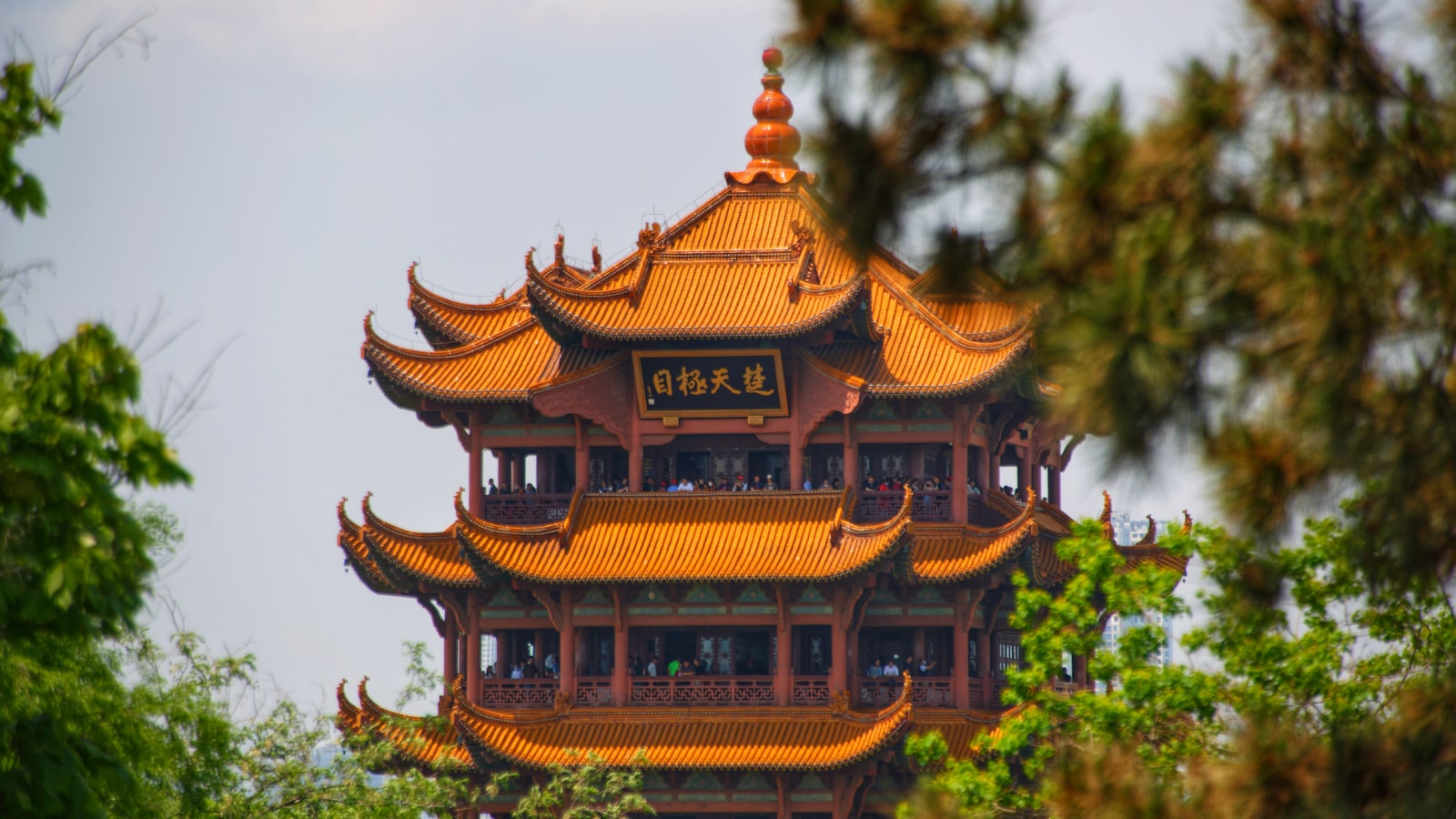
Wuhan Travel Guide (2026): Yellow Crane Tower & Hot Noodles
Wuhan — China's great river city on the Yangtze and Han rivers: the Yellow Crane Tower, East Lake, the re'ganmian breakfast, and cherry blossoms.
Wuhan, China
Open an external map for this location.
OpenStreetMap Google Maps (opens externally)
Wuhan is the great river city of central China — where the Yangtze meets the Han, a proud history of trade and revolution, and one of China’s most-loved breakfasts. Here’s how to visit it in 2026.
Overview
Wuhan is China’s largest city in the middle of the country, built where the Yangtze River meets the Han. It’s a city of three parts — Wuchang, Hankou and Hanyang, historically separate towns now fused into one sprawling metropolis. For visitors, the draws are clear: the legendary Yellow Crane Tower, the vast lake-and-park calm of East Lake, world-class museums, and a food culture (especially breakfast) that locals defend fiercely. It’s also a modern, proud city that has been through enormous change and is genuinely fascinating to visit.
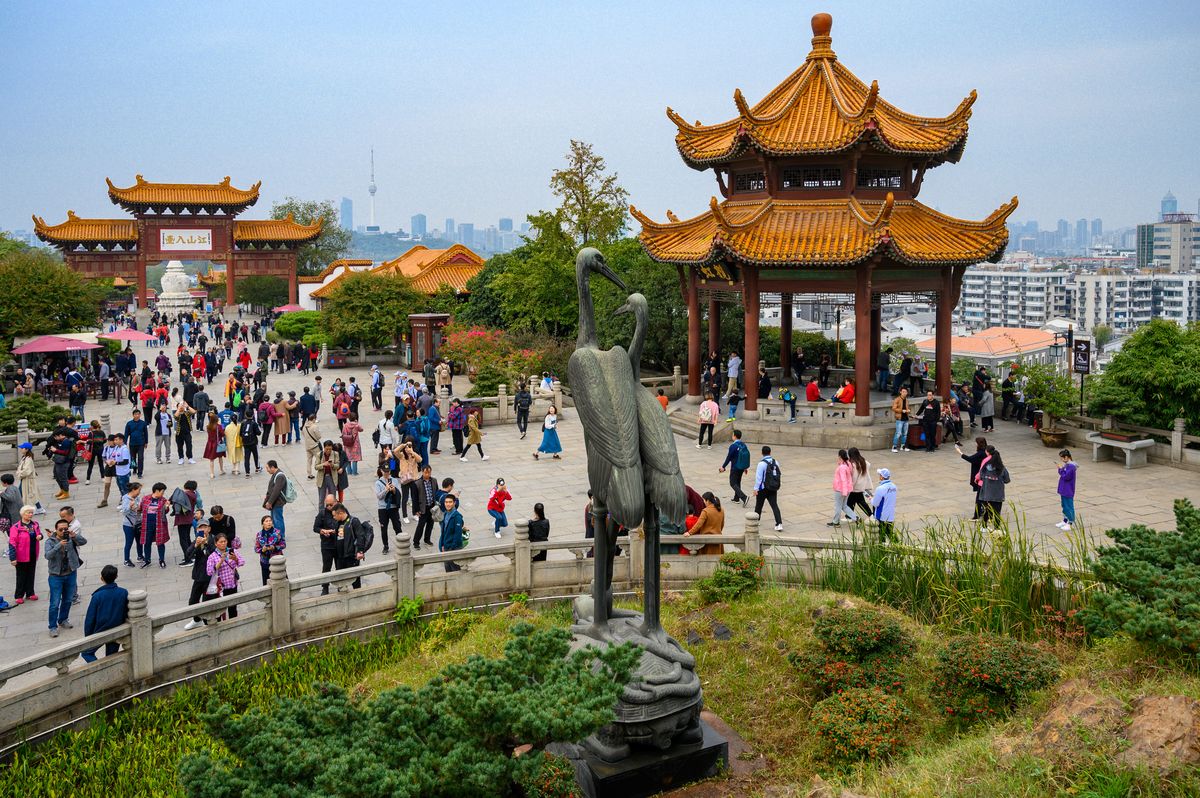
The Yellow Crane Tower stands on the riverbank with a classic view over the Yangtze and the city.
How many days
2–3 days covers the highlights comfortably: a day for the old town and the Yellow Crane Tower, a day for East Lake and the museums, and time for the food. It slots easily into the central China rail network — about 1.5 hours from Changsha and 4 hours from Beijing by high-speed rail.
Suggested itinerary
A 2-day plan:
- Day 1 — Old Wuhan: the Yellow Crane Tower in the morning, then the Hubei Provincial Museum (the famous chime bells and the Marquis Yi of Zeng bronzes) in the afternoon, and a walk along the Yangtze riverfront at sunset.
- Day 2 — East Lake & the city: a morning at East Lake (the largest urban lake in China — cycle or stroll the parkland), then the food scene: the re’ganmian breakfast to start, and a riverside dinner.
Have more time? Add a day to explore the Han Street shopping district, the old foreign concession area of Hankou, or take a Yangtze river cruise. Wuhan also connects easily to the Three Gorges cruise starting upstream at Yichang.
Best time to visit
- Spring (March–May): cherry blossoms in March–April, mild weather — the sweet spot.
- Autumn (September–November): crisp and pleasant, good for the tower and the lake.
- Summer (June–August): famously hot and humid — Wuhan is one of China’s ‘furnace’ cities; go early and stay in the air conditioning.
- Winter (December–February): cold and grey, but quiet and cheap.
Top sights
- Yellow Crane Tower — one of China’s most famous landmarks, with a storied history in poetry and a fine view over the Yangtze.
- East Lake — the vast urban lake and its parks; cycle, stroll, or take a boat.
- Hubei Provincial Museum — the bronze chime bells of Marquis Yi of Zeng, a world-class collection.
- The Yangtze riverfront — the river meets the city; the bridges and the sunset are the classic view.
- Han Street — the modern shopping and dining district, lively in the evening.
Getting there & around
- High-speed rail: Wuhan is a major hub — about 1.5h from Changsha, 4h from Beijing, and 3–4h from Guangzhou. Book with your passport — see our train guide.
- Flights: Wuhan Tianhe (WUH) is a major airport with domestic and international routes.
- Metro: extensive and cheap; covers the main sights.
- The river: ferries cross the Yangtze and are a cheap, scenic way to see the city from the water.
Food & breakfast
- Re’ganmian (hot dry noodles) — the city’s signature, at breakfast shops everywhere.
- Also try: doupi (a crispy glutinous rice cake), Wuchang fish, and the spicy crayfish in summer.
- Milk tea and snacks — the modern Wuhan food scene is lively, especially around Han Street and the universities.
- Where: the breakfast streets near the old town and the night markets for the rest.
Practical tips
- Set up Alipay and an eSIM before you arrive.
- Book the museum in advance — the Hubei Provincial Museum requires a reservation.
- Pack for the heat in summer — Wuhan is genuinely one of China’s hottest cities.
- The river views are free — the best sunset is from the riverfront, not a paid viewpoint.
Where to go next
Wuhan is the natural hub for central China: south to Changsha and Guangzhou, north to Zhengzhou and Beijing, or upstream to the Three Gorges. It’s also a clean high-speed rail stop on the classic Beijing–Shanghai–Guangzhou corridor. See our Changsha guide for the next stop south.
The river, the bridges and the city’s soul
Wuhan’s identity is written on the Yangtze. The first bridge across the river — the Wuhan Yangtze River Bridge, completed in 1957 — is a landmark of modern China, and the riverfront is where the city gathers at dusk. Take the ferry across the river (cheap, scenic, and genuinely local), watch the bridges light up after dark, and you’ll understand why Wuhan is so proud of being the great middle-river city. The river isn’t a backdrop here; it’s the city’s main street.
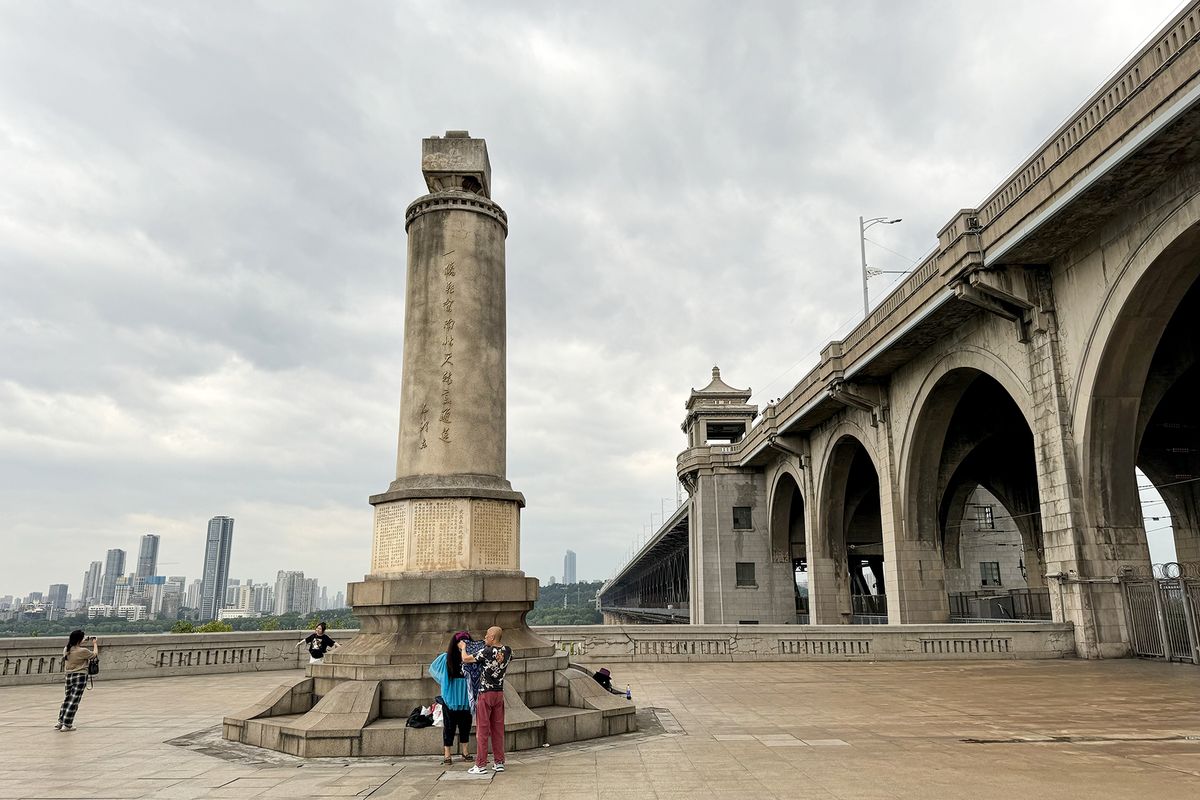
The 1957 Wuhan Yangtze River Bridge was the first bridge to span the Yangtze.
Wuhan’s place in Chinese history
Wuhan has been at the center of modern Chinese history. The Wuchang Uprising of 1911, which began the fall of the last dynasty, started here; the city was the wartime capital during much of the 1930s–40s; and it’s been a railway and industrial heartland ever since. For visitors who want to understand modern China — not just the ancient sights — Wuhan offers a different layer of history than the imperial cities. The museums and the riverside memorials tell that story.
Where to eat like a local
Beyond re’ganmian, Wuhan’s food scene rewards exploration. The Hubei Provincial Museum area and the university districts are full of good, cheap eating. Doupi (a crispy glutinous rice cake), Wuchang fish (from the Yangtze), and the spicy crayfish of summer are local institutions. The night markets and the riverfront restaurants are where locals go — follow them.
A budget for Wuhan
Wuhan is mid-priced by Chinese standards — a big-city meal costs about what you’d pay in any provincial capital. Rough daily figures for planning (per person, CNY, and prices change): accommodation budget ¥150–250/night, mid-range ¥300–500; food a re’ganmian breakfast is ¥5–15, a sit-down dinner ¥50–100; attractions the Yellow Crane Tower around ¥70–100, East Lake free, the museum free (reserve ahead); transport metro rides a few yuan, taxis cheap. Carry a little cash but pay by Alipay almost everywhere.
Wuhan for different kinds of travelers
- First-timers to China: Wuhan is an off-the-main-path pick — fewer foreign tourists, more authentic. The river and the breakfast alone justify it.
- History lovers: the 1911 revolution sites, the wartime history, and the Hubei museum’s bronzes are a different layer from the imperial cities.
- Food travelers: re’ganmian, doupi, crayfish — Wuhan is a serious food city that’s underrated abroad.
- Transit travelers: as a rail hub, it’s a natural stop on the Beijing–Guangzhou corridor with real sights, not just a change of trains.
A longer Wuhan stay
With four or five days, Wuhan opens up. The Three Gorges are the big extension — the Yangtze cruise starts upstream at Yichang, a few hours by rail. Closer in, the Yellow Crane Tower area and the East Lake peninsula reward slow exploration, and the Han Street shopping district fills an evening. The city is big enough to keep you busy for a week if you dig into its neighborhoods and the river towns nearby.
The three towns, decoded
Wuhan’s geography is the key to understanding it. The city is actually three historically separate towns fused by bridges and the river: Wuchang on the south bank of the Yangtze, where the Yellow Crane Tower, the Hubei Provincial Museum and East Lake sit; Hankou on the north bank, the old commercial and concession district with the riverside promenade, Han Street and the food streets; and Hanyang across the Han River, the older industrial side. Because the sights are split across the banks, a little planning matters: the metro and the ferries cross the river cheaply, but it’s worth grouping each day’s sights on one side. The Wuhan Yangtze River Bridge, opened in 1957, was the first bridge across the Yangtze and still connects Wuchang and Hanyang — crossing it on foot or by bus is a small Wuhan rite of passage.
The Yellow Crane Tower’s story
The Yellow Crane Tower is more than a building — it’s one of the most famous landmarks in Chinese poetry. The tower was first built in the third century, and for over a thousand years poets climbed it, wrote about it, and made it a symbol of departure and longing; the best-known poem, by Cui Hao in the Tang dynasty, is still memorized by every Chinese student. The twist is that the tower you climb today is a 1985 reconstruction — the original was destroyed and rebuilt many times over the centuries, and the present version follows a Tang-era design. That history matters because it changes what you’re seeing: you’re not walking into an ancient building, you’re standing in the place where a thousand years of literature happened, with the river view the poets described. Go early for the view, and read a translation of Cui Hao’s poem first — it makes the visit click.
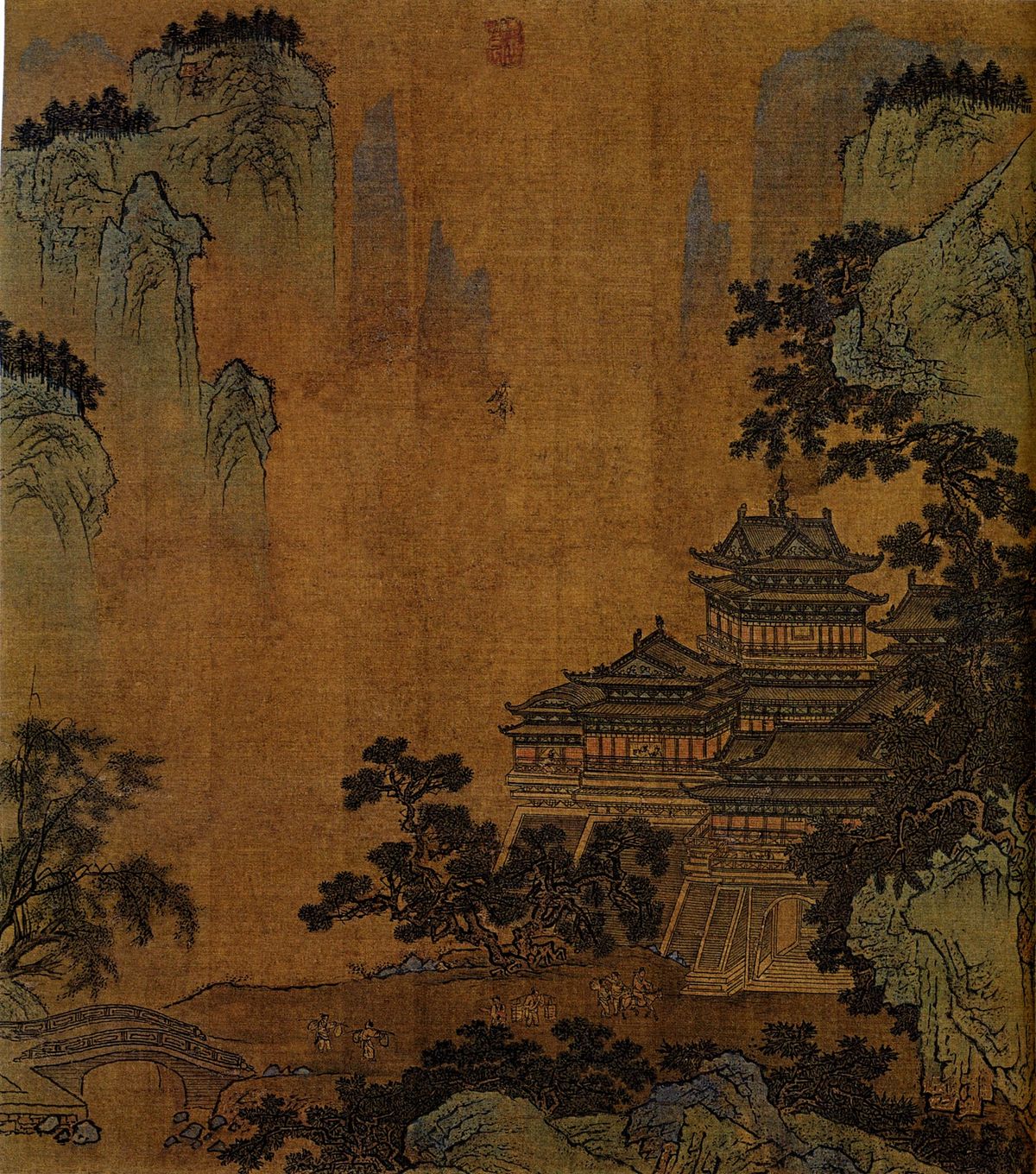
Today’s Yellow Crane Tower is a 1985 reconstruction following a Tang-era design.
Wuhan’s breakfast culture, in depth
Wuhan is famous for its breakfast, and the ritual is worth doing properly. The city’s signature, re’ganmian (hot dry noodles), is a bowl of thin alkaline noodles tossed in sesame paste with chili oil, scallions and pickled radish — cheap, fast and eaten standing at a small shop. Locals pair it with warm soybean milk, and the classic order is one bowl plus one glass. Around it, the “early market” spreads further: doupi (a crispy glutinous rice cake filled with meat and mushrooms), tangbao (soup dumplings) and a dozen other snacks appear at stalls from about 6am. The breakfast streets near the old town and the residential neighborhoods are the place to go — follow where the locals queue. It’s one of the great street-food breakfasts in China, and it alone justifies a Wuhan stop.
Last updated: August 2026. Attraction prices and hours change — confirm before you go.
Frequently Asked Questions
Why visit Wuhan?
Wuhan is one of China's great river cities — where the Yangtze meets the Han — and the historic heart of the middle. The Yellow Crane Tower is one of China's most famous landmarks, East Lake is a vast lake-and-park escape, and the city's breakfast (re'ganmian hot dry noodles) is legendary. It's also the home of Hubei's best museums and a genuinely proud, food-obsessed local culture.
How many days do I need in Wuhan?
Two to three days: a day for the Yellow Crane Tower, the Hubei Provincial Museum and the riverbanks, a day for East Lake and the surrounding parkland, and the rest for the food — especially the re'ganmian breakfast. It's an easy high-speed rail stop between Changsha and Zhengzhou on the Beijing–Guangzhou line.
What is re'ganmian and where do I eat it?
Re'ganmian (hot dry noodles) is Wuhan's signature breakfast: thin alkaline noodles tossed in a sesame-paste sauce with chili, scallions and pickled radish. You'll find breakfast shops serving it all over the city from early morning. The classic is a bowl of re'ganmian plus a glass of warm soybean milk — the city's morning ritual.
Is the Yellow Crane Tower worth visiting?
Yes — it's one of the most storied landmarks in Chinese poetry and history, reconstructed on the riverbank with a great view over the Yangtze and the city. Go early to avoid the crowds, and take in the view from the top. The surrounding area and the riverfront make a pleasant half day.
When is the best time for the cherry blossoms?
Wuhan's cherry blossoms bloom in March–April, especially at Wuhan University and East Lake's Cherry Blossom Garden. It's one of China's best blossom destinations, but also one of the busiest — book accommodation early if your dates fall in that window. Spring and autumn are the pleasant seasons generally.