
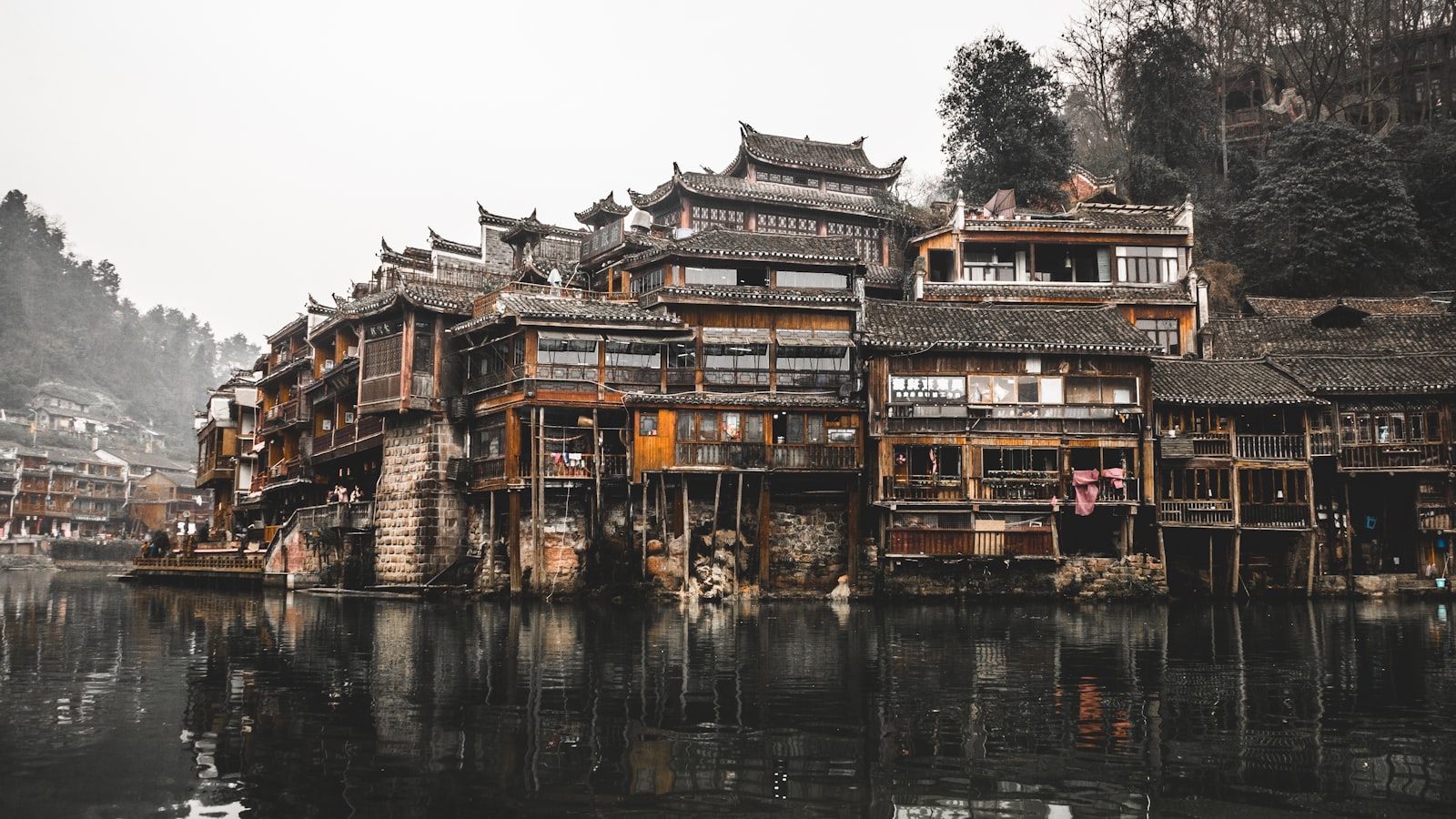
Changsha Travel Guide (2026): Yuelu Mountain & Orange Island
Changsha, Hunan's food capital — Yuelu Mountain and the academy, Orange Island's Mao statue, the Mawangdui treasures, and a legendary street-food scene.
OpenStreetMap Google Maps (opens externally)
Changsha is the city that never sleeps on flavor — ancient academies and a Mao statue on one side, one of China’s best food and milk-tea scenes on the other. Here’s how to visit it in 2026.

The Changsha skyline on the Xiang River — a young, food-obsessed capital that comes alive at night.
The essentials
- Days needed: 2–3 days.
- Getting there: high-speed rail from Guangzhou in about 2.5 hours; the airport is about 40 minutes by metro.
- Best season: spring and autumn; summers are hot and humid.
Day 1 — Yuelu Mountain & Orange Island
- Morning: Yuelu Mountain (free, reserve ahead) — the Yuelu Academy (about ¥40, one of China’s four great ancient academies) and the Aiwanting pavilion, most famous in autumn for the maple leaves.
- Late afternoon: Orange Island (free, reserve) — take the sightseeing train to the head of the island and the young Mao statue, and stay for the sunset over the Xiang River.
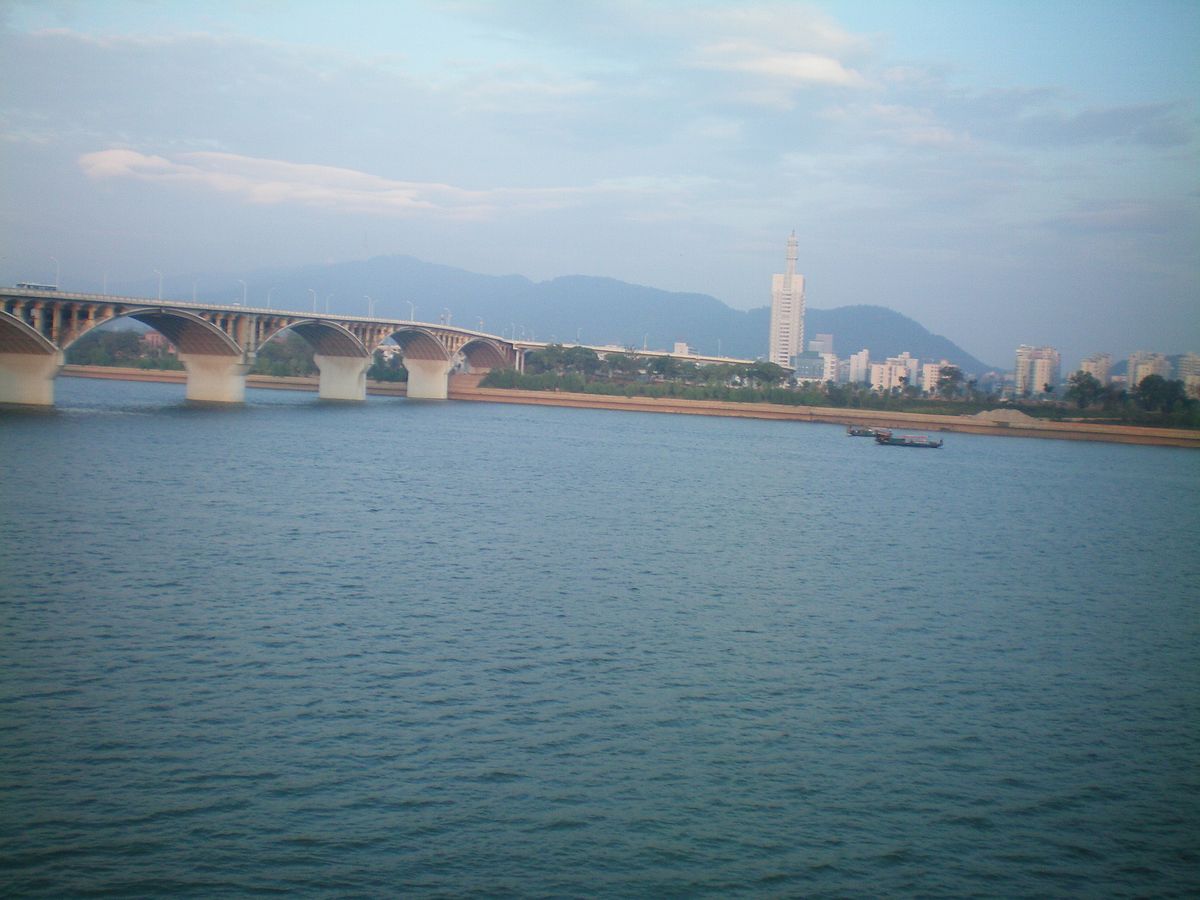
Orange Island in the Xiang River at Changsha, with the young Mao Zedong statue at its head.
Day 2 — The Hunan Museum & the city
- Morning: the Hunan Museum and its Mawangdui collection — Lady Xin Zhui’s preserved body, the 49-gram gauze robe and the painted silk banners. Free but reserve ahead (tickets open ~7 days out; closed Mondays).
- Afternoon: the old lanes and riverside — Tianxin Pavilion, the Jiandu (bamboo-slip) Museum, and the night market around Nanmenkou.
Day 3 — More food or a day trip
- Food crawl: the breakfast rice noodles, crayfish for lunch, and the milk-tea shops through the day.
- Day trip option: the Tongguanyao ancient kiln park, or simply another slow food day — Changsha rewards it.
What to eat
- Stinky tofu, sugar-oil cakes, rice noodles — the street staples.
- Crayfish and Hunan dishes — spicy by default; say ‘not spicy’ if you’re sensitive.
- Chayan Yuese — the local milk-tea chain, worth the queue.
Yuelu Mountain in depth
Yuelu Mountain rises to about 300 meters (985 feet) at its highest point, which makes it more of a forested ridge than a serious climb — the appeal is what sits on it and the views from it. The east face looks straight across the Xiang River to Orange Island, and the summit reward is one of the best free panoramas of the city.
The single most important site is the Yuelu Academy, founded in 976 during the early Song dynasty and one of the four great academies of ancient China. Its fame rests on a milestone of Chinese thought: in 1167 the philosophers Zhu Xi and Zhang Shi held a famous nine-day debate here about how knowledge is acquired, an event still treated as a turning point in neo-Confucian history. The academy remained one of the country’s most influential schools for centuries and survived into the modern era as part of Hunan University, whose campus wraps around the foot of the mountain. Walk past the gate inscribed with the celebrated couplet about Hunan producing great talent, then through the lecture halls, the library pavilions and the elegant inner courtyards, and you are tracing a line of scholars unbroken for a thousand years.
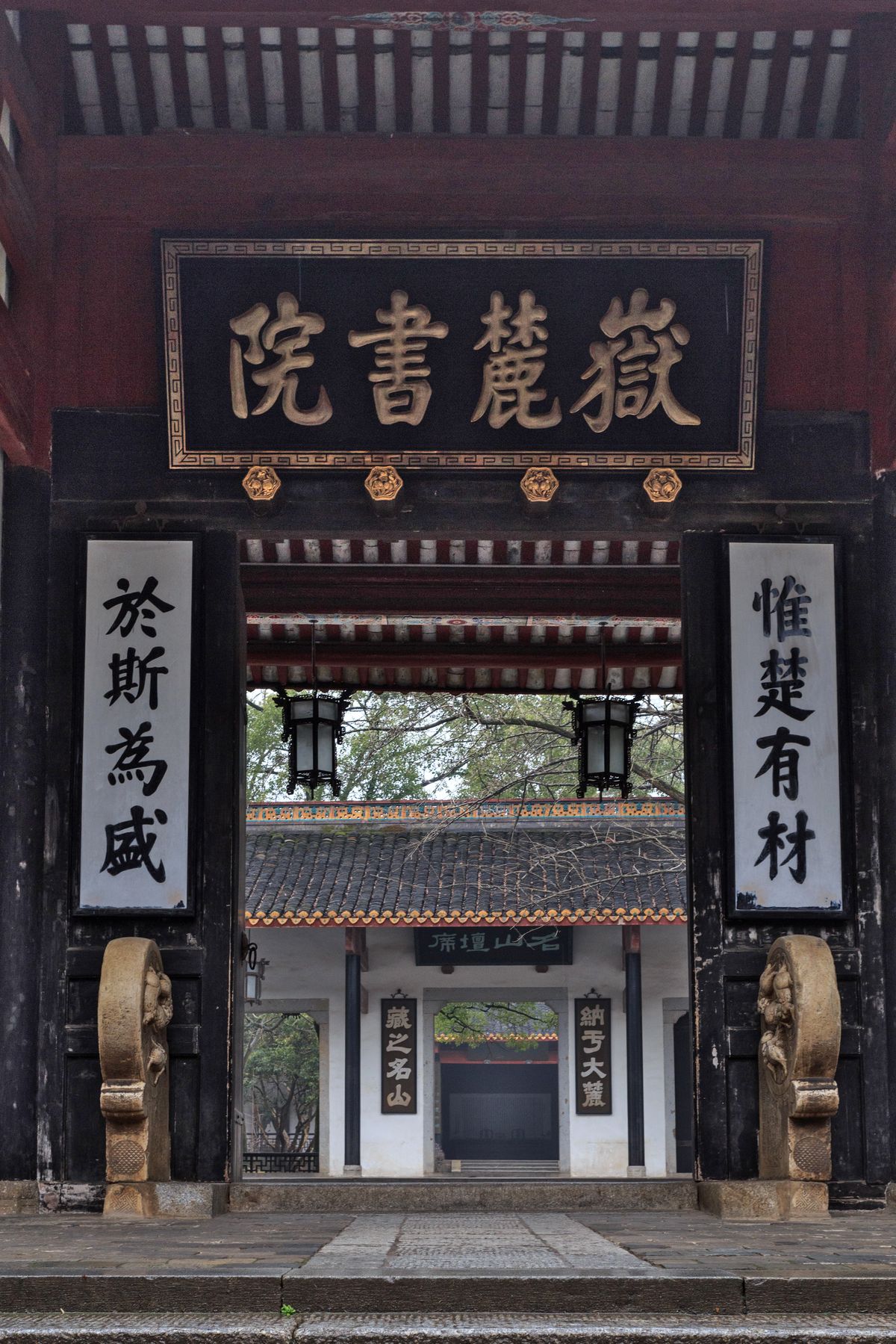
The gate and courtyards of the Yuelu Academy, founded in 976 and one of China’s four great ancient academies.
Just uphill is the Aiwanting pavilion, built in 1792 and named from a famous line by the Tang poet Du Mu about stopping to admire the maple leaves in the late frost. It is the mountain’s most photographed spot, and autumn is the season that justifies the name — the surrounding maples turn red and gold through October and November. Allow two to three hours if you want the academy, the pavilion and the summit. Two practical routes: walk up the main trail from the east gate, or take the cable car from the north entrance and walk down. The summit has a small observation terrace and tea gardens. Morning is the quiet window; on weekends the trails fill with university students and families.
When to go, season by season
Changsha has a genuinely four-season climate, and the city’s character changes a lot with it.
- Spring (March–May): mild and pleasant, roughly 15–25°C. The maples are fresh green, the riverside is at its best, and this is one of the two sweet spots for a visit. Rain comes in bursts rather than all-day drizzle.
- Summer (June–August): hot, humid and frequently above 33°C — Changsha is counted among China’s “furnace cities.” This is the season for evening life: the night markets and milk-tea shops thrive precisely because daytime walking is exhausting. Plan heavy sightseeing for early morning and late afternoon, and let the city’s night culture do the rest.
- Autumn (September–November): the other sweet spot. Days are warm and dry, the Aiwanting maples turn through October and November, and Orange Island’s autumn scenery is the classic image of the city. Clearer skies make the sunset over the Xiang River the best of the year.
- Winter (December–February): cold and damp, often hovering just above freezing with occasional sleet. Crowds thin and hotel prices drop, and the heavy, warming food — hotpot, crayfish, chili-oil noodles — suddenly makes sense. The Hunan Museum is a perfect winter refuge.
A realistic budget
Changsha is one of China’s more affordable big cities — noticeably cheaper than Beijing or Shanghai, and the food scene is genuinely inexpensive.
- Hotels: roughly ¥300–500 per night for a well-located mid-range hotel; hostels and budget guesthouses run ¥100–200. Splurge rooms near Wuyi Square or the riverside start around ¥600–800.
- Sights: the Yuelu Academy about ¥40; the Hunan Museum, Yuelu Mountain and Orange Island are free but require advance reservation. Allow ¥150–250 total in entry fees across a 2–3 day trip.
- Food: street snacks ¥10–30 per item; a full meal at a local restaurant ¥50–100 per person; hotpot with a group ¥80–150 each. The famous local milk-tea runs ¥15–25 a cup.
- Transport: the metro is ¥2–8 per ride; most cross-town taxi or Didi trips are ¥15–40. A full day of sightseeing transport rarely exceeds ¥50.
A realistic 3-day budget for one person, excluding hotels and long-distance rail, is roughly ¥600–1,000 depending on appetite. All figures are planning estimates — prices change with demand and season, so confirm current rates on booking platforms.
Common mistakes to avoid
- Not booking the three free sights ahead. Yuelu Mountain, Orange Island and the Hunan Museum all run real-name advance reservation, and the museum’s timed slots in particular go fast. Book as soon as your dates are firm.
- Planning the museum for Monday. The Hunan Museum is closed on Mondays and around major holidays — exactly when many travelers schedule their indoor day.
- Underestimating the spice. Hunan food is genuinely spicy, not just “flavored with chili.” If you are not used to it, say “bu la” (not spicy) when ordering and keep yogurt or milk tea handy for the capsaicin.
- Tackling Orange Island at midday in summer. The island has little shade; go late afternoon for the sunset and save the middle of the day for museums or air-conditioned malls.
- Treating Changsha as a half-day stop. It is often tacked onto a Guangzhou–Wuhan rail trip with one night. It deserves two — the museum alone needs half a day, and the food scene rewards a slow evening.
- Skipping the milk-tea queue as a gimmick. Chayan Yuese’s reputation is earned; ordering through the app with a translation tool is worth the effort.
Getting around
Changsha’s metro lines 1, 2 and 4 cover the core — Wuyi Square, the rail stations and most sights. Yuelu Mountain’s east gate has its own stop; Orange Island has a station on line 2, with the island’s sightseeing train waiting at the head of the line; the Hunan Museum is a short walk from a line 1 stop. Confirm the current exits on your map app, as station layouts change.
Taxis and Didi ride-hailing are cheap and reliable, and the app removes the language barrier entirely. The airport is about 40 minutes from the center by metro or taxi — budget extra time for rush hour. Walking is underrated: Wuyi Square to the old riverside lanes is a pleasant half-hour stroll, and the city is flat near the river. See the China metro guide for the system-wide picture.
Where to stay in Changsha
Base yourself near a metro line and the choice mostly sorts itself. Wuyi Square is the classic center — walking distance to the river, the old lanes and the main shopping streets, with lines 1 and 2 at hand. The riverside stretch near Orange Island has newer high-rise hotels with Xiang River views, at a small premium. Near Hunan University and the east gate of Yuelu Mountain you get the student neighborhood instead — cheaper restaurants, a younger vibe, and the mountain at your doorstep, though the walk to the museum is longer.
For a 2–3 day visit, Wuyi Square or the riverside is the practical choice; book well ahead on weekends and holidays, when the city fills with domestic tourists. Confirm the hotel’s exact metro access on the booking page — “city center” in Changsha can mean a 15-minute walk from the nearest line.
Practical tips
- Reserve the three big sights ahead — Yuelu Mountain, Orange Island and the Hunan Museum all need advance booking.
- Metro: lines 1, 2 and 4 cover the core — see our China metro guide.
- Payment and data: set up Alipay and an eSIM before you arrive.
Where this fits
Changsha is the natural hub of a Hunan trip — see the Hunan guide and the Guizhou route for the region — and an easy high-speed rail stop on a central-China itinerary.
Prices and times as of August 2026 — confirm current tickets and reservations before you go.
Frequently Asked Questions
Why visit Changsha?
Changsha is one of China's most energetic cities — a young, food-obsessed capital with real history on top. Yuelu Mountain and the ancient academy, the Mao statue on Orange Island, and the astonishing Mawangdui burial treasures are the sights; the night market and milk-tea culture are the draw.
How many days do I need in Changsha?
Two to three days: a day for Yuelu Mountain and Orange Island, a half day (or more) for the Hunan Museum's Mawangdui collection, and the rest for the food scene — the night markets and the famous local milk-tea shops. It's an easy high-speed rail stop between Guangzhou and Wuhan.
What should I not miss at the Hunan Museum?
The Mawangdui collection is world-class: the remarkably preserved body of Lady Xin Zhui (a 2,000-year-old mummy), the 49-gram plain gauze robe and the painted silk banners. It's free but must be reserved ahead — the tickets open about a week out and go fast, so book early.
Is Orange Island worth it?
Yes — the long island in the Xiang River is crowned by the huge granite statue of a young Mao Zedong, and the sunset from the island over the river and city is a classic. It's free but needs a reservation; take the little sightseeing train to the head of the island and back.
What should I eat in Changsha?
Changsha is a food city: stinky tofu (chou doufu), sugar-oil cakes, rice noodles, crayfish (mouth-achingly spicy), and the local milk-tea chain Chayan Yuese — often called the best in China. The night markets at Nanmenkou and Dongguashan are the place to graze. Warn the kitchen if you don't eat spicy.