
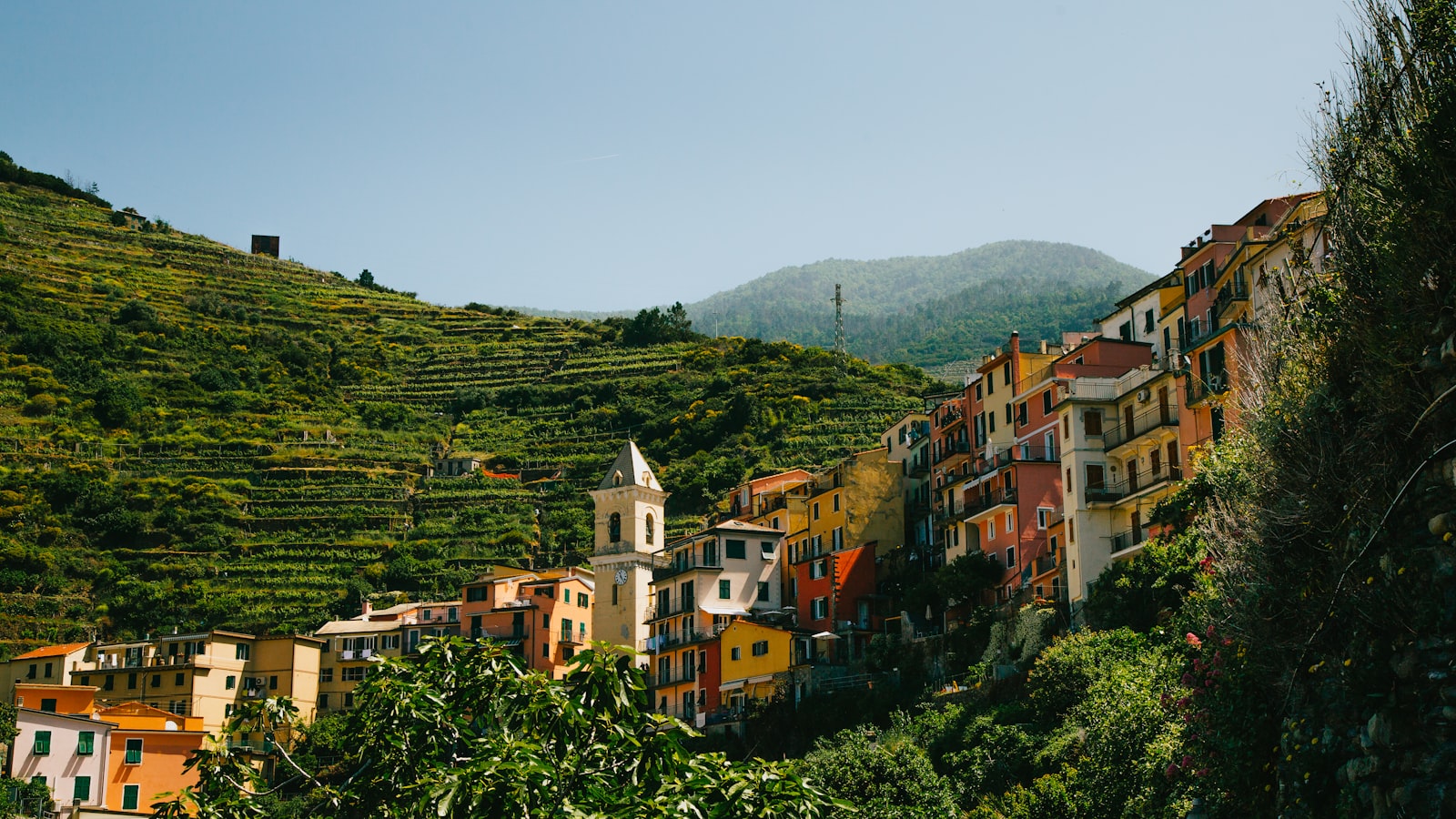
Qiandongnan & Kaili: Miao Villages & the Dong Country (2026)
Qiandongnan (southeastern Guizhou) — the Miao villages, the Dong drum towers, the terraces and the festivals, plus the gateway city of Kaili and how to plan a visit.
Kaili, Guizhou, China
Open an external map for this location.
OpenStreetMap Google Maps (opens externally)
Qiandongnan is the heartland of China’s Miao and Dong peoples — the wooden villages on the hillsides, the silver jewelry and embroidered costumes, the drum towers and the terraced rice. It’s one of the most colorful regions in China.
In the valleys of southeastern Guizhou, a different China lives. The Miao build their stilt houses up the hillsides and celebrate with silver and festivals; the Dong raise their drum towers and covered bridges and sing in polyphonic choruses. Qiandongnan is a living culture — working villages, real festivals, and a way of life that has continued for centuries. For travelers, it’s one of the most colorful, memorable and genuinely different regions in China.
The Miao villages
- Xijiang — the largest and most famous Miao village; a spectacular hillside of stilt houses, the classic introduction.
- The silver and embroidery — the Miao costume tradition, with its intricate silver jewelry and embroidered cloth.
- The festivals — the Miao celebrations, especially around the harvest, are among China’s most colorful.
- The smaller villages — deeper in the valleys, where the traditional life is more intact and quieter.
The Miao are China’s most populous minority, and their heartland is here — alive, colorful and welcoming.
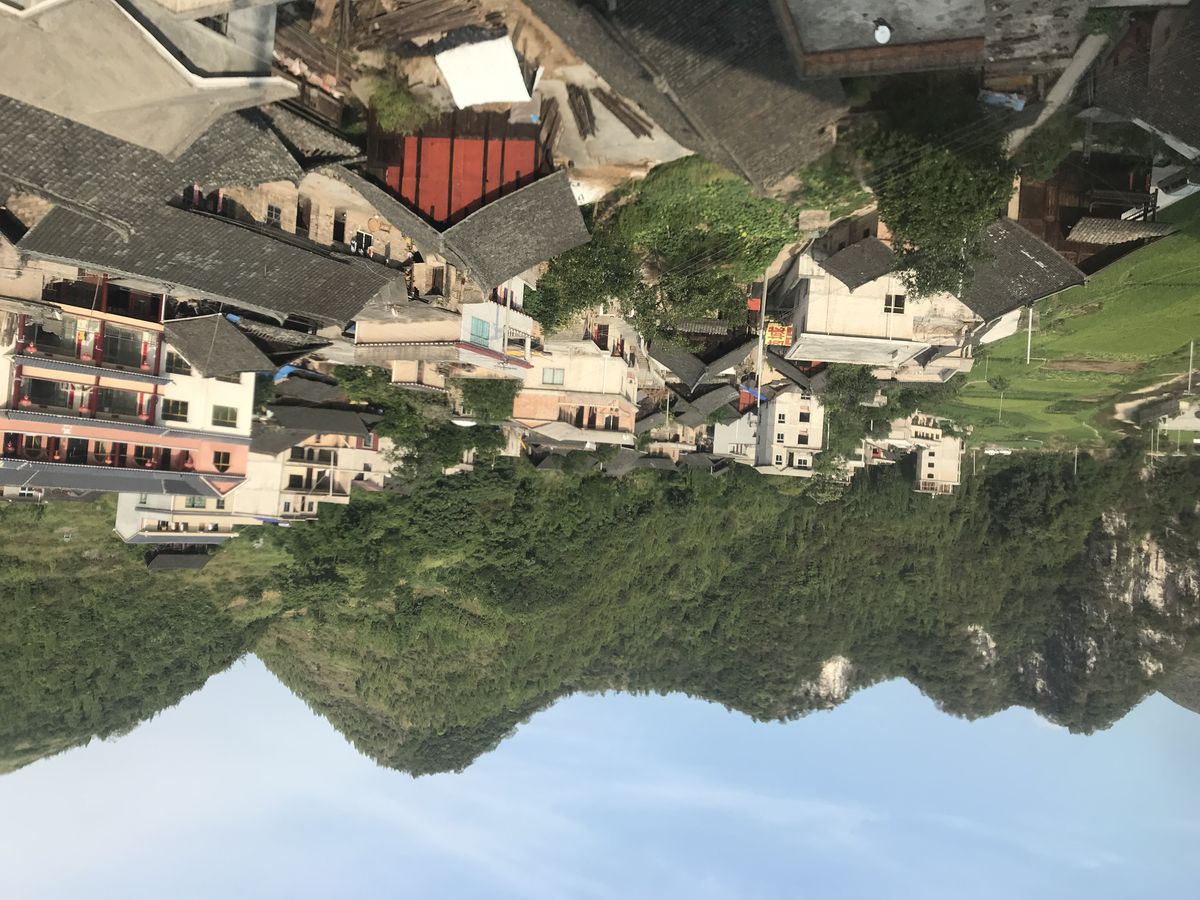
The Miao build their wooden stilt houses up the hillsides of Qiandongnan’s valleys.
The Dong villages
- Zhaoxing and the Liping area — the heart of the Dong country, with its famous villages.
- The drum towers — the distinctive multi-tiered towers at the heart of every Dong village.
- The covered bridges — the elegant ‘wind and rain’ bridges across the streams.
- The grand songs — the Dong’s polyphonic choral singing, a UNESCO heritage element, often performed at the villages.
The Dong villages are the other great tradition — the towers, the bridges and the songs are unlike anything else in China.
The terraces
- The rice terraces — the stepped hillsides that surround the villages, green in summer and golden at the harvest.
- The views — the terraces frame the villages and give the region its distinctive landscape.
- The best time — the green of early summer and the gold of the autumn harvest are the two classic windows.
The terraces are the landscape that binds the region — and they’re spectacular.
Planning the visit
- Base — Guiyang or Kaili as the gateway; Xijiang or Zhaoxing as the village base.
- Transport — high-speed rail from Guiyang; a driver or local tour for the small villages.
- Time — 2–4 days for the region; more for the deep valleys and the festivals.
- Season — spring and autumn; the festivals through the year.
The region rewards time and flexibility — the deeper you go, the more authentic it becomes.
Practical notes
- Getting there — high-speed rail from Guiyang to Kaili and the region; flights to Guiyang from across China.
- Getting around — a driver or local tour is the practical way to reach the small villages.
- Get connected — set up Alipay and an eSIM for payment and booking.
- Respect the culture — ask before photographing people, and dress modestly in the villages.
- Combining — pairs with Guiyang and the wider Guizhou route. See our Guizhou route for the region.
Miao culture in depth
The Miao are China’s most populous minority group, and Qiandongnan is their cultural heartland — which makes a visit here far more than scenery. The defining features of Miao culture are visible the moment you arrive: the wooden stilt houses that climb the hillsides, built to fit the steep terrain, and the extraordinary costume tradition. On festival days, Miao women wear layers of embroidered cloth and heavy silver jewelry — the silver headdresses, neck rings and pendants that families accumulate over generations and that can be worth a small fortune. The embroidery carries meaning too, with patterns that record the village’s history and identity, and the knowledge is passed down through the generations. The festivals, especially around the autumn harvest, are the fullest expression of this culture: music, dancing, the lusheng (the bamboo reed pipes that are the Miao’s signature instrument), and the young people’s courtship customs. Visitors are generally welcomed warmly at these events, but the etiquette matters — watch, ask before photographing people, and follow the lead of the locals, and the experience is extraordinary.
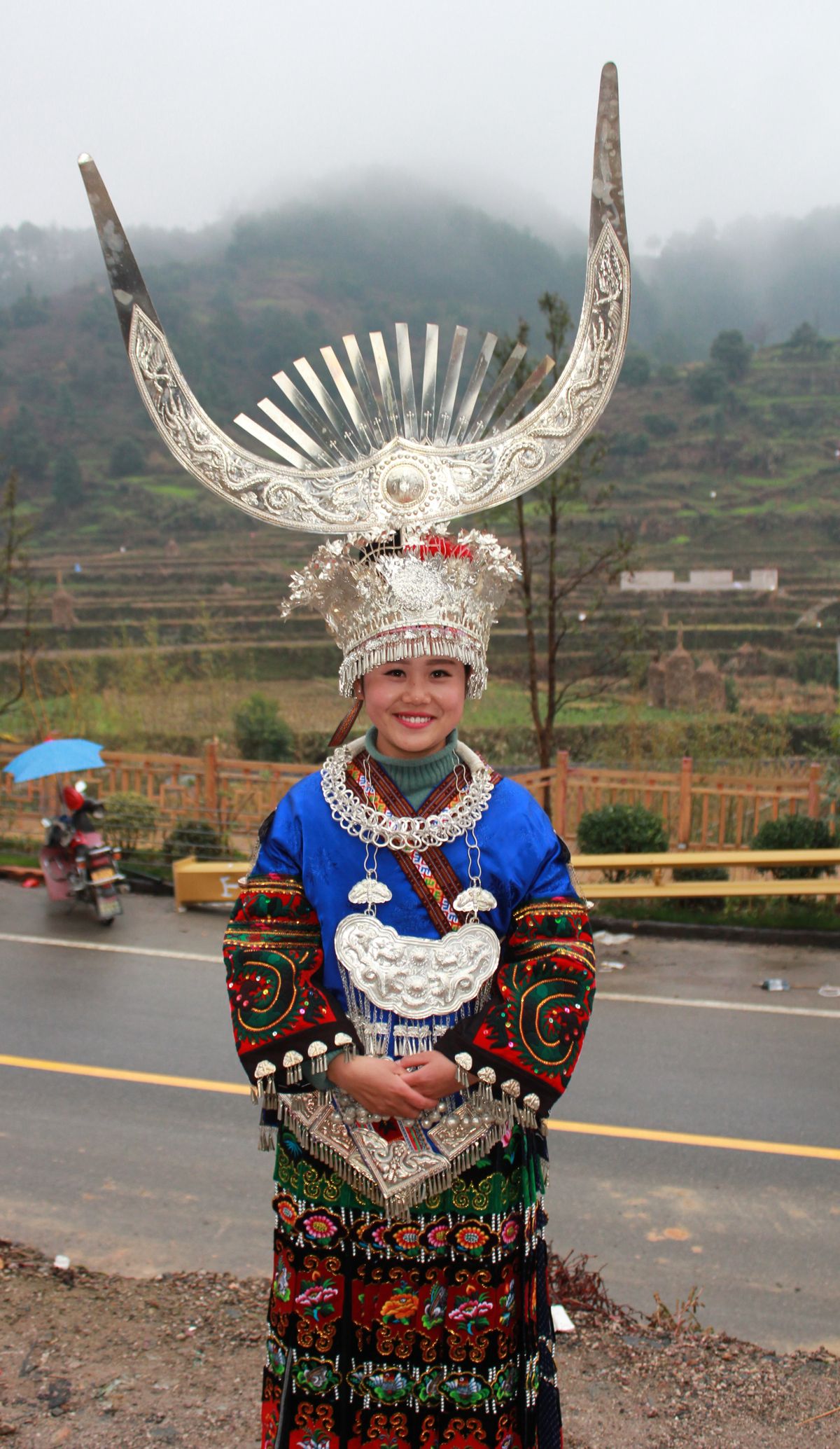
Miao women wear heavy silver headdresses, neck rings and pendants on festival days.
The Dong and their grand songs
The Dong villages offer a different but equally rich tradition. Every Dong village is built around its drum tower — the tall, multi-tiered wooden tower that served as the village’s meeting place, watchtower and ceremonial center — and is linked by the graceful covered bridges (the “wind and rain” bridges) that cross the streams. Around Zhaoxing and in the Liping area, whole valleys of these villages survive intact, and staying overnight in one is the best way to experience the pace of village life. The Dong are also famous for their grand songs — the polyphonic choral singing, performed without instruments or written notation, in which a whole village joins in harmony. The tradition is recognized by UNESCO, and performances are often arranged for visitors in the evenings. Sitting in a drum tower or on a village square listening to the grand songs, with the terraces darkening beyond the lamplight, is one of the most memorable experiences in the whole region.
A practical itinerary
The region rewards a structured three or four days. Day one: take the high-speed rail from Guiyang to Kaili, and if you have time, visit a nearby Miao village such as Langde for a first taste before staying in Xijiang for the evening views over the stilt-house hillside. Day two: explore Xijiang in the morning, then head south toward the Dong country — the drive takes several hours, so plan it as the travel day and arrive at Zhaoxing by evening. Day three: spend the day in the Dong villages around Zhaoxing — the drum towers, the covered bridges, the terraced hillsides — and stay another night for the evening songs. Day four: return to Guiyang or push on into the wider Guizhou landscape. This rhythm — a Miao base, a Dong base, and travel days in between — gives you both cultures without rushing, and the flexibility to stop at the smaller villages along the way.
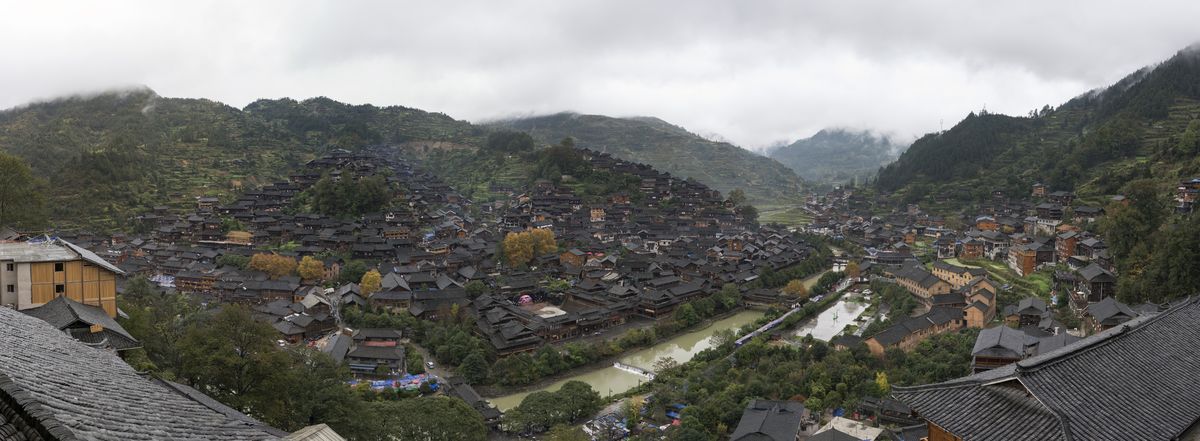
Xijiang’s hillside of stilt houses is the classic first stop in the Miao heartland.
Budget and practicalities
Qiandongnan is inexpensive, which makes it easy to stretch a visit. Guesthouses in the villages run roughly 150–300 RMB a night, a village meal about 30–60 RMB per person, and entry to the main sites such as Xijiang around 100 RMB. The main cost is transport: a private driver for a full day typically runs 400–600 RMB, which is worth it because the smaller villages are hard to reach by public transport. Set up Alipay and an eSIM before you arrive — mobile signal in the deep valleys can be patchy, and payment by QR code is the norm everywhere. Pack for the hills: the villages are built on slopes, the paths are often steep, and comfortable walking shoes are essential. Modest dress is appreciated in the villages, and asking before photographing people is basic good manners.
Common mistakes to avoid
The most common mistake in Qiandongnan is spending the whole time in Xijiang — the largest Miao village is spectacular but also the busiest, and the quieter, deeper villages hold the more authentic experience. A second mistake is rushing: trying to see both the Miao and Dong regions in a single day means spending most of it in transit, so plan at least three days and accept the travel time as part of the journey. A third is skipping the festivals because they are not in the guidebook calendar; if you are in the region during harvest season, ask locally about upcoming celebrations — they are the heart of the culture. Finally, do not treat the villages as a performance: these are working communities, and the courtesy of asking before photographing and buying a small meal or souvenir from the villagers goes a long way.
The bottom line
Qiandongnan is the heartland of China’s Miao and Dong peoples — a living, colorful culture of hillside villages, silver and embroidery, drum towers and terraces. Spend a few days among the villages and the valleys, respect the culture, and you’ll have seen one of the most genuinely different regions in China — and a side of the country most travelers never reach.
Last updated: August 2026. Access and festival dates change — confirm current details before you go.
Frequently Asked Questions
What is Qiandongnan?
**Qiandongnan** ('southeastern Guizhou') is one of China's most colorful regions — the heartland of the **Miao and Dong peoples**, with their traditional villages, silver jewelry, embroidered costumes and festivals. It's a living culture, not a museum: the villages are working communities, and the festivals (especially around the harvest) are real events. The gateway is **Kaili**, and the region spreads across the valleys and the terraced hillsides of the southwest.
Is Qiandongnan worth visiting?
Yes — it's one of the most rewarding cultural destinations in China. The Miao villages with their wooden stilt houses and silver-work, the Dong villages with their famous drum towers and covered bridges, the rice terraces and the festivals: it's a region that feels genuinely different from the rest of China. It's more off the beaten path than the headline sights, and the rewards are real — a living, colorful minority culture.
What is Xijiang and is it worth visiting?
**Xijiang** is the largest and most famous Miao village in Qiandongnan — a spectacular hillside of wooden stilt houses, with the **Xijiang Miao Museum**, the views across the valley, and a strong festival culture. It's the classic first stop, but it's also the busiest and the most touristed. For the authentic, quieter experience, the **smaller Miao and Dong villages** deeper in the valleys are where the traditional life is more intact. Xijiang is a good introduction; the smaller villages are the deeper experience.
What are the Dong villages like?
The **Dong villages** are the other great tradition of Qiandongnan — famous for their **drum towers** (the distinctive multi-tiered towers that serve as the village's heart) and their **covered bridges** (the elegant 'wind and rain' bridges across the streams). The best-known are around **Zhaoxing** and the Liping area. The Dong are also famous for their **grand songs** — the polyphonic choral singing that's a UNESCO heritage element, often performed at the villages.
How do I get to Qiandongnan?
**High-speed rail** from Guiyang (about 40 minutes to Kaili, and continuing south through the region) is the easy way. **Guiyang** is the hub, with flights from across China. From Kaili, the villages spread across the valleys — a driver or a local tour is the practical way to reach them, as the small villages are not on the main transport lines. Allow 2–4 days to see the region properly.
When is the best time to visit?
**Spring and autumn** are the best seasons — mild weather, clear light on the terraces, and the terraced hillsides at their greenest (summer) or golden (autumn harvest). The **festivals** add the most color: the Miao festivals around the autumn harvest, and the various village celebrations through the year. If you can time a visit to a festival, the experience is unforgettable; otherwise, the villages are wonderful on any clear day.
Is it suitable for a flexible, independent visit?
Partly — the bigger villages (Xijiang, Zhaoxing) are set up for independent visitors with guesthouses and food, but the smaller, more authentic villages are harder to reach without a driver or a guide. A common approach: base yourself in one or two villages, and use a local driver or a short tour for the day trips deeper into the valleys. A little flexibility and local help opens the region fully.