
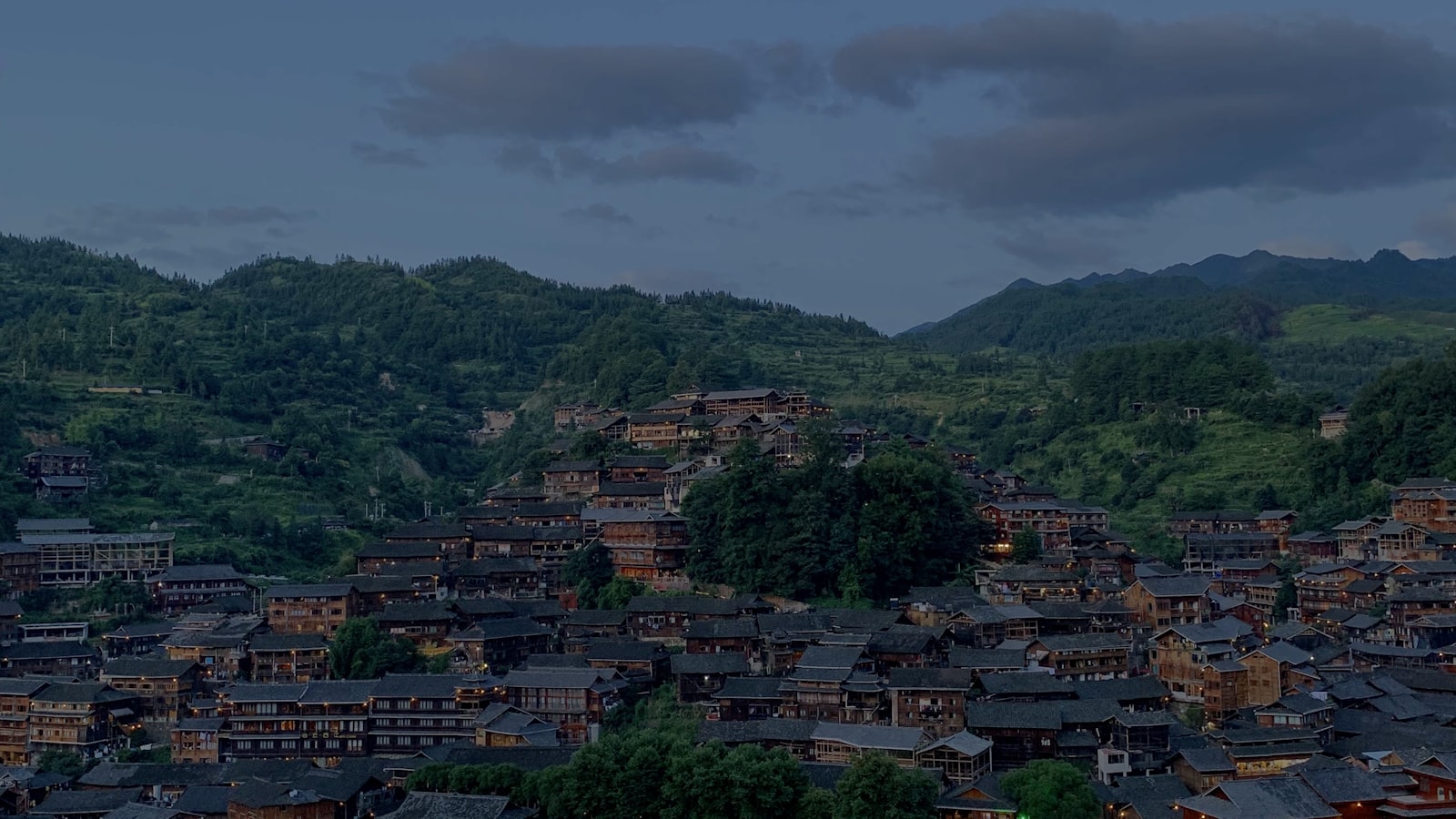
Guiyang Travel Guide (2026): Gateway to the Waterfalls
Guiyang — Guizhou's cool capital: the entry to Huangguoshu Falls, the city's Miao and Bouyei culture, Jiaxiu Tower, and why it's an underrated stop.
OpenStreetMap Google Maps (opens externally)
Guiyang is the cool, green capital of Guizhou — the gateway to China’s largest waterfall, a rich minority culture, and a sour-spicy food scene all its own. Here’s how to visit it in 2026.
Overview
Guiyang, capital of Guizhou province in southwest China, is one of the country’s most underrated cities. It’s laid-back and green, with riverside walks and parks, and it serves as the natural base for everything the province is known for: Huangguoshu Falls (China’s largest), the dramatic karst landscapes, and the villages of the Miao, Bouyei and Dong peoples. The food is a genuine regional cuisine — sour, spicy and built on fermented chilies. And in summer, when much of China swelters, Guiyang stays cool.
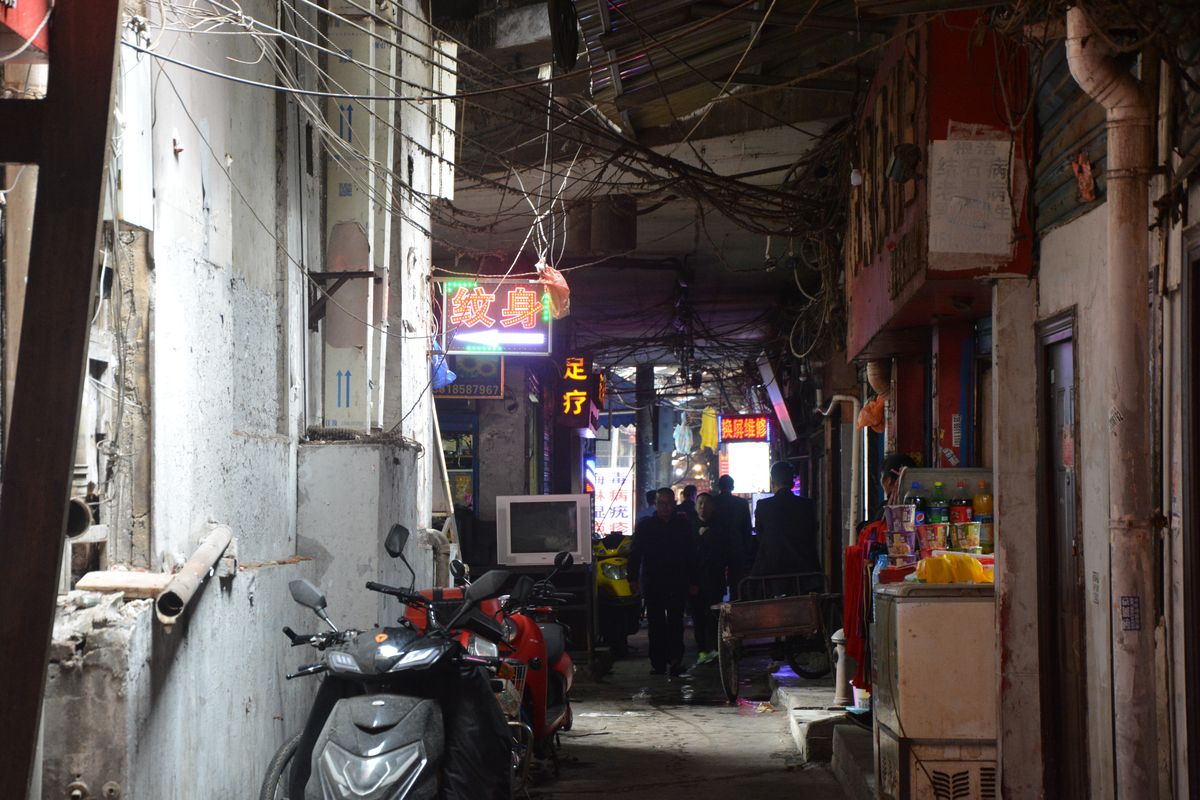
Old-town lanes in Guiyang, Guizhou’s laid-back, green capital.
How many days
1–2 days in the city, plus day trips. A realistic Guizhou trip is 3–5 days: a day for Guiyang’s sights, a full day for Huangguoshu Falls, and more if you want the minority villages and countryside. Guiyang is the hub the whole region hangs off.
Suggested itinerary
A 2-day plan:
- Day 1 — Guiyang city: Jiaxiu Tower and the riverside, Qianling Park, and the food streets in the evening.
- Day 2 — Huangguoshu Falls: a full day trip to China’s largest waterfall and the surrounding scenery.
Have more time? Add the Miao villages (Xijiang Thousand Households) or the karst scenery of the region. Guizhou rewards going deeper than the average tourist does.
Best time to visit
- Summer (June–August): the best season — cool weather and the waterfalls at full force.
- Spring (April–May) and autumn (September–October): pleasant, lighter crowds.
- Winter (December–February): cold and damp; the falls are lower.
- The ‘cool capital’ reputation is real — Guiyang is one of China’s best summer escapes.
Top sights
- Huangguoshu Falls — China’s largest waterfall, about 2 hours away; the region’s headline sight.
- Jiaxiu Tower — the city’s landmark, on a small island in the Nanming River.
- Qianling Park — the green hillside park in the city, with temples and views.
- The minority villages — Xijiang’s Miao village and others, a half-day to a full day out.
- The food streets — Guizhou’s sour-spicy cuisine at the city’s night markets.
Getting there & around
- High-speed rail: from Guangzhou about 3h, from Chengdu via transfer. Book with your passport — see our train guide.
- Flights: Guiyang Longdongbao (KWE) is a growing airport with domestic routes.
- Within the city: taxis and Didi are cheap; the riverside and parks are walkable.
- To the falls: a tourist bus or organized day trip from the city.
Food & the sour-spicy cuisine
- Sour fish soup (suantangyu) — the signature Guizhou dish.
- Guizhou hotpot — sour and spicy, distinct from Sichuan.
- Rice noodles — the local staple.
- Where: the night markets and food streets; Guiyang is a serious food city that locals are proud of.
Practical tips
- Set up Alipay and an eSIM before you arrive.
- Book the falls trip — the bus and entrance lines at Huangguoshu can be long in summer.
- Pack a light layer — even in summer, Guiyang evenings can be cool.
- The minority villages deserve respect — they’re living communities, not theme parks.
Where to go next
Guiyang connects to the southwest: east to Changsha and Guangzhou, north to Chengdu, and deeper into Guizhou’s countryside. It’s an underrated stop that pairs well with a Chengdu–Guangzhou corridor trip. See our Chengdu guide for the next stop.
The minority cultures of Guizhou
Guizhou is one of China’s most ethnically diverse provinces — home to the Miao, Bouyei, Dong and other groups, each with its own language, dress and traditions. Around Guiyang you can visit villages where these cultures are lived daily: Xijiang (the ‘Thousand Households’ Miao village), the Dong villages with their drum towers, and the Bouyei communities of the countryside. These aren’t theme parks — they’re working villages, so visit with respect. The region rewards travelers who go beyond the city and into the hills.
Why Guiyang is a summer destination
Guiyang’s climate is its quiet superpower. Sitting at about 1,100m in the mountains, it stays cool when most of China swelters — the reason it’s called the ‘cool capital’. In July, when Guangzhou or Chongqing are broiling, Guiyang is often 10–15°C cooler. For summer travelers, that makes it a genuine escape, and it’s why the province’s waterfalls and mountains are at their most inviting in the hotter months. Plan your Guizhou trip for the warm season and you’ll understand the appeal.
Getting to the waterfalls and villages
- Huangguoshu Falls: about 2 hours from Guiyang — a tourist bus or organized day trip is the practical way.
- Xijiang Miao village: a few hours by road; many travelers overnight there.
- The Dong villages: deeper into the province, worth a multi-day trip for serious travelers.
- Book ahead — the region is growing in popularity, and summer accommodation fills.
Food, in more depth
Guizhou’s sour-spicy cuisine is distinct even within China. The signature is suantangyu (sour fish soup), made with fermented chili and pickled vegetables — tart, fiery and unlike anything else. Guizhou hotpot and the local rice noodles round out the table. If you like Sichuan but want something different, Guizhou is the natural next step — it’s the same love of heat, with a sourness all its own.
A budget for Guiyang
Guizhou is one of China’s more affordable provinces, and Guiyang reflects that. Rough daily figures for planning (per person, CNY, and prices change): accommodation budget ¥120–200/night, mid-range ¥250–450; food sour fish soup and local dishes ¥40–80, rice noodles and snacks cheap; attractions Huangguoshu Falls is the big ticket (around ¥100–180 depending on the ticket tier), the city’s sights mostly free or cheap; transport metro, taxis and buses all affordable. It’s a budget-friendly region that rewards going deeper.
Guizhou’s karst landscape
Guiyang sits in a province of dramatic karst — the same limestone towers that make Guilin famous, spread across Guizhou’s hills. The scenery around the city and along the routes to the waterfalls and villages is genuinely striking: green peaks, rivers and terraced fields. It’s one of the most visually rewarding parts of China that most travelers skip. For photographers and nature lovers, Guizhou is an underrated treasure.
Getting deeper into the province
- Huangguoshu: the essential day trip — China’s largest waterfall, about 2 hours out.
- Xijiang Miao village: the ‘Thousand Households’ village, worth an overnight.
- The Dong villages: deeper in, with their drum towers and wind-and-rain bridges — for travelers with more time.
- The karst countryside: any road west of Guiyang is scenic; a hired car unlocks it.
- Book summer ahead — the cool capital draws domestic visitors in the hot months.
Why Guiyang is underrated
Guiyang gets skipped by most itineraries, which is exactly why it’s worth a stop. It’s one of the few big Chinese cities with few foreign tourists, the food is a genuine regional cuisine most visitors never try, and it’s the gateway to a province that rivals Guilin’s scenery without the crowds. For travelers who’ve done the classic route and want something different, or who love finding a place before everyone else does, Guiyang and Guizhou reward the detour.
Huangguoshu Falls, in depth
China’s largest waterfall is the reason most travelers come to Guizhou, and it deserves more than a photo stop. The main falls drop about 77 meters across a wide, roughly 100-meter curtain of water, and the site’s signature experience is the Water-Curtain Cave — a walkway that passes directly behind the falls, letting you see the water from the inside (bring a rain cover; you’ll get wet). The wider scenic area includes several other falls — the wide, terraced Doupotang and the slender Luositan — connected by walkways along the valley, so it’s a proper half-day of walking rather than a single viewpoint. Arrive early and on a weekday if you can; the site is a magnet for domestic tour groups. Entrance is roughly ¥100–180 depending on the ticket tier and season, with electric shuttles and escalators available to cut the walking.
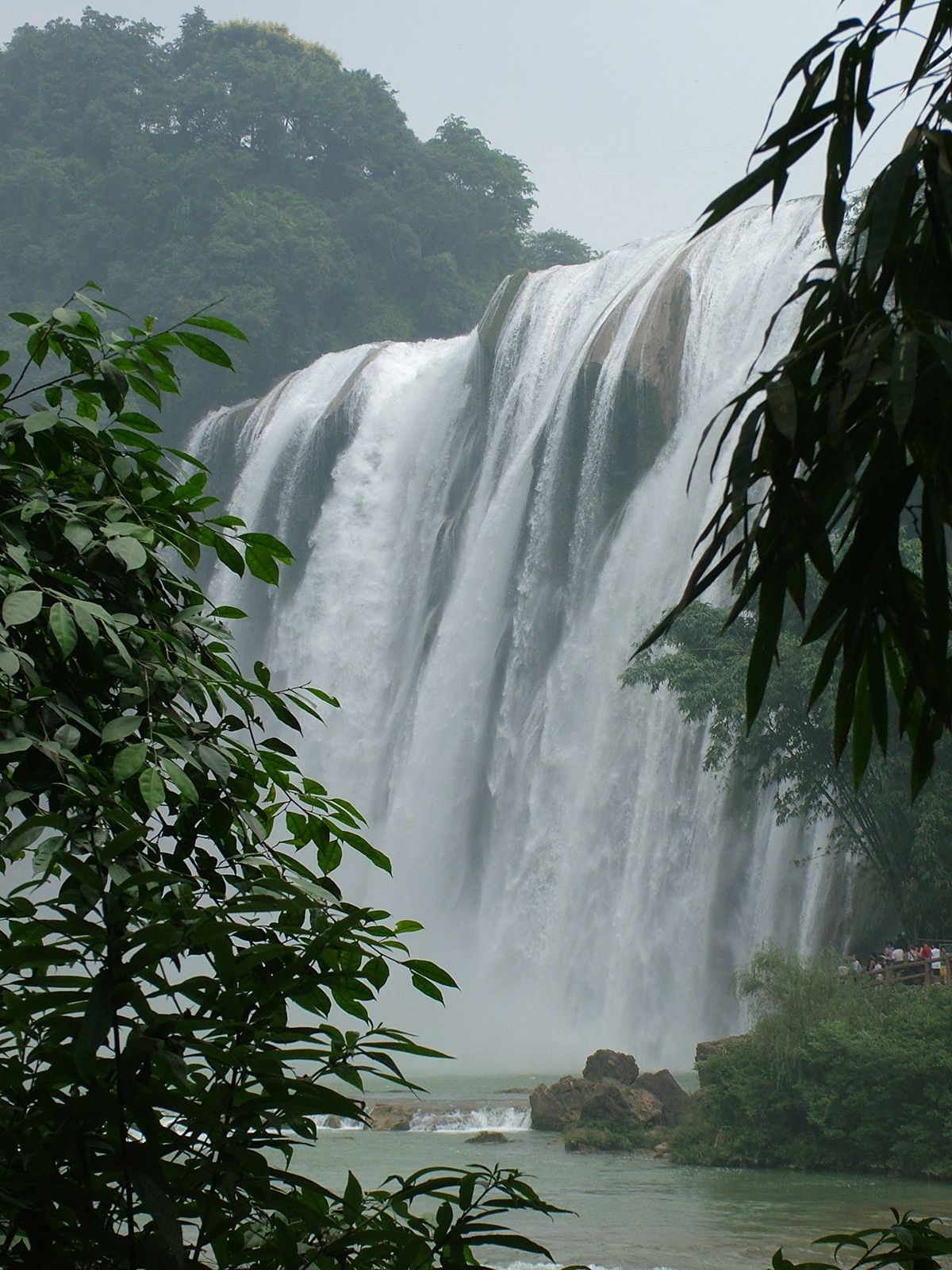
Huangguoshu Falls, China’s largest waterfall, about two hours from Guiyang.
Jiaxiu Tower and the city’s heart
Guiyang’s own sights are modest but pleasant, and the Jiaxiu Tower is the symbol of the city — a multi-eaved pavilion on a small island in the Nanming River, first built in the late Ming dynasty and rebuilt since.
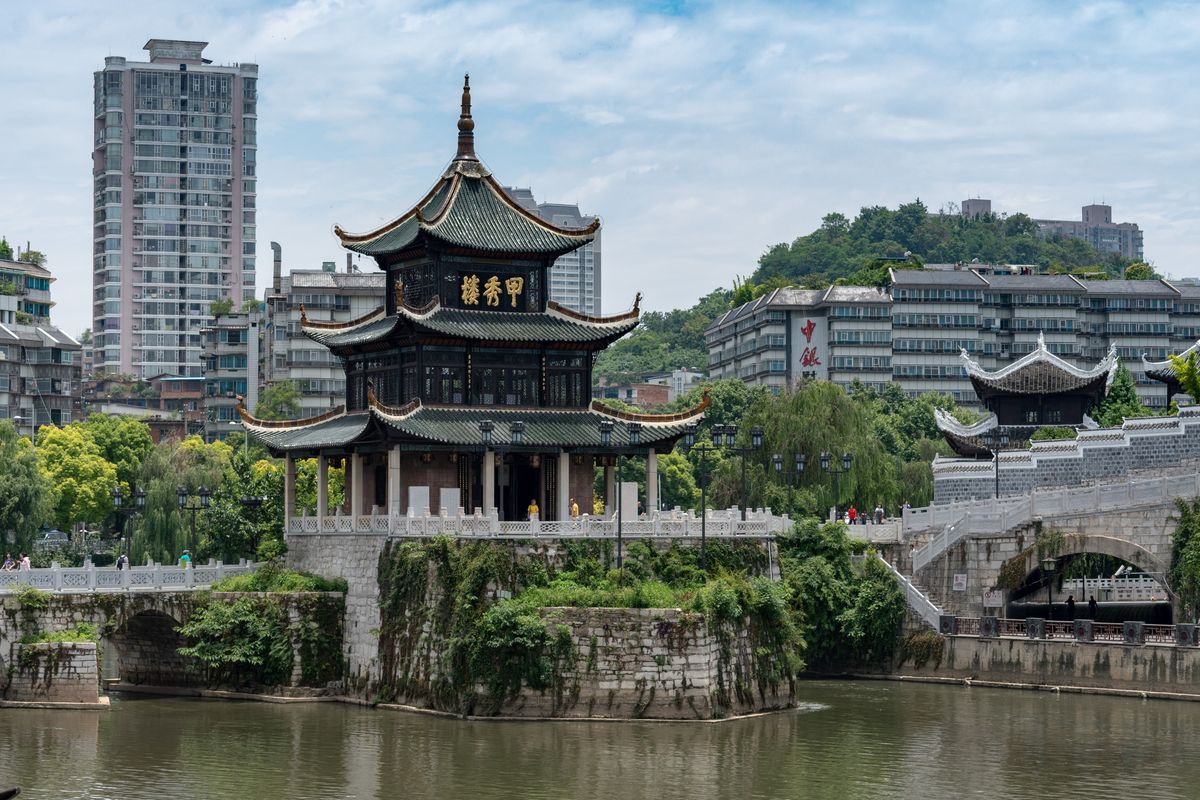
Jiaxiu Tower on the Nanming River, the symbol of Guiyang. The riverside around it is the city’s social spine, with walkways, bridges and evening crowds. Close by, Qianling Park is a large hillside green space with a temple, a zoo and good views over the city from the top. Together they make a relaxed half-day worth taking slowly — the city’s character is its calm, green pace rather than any single monument. In the evening, the food streets near the center take over, which is when the sour-spicy cuisine comes alive.
A realistic Guizhou route
Guiyang works best as the hub of a longer Guizhou loop rather than a standalone stop. A common 3–4 day plan: a day in the city, a full day for Huangguoshu Falls, then a day or more heading into the countryside for the Xijiang Miao village and the Dong villages further east, with the karst scenery along the roads. The province’s rail network has improved a lot, but the villages and the falls are still reached by road, so a private car or organized tour saves time. Guiyang also connects well to the wider southwest — north to Chengdu, east toward Changsha and Guangzhou. For a deeper plan across the province, see our Guizhou route.
Last updated: August 2026. Attraction prices and hours change — confirm before you go.
Frequently Asked Questions
Why visit Guiyang?
Guiyang is the capital of Guizhou province — a cool, green, laid-back city that's also the perfect base for the region's big draws. The headline is Huangguoshu Falls, China's largest waterfall, about 2 hours away. Around it are Guizhou's minority villages (Miao, Bouyei, Dong) and dramatic karst landscapes. The city itself has a relaxed charm — riverside walks, parks and the famous sour-spicy local food.
How many days do I need in Guiyang?
One to two days in the city itself, plus time for the day trips — Huangguoshu Falls is a full day, and the minority villages and karst scenery add more. A realistic Guizhou trip is 3–5 days: a day for Guiyang, a day for the falls, and more if you go deeper into the countryside.
Is Huangguoshu Falls worth the trip?
Yes — it's the largest waterfall in China and one of the great ones in Asia, with a wide curtain of water you can view from behind as well as in front. It's about 2 hours from Guiyang by road or the bus link. It's busy, but the scale is genuinely impressive, and the surrounding area has more falls and karst scenery.
What should I eat in Guiyang?
Guizhou food is distinct — sour and spicy, built on fermented chili and pickled vegetables. The classic dishes: sour fish soup (suantangyu), Guizhou hotpot, and the local rice noodles. It's different from Sichuan and worth seeking out — a genuine regional cuisine you won't find the same elsewhere.
When is the best time to visit Guiyang?
Summer (June–August) is the best season — Guiyang is famously cool when much of China is sweltering, and the waterfalls are at their fullest. Spring and autumn are also pleasant. Winter is cold and damp. The province's 'cool capital' reputation is earned: it's a genuine summer escape.