
Jiuzhaigou Guide (2026): Lakes, Waterfalls & Ticket Booking
Jiuzhaigou, Sichuan's turquoise valley — Five Flower Lake, Nuorilang Waterfall, the timed-entry ticket reservation system and when to go.
OpenStreetMap Google Maps (opens externally)
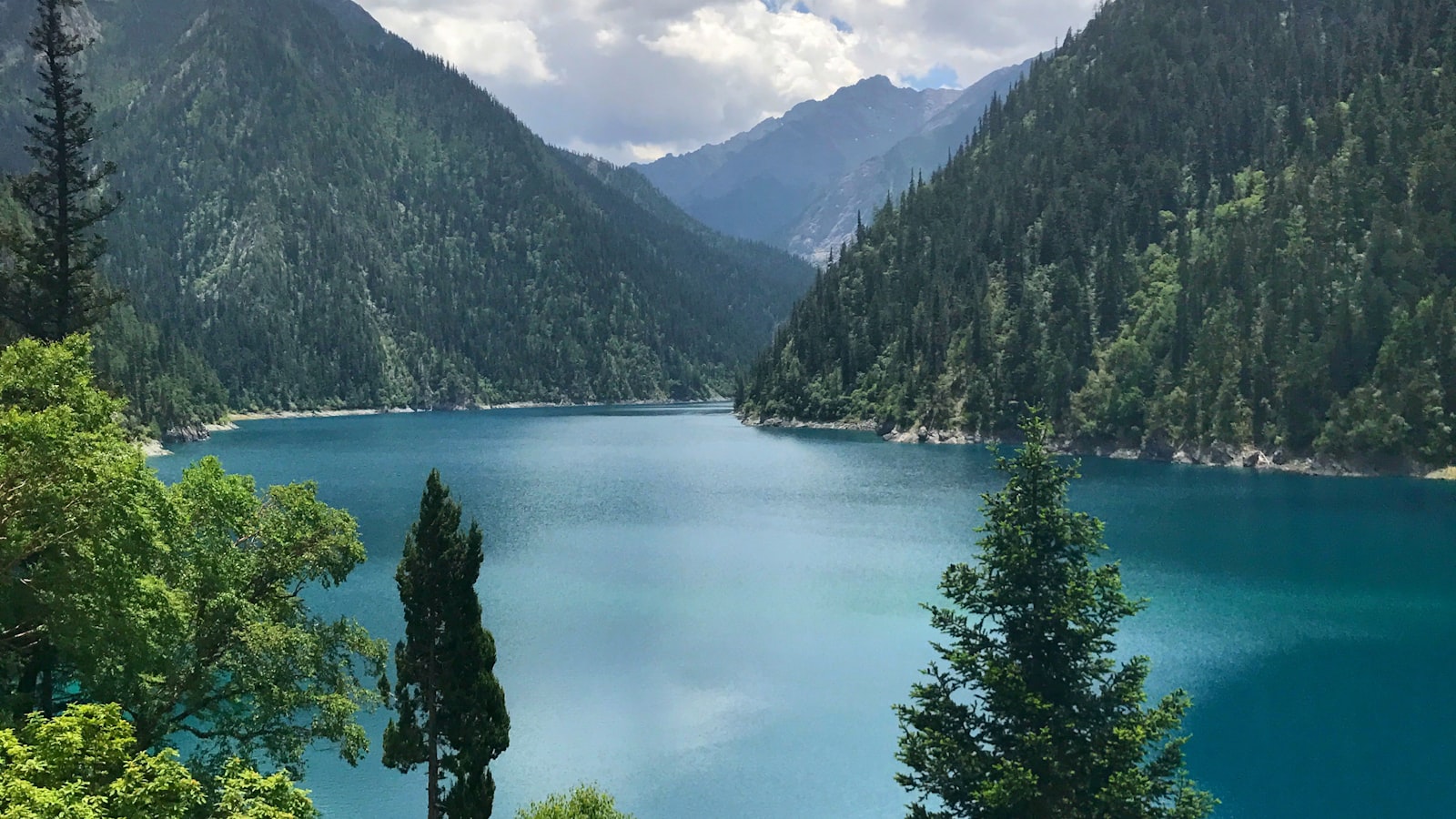
Jiuzhaigou is the valley that looks Photoshopped — a chain of turquoise and emerald lakes, forested in gold and red in autumn, set in the mountains of northern Sichuan.
The name means “Nine Villages Valley,” and it is one of China’s most protected and most spectacular natural areas — a UNESCO World Heritage Site where the water is so clear you can see fallen trees at the bottom of lakes that look dyed. This guide covers the essentials and the booking system you need to understand.
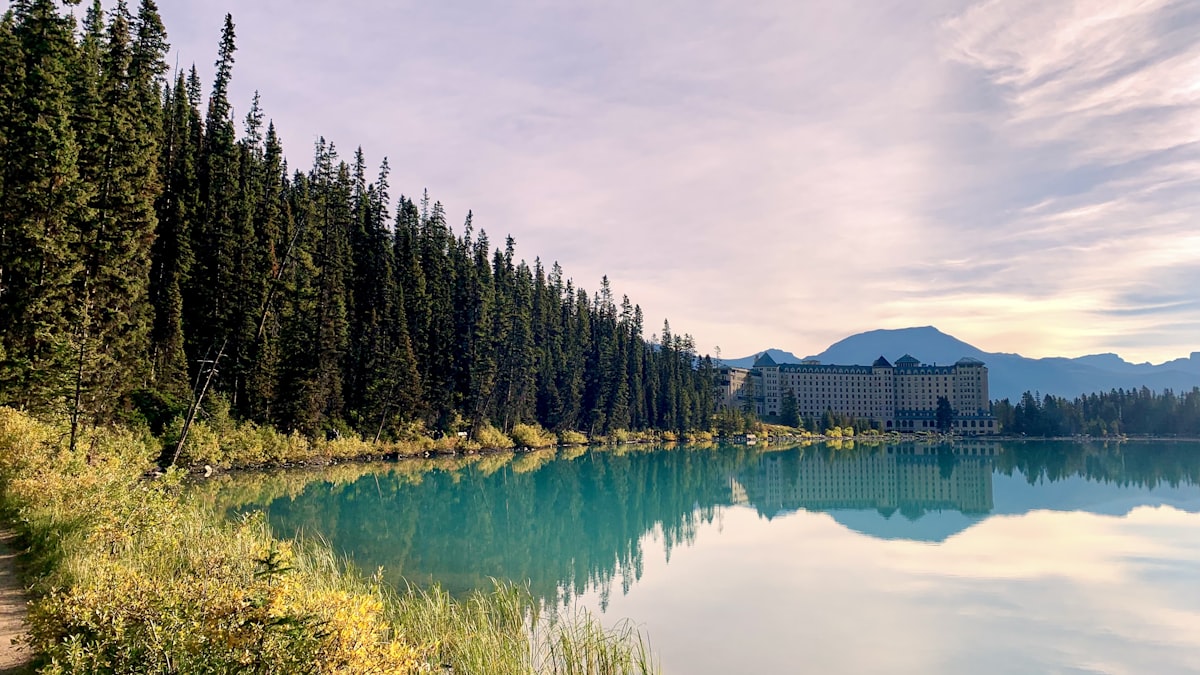
Five Flower Lake is the most photographed lake in the valley, famous for its layered turquoise water and the tree trunks visible through the clear depths.
Overview
Jiuzhaigou sits in the Aba Tibetan and Qiang Autonomous Prefecture in northern Sichuan, at the edge of the Tibetan Plateau. The scenic valley runs roughly north–south, and its lakes, waterfalls and forests are strung along three main valley branches: the Shuzheng, Rize and Zechawa valleys.
The valley’s other defining feature is its management: Jiuzhaigou is tightly controlled, with a timed-entry reservation system, shuttle buses and a daily visitor quota. You cannot simply turn up — you book a date and time in advance, and the quota sells out fast on holidays. The system also caps daily numbers, so the valley rarely feels as packed as other Chinese parks once you’re inside.
How many days
One full day covers the highlights if you arrive early and ride the shuttle system efficiently; two days is more comfortable and lets you walk the quieter stretches. Plan for the overnight base in Zhangzha town, just outside the valley entrance.
- Day 1: shuttle to the far end of the Rize valley, then work back down through the main lakes and the Nuorilang Waterfall.
- Day 2 (optional): the Zechawa valley and Long Lake in the morning, then the slower Shuzheng boardwalks.
Suggested itinerary
A 1-day plan:
- Morning — the upper valley: shuttle to Long Lake first, then work down through the Five Flower Lake and the classic stretches while the crowds are thin.
- Afternoon — the lower valley: Nuorilang Waterfall and the Panda and Arrow Bamboo Lakes, catching the shuttle back before the gates close.
Have more time? A second day lets you walk the quieter trails between the lakes. Stay overnight in Zhangzha town just outside the entrance.
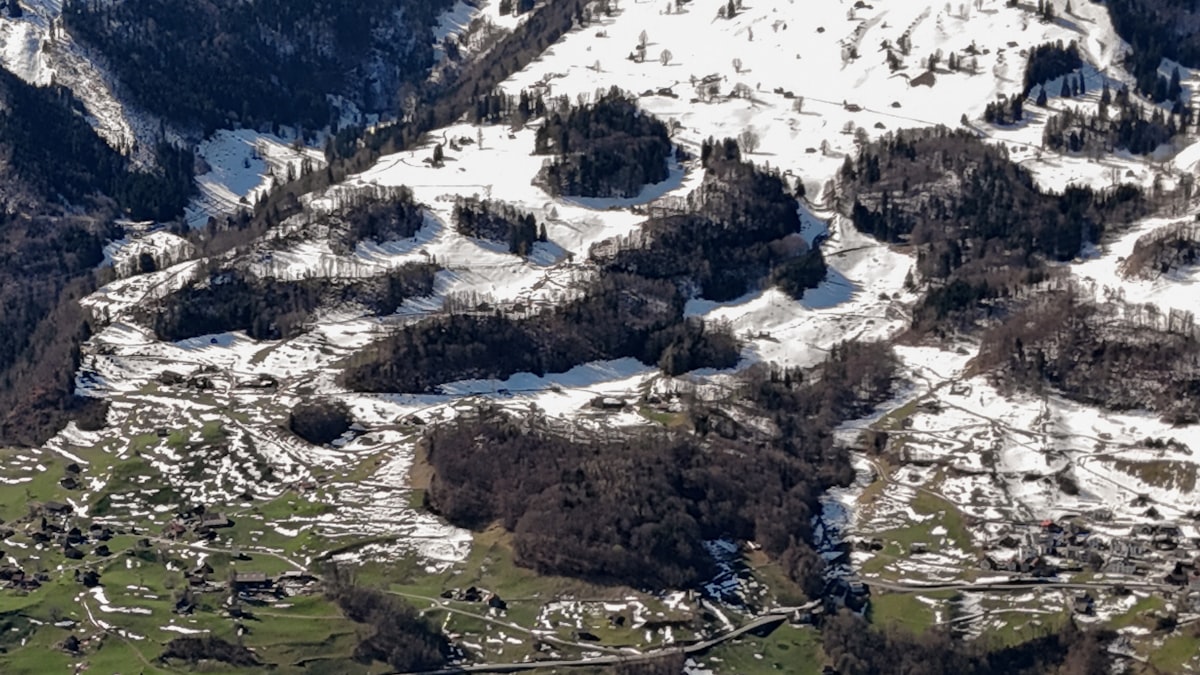
Long Lake, the highest and deepest lake in the valley, sits at the top of the Zechawa branch — often framed by snow-capped ridges.
Best time to visit
- October: the famous autumn color — gold and red forest against the blue-green lakes. Also the busiest month, so book far ahead.
- May–June: spring water levels are high, the forest is fresh green, and crowds are smaller than autumn.
- July–September: lush and green but wetter, and the summer school holidays bring crowds.
- Winter (November–March): quiet and sometimes snowy; some sections and trails close, but the frozen lakes are beautiful for those who make the trip.
Top sights
- Five Flower Lake (Wuhuahai) — the most photographed lake in the valley, famous for its layered colors and the tree trunks visible through the clear water.
- Nuorilang Waterfall — the widest waterfall in China, a broad curtain of water at the junction of the main valleys.
- Long Lake (Changhai) — the highest and deepest lake in the valley, at the top of the Zechawa branch, often with snow-capped ridges behind it.
- Panda Lake and Arrow Bamboo Lake — the upper lakes of the Rize valley, calm and mirror-like.
- Five-Color Pond (Wucai Chi) — a small but brilliantly colored pool near Long Lake.
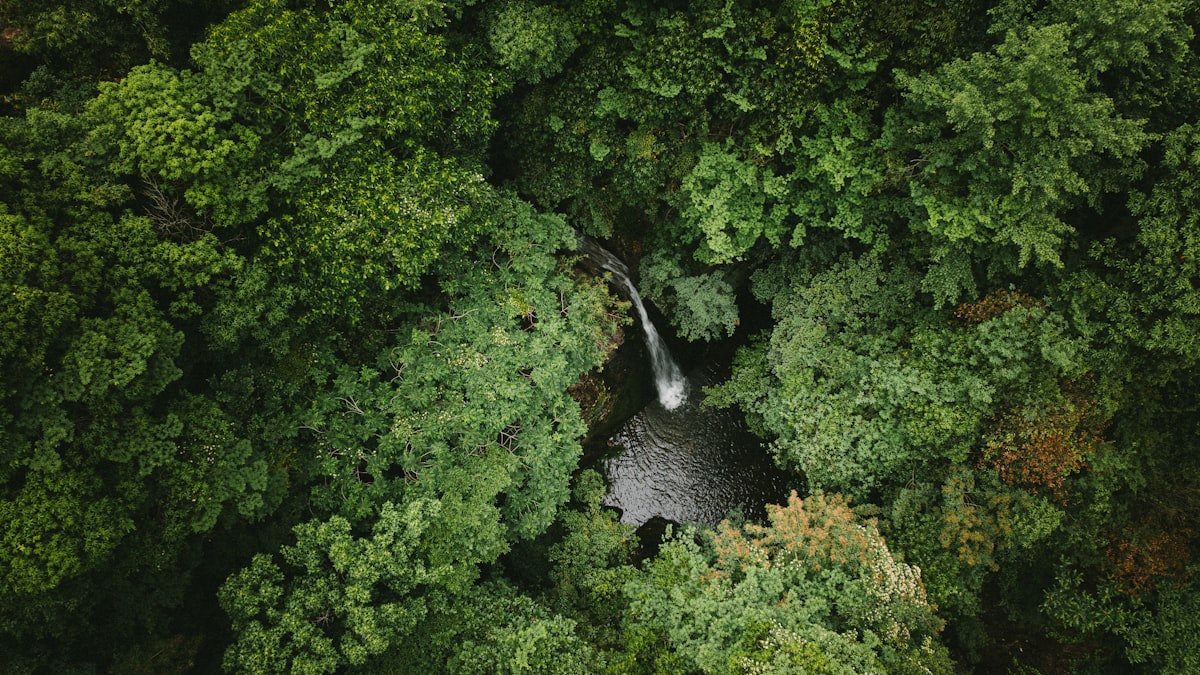
Nuorilang Waterfall, the widest waterfall in China, spills a broad curtain of water at the junction of the main valleys.
Getting there
- By air: fly to Jiuzhai Huanglong Airport (JZH) from Chengdu or other hubs, then take the road transfer — the airport is high and weather-dependent, so build in flexibility.
- Overland from Chengdu: a long but scenic drive by car or bus through mountain passes; allow a full day each way.
- By rail (check current status): a high-speed rail line has been opening toward the region in stages, with the travel time from Chengdu shrinking considerably. Confirm the current timetable before booking — our train guide covers booking with your passport.
Getting around
- Shuttle buses: the park runs a one-way shuttle system between the main stops — the efficient way to cover the long valley.
- Boardwalks: between the shuttle stops, the lakes and waterfalls are linked by boardwalk paths that let you walk where the bus can’t.
- Entry gates: you enter at the valley mouth and take the shuttle inward, working your way back out.
Why the lakes are so blue
Jiuzhaigou’s lakes look almost artificially colored, but the turquoise and emerald shades have a natural explanation. The water in the valley is exceptionally pure, fed by snowmelt and springs and carrying little sediment, which allows light to penetrate deeply and scatter. The signature color comes from the combination of dissolved minerals and the scattering of light itself — in shallow, still water, the shorter blue and green wavelengths are reflected back to your eye, producing that jewel-like tint.
The clarity matters too. Calcium carbonate from the surrounding limestone accumulates on the lake beds, and the water is so still that fallen trees, branches and fish are visible in astonishing detail at the bottom. The famous Five Flower Lake layers its colors because of differences in depth, aquatic plants and the angle of light, which is why it shifts as you walk around it. Add the seasonal forest — gold and red maples in October, fresh green in spring — and you have a landscape that reads like a painting but is entirely the work of geology, water and light.
A realistic budget
Jiuzhaigou is one of the pricier natural sights in China, mainly because of transport and the timed-entry system.
- Getting there: flying to Jiuzhai Huanglong Airport from Chengdu costs roughly ¥800–1,500 each way plus the road transfer (¥50–100); the overland bus or car from Chengdu takes a full day and costs ¥150–300 per person. Rail connections are improving in stages — check the current timetable.
- Park entry: the combined entry-and-shuttle ticket is typically around ¥250–300 (prices change), and it is booked through the official reservation channel with your passport.
- Accommodation: ¥150–400 per night in Zhangzha town at the entrance, with budget guesthouses cheaper and peak-season prices higher.
- Food: ¥50–100 per day is realistic; the entrance town has plenty of Sichuan restaurants.
- Extras: a second day inside the valley costs another entry-and-shuttle ticket if you go back in.
Common mistakes to avoid
- Booking transport before the entry date. The daily quota is the real constraint — reserve your timed entry first, then arrange flights or the road trip.
- Showing up without a reservation. Jiuzhaigou does not sell walk-up tickets on busy days; a holiday visit without a booking means turning around at the gate.
- Visiting during National Day. October 1–7 falls right in the autumn-color peak and the valley is at its most crowded; book far ahead or shift to late September or late October.
- Rushing between shuttle stops. The valley is long, and hopping off and on without a plan means missing the best boardwalk stretches.
- Underdressing for the morning. Even in summer the upper valley is chilly at dawn — a warm layer and waterproofs are essential.
- Skipping the passport. Real-name tickets are checked at the gate, and Zhangzha hotels need it at check-in.
Where to stay
Almost all visitors overnight in Zhangzha town at the valley entrance, which has grown into a full service town with hotels, restaurants and markets. Book well ahead in October, when the autumn crowds strain the town’s capacity; a hotel that offers a shuttle to the entrance gate saves a morning of hassle.
What to bring inside the valley
The valley is a full day out, and the logistics matter. Bring a packed lunch and plenty of water — food options inside the valley are limited and prices are high. A warm layer is essential even in summer, because the upper valley at dawn is cold and the shuttle drops you at high-elevation viewpoints. Rain gear is a year-round companion, and comfortable shoes matter because the boardwalks between the lakes add up to a lot of walking. Leave drones at home — flying is prohibited in the protected area — and keep your passport handy for the real-name ticket check at the gate.
Practical tips
- Book your entry date before your transport — the daily quota is the real constraint, and holiday dates fill weeks ahead.
- Go early: the first shuttle batches are the least crowded, and morning light is best on the lakes.
- Dress for cold mornings: even in summer, the upper valley is chilly at dawn; carry a warm layer and waterproofs.
- Carry your passport: real-name tickets are checked at the gate, and hotels in Zhangzha need it at check-in.
- Set up Alipay before you arrive — it’s how most tickets, shuttles and local payments work. The entrance town of Zhangzha has plenty of hotels and restaurants; book your overnight here, not inside the park.
Where to go next
Jiuzhaigou is a classic add-on to a Chengdu itinerary, often paired with the pandas and Sichuan food of the city. From Chengdu, the classic loop continues east to the history of Xi’an and Beijing, or south toward the karst scenery of Guilin.
Last updated: August 2026. The reservation system, quotas and rail timetable change — confirm before you go.
Frequently Asked Questions
Do I need to book Jiuzhaigou tickets in advance?
Yes. Jiuzhaigou uses a real-name, timed-entry reservation system — you book a specific date and entry time in advance, usually through the official WeChat account or a licensed agent, and your passport is required for the ticket. On holidays the daily quota fills up days or weeks ahead.
How many days should I spend inside the valley?
One full day covers the main sights if you arrive early and use the park's shuttle system; a second day lets you slow down and walk the quieter boardwalk sections. Overnight stays inside the valley are not normally available, so visitors base themselves in Zhangzha town at the entrance.
When is the autumn color at its best?
Typically mid-to-late October, when the maple and birch forests turn gold and red against the turquoise lakes. The exact peak shifts year to year, so check recent reports before booking. Note that the October 1–7 National Day holiday falls right in the peak window — the valley is packed then, so book far ahead or come in late September or late October instead.
How do I get from Chengdu to Jiuzhaigou?
There are two main options: fly to Jiuzhai Huanglong Airport (JZH) and take the road transfer, or go overland from Chengdu by car or bus — a long but scenic drive. A high-speed rail line has also shortened the journey in stages; timetables change, so check the current connection before you book.
Is altitude a problem at Jiuzhaigou?
The valley sits between about 2,000 and 3,100 meters, and the highest viewpoints (Long Lake) are at the upper end. Most visitors are fine, but go slowly, drink water, and avoid rushing between the shuttle stops. Keep a warm layer — mornings are cold even in summer.
Do I need a visa for Jiuzhaigou?
The same mainland China rules apply — many passports are visa-free for up to 30 days, and others can use the 240-hour transit scheme. Check your situation before booking.
More in Sichuan
Sichuan Travel Guide (2026) — Sichuan travel guide