
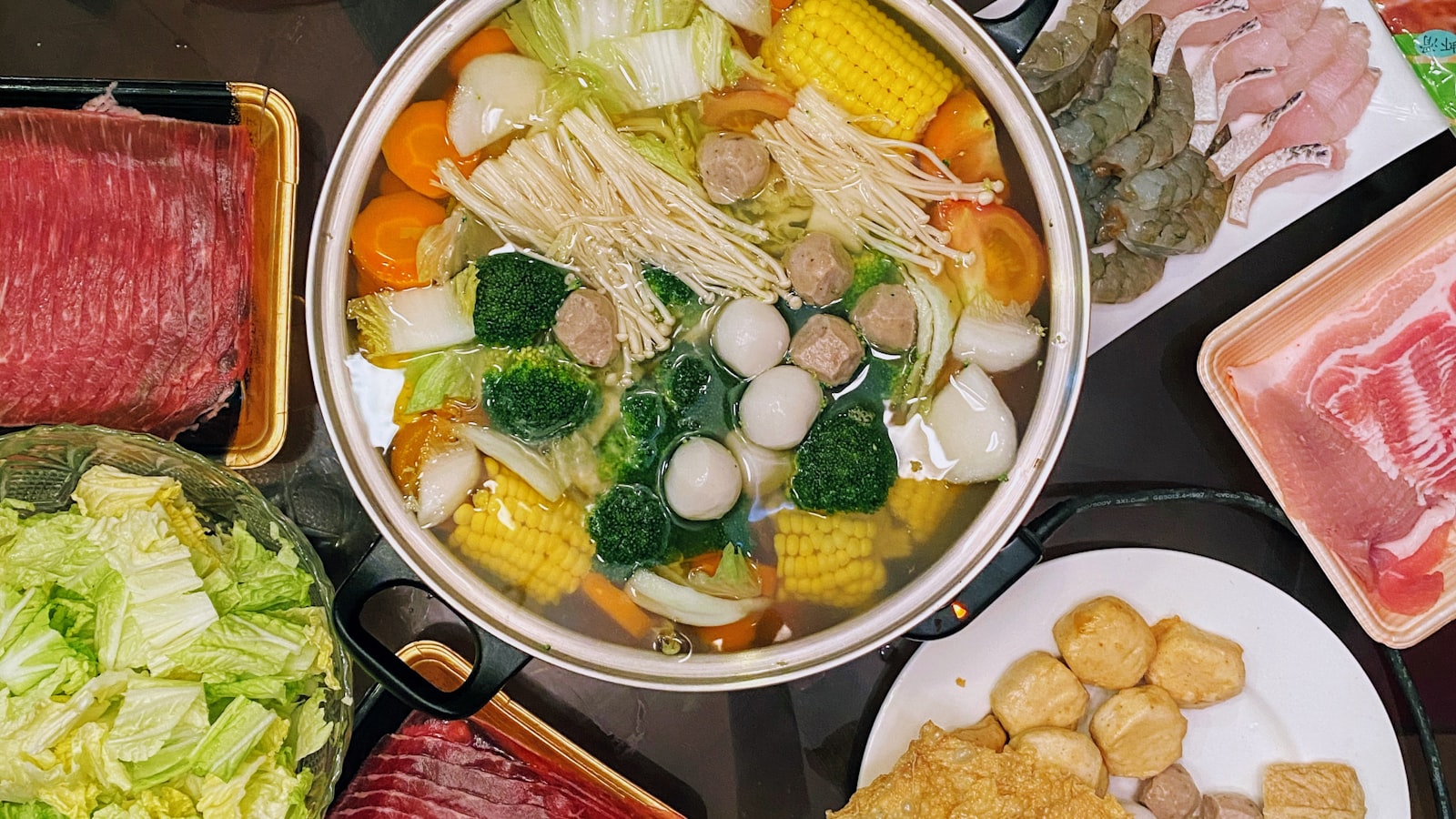
Chinese Hotpot Etiquette: 12 Rules to Eat Like a Local
Hotpot table etiquette explained — shared-pot rules, dipping sauce, cooking times, chopstick manners, and how to order without a translator.
Hotpot is China’s most social meal — and the etiquette is simpler than it looks: keep your chopsticks out of the shared pot, and you’ve mastered 80% of it.
A bubbling pot in the middle of the table, raw ingredients spread around it, and everyone cooking their own food — hotpot is loud, messy, delicious and deeply communal. For travellers it’s often the meal they remember most. The rules of the table are easy to learn and hard to get badly wrong, so this guide covers what to know before you sit down, from choosing the pot to paying the bill.
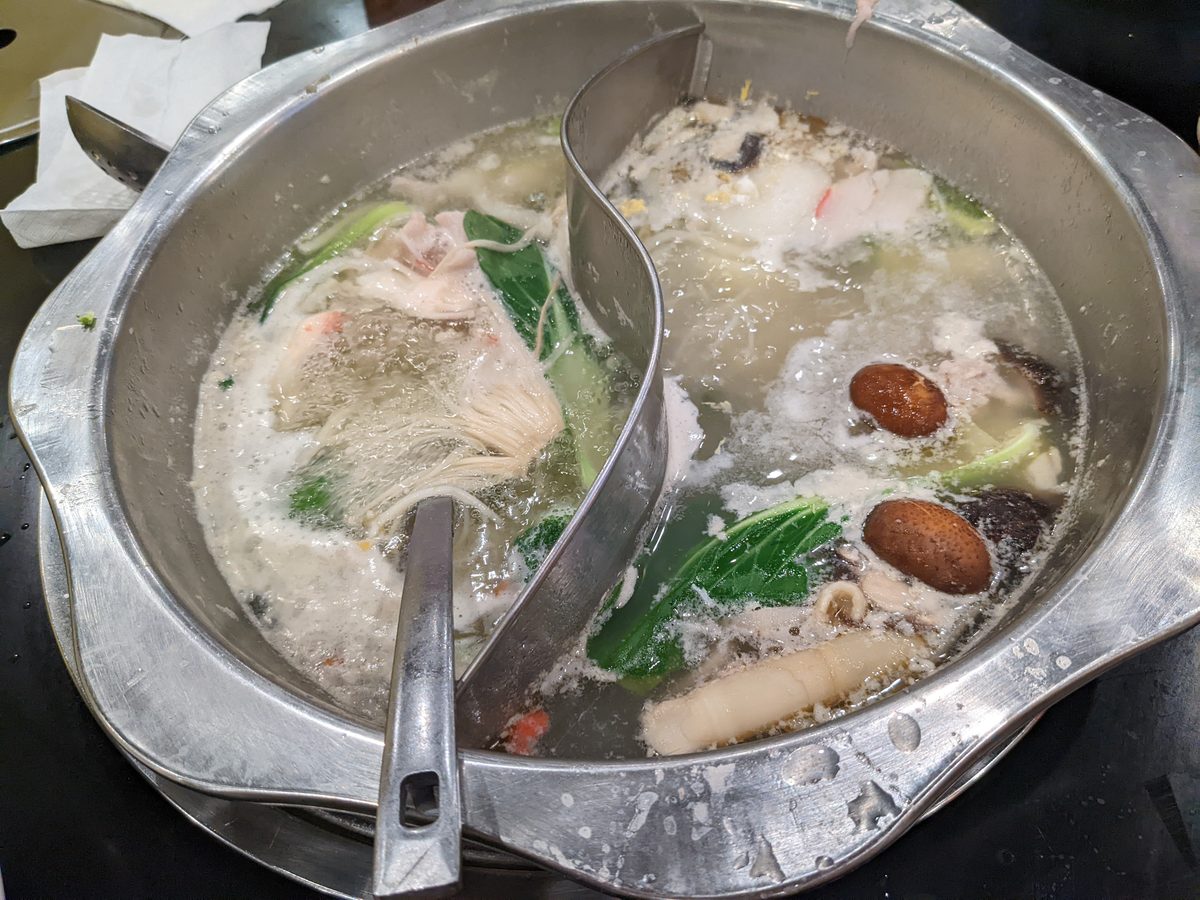
The shared pot is the centre of the meal — everyone cooks at their own pace and the evening stretches as long as the conversation.
The one rule that matters
The entire etiquette of hotpot boils down to a single idea: the pot is shared, and your personal chopsticks stay out of it.
- Use the serving ladle or slotted spoon to take cooked food out of the pot into your bowl.
- Use separate utensils to put raw ingredients in — most tables provide long chopsticks or tongs for this, or you use your own chopsticks just for the raw-to-pot direction.
- Never stir or fish with your personal chopsticks. That’s what the ladle and tongs are for.
Get that right and you’ll be seen as a considerate diner everywhere in China. Everything else is detail.
Choosing the pot: the yuanyang safety net
The first decision is the broth, and the safe choice is always yuanyang guo (鸳鸯锅, half-and-half): one side a mild, savory stock — often tomato or mushroom — and the other the numbing-spicy Sichuan red. Everyone at the table cooks in whichever side suits them, and non-spice-eaters simply stay on the mild side.
If you’re unsure, order yuanyang. It’s the default for mixed groups, and no one will think less of you. For the full experience, a pure spicy red pot is authentic but intense; save it for when you know you love heat. Our Chinese hotpot guide has more detail on broths, ordering and the Sichuan style.
What to order (and how much)
Hotpot is about raw ingredients you cook yourself. A good first order for two people:
- Thin-sliced lamb or beef — the star of the meal; it cooks in seconds.
- Mushrooms — enoki, oyster or king oyster.
- Greens — napa cabbage or water spinach.
- Tofu — soft tofu, fried tofu skin, or tofu puffs that soak up broth.
- Starch — sweet potato noodles, udon, or a small bowl of rice.
- Balls — shrimp balls or fish balls, if you like them.
Portions are small, so ordering several items is normal. Many menus have pictures — pointing works perfectly. Don’t over-order on the first round: you can always add, and hotpot is a long meal by design.
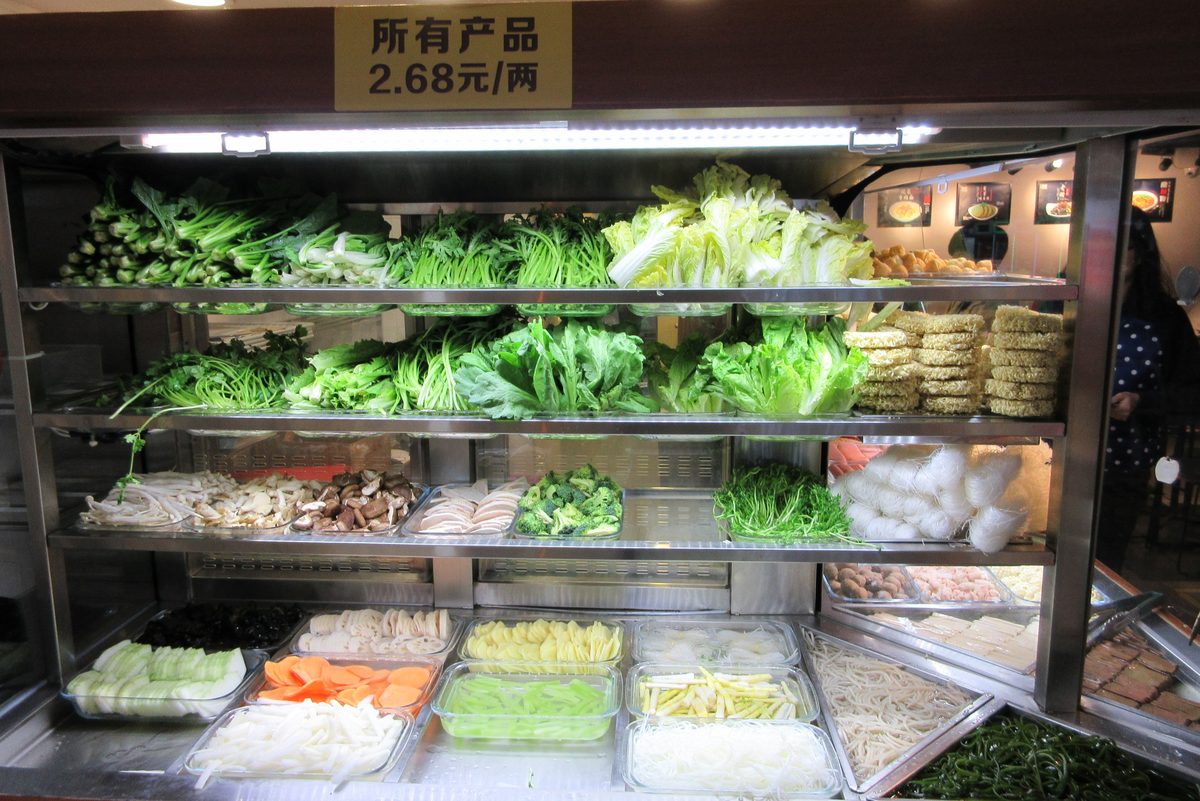
A typical order spreads raw ingredients around the pot — thin-sliced meat, mushrooms, greens, tofu and noodles.
The dipping sauce, decoded
The sauce bar is where you personalise the meal, and it’s free rein. A friendly starting formula:
- Base: sesame paste (north) or sesame oil (south).
- Add: minced garlic and chopped cilantro.
- Season: a splash of soy sauce or vinegar.
- Heat (optional): a little chili oil.
Start mild and build from there — you can always go back to the bar. In Sichuan, a popular dip is sesame oil with garlic, which cools the numbing spice. There’s no wrong answer; the sauce bar is designed for experimentation.
Cooking times: the practical skill
Cooking your own food is the point, and timing is the only real skill:
- Thin-sliced meat: seconds — swish it in the broth until it changes colour.
- Vegetables: a minute or two; root veg and potatoes take longer.
- Tofu: a couple of minutes, or leave it longer to soak up flavour.
- Noodles: the longest — put them in early or near the end, and give them a few minutes.
When in doubt, follow what your tablemates do. Watch the locals for a moment and you’ll quickly get the rhythm.
What not to do
A short list of habits to avoid, all of which come back to the shared pot:
- No personal chopsticks in the pot — use the ladle and tongs.
- No double-dipping cooked food you’ve already bitten — take a portion into your own bowl first.
- No stirring the pot with your personal utensils.
- Don’t be afraid to be messy — that’s expected; hotpot is a happy, casual affair.
- Don’t rush — the meal is meant to last an hour or more.
Vegetarian and allergy notes
Vegetarian hotpot is easy: order a clear or tomato broth, then load up on mushrooms, greens, tofu and noodles. For vegans, say ‘bu yao rou, bu yao ji dan’ (no meat, no egg) and check the broth is vegetable stock rather than meat stock. For allergies, carry a Chinese allergy card and double-check the spicy broth, which can contain peanut oil. Asking for a separate pot or a clear broth is completely normal.
Paying the bill
China is cashless, and hotpot restaurants are no exception. You’ll usually pay by scanning a QR code with Alipay or WeChat Pay, either at the table or at the counter. No tipping is expected — rounding up or leaving cash is not the custom. If you don’t have the payment apps set up, carry some cash as a backup, though cards are rarely accepted at local hotpot spots.
Chengdu vs Chongqing: the home turf
The two spiritual homes of hotpot disagree on details, and trying both is half the fun. Chengdu hotpot leans slightly milder and more fragrant, with a wider range of broths. Chongqing hotpot is the fire-breathing original — oilier, spicier and more intense, sometimes served with a block of solidified beef fat melting into the red broth. If your itinerary includes either city, plan an evening around it — see the Chengdu guide and the Chongqing guide for where to go.
Beyond hotpot: the wider Sichuan table
If hotpot sparks an appetite for Sichuan food generally, the region’s other classics — dan dan noodles, mapo tofu, and the world of noodles and dumplings — are worth a try. Sichuan cuisine is bold, layered and endlessly rewarding, and once you’ve mastered the hotpot table, the rest comes easily.
The social heart of the meal
Hotpot is less a dish than a way to spend an evening. The pot bubbles for the whole meal, so there’s no rush: you cook a few pieces, eat, talk, cook again. Conversation is the point as much as the food, which is why hotpot restaurants are loud with laughter and long dinners. Don’t be surprised if the table next to you is deep into a two-hour meal — that’s exactly the pace to match. Eat with friends, cook at your own speed, and enjoy one of the most social meals on the planet.
Last updated: August 2026. Restaurant styles and prices vary by city — confirm before you go.
Frequently Asked Questions
What is the basic etiquette when eating hotpot?
The golden rule is about the shared pot: never dip your personal chopsticks into it. Use the serving ladle or slotted spoon to take food out, and use separate utensils (or the chopsticks you eat with, reversed) to pick up raw ingredients. Everything else — cooking your own food, going back to the sauce bar, being a little messy — is the point of the meal.
Can I eat hotpot if I don't like spicy food?
Yes. Order a yuanyang guo (half-and-half pot) so one side is a mild, savory stock and the other the numbing-spicy Sichuan broth. You cook only in the mild side. Most hotpot restaurants offer this by default, and there's zero shame in asking for it — mixed groups do it all the time.
What should I order on my first hotpot?
A safe first order: thin-sliced lamb or beef (which cooks in seconds), enoki or oyster mushrooms, napa cabbage, tofu and tofu skin, sweet potato noodles, and maybe some shrimp or fish balls. Start with four or five dishes for two people — portions are small but you can always add more.
How do I use the dipping sauce bar correctly?
The sauce bar is self-serve and free rein. A classic base is sesame paste (in the north) or sesame oil (in the south), then minced garlic, chopped cilantro, a splash of soy sauce or vinegar, and chili oil if you like heat. Start mild and build up — you can always return to the bar.
Is there anything I should not do at a hotpot restaurant?
Don't put your own chopsticks into the shared pot, don't fish directly with them, and don't stir the pot with your personal utensils. Avoid double-dipping cooked food that other people will share. And don't over-order on your first round — hotpot is meant to be enjoyed slowly over a long meal.
How do I pay at a hotpot restaurant?
China is cashless. Most hotpot places let you pay by scanning a QR code with Alipay or WeChat Pay, either at the counter or at the table. No tipping is expected. If you don't have the apps set up, carry a little cash as backup — but cards are rarely accepted at local hotpot restaurants.