
5-Day China Itinerary: Three Realistic Routes (2026)
A realistic 5-day China itinerary — three routes for Beijing, Shanghai and the water towns, with day-by-day plans, rail times and what to cut.
OpenStreetMap Google Maps (opens externally)
Five days in China means choosing what to skip — here are three routes that actually work.
The honest problem with a 5-day China trip isn’t the sights, it’s the arithmetic. Long-haul flights usually land in the afternoon and leave in the morning, so Day 1 disappears into immigration, a SIM card and a hotel check-in, and Day 5 disappears into a taxi to the airport. What you really have is about three and a half usable days. Plan for five and you’ll spend the trip running late; plan for three and a half and it turns into a genuinely good short holiday.
What five days actually gives you
Work backwards from the flights. A typical Day 1 arrival gets you to your hotel by late afternoon with enough energy for dinner and nothing else. Day 5 usually means leaving your hotel three hours before an international departure. Days 2, 3 and 4 are the real trip.
That maths rules out one thing immediately: three cities. The classic Beijing–Xi’an–Shanghai route involves rail legs of roughly 4.5 and 5 hours plus three hotel check-ins, which would consume more than a full day of your three and a half. Two cities is the ceiling. One city, done without rushing, is frequently the better trip.
Route A — Beijing and Shanghai (3 + 2)
The two-city version, connected by a single 4.5-hour high-speed rail leg.
Day 1 — Arrive in Beijing. Clear immigration, set up mobile payments while the airport Wi-Fi is free, and take the airport express or a taxi in. Eat something local near your hotel and sleep early.
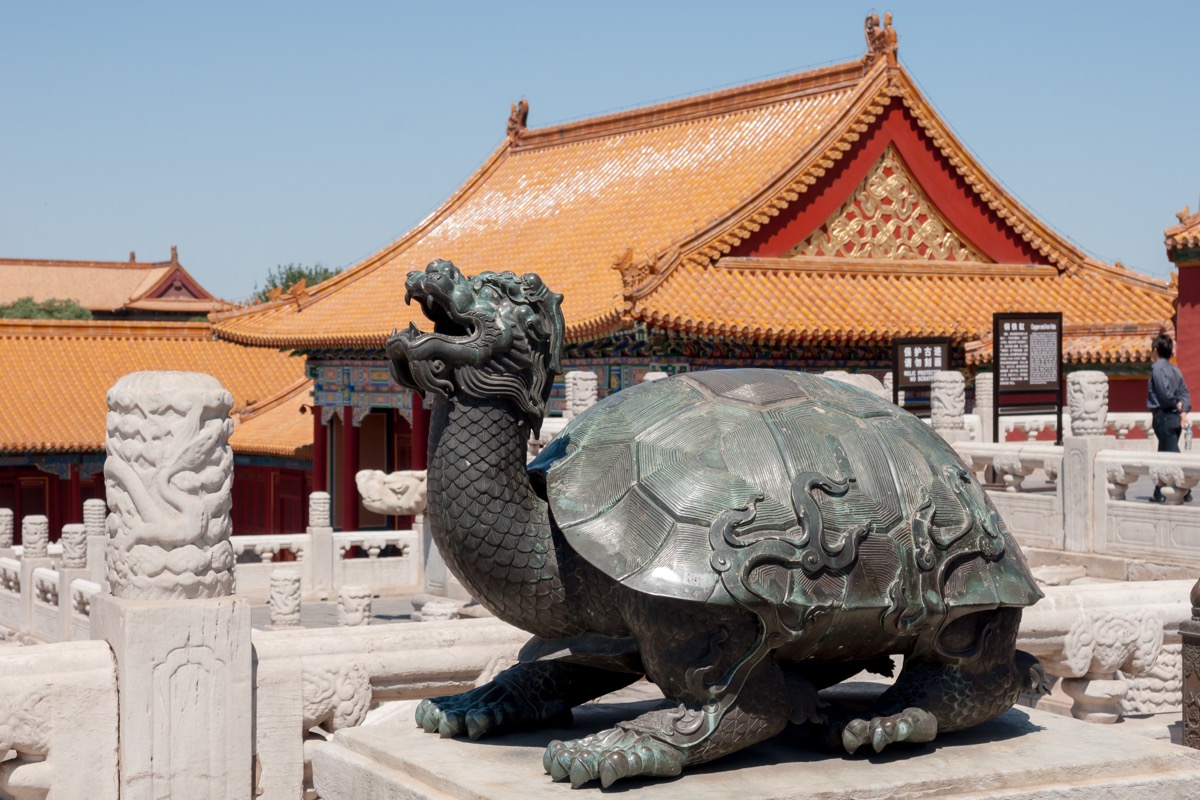
Day 2 — Forbidden City and Tiananmen. Book Forbidden City tickets online well ahead; they sell out. Spend the morning inside, walk through Tiananmen Square, then climb Jingshan Park for the view back over the golden roofs. Peking duck for dinner.
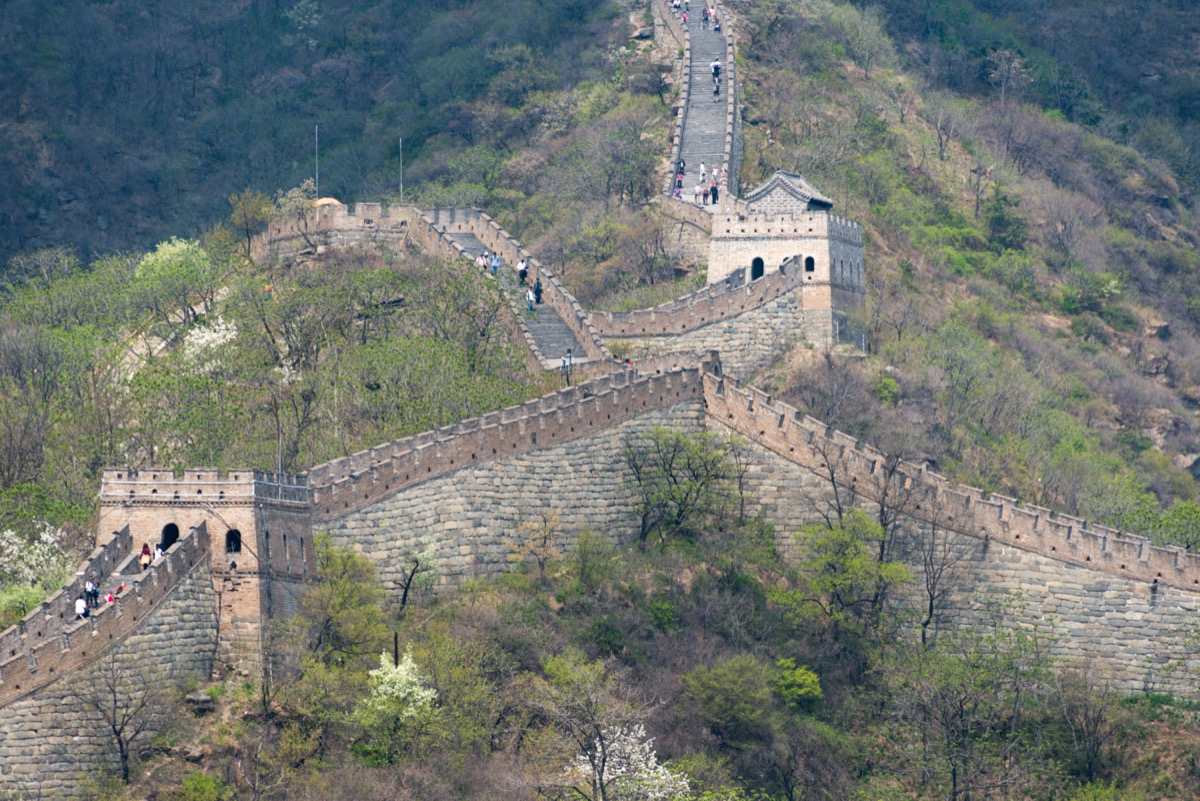
Day 3 — The Great Wall. Mutianyu is the right first-timer choice — restored, with a cable car up and a toboggan down, and far quieter than Badaling. It’s about 1.5 hours from central Beijing each way, so give it the whole day and don’t try to add anything else.
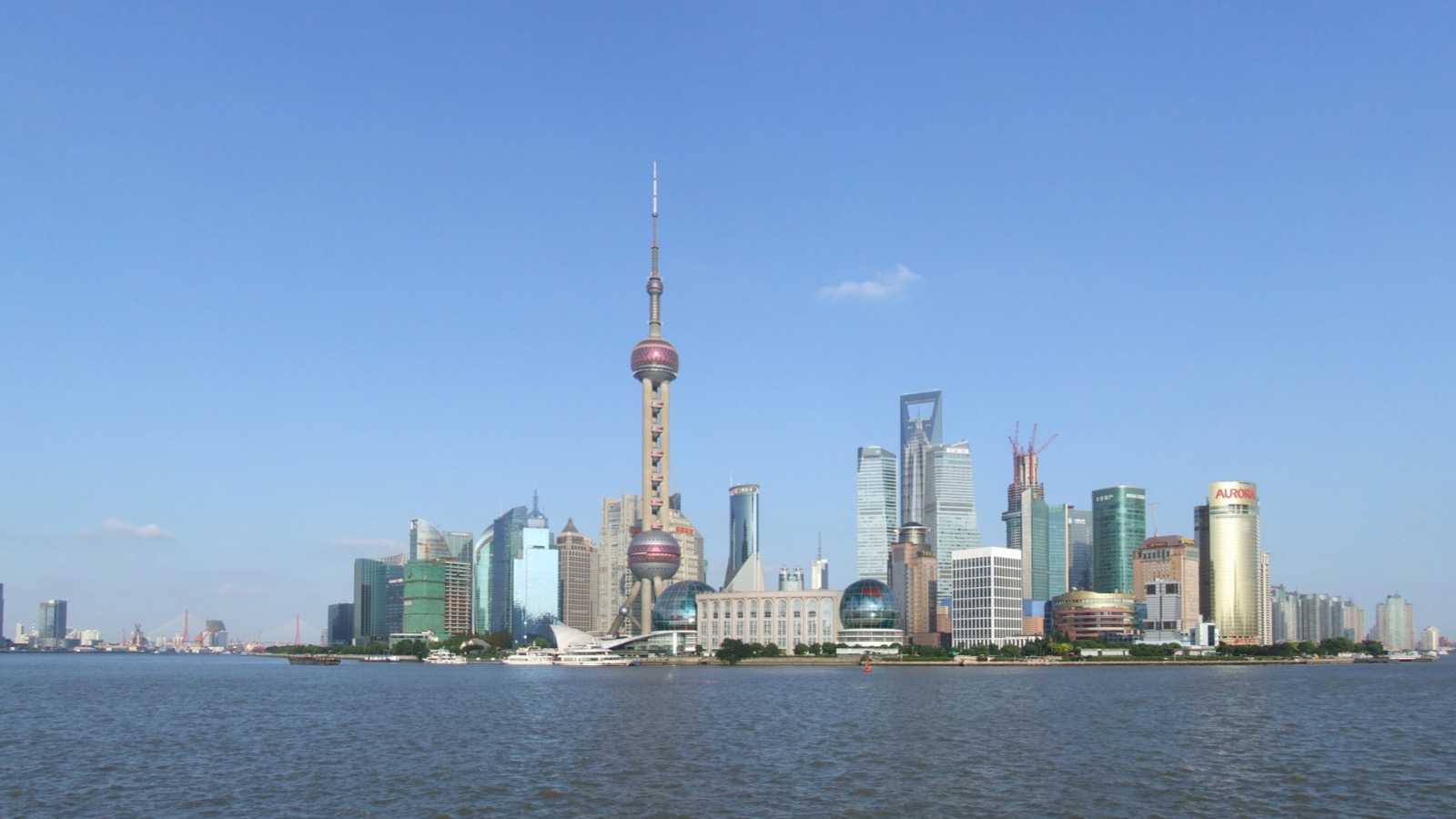
Day 4 — Morning train to Shanghai. Take an early high-speed train, about 4.5 hours from Beijing South to Shanghai Hongqiao. Check in near the Bund, walk the waterfront at dusk when the skyline lights come on, then eat xiaolongbao somewhere the queue is local.
Day 5 — Shanghai, then depart. With a late flight you can fit Yu Garden and a wander through the French Concession lanes. With an early flight, treat Day 5 as a transfer day and be at peace with it.
Route B — Beijing only, done properly
Drop the train and give all four usable days to one city. This is the route to pick if you hate packing twice.
Day 1 arrival as above. Day 2 the Forbidden City, Tiananmen and Jingshan. Day 3 a full day at the Great Wall — and with the spare time this route buys you, consider Jinshanling for a wilder, largely unrestored hike instead of Mutianyu. Day 4 the Temple of Heaven in the morning, when locals are doing tai chi and playing cards, then the Summer Palace or a slow afternoon in the hutongs around Houhai. Day 5 depart.
What you gain is real: no 4.5-hour rail leg, one hotel, and time to eat properly rather than grabbing whatever’s nearest to the exit gate. What you lose is the contrast between imperial Beijing and modern Shanghai, which is genuinely one of the most striking things about a first China trip.
Route C — Shanghai, Suzhou and the water towns
The gentlest of the three, and the best option if you’re arriving jet-lagged or travelling with children.
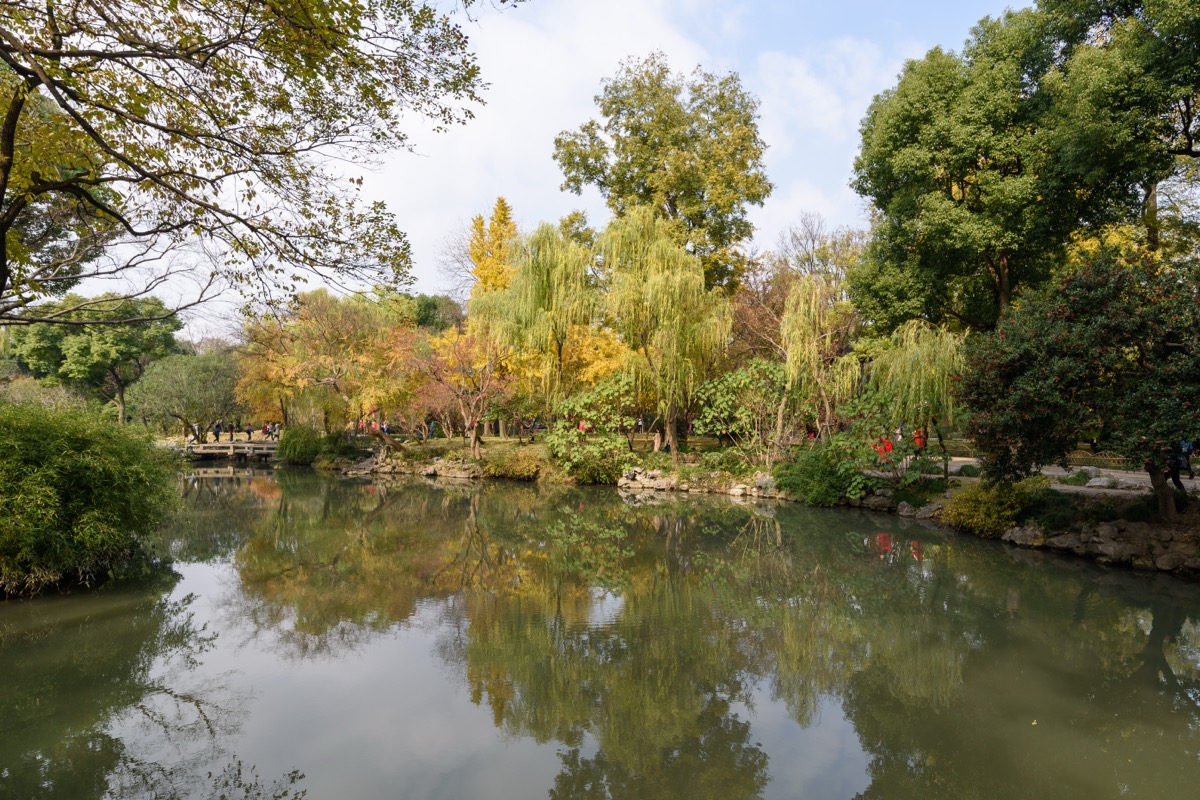
Day 1 arrive in Shanghai and take the Maglev or metro in. Day 2 the Bund, Yu Garden, the Shanghai Museum and the French Concession — all walkable or a few metro stops apart. Day 3 a day trip to Suzhou, about 30 minutes by high-speed rail, for the classical gardens; the Humble Administrator’s Garden and the Master of the Nets Garden are the two to prioritise. Day 4 either Hangzhou and West Lake, about an hour by rail, or a slower Shanghai day with Tianzifang and Jing’an. Day 5 depart.
Because both day trips return to the same hotel each night, this route has no check-in overhead at all. It’s the lowest-stress way to spend five days in China, and the wider Jiangnan loop is there if you later extend the trip.
Which route fits you
Pick Route A if this is your only China trip in the foreseeable future and you want both the imperial and the modern picture. Pick Route B if you’d rather see three things well than six things badly, or if you’re travelling with anyone who finds long train days exhausting. Pick Route C if you want the easiest possible introduction, are arriving badly jet-lagged, or have children in the group.
One tiebreaker worth knowing: Beijing’s headline sights are more impressive but more logistically demanding — advance tickets, a full-day Wall trip, longer distances across the city. Shanghai’s are less monumental but far easier to string together on foot and by metro.
Getting between cities
- Beijing → Shanghai: high-speed rail, about 4.5 hours, Beijing South to Shanghai Hongqiao.
- Shanghai → Suzhou: high-speed rail, about 30 minutes.
- Shanghai → Hangzhou: high-speed rail, about 1 hour.
Book with your passport through Trip.com or 12306 as soon as your dates are fixed. On a five-day trip this matters more than usual — there’s no slack to absorb a sold-out morning train, and weekend and holiday seats genuinely do sell out. Flying between Beijing and Shanghai is possible but rarely faster once you add airport transfers and security at both ends.
Do you even need a visa for five days?
Often, no. Citizens of roughly 50 countries can enter China visa-free for up to 30 days, which covers a 5-day trip with room to spare — check the visa-free country list before you assume you need to apply.
If your passport isn’t on that list, the 240-hour transit policy is unusually well suited to a trip this length. It allows up to 10 days visa-free provided you’re travelling on to a third country rather than returning the way you came, and it covers a large set of entry ports including Beijing and Shanghai. A five-day itinerary sits comfortably inside that window, which makes short China trips much easier to arrange than most people expect. Confirm the current port and eligibility rules before booking, since the policy has been expanded several times.
What five days costs
A realistic mid-range figure is roughly ¥500–700 per person per day, all-in and excluding international flights (estimates — prices change). Route B lands at the low end because there’s no intercity rail leg and only one hotel. Route A costs the most, since you’re paying for the Beijing–Shanghai train and two check-ins. Route C sits in between — two day-trip rail fares, but a single hotel throughout.
Within any of them, food and transport are cheap: street meals under ¥50, metro rides a few yuan. What actually moves the total is your hotel standard and how early you book. Our cost breakdown goes through the line items in more detail.
Book in this order
On a short trip, one sold-out day is a much bigger loss than it would be on a two-week trip, so lock the fragile things first: rail seats, then Forbidden City tickets, then your Great Wall day, then hotels. Everything else — restaurants, museums, gardens — can be decided on the day. Set up Alipay with a foreign card before you fly rather than in the arrivals hall, and carry your passport everywhere, because rail and the major sights use real-name ticketing.
Mistakes that ruin a five-day trip
The two big ones are adding a third city and over-scheduling Day 2. Jet lag hits hardest on your first full day, so put your most demanding sight on Day 3, not Day 2. After that: don’t book an internal flight where a train exists, don’t leave the Forbidden City to chance in peak season, and don’t plan anything meaningful for Day 5 unless your flight is genuinely late in the evening.
If you find yourself cutting things you actually care about, the honest answer is that you need more days rather than a tighter schedule — the 10-day itinerary is where Xi’an, Guilin and Chengdu start to fit.
Last updated: August 2026. Train schedules, ticket rules and visa policies change — confirm before you go.
Frequently Asked Questions
Is 5 days enough for China?
It's enough for one city properly, or two cities as a sampler. It is not enough for the classic Beijing–Xi'an–Shanghai triangle. Remember that your arrival and departure days are mostly consumed by flights and transfers, so a 5-day trip gives you roughly three and a half usable days on the ground.
Should I do Beijing or Shanghai in 5 days?
Beijing if you want the headline sights — the Forbidden City, the Great Wall and imperial history. Shanghai if you want an easier, more walkable introduction to China with fast day trips to Suzhou and Hangzhou. Beijing is the more impressive first trip; Shanghai is the more relaxing one.
Can I fit Beijing, Xi'an and Shanghai into 5 days?
You can physically do it, but you shouldn't. Two rail legs of 4.5 and 5 hours plus three hotel check-ins would eat most of your usable time, and you'd see each city through a taxi window. Three cities needs seven days minimum — see our 7-day itinerary for that version.
Do I need a visa for a 5-day trip to China?
Possibly not. Citizens of roughly 50 countries can enter visa-free for up to 30 days, which covers a 5-day trip outright. If your passport isn't on that list but you're flying onward to a third country, the 240-hour transit policy allows up to 10 days without a visa. Check both before you apply for anything.
How much does a 5-day trip to China cost?
A realistic mid-range figure is roughly ¥500–700 per person per day, all-in and excluding international flights (estimates — prices change). Five days with one city and no long rail leg sits at the lower end, because your biggest variable costs are intercity trains and repeat hotel check-ins.
What should I book before a 5-day trip?
Book in this order: high-speed rail seats, Forbidden City tickets, and your Great Wall day. All three genuinely sell out in peak season, and on a short trip a single sold-out day is a much bigger loss than it would be on a two-week trip.