
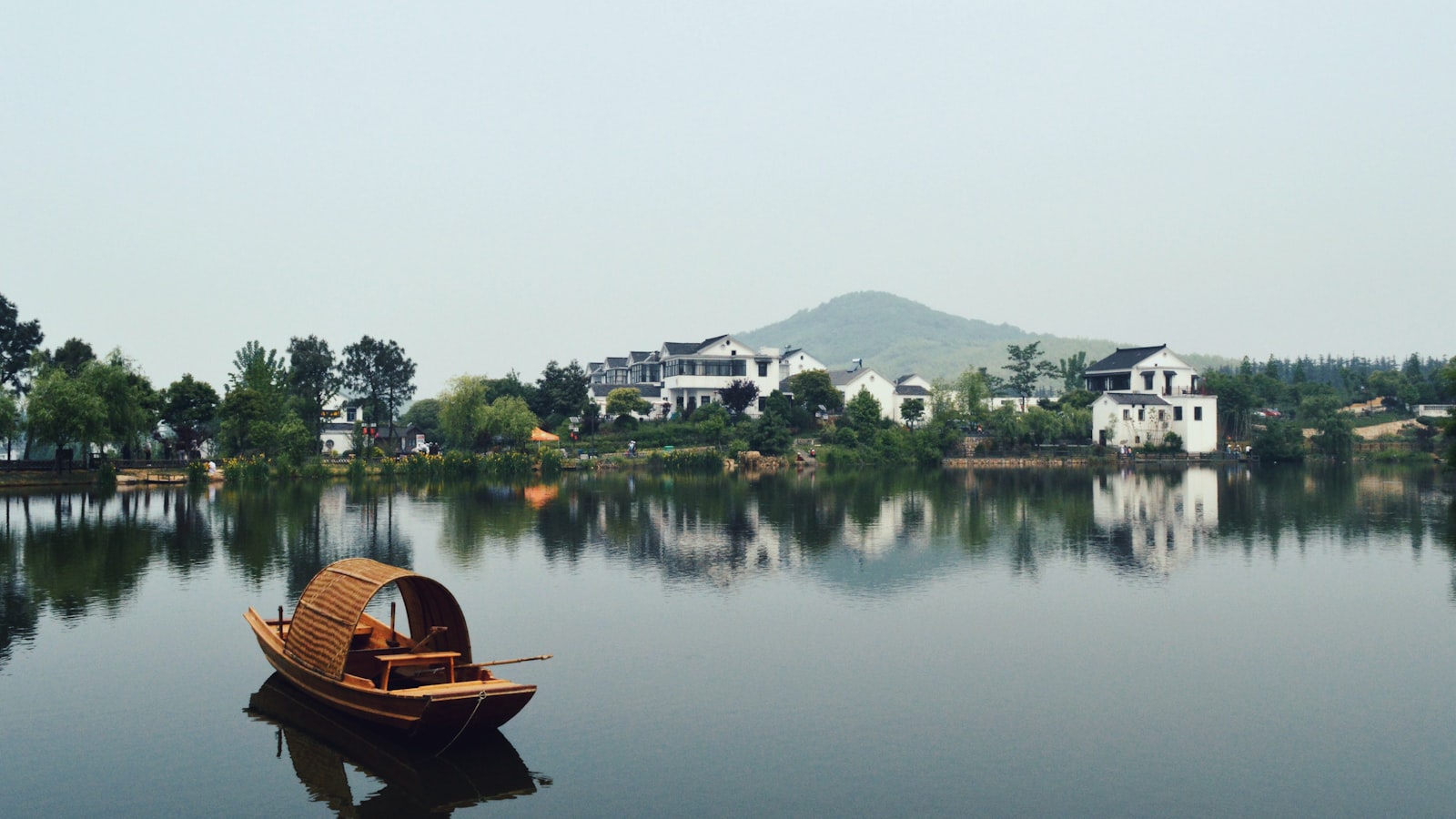
Nanjing Travel Guide (2026): History & Qinhuai River
Nanjing guide — Sun Yat-sen Mausoleum, Ming Xiaoling, the Confucius Temple and Qinhuai River, plus a 1–2 day plan and the rail hop from Shanghai.
OpenStreetMap Google Maps (opens externally)
Nanjing is China’s southern capital in more ways than one — imperial tombs, a riverside old town and one of the country’s finest museums, all an hour from Shanghai.
This guide covers the essentials: Sun Yat-sen Mausoleum, Ming Xiaoling, the Confucius Temple and Qinhuai River, how many days you need, and getting here from Shanghai.
Overview
Nanjing (南京), capital of Jiangsu province, has served as the capital of more Chinese dynasties than almost any other city — most famously the early Ming dynasty, whose founder Zhu Yuanzhang is buried here, and in the 20th century as the capital of the Republic of China. The result is a city with an unusually deep layer of history, set along the Yangtze River and around the huge, forested Purple Mountain (Zijin Shan).
It’s also a place of remembrance: the Nanjing Massacre Memorial documents the 1937–38 atrocities, and for many international visitors a respectful visit there is an essential part of understanding modern China. Most first-time travelers come mainly for the mausoleums and the old town, though.
How many days
1–2 days. As a fast day trip from Shanghai it’s doable but rushed. With a night or two:
- Day 1: Purple Mountain in the morning — Sun Yat-sen Mausoleum and Ming Xiaoling — then the Nanjing Museum in the afternoon (free, but reserve ahead).
- Day 2: the Confucius Temple and Qinhuai River in the morning, the Ming city wall or Xuanwu Lake in the afternoon, and the riverside lanterns at night.
Suggested itinerary
A 1-day plan:
- Morning — the Ming tombs: Sun Yat-sen Mausoleum and Ming Xiaoling (they sit together on Purple Mountain), then the Nanjing Museum nearby.
- Afternoon — old Nanjing: Confucius Temple and the Qinhuai River for the evening lights and a riverside dinner.
Have more time? Stay a second night and add the Nanjing Yangtze River Bridge or Xuanwu Lake. Nanjing is an easy stop on a Jiangsu route.
Best time to visit
- Spring (March–May): plum and cherry blossom in March, mild weather.
- Autumn (September–November): clear and comfortable — the best overall.
- Summer (June–August): hot and humid; Nanjing is one of China’s hotter big cities.
- Winter (December–February): cold but quiet, and the city walls look great in low light.
Top sights
- Sun Yat-sen Mausoleum — the grand, 392-step memorial to the founder of the Republic of China, set into the forested slope of Purple Mountain. Free, and one of the most impressive approaches in China.
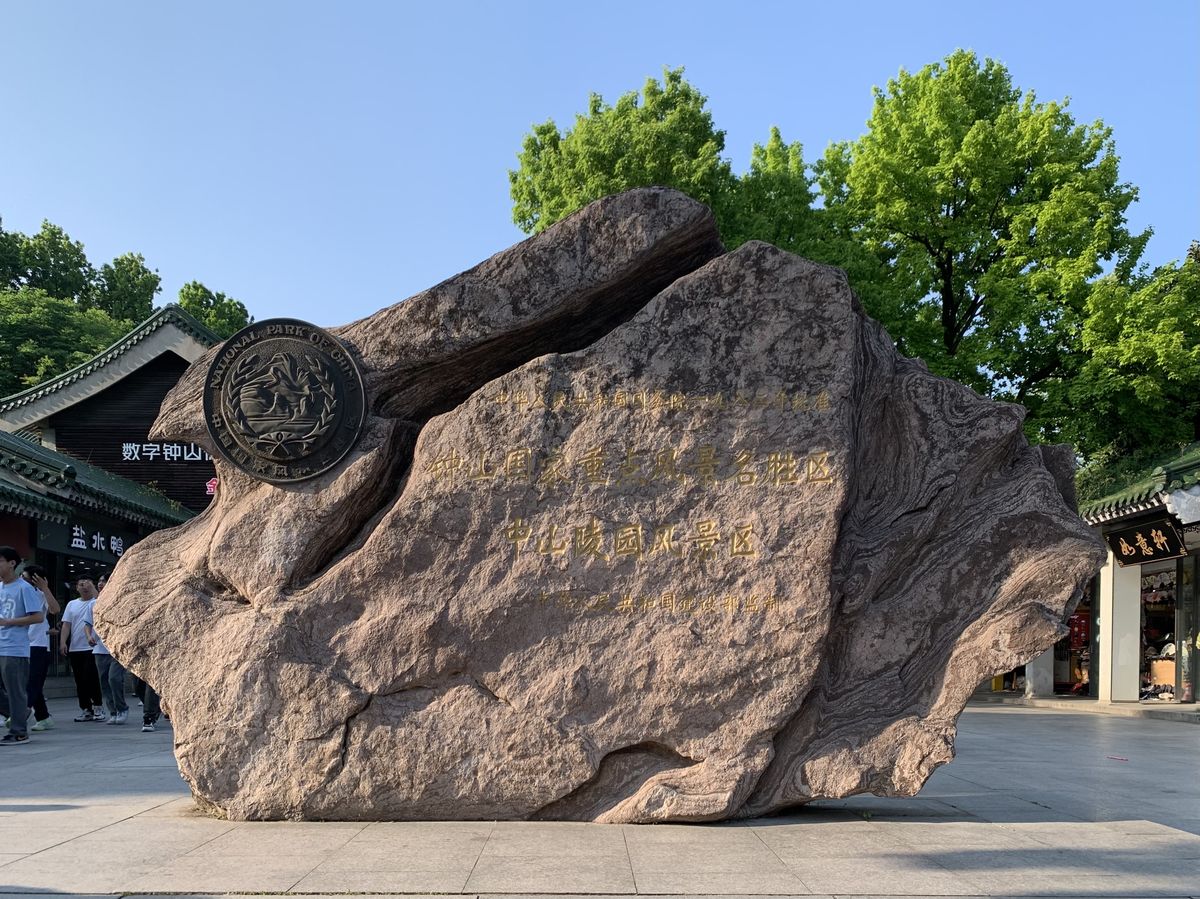
The 392 steps up to the Sun Yat-sen Mausoleum on Nanjing’s Purple Mountain. 2. Ming Xiaoling — the tomb of the first Ming emperor, a UNESCO World Heritage Site whose Spirit Way, lined with stone elephants and camels, is one of China’s great processional avenues.
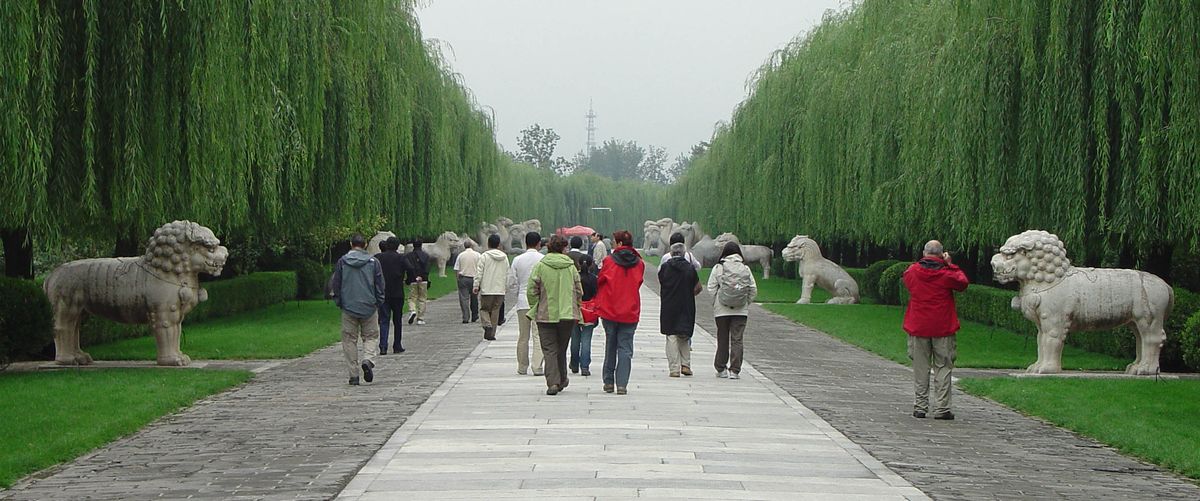
Stone animals along the Spirit Way of Ming Xiaoling, the tomb of the first Ming emperor in Nanjing. 3. Confucius Temple & Qinhuai River — the restored old quarter: temples, lantern-lit shops, snack stalls and evening boat rides along the river. Best after dark.
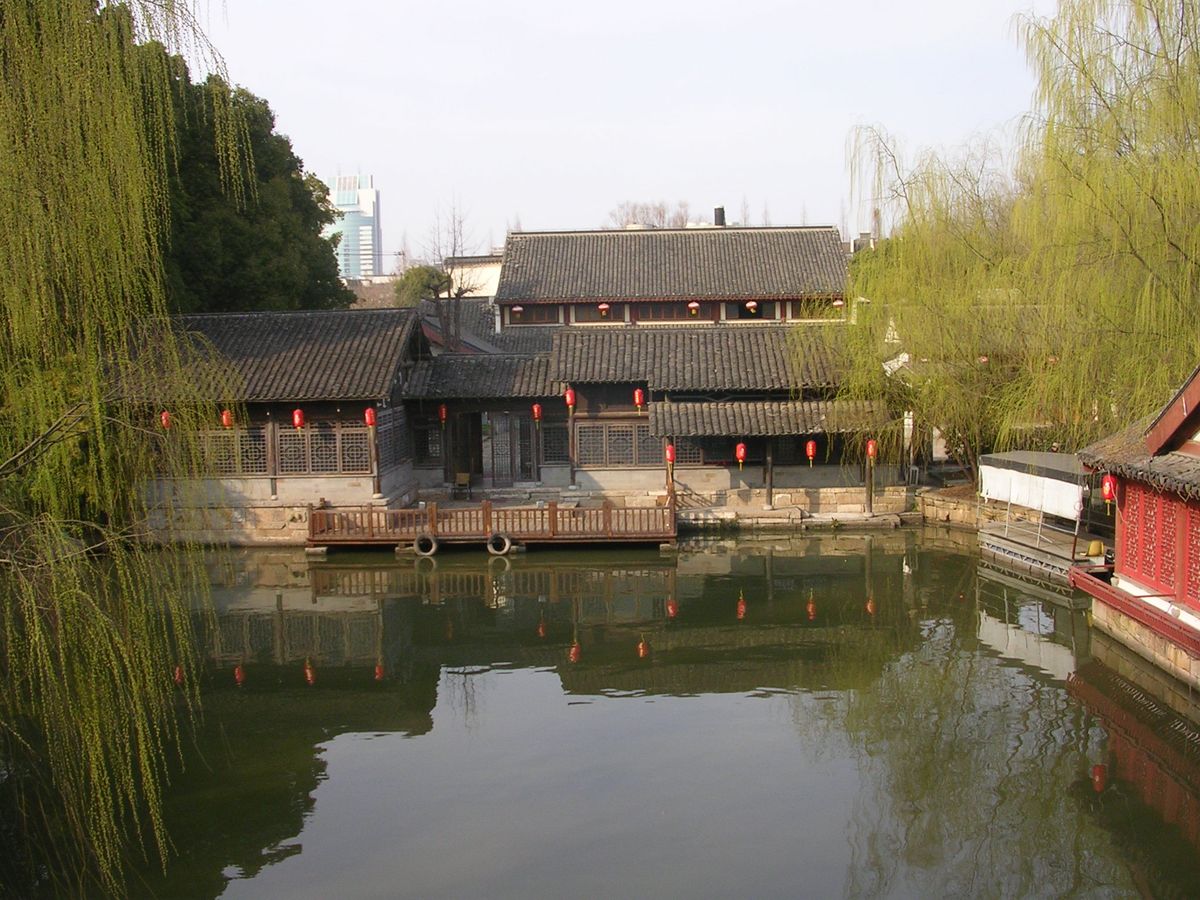
The lantern-lit Confucius Temple quarter on the Qinhuai River in Nanjing, best after dark. 4. Nanjing Museum — one of China’s largest and best museums, with superb galleries on bronze, porcelain and Ming/Qing art. Entry is free but requires a real-name reservation. 5. Ming City Wall & Xuanwu Lake — Nanjing’s surviving city walls are among the best-preserved in China; walking a stretch or renting a boat on Xuanwu Lake is a lovely way to end a day. 6. Nanjing Massacre Memorial — a free, powerfully designed museum documenting the 1937–38 tragedy; allow a somber half-day. It’s typically closed on Mondays.
Budget
Nanjing is reasonably priced — historic, leafy and cheaper than the big eastern gateways. Rough daily figures for planning (per person, CNY, and prices change):
- Accommodation: budget hotels from about ¥150–250/night, mid-range ¥300–500.
- Attractions: the mausoleums and Nanjing Museum are free (museum needs a real-name reservation); the Confucius Temple area is free to wander; boat rides on the Qinhuai are extra.
- Food: Nanjing salted duck and Jiangsu dishes are ¥40–80 per dish; snacks and noodles ¥15–40.
- Transport: the metro covers the main sights; taxis are cheap.
Carry a little cash as backup, but pay by Alipay almost everywhere.
Getting there
- From Shanghai: high-speed rail from Shanghai Hongqiao to Nanjing South in about 1 hour — an easy extension of any Shanghai itinerary.
- By air: Nanjing Lukou International Airport (NKG) serves domestic and some international routes.
- Book rail tickets with your passport — see our train ticket guide.
Getting around
- Metro: Nanjing’s metro is modern and English-signed, covering the rail stations, Purple Mountain and the old town.
- Purple Mountain: the mausoleums are spread across a large park — use the tourist shuttle between sites, allow generous time to walk, and note the small cable car near the mausoleum area for a shortcut back down.
- Taxis / Didi: cheap and reliable, especially for the steeper connections.
Where to stay
- Near Confucius Temple / the Qinhuai River: the atmospheric old-quarter choice, best after dark when the lanterns are lit.
- Xinjiekou / city center: central, modern and metro-served — a practical base for seeing the mausoleums and the old town.
- Near the high-speed rail station: convenient for a quick stop on the Beijing–Shanghai line.
Day trips & nearby
Nanjing is on the Beijing–Shanghai high-speed corridor, so it works well as a stopover or base. Yangzhou, famous for its gardens and morning teahouses, is about an hour by rail — a lovely food-focused day trip. Zhenjiang (about 30 minutes) offers the Jinshan Temple by the Yangtze. Closer in, the Qixia Mountain northeast of the city is at its best in autumn when the maple leaves turn. All are easy, low-key additions to a Nanjing stay rather than must-dos.
Purple Mountain, planned
The mausoleums on Purple Mountain (Zijin Shan) are the region’s highlight, and a little planning makes the day smooth. The mountain is large and hilly — take the shuttle or a taxi between sites rather than walking the whole distance. The usual order is Sun Yat-sen Mausoleum first (it’s the highest and most famous), then Ming Xiaoling and the Spirit Way on the way down. Both are free but crowded, so go early and on a weekday if you can. The forested mountain is beautiful in any season, but autumn is spectacular.
Practical tips
- Reserve the Nanjing Museum ahead — free entry still needs a passport-based booking, often via the official WeChat channel, and it fills up on weekends.
- Dress for the mausoleum: 392 steps plus a big park means comfortable shoes.
- Plan around Mondays: several major sights are typically closed on Mondays — check individual schedules and treat the massacre memorial with the solemnity it deserves.
- Summer heat: Nanjing gets very hot and humid; do Purple Mountain in the morning and save the air-conditioned museum for the afternoon.
- Qinhuai night boats: the sightseeing boats on the river run until around 10pm, with the best views after the lanterns come on.
- Eat in the old quarter: the lanes around the Confucius Temple are full of Jiangsu snacks — salted duck, duck-blood soup and crab-shell pastries — perfect for a grazing dinner before the night boats.
- Money: set up Alipay before you arrive for metro, boats and snacks — see our payments guide.
Where to go next
Nanjing fits neatly into a Shanghai-area loop alongside Suzhou and Hangzhou. From Nanjing South you can also catch high-speed rail north to Beijing (about 3.5–4 hours) or west into the interior.
What to eat in Nanjing
Nanjing’s food is a highlight of the Jiangsu table, and a few dishes are the city’s own. Nanjing salted duck (yan shui ya) is the signature — a cured, gently flavored duck served cold, sold in shops and restaurants across the city. Duck-blood soup (ya xue fen si) is the classic snack, a noodle-and-coagulated-blood soup that locals eat for breakfast. Crab-shell pastries and the sweet, crisp Nanjing pastries fill the snack shops near the Confucius Temple. In season, Jiangsu freshwater fish and stir-fried greens with river snails appear on the menus of the old-town restaurants. The lanes around the Qinhuai River are the best place to graze — you can eat your way from stall to stall in a single evening. Prices are moderate: noodles and snacks 15–40 RMB, a full sit-down meal 60–120 RMB per person.
Common mistakes to avoid
The most common Nanjing mistake is trying to see Purple Mountain on the same day you arrive on a late train — the mountain is large, hilly and easily worth a full morning, so give it its own block of time. Skipping the Nanjing Museum reservation is the second trap: entry is free but requires a real-name booking in advance, and it fills on weekends. Walking between the mausoleums instead of using the shuttle or a taxi turns a pleasant morning into a slog — the sites are spread across a big park. Assuming everything is open on Mondays is the third; several major sights close then. And missing the evening river scene is a quieter regret — the Confucius Temple quarter and the Qinhuai lanterns are at their best after dark, so save the old town for the evening rather than a rushed daytime walkthrough.
Last updated: August 2026. Museum reservations, hours and prices change — confirm before you go.
Frequently Asked Questions
How many days should I spend in Nanjing?
1–2 days. As a fast day trip from Shanghai, focus on Purple Mountain and the Confucius Temple area at night. With one night or two, add the Nanjing Museum, a stretch of the Ming city wall and Xuanwu Lake, and more time around the Qinhuai River.
How far is Nanjing from Shanghai?
About 1 hour by high-speed rail from Shanghai Hongqiao to Nanjing South station, so it slots easily into any Yangtze Delta itinerary. Book with your passport in advance — see our [train ticket guide](https://chinotrips.com/how-to/train-tickets/).
Is the Nanjing Museum worth visiting, and is it free?
Yes — it's one of China's largest and best museums, with superb bronze, porcelain and Ming/Qing galleries. Entry is free but requires a real-name reservation with your passport, usually through the official channel; it fills up on weekends, so book ahead.
Do I need a visa for Nanjing?
Same as mainland China generally: citizens of 50 countries are visa-free for up to 30 days, and US citizens can use the 240-hour transit scheme for short trips. Check the [visa-free list](https://chinotrips.com/visa/visa-free-countries/) for your passport.
What's the best time to see the Qinhuai River?
Evening — the Confucius Temple area and the riverside lanterns are at their best after dark, and the small sightseeing boats run late. The old quarter is also good for dinner and snacks before the night boat ride.
More in Jiangsu
Jiangsu Travel Guide (2026) — Jiangsu travel guide