
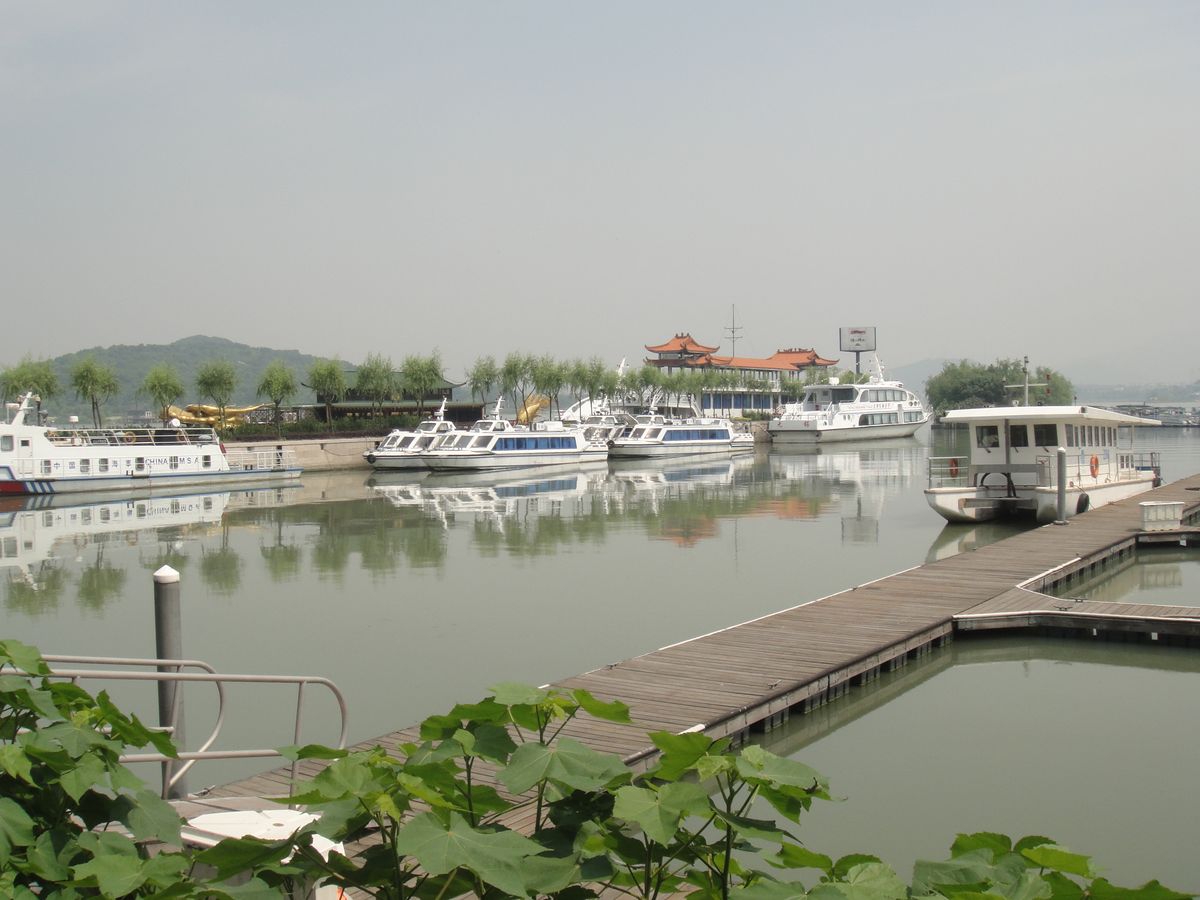
Wuxi Travel Guide (2026): Taihu Lake & Jichang Garden
Wuxi, Jiangsu's lake city — Turtle Head Isle on Lake Tai, the spring cherry blossoms, the UNESCO-listed Jichang Garden and the Grand Canal quarter.
Wuxi, China
Open an external map for this location.
OpenStreetMap Google Maps (opens externally)
Wuxi is the lake city of the Yangtze delta — the best stretch of Taihu shoreline, a UNESCO-listed classical garden, spring cherry blossom, and an old canal quarter that few first-time visitors expect. Here’s how to plan it in 2026.
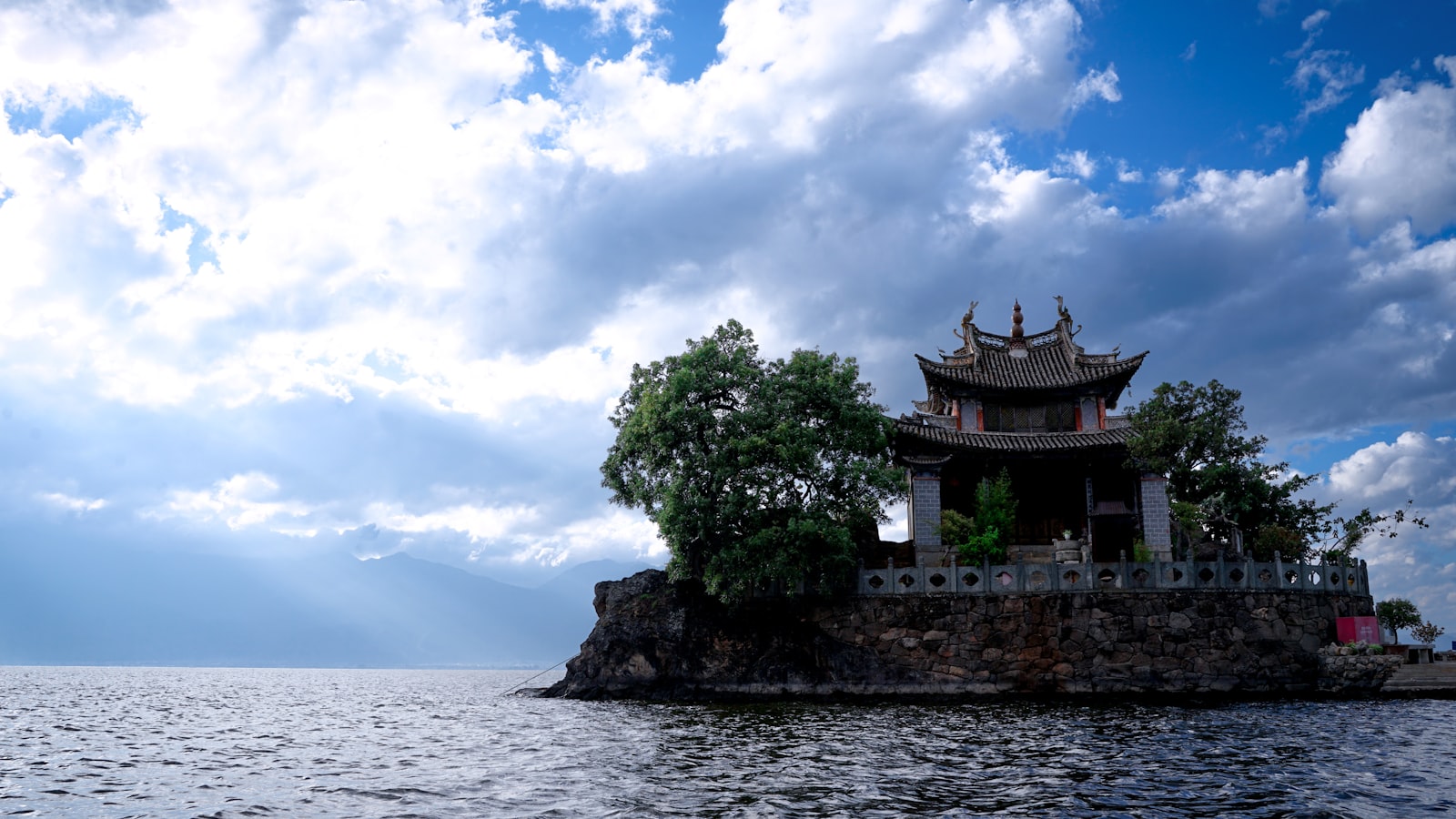
Turtle Head Isle juts into Lake Tai at Wuxi — the classic view of the lake.
The essentials
- Days needed: 2 days; an easy add-on to a Shanghai or Suzhou trip.
- Getting there: high-speed rail from Shanghai in about 40 minutes, from Nanjing in about 50 minutes; Sunan Shuofang Airport (WUX) is about 30 minutes from the center.
- Best season: April–May for the cherry blossom and fresh greens; October–November for clear lake views and cooler air.
- Position: Wuxi owns the northern shore of Lake Tai (Taihu), China’s third-largest freshwater lake — and the region’s most atmospheric stretch of water.
What to do
Wuxi’s signature outing is Turtle Head Isle (Yuantouzhu), a peninsula that pushes out into Lake Tai like a turtle’s head. It has been the lake’s most celebrated viewpoint for a century, crowned by a pavilion inscribed with the poet Guo Moruo’s line calling it the best place on Taihu. In spring, the Sakura Valley here is among the largest cherry-blossom collections in China; the rest of the year, the appeal is the lake itself — wide water, distant islands, and boats crossing to the far shore. Give it a full morning or an afternoon, and plan to be there for sunset.
Down in the city, the Huishan district is the historic heart. At the foot of Huishan hill, the Ming-dynasty Jichang Garden is one of the finest classical gardens in China and part of the UNESCO-listed “Classical Gardens of Suzhou” group. Its trick is borrowed scenery: the garden is deliberately small, but its ponds and pavilions frame the bulk of Huishan hill behind it, making the garden feel far larger. Next door, the Huishan Ancient Town preserves old lanes, ancestral halls, and the Second Spring Under Heaven — the source of the melody that became the famous erhu piece The Moon Reflected in Erquan. The area is also home to the traditional Huishan clay figurines.
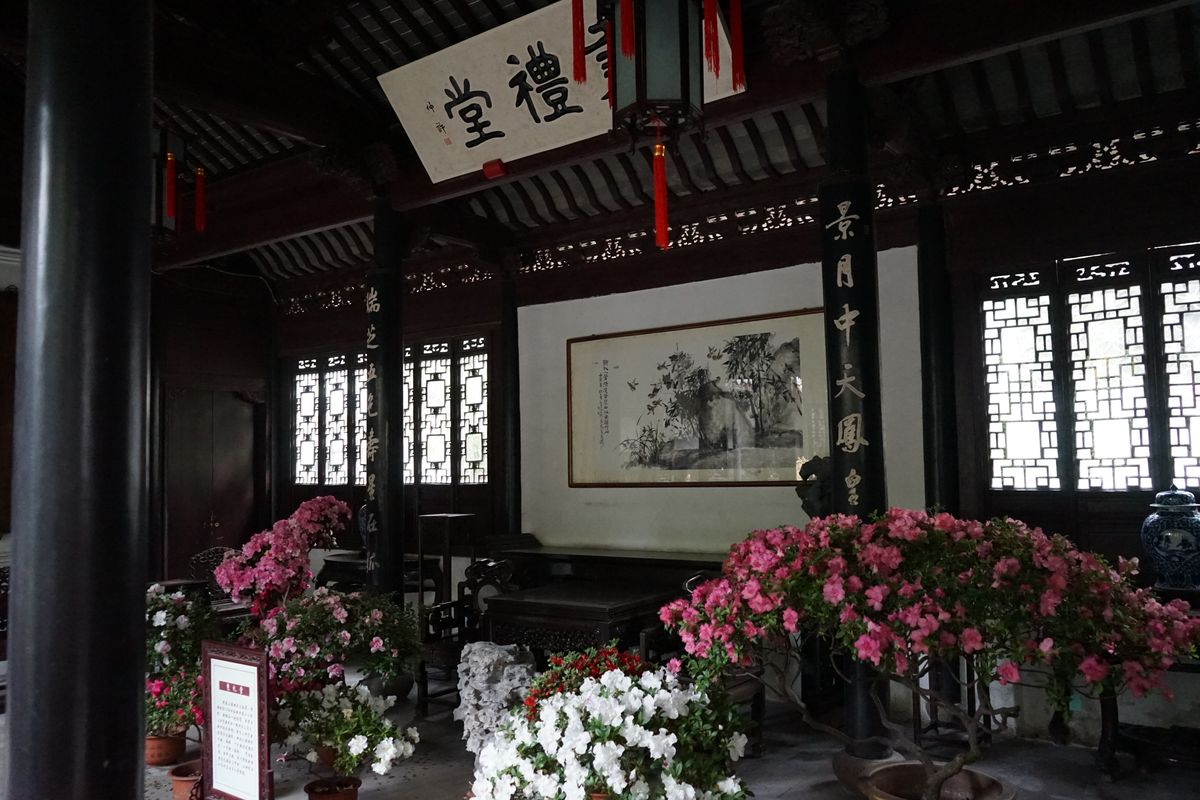
Jichang Garden in Wuxi — a Ming-dynasty classical garden that borrows its scenery from Huishan hill.
Top sights
- LingShan Grand Buddha — an 88-meter bronze statue of Sakyamuni standing on the western shore of Lake Tai, finished in 1997 and among the largest Buddha statues in the world. The climb to its base is the classic photo; the adjacent Brahma Palace is a lavish indoor hall with murals and performances. Allow half a day and combine with Nianhua Bay, a Tang-style pedestrian town built for strolling, dining and evening light shows. Tickets for the scenic area run roughly ¥210 including the palace (estimate, prices change).
- The Grand Canal quarter — Wuxi’s old city grew along the Grand Canal, and the stretch around Qingming Bridge and Nanchan Temple is the most atmospheric: stone bridges, canal-side teahouses, and night market stalls. A short boat ride along the canal is the best introduction.
- Li Lake (Lihu) — the calm inner lake just inland from Taihu, ringed by parks and a long lakeside path; a favorite with local joggers and a pleasant evening stroll.
- Xihui Park — the larger park that wraps Huishan hill and the Jichang Garden, good for a green morning and views over the city.
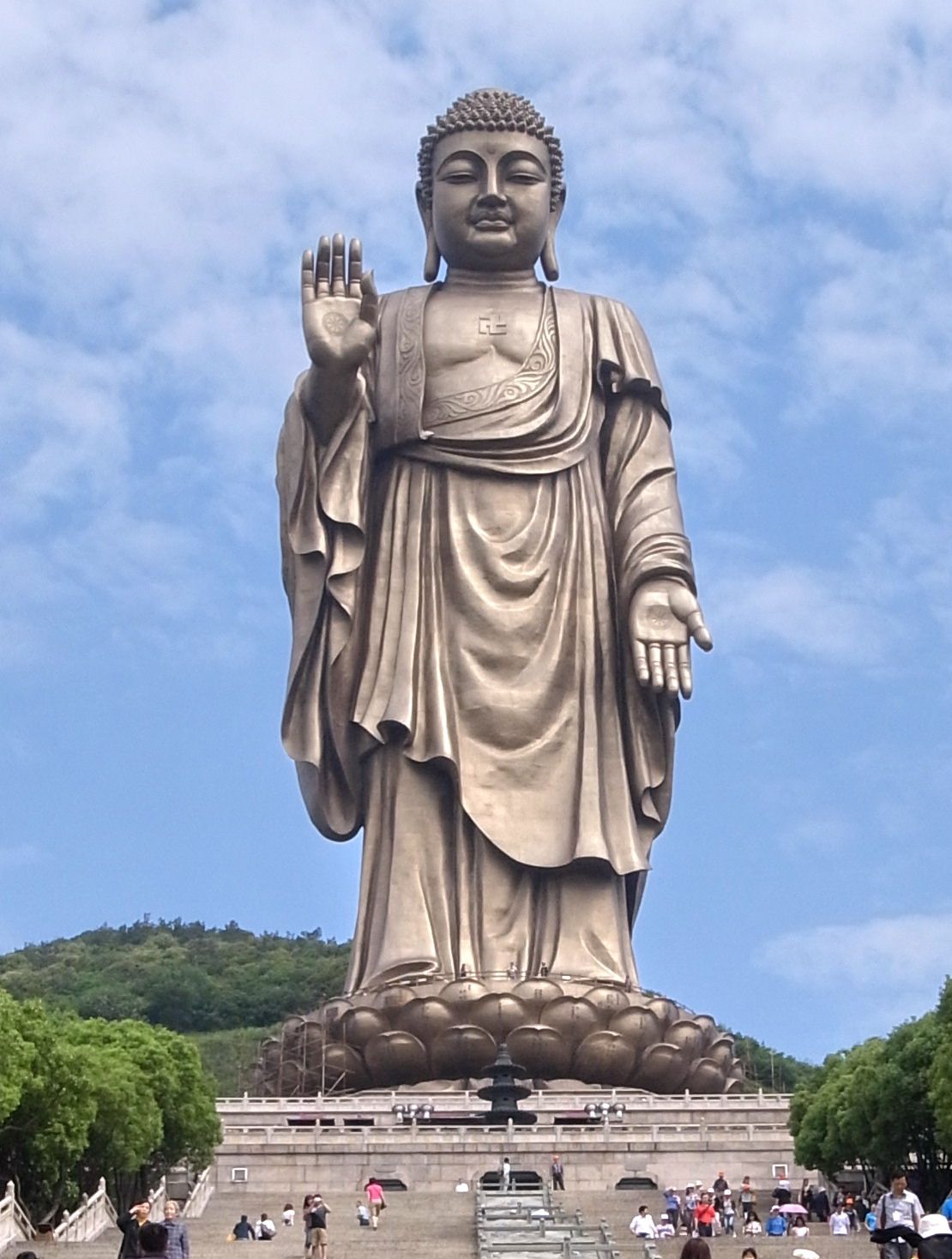
The 88-meter LingShan Grand Buddha rises above Lake Tai’s western shore.
When to go, season by season
Spring (late March to May) is Wuxi’s showcase season: the cherry blossom peaks in late March and early April at Turtle Head Isle, the gardens fill with green, and the weather is mild. It is also the busiest — book hotels early and arrive at the sights before opening. Summer (June to August) is hot and humid, but the lake breeze and early mornings keep it bearable, and the canal quarter comes alive at night. Autumn (October to November) is the other sweet spot: clear skies, crisp air, and the lake at its most photogenic, with the Lingshan complex at its best in golden-hour light. Winter (December to February) is cold and damp, and the lake looks grey, but crowds vanish and the gardens, with their bare cypress and quiet ponds, take on a completely different, contemplative character.
Where to stay and eat
Base yourself in one of two places. Downtown Wuxi, around the metro hub and the canal quarter, is the practical choice — close to the Grand Canal, the Huishan district, and the high-speed rail station, with the broadest range of hotels and restaurants. Near Turtle Head Isle and Li Lake, you get resort-style hotels with lake views and easy access to the peninsula, at a higher price — worth it if the lake is your priority.
Wuxi’s food is a talking point in its own right: this is where Jiangsu cooking goes sweet. Start with Wuxi spare ribs — short ribs braised until glossy and lacquered in a sweet soy glaze — and a basket of xiaolongbao that are rounder and sweeter than Shanghai’s. Around the lake, the “three whites” (whitebait, white shrimp, white fish) appear steamed or in soup; try them in a lake-view restaurant on Turtle Head Isle. The canal quarter’s night market covers street snacks, and Huishan is known for its tofu puffs and clay-oven bread. If sweet mains aren’t your thing, order vegetables and a clear soup to balance the table.
A realistic budget
Wuxi is mid-priced for the delta — cheaper than Shanghai, comparable to Suzhou. Hotels: mid-range downtown hotels run about ¥300–500 per night; lake-view and resort rooms start around ¥600–900. Sights: the main ones are pricey — Turtle Head Isle about ¥90–120, Jichang Garden about ¥70, the Lingshan complex about ¥200+ — so budget ¥400–500 in entry fees over two days. Food: a bowl of noodles ¥15–25, a sit-down meal with a lake view ¥80–150 per person. Transport: the metro is a few yuan per ride; taxis and Didi across town ¥20–60. A realistic 2-day budget for one person, excluding hotels and long-distance rail, is about ¥700–1,100. All figures are planning estimates — prices change, so confirm current rates on booking platforms.
Practical tips
- Use the metro — lines 1, 2 and 3 cover the station, the downtown, and reach toward the lake district; see our China metro guide for the system-wide picture.
- Book trains ahead — Shanghai–Wuxi and Suzhou–Wuxi trains are frequent but fill on weekends; our guide to buying train tickets with a foreign passport covers the process.
- Time the lake for sunset — the single best moment in Wuxi is the sun going down over Taihu from Turtle Head Isle; plan the day around it.
- Pay and data — set up Alipay and an eSIM before you arrive.
Combining Wuxi with the region
Wuxi sits on the natural Shanghai–Suzhou–Hangzhou circuit — see our 5-day route — and fits neatly as a day or two on a Yangtze delta trip. It is a 20-minute hop from Suzhou (Suzhou guide), about 40 minutes from Shanghai (Shanghai guide), and pairs with Nanjing to the west. For a broader plan, the Jiangsu guide ties the province’s highlights together: Nanjing’s imperial history, Suzhou’s gardens and canals, and Wuxi’s lake country. Because the cities are so close, you can base in Shanghai or Suzhou and take Wuxi as a day trip — but a night beside the lake is the way to actually feel it.
Last updated: August 2026. Check current tickets, opening hours and prices — confirm before you go.
Frequently Asked Questions
Is Wuxi worth visiting if I'm already going to Suzhou?
Yes, if you love gardens and lakes. Suzhou is the city of canals and classical gardens; Wuxi is the city of Lake Tai — open water, cherry blossom in spring, and a lake culture Suzhou doesn't have. The two are only about 20–30 minutes apart by high-speed rail, so many travelers do Suzhou by day and Wuxi's lake district as a separate day trip.
When is the cherry blossom at Turtle Head Isle?
The Sakura Valley at Yuantouzhu (Turtle Head Isle) blooms through late March and early April, with a festival at its peak. It is one of China's best-known cherry-blossom spots and gets very crowded at weekends — arrive at opening time or visit on a weekday. Outside spring, the peninsula is still the classic place to watch the sun set over Lake Tai.
Can I do Wuxi as a day trip from Shanghai?
Technically yes — high-speed rail puts you in central Wuxi in about 40 minutes. But it's a long day: the lake district, the gardens and the Grand Buddha are far apart, and each deserves time. A one-night or two-night stay lets you catch the lake at sunset and morning, which is when it's at its best. It pairs naturally with a Shanghai–Suzhou–Hangzhou route.
What makes Wuxi food different?
Wuxi is famous across China for the sweetest food in Jiangsu. The signature dishes are Wuxi spare ribs (glossy, sweet-braised pork ribs) and sweeter-than-Shanghai xiaolongbao dumplings. Around the lake, the 'three whites' — whitebait, white shrimp and white fish — are the local delicacies. If you're not used to sweet-savory mains, order a savory vegetable dish alongside.
How do I get to the LingShan Grand Buddha?
The Grand Buddha sits on the western shore of Lake Tai, about 40 minutes from downtown Wuxi by taxi or Didi. There are also tourist shuttle buses from the city's main transit hubs. Allow half a day, and combine it with the adjacent Nianhua Bay themed town. The huge bronze statue and the Brahma Palace are the highlights — check the current ticket bundle before you go.
More in Jiangsu
Jiangsu Travel Guide (2026) — Jiangsu travel guide