
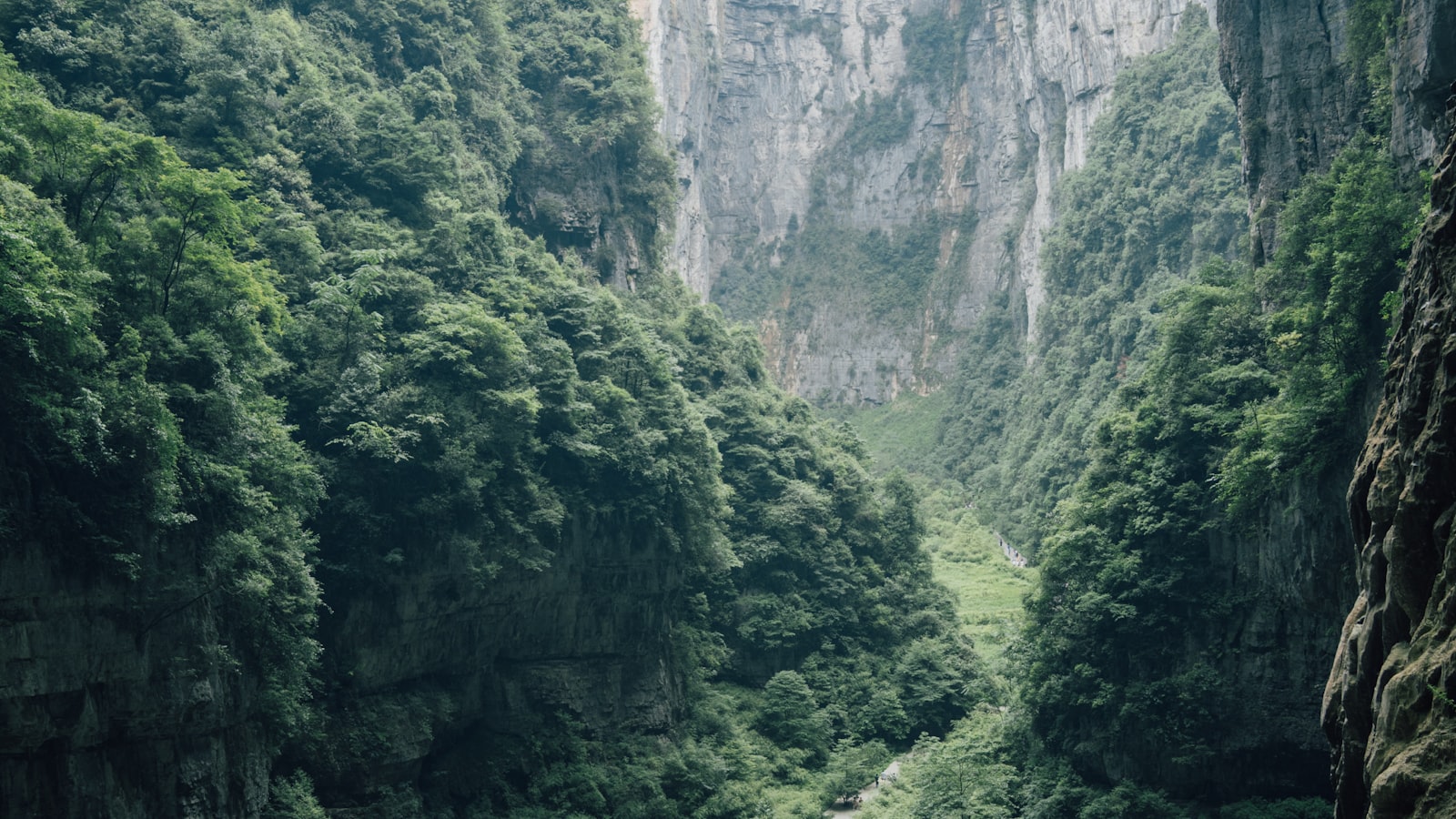
Nanning Travel Guide (2026): Green City & Gateway to Vietnam
Nanning, the 'Green City' of southern China — the parks, the Yong River, the Zhuang culture, and why it's the natural gateway to Vietnam and the Guangxi countryside.
OpenStreetMap Google Maps (opens externally)
Nanning is one of China’s most underrated capitals — a lush ‘Green City’ of parks and tree-lined streets, with the strong Zhuang culture of Guangxi and a front-row seat on the road to Vietnam. Here’s how to visit it.
Most travelers pass through Nanning without stopping — it’s the rail hub on the way to Guilin, the border, or Vietnam. But the city itself rewards a pause: it’s one of China’s greenest capitals, with genuine parkland in the middle of town, a relaxed subtropical pace, and a distinct regional character as the capital of the Zhuang autonomous region. This guide covers the highlights and how to make the most of a day or two.
The essentials
- Days needed: 1–2 days, or a stop on a Guangxi–Vietnam route.
- Getting there: high-speed rail from Guilin (~2h) or Guangzhou (~3h); the rail to Hanoi departs from here.
- Best season: October–March; April for the Zhuang song festival.
- Nickname: the ‘Green City’ — one of China’s greenest capitals.
What to do
- Qingxiu Mountain — the big green park on the city’s edge, with temples, viewpoints and walking trails. The morning is best, before the heat and the crowds.
- The Yong River — the riverfront promenades, the bridges and the evening lights; the city’s natural heart.
- The Guangxi Museum of Nationalities — the best introduction to the Zhuang and the other Guangxi peoples, with costumes, music and the region’s culture.
- Minzu Square — the city’s central plaza, with the statue and the fountains, lively in the evenings.
The city is compact and walkable, and its green character makes the exploring pleasant — this is a place where the parks are the point, not an afterthought.
The Zhuang culture
Nanning is the capital of Guangxi, the Zhuang autonomous region — the Zhuang are China’s largest minority group, and their culture is woven through the city. The Guangxi Museum of Nationalities is the best single introduction: the costumes, the silver jewelry, the music and the festivals. If you can time a visit to the Zhuang song festival in April, you’ll catch the region’s most colorful celebration, with singers, costumes and markets. For travelers interested in China’s minority cultures, Nanning is a gateway to that world.
The green city, in depth
Nanning’s nickname isn’t marketing — it’s one of China’s greenest capitals, and the greenery is part of the experience. Qingxiu Mountain is the centerpiece: a large, forested park on the city’s southeastern edge, with Buddhist and Taoist temples, pavilions, and viewpoints over the city and the river.
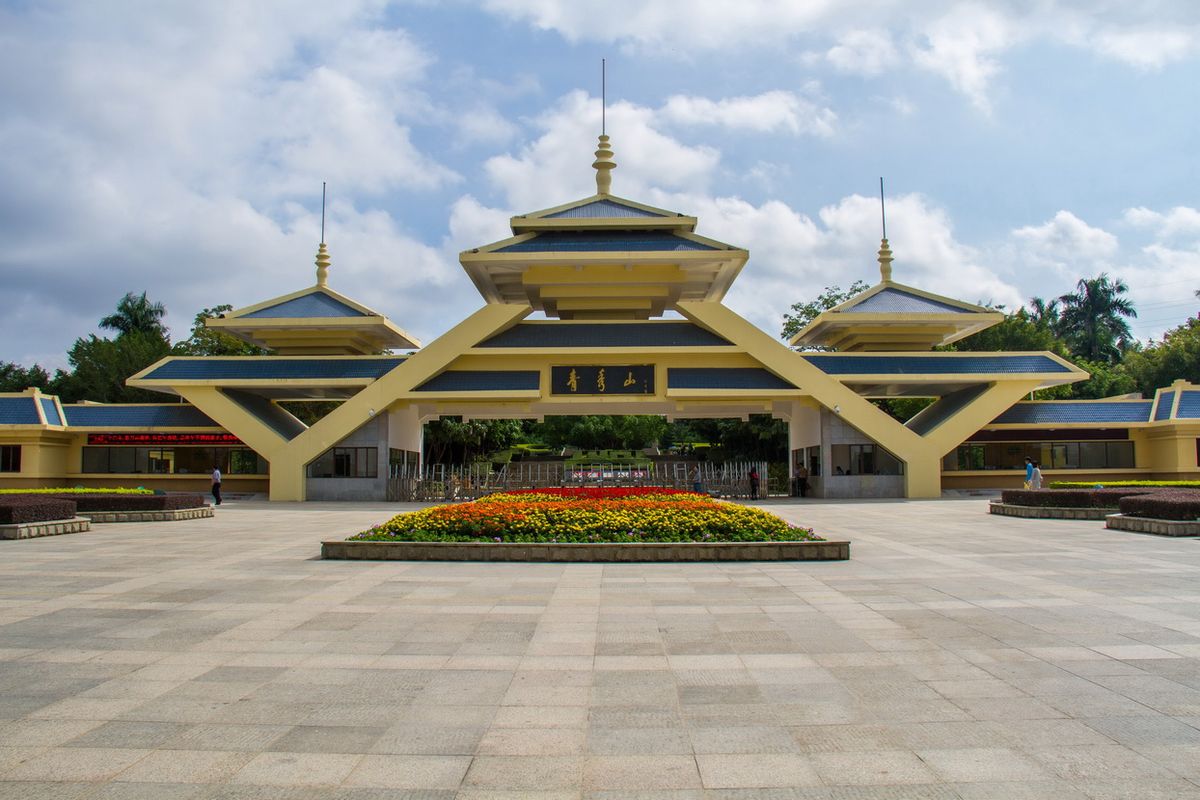
Qingxiu Mountain, Nanning’s largest green park, rises above the city with temples and viewpoints along the way.
The climb is gentle and the shade makes it pleasant even in the warm months; allow a half-day for the main loop, or longer if you want the quieter trails. Beyond Qingxiu, the city’s tree-lined streets, the lakes and the riverside parks give it a genuinely relaxed, subtropical character — closer in feel to Southeast Asia than to the dense cities of northern China. The Yong River runs through the heart of it all, and the riverside promenades are the city’s evening gathering place.
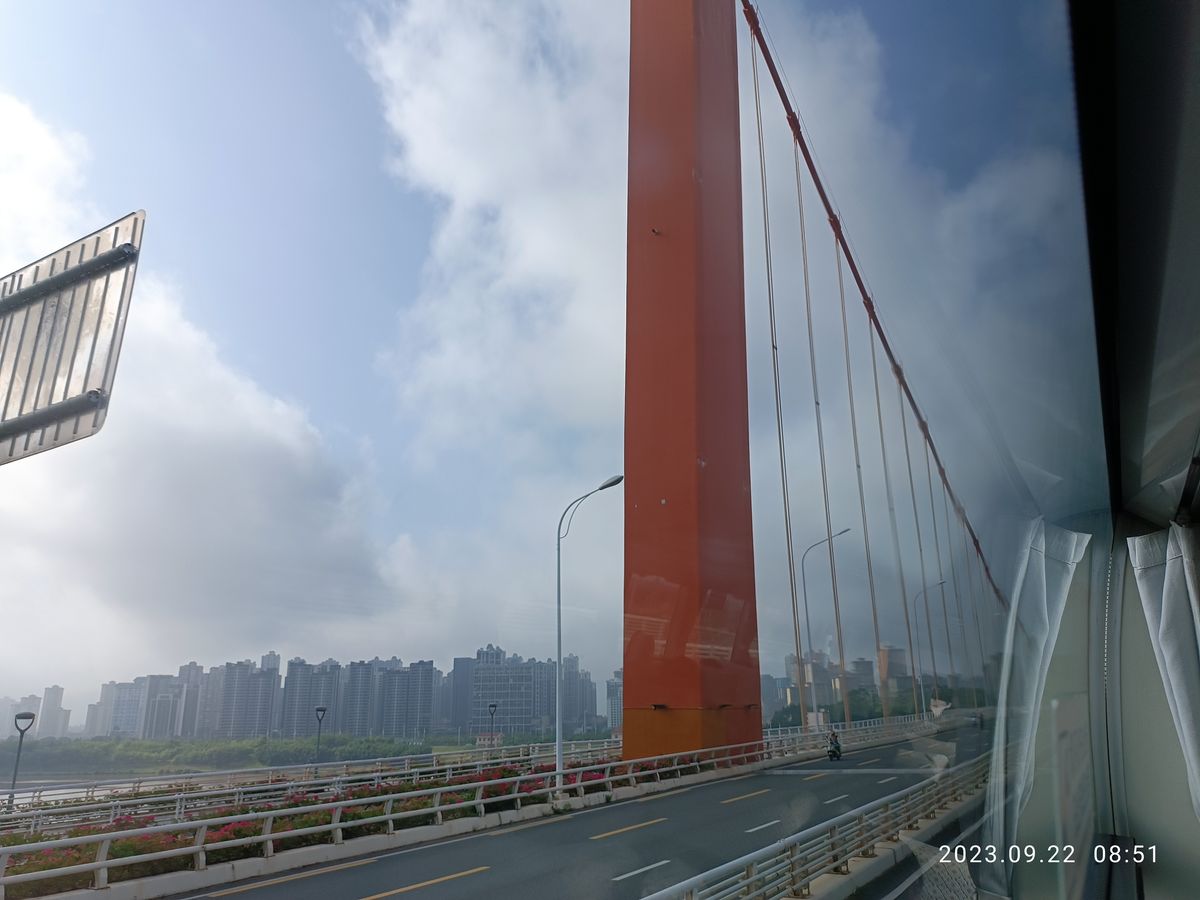
The Yong River runs through Nanning, with promenades and bridges that come alive in the evening.
The food
Guangxi cuisine is distinct and underrated, and Nanning is where to try it. The regional specialty is rice noodles (mifen) — the base of dishes like laoyou fen (a sour, stir-fried noodle dish) and the various rice-noodle soups that locals eat for breakfast and beyond. The city is also known for its tropical fruit (it’s far enough south for mangoes, lychees and more), its seafood, and the Zhuang and other minority influences that make the food different from Cantonese cooking to the east. The night markets and the food streets are the places to eat — follow the locals, and eat often.
A budget for Nanning
Rough guidance (per person, CNY, prices change): Qingxiu Mountain entry about ¥20–30; the museum free or minimal; meals ¥30–60; metro rides ¥2–6; mid-range hotels ¥250–500 a night; HSR from Guilin about ¥130–150. A comfortable day in Nanning — sights, food and transport — typically runs ¥150–300 per person; with a hotel, ¥400–700. It’s an affordable city, and the low cost of the food and the sights makes a relaxed visit easy.
A suggested day
- Morning: Qingxiu Mountain — the green park, the temples and the views over the city.
- Late morning: the Guangxi Museum of Nationalities — the Zhuang culture and the region’s peoples.
- Afternoon: a walk along the Yong River and through the old streets.
- Evening: Minzu Square and a local dinner — Guangxi food is distinct, with rice noodles and the region’s flavors.
The gateway to Vietnam
For many travelers, Nanning’s real value is as the launch pad south. The railway to Hanoi departs from here, making it the classic overland route into Vietnam. The Detian Waterfall — one of Asia’s most spectacular border waterfalls, shared with Vietnam — is a few hours away, and the border towns and the Zuo River countryside are within reach. See our Guangxi guide for the wider region, and our Guangzhou guide for the connection east.
Common mistakes to avoid
- Skipping the city entirely — many travelers change trains in Nanning without a look; a day here is genuinely worth it, especially with the green parks and the food.
- Going to Qingxiu in the midday heat — the summer afternoons are hot and humid; the morning is the comfortable window.
- Missing the museum — the Guangxi Museum of Nationalities is one of the best minority-culture museums in China; it’s easy to overlook and it’s the key to understanding the region.
- Not planning for Vietnam — if you’re heading south, the train to Hanoi needs booking ahead; don’t assume walk-up availability.
- Rushing it — Nanning is a slow city; a rushed half-day misses the relaxed character that’s its appeal.
Combining with the region
Nanning works best as part of a larger southern route: Guilin → Nanning → the border/Vietnam is the classic progression. From Guilin’s karst, the rail brings you to Nanning for a day or two, then onward to the Detian Waterfall and the border, or across into Vietnam by train. It also connects east to Guangzhou and the Pearl River Delta. See our Guangxi guide for the wider region, and our train guide for booking the long-haul rail.
Practical notes
- Getting around: the metro is easy and the city is walkable; taxis and ride-hailing for the outskirts.
- Best season: October–March; April for the festival, summer hot and humid.
- Get connected: set up Alipay and an eSIM before you arrive.
The bottom line
Nanning is the ‘Green City’ — a relaxed, underrated capital that rewards a day or two with its parks, its river and its Zhuang character, and that opens the door to Vietnam and the Guangxi countryside beyond. It’s not a headline destination, but it’s a genuinely pleasant one — a city that rewards slowing down, and for travelers heading south toward Vietnam and the border country, it’s the natural first step and an easy, welcoming one.
Prices and times as of August 2026 — confirm current tickets and opening hours before you go.
Frequently Asked Questions
Why is Nanning worth visiting?
Nanning is one of China's most underrated capitals — a lush, subtropical 'Green City' that's genuinely pleasant to walk, with big parks, a relaxed pace and the strong Zhuang culture of Guangxi. It's also the natural gateway to Vietnam and the borderlands, and a practical stop between Guilin's karst and the road south. It's not a headline-sights city — it's a comfortable, interesting pause with a local feel.
What is Nanning known for?
Three things: its **green spaces** (it's one of China's greenest capitals, with big city parks and tree-lined streets), its **Zhuang culture** (Nanning is the capital of Guangxi, the Zhuang autonomous region, and hosts the annual Zhuang song festival), and its position as the **gateway to Vietnam** — the railway south to Hanoi starts here, making it a natural hub for an overland Southeast Asia trip.
What are the top sights in Nanning?
The standouts: **Qingxiu Mountain** (the big green park on the city's edge, with temples and viewpoints), **the Yong River** (the riverfront promenades and the evening lights), the **Guangxi Museum of Nationalities** (the best introduction to the Zhuang and the other Guangxi peoples), and **Minzu Square** (the city's heart, with the statue and the fountains).
How many days do I need in Nanning?
**One day** covers the essentials — Qingxiu Mountain in the morning, the museum and the river in the afternoon. **Two days** lets you slow down and add the city's other parks and markets. It works well as a day-or-two stop on a Guangxi route or as the launch pad for a trip to Vietnam, which is where many travelers actually use it.
Is Nanning good as a base for the region?
Yes — Nanning is the practical hub for **southern Guangxi and the Vietnam border**. From here you can reach the Detian Waterfall (the spectacular border waterfall with Vietnam), the Zuo River villages, and the border towns, or take the railway south to Hanoi. It's also on the high-speed rail network, connecting to Guilin and Guangzhou. See our [Guangxi guide](https://chinotrips.com/guangxi/) for the wider region.
How do I get to Nanning?
**High-speed rail** connects Nanning to Guilin (about 2 hours), Guangzhou (about 3 hours) and other major cities. There's also an international airport with flights from across China and Southeast Asia. The railway to **Vietnam** (the T8701 to Hanoi) departs from here, making it the classic overland route south. Book rail with your passport — see our [train guide](https://chinotrips.com/how-to/train-tickets/).
When is the best time to visit Nanning?
**October to March** is the sweet spot — the subtropical city is most comfortable in the cooler months, with the autumn dry season and mild winters. **April** brings the Zhuang song festival (the region's big cultural event). **Summer** is hot and humid with rain, though the city's greenery is at its lushest. Avoid the peak summer heat if you can.
More in Guangxi
Guangxi Travel Guide (2026) — Guangxi travel guide