
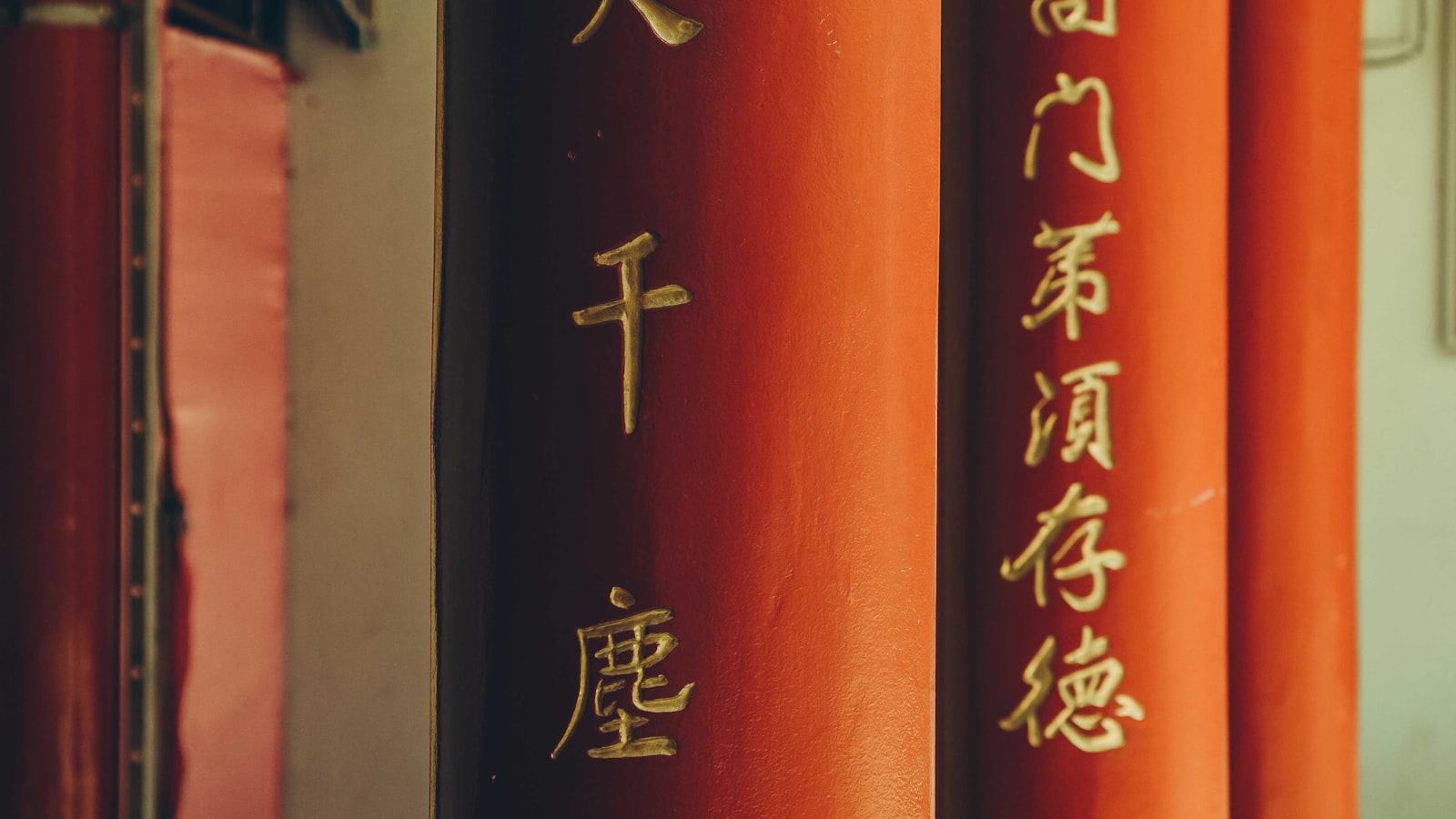
Qufu Guide (2026): The Home of Confucius & the Kong Family
Qufu, the birthplace of Confucius — the Temple of Confucius, the Kong Mansion and the Kong Family Cemetery, the UNESCO site, and how to plan a visit.
Qufu, Shandong, China
Open an external map for this location.
OpenStreetMap Google Maps (opens externally)
Qufu is the birthplace of Confucius and the seat of his family for 2,500 years — the most important site in the Confucian tradition, and a quieter, more contemplative stop than the headline sights.
Confucius shaped China more than any other thinker — his philosophy of harmony, family and learning became the foundation of East Asian civilization for over two millennia. Qufu, his birthplace, is where that story began: the grand temple built in his honor, the mansion of his descendants, and the cemetery where he and his family have been laid to rest for 2,500 years. Together they form a UNESCO World Heritage site and one of the most meaningful visits in China.
The three Kong sites
- The Temple of Confucius — the vast complex of halls, courtyards and ancient cypresses built to honor the philosopher; one of China’s great architectural ensembles.
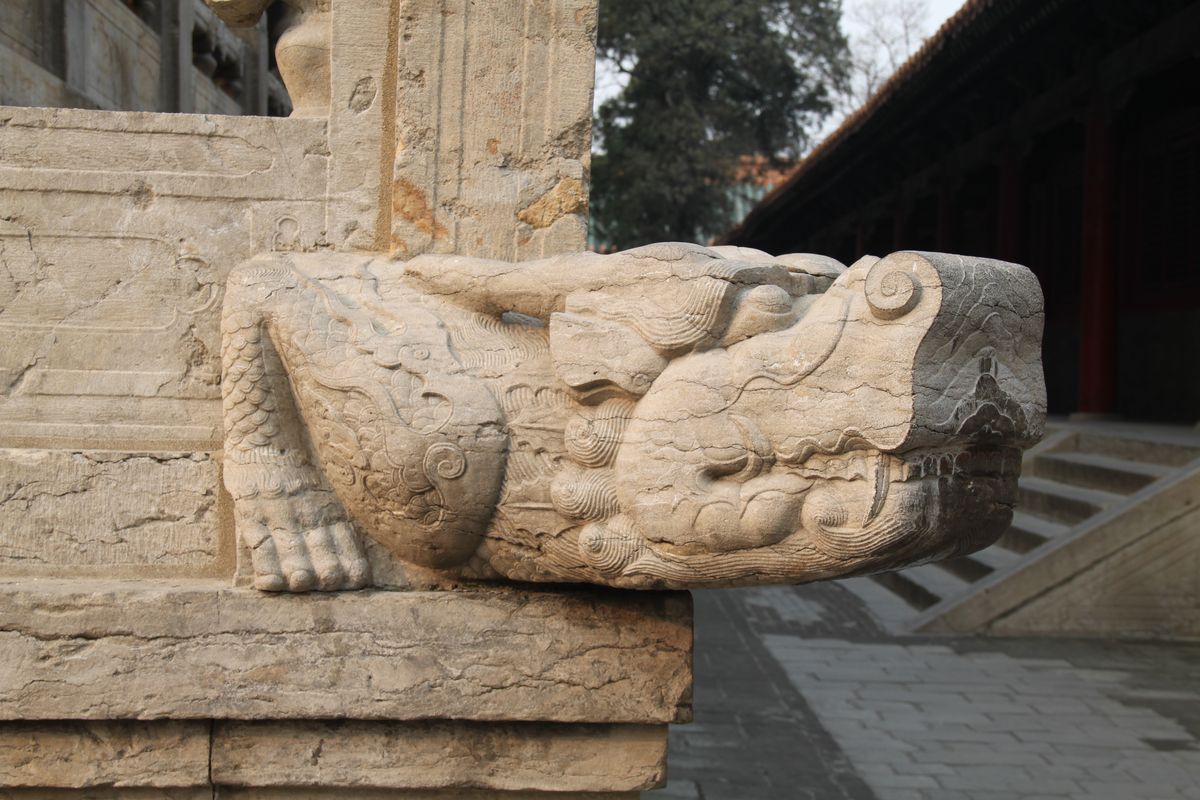
The courtyards and ancient cypresses of the Temple of Confucius in Qufu.
- The Kong Mansion — the residence of Confucius’s descendants, a vast traditional house complex that was a family seat for over two millennia.
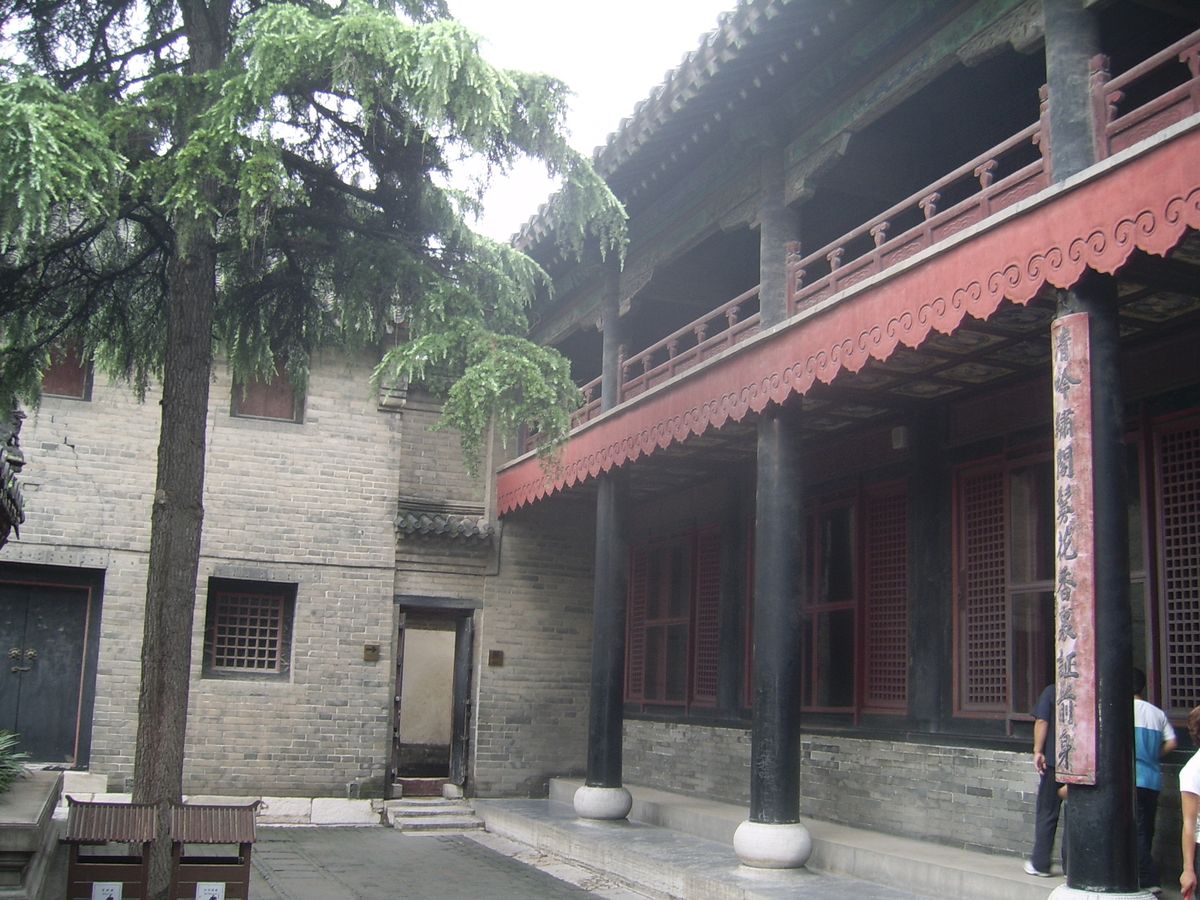
The Kong Mansion, the vast family residence of Confucius’s descendants in Qufu.
- The Kong Family Cemetery — the resting place of the philosopher and thousands of his descendants, with ancient trees and stone paths.
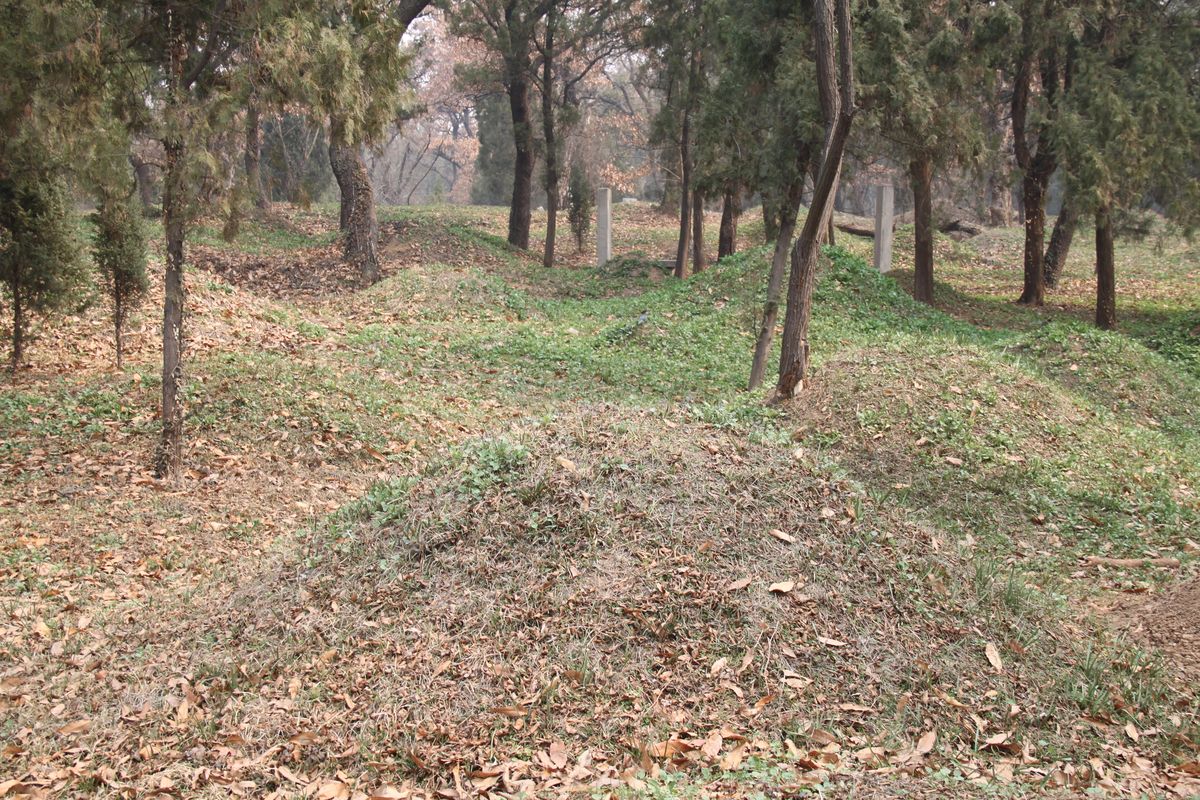
The tree-shaded Kong Family Cemetery, resting place of Confucius and his descendants.
The three sites together tell the story of a family and a philosophy that shaped a civilization.
A day in Qufu
- Morning — the Temple of Confucius, when the light is best on the halls; allow a couple of hours.
- Afternoon — the Kong Mansion, then the Kong Family Cemetery; the family story and the resting place.
- The town — compact and walkable, with the sites close together and a pleasant old-town feel.
This rhythm covers the three sites in a single, unhurried day.
The deeper meaning
Qufu rewards a little background. Confucius’s teaching — harmony, ritual, family, the cultivation of virtue — became the moral foundation of China, Korea, Japan and Vietnam. The temple’s endless courtyards, the mansion’s hundreds of rooms and the cemetery’s 2,500 years of graves are the physical record of that influence. Walking them is walking through the heart of the Confucian tradition — and a visit here casts a light on the whole country you’re traveling through.
Practical notes
- Getting there — high-speed rail from Beijing, Jinan or Shanghai; about 30 minutes from the station to town.
- Getting around — the town is compact and walkable; taxis and ride-hailing are easy for the station.
- Best season — spring and autumn; the summers are hot, the winters cold.
- Get connected — set up Alipay and an eSIM for tickets and payment.
Combining Qufu with the region
Qufu sits at the heart of Shandong, and it pairs naturally with a Shandong route: Jinan (the spring city), Tai’an and Mount Tai (the sacred peak), Qufu, and the coastal cities of Qingdao and Weihai. See our Shandong guide and Shandong coastal route for the full picture. It’s a route through the home of China’s philosophy, its sacred mountains and its modern coast.
The Temple of Confucius in depth
The Temple of Confucius is the largest and most important temple dedicated to the philosopher in China, and walking it rewards a little patience. It grew over more than two thousand years: from a simple shrine built shortly after Confucius’s death, it was expanded by emperors of nearly every dynasty, so that the complex you see today layers Song, Ming and Qing additions into one vast arrangement of ceremonial gates, courtyards and halls. The Dacheng Hall, the main hall, is a masterpiece of traditional timber architecture — its stone columns carved with coiling dragons are among the finest carving in China, and the hall’s scale rivals the great halls of the imperial palaces. Throughout the complex you will find the stone steles that emperors left as marks of respect: hundreds of them, in the classical Chinese that a guide or translation app can help decode. And everywhere are the ancient cypresses, some said to be more than two thousand years old, planted so densely that they shade the courtyards into a green stillness. Plan at least two hours for the temple, and go early — the morning light on the halls and the relative quiet are the best of the day.
The Kong family: a brief history
The story behind the sites is as remarkable as the buildings. Confucius (551–479 BC) was born in the state of Lu, whose capital stood at modern Qufu, and his descendants never left. The Kong family became the best-documented lineage in Chinese history: with the adoption of Confucianism as the state ideology, the family was ennobled, and the hereditary title of Duke Yansheng was passed down through the generations, making the Kongs the only aristocratic family to survive continuously from ancient times to the modern era. The Kong Mansion, where the dukes and their households lived, grew into a complex of hundreds of rooms — official quarters, family courtyards, gardens and kitchens — that functioned as a small self-contained world. The cemetery, to the north, holds the graves of Confucius himself and, over the centuries, tens of thousands of descendants, laid out in a vast tree-filled expanse. This continuous lineage is what makes Qufu unique: it is not a memorial built later by strangers, but the unbroken home of the philosopher’s own family.
Budget and practicalities
Qufu is a modest and inexpensive city. The combined ticket for the three Kong sites runs roughly 140 RMB, a good local meal about 40–70 RMB per person, and a comfortable hotel near the old town typically 200–350 RMB a night. The sites are walkable from the center, and taxis or ride-hailing handle the station transfer and anything farther. Allow comfortable shoes above all — the temple and the cemetery are large walking sites, and the total day involves several kilometers on foot. Set up Alipay and an eSIM before you arrive so you can buy tickets by QR code, pay at the small restaurants, and use a translation app for the steles and signage. English signage is limited, so a guidebook entry on Confucius or a downloaded summary makes the visit far richer.
Common mistakes to avoid
The most common mistake is underestimating the walking: the temple alone is a large complex, and adding the mansion and the cemetery without comfortable shoes and a plan turns the day into a slog. A second is skipping the background — without knowing what Confucius taught and why it matters, the courtyards can blur into beautiful but undifferentiated architecture, so read a little in advance or hire a guide at the gate. A third is trying to pair Qufu with Mount Tai in a single rushed day; both deserve their own time, and a morning on one and an afternoon on the other shortchanges both. Finally, do not skip the cemetery: many visitors treat it as an afterthought, but the quiet, tree-shaded expanse is often the most atmospheric part of the visit. Go in the late afternoon, when the light and the stillness are at their best.
The bottom line
Qufu is the birthplace of Confucius and the seat of his family for 2,500 years — the Temple, the Mansion and the Cemetery forming one of the most meaningful sites in China. Spend a day walking the ancient courtyards, and you’ll come away with a deeper understanding of the philosophy that shaped the country you’re exploring.
What to eat in Qufu
Qufu is in Shandong, and the food is the robust, wheat-based cooking the province is known for. The local specialty is “Kong family cuisine” — the elaborate banquet tradition said to have developed for the feasts of Confucius’s descendants, which survives in a few upmarket restaurants in town. For everyday eating, look for hand-pulled noodles, steamed buns (mantou), Shandong-style braised dishes and the province’s famous pancakes rolled around green onions with sweet bean paste. Qufu is also a good place to try stuffed pancakes and sesame cakes from street stalls, and the region’s wine that the local vineyards have produced for decades. Meals are inexpensive — a solid lunch is usually 40–70 RMB per person — and many small restaurants have picture menus, so ordering without Chinese is manageable with a translation app.
When to go, season by season
Qufu’s climate is the classic north-China pattern of hot summers and cold winters, which makes the transition seasons the clear winners. Spring (March–May) is mild and green, with the temple’s ancient cypresses at their freshest and comfortable walking weather — the best time for the cemetery, which is a large open-air site. Autumn (September–November) is equally good, with clear light on the halls and cooler temperatures for the long walks; this is when many domestic tourists visit, so book accommodation ahead on weekends. Summer (June–August) is hot and humid, and the large open courtyards of the temple and the cemetery can be draining by midday; go early and carry water. Winter (December–February) is cold but quiet and atmospheric — the temple in a light snow is a memorable sight, and the town is far less crowded. Whichever season you choose, the practical rhythm is the same: temple in the morning, mansion and cemetery in the afternoon.
Last updated: August 2026. Opening hours and ticket rules change — confirm current details before you go.
Frequently Asked Questions
What is Qufu known for?
Qufu is the **birthplace of Confucius** (551–479 BC), China's most influential philosopher, and the seat of his descendants for over 2,500 years. It's home to the three great Kong sites — the **Temple of Confucius**, the **Kong Mansion** (the family residence) and the **Kong Family Cemetery** — which together form a UNESCO World Heritage listing. For anyone interested in Chinese philosophy, history or culture, it's a meaningful and rewarding visit.
Is Qufu worth visiting?
Yes — it's the single most important place for understanding Confucianism, the philosophy that shaped China and East Asia for over two millennia. The Temple of Confucius is one of China's great ancient architectural complexes, the Kong Mansion is a remarkably preserved family seat, and the cemetery is the resting place of the philosopher and his descendants. It's a quieter, more contemplative stop than the headline sights, and it pairs naturally with a Shandong route.
What are the three Kong sites?
The **Temple of Confucius** — the grand complex of halls, courtyards and ancient trees built to honor the philosopher, one of China's finest architectural ensembles. The **Kong Mansion** — the residence of Confucius's descendants, a vast traditional house complex with hundreds of rooms. The **Kong Family Cemetery** — the resting place of the philosopher and thousands of his descendants, with ancient trees and stone paths. Together they form a UNESCO World Heritage site.
How do I get to Qufu?
**High-speed rail** connects Qufu to Beijing, Jinan, Shanghai and other cities, with a station about 30 minutes from town. It's a natural stop on a **Shandong route** — Jinan, Tai'an (Mount Tai), Qufu and Qingdao are the classic sequence. See our [Shandong guide](https://chinotrips.com/shandong/) and [Shandong coastal route](https://chinotrips.com/itineraries/coastal-shandong-route/) for the wider picture.
How much time do I need in Qufu?
**One full day** covers the three Kong sites comfortably — the Temple in the morning, the Mansion and the Cemetery in the afternoon. It's a compact, walkable town, and the sites are close together. A **half day** is possible on a tight route but feels rushed; a full day lets you absorb the atmosphere of the most important philosophical site in China.
Is the Temple of Confucius impressive?
Very — it's one of the great ancient architectural complexes in China. The temple grew over centuries into a vast arrangement of halls, courtyards and ceremonial gates, shaded by ancient cypresses and filled with stone steles. The scale and the stillness are remarkable, and the sense of walking through the heart of Confucian tradition is powerful. It's quieter and more contemplative than the palace museums, and all the more memorable for it.
What should I know before visiting the Confucius sites?
Wear comfortable shoes — the temple and the cemetery are large walking sites. Allow the morning for the temple (its best time, with the light on the halls), the afternoon for the mansion and the cemetery. The town is compact and the sites are close. And bring an open mind — this is the birthplace of the philosophy that shaped East Asia, and a little background before you go makes the visit far richer.
More in Shandong
Shandong Travel Guide (2026) — Shandong travel guide