
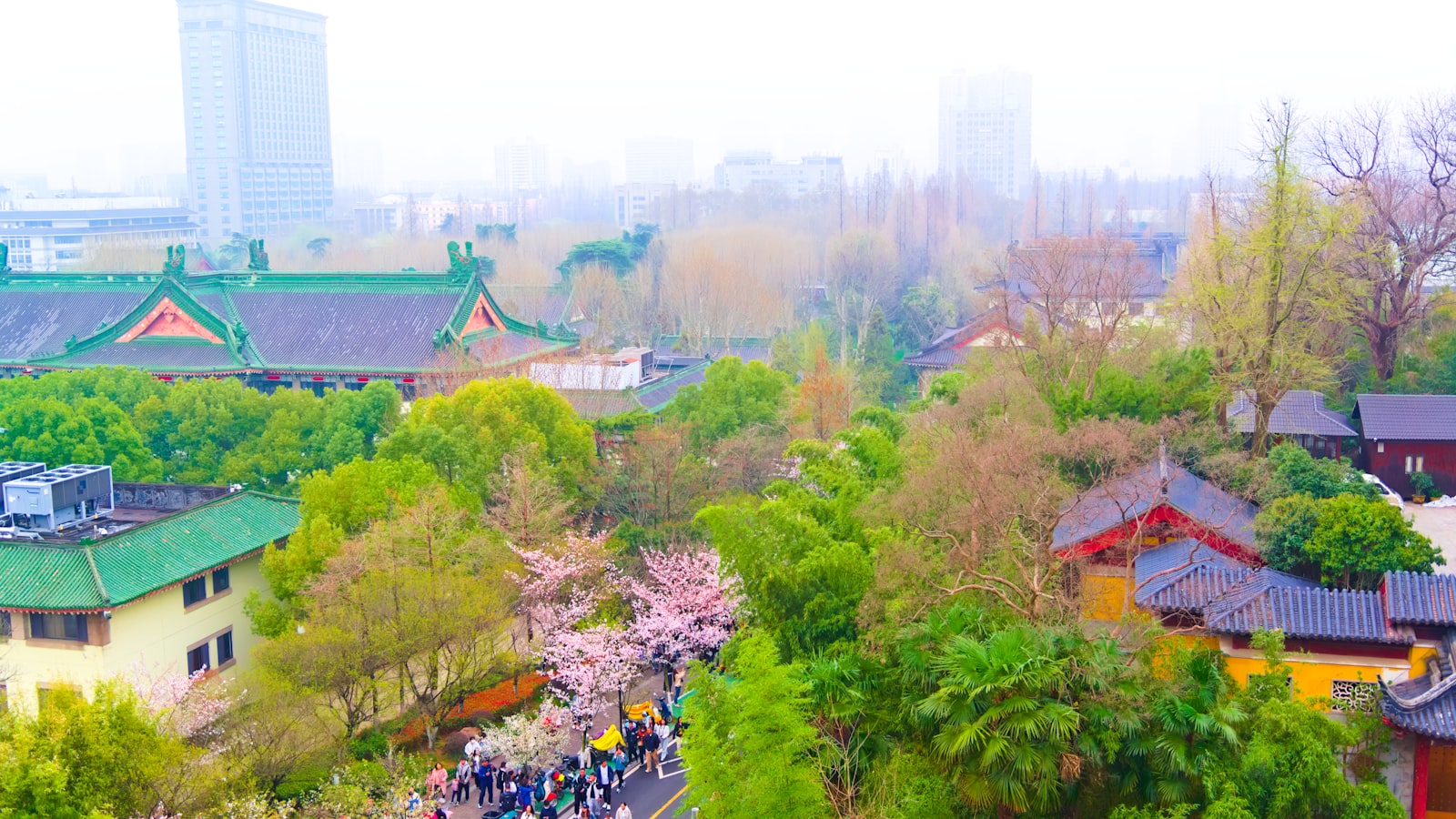
Jinan Guide (2026): Baotu Spring & the City of Springs
Jinan, Shandong's 'City of Springs' — Baotu Spring, Daming Lake, Thousand Buddha Mountain and a robust Shandong-cuisine food scene.
OpenStreetMap Google Maps (opens externally)
Jinan is the City of Springs — where a thousand-year-old artesian system bubbles up through the old town, from the roaring jets of Baotu Spring to the calm of Daming Lake, with Thousand Buddha Mountain watching from the south. Here’s how to plan it in 2026.
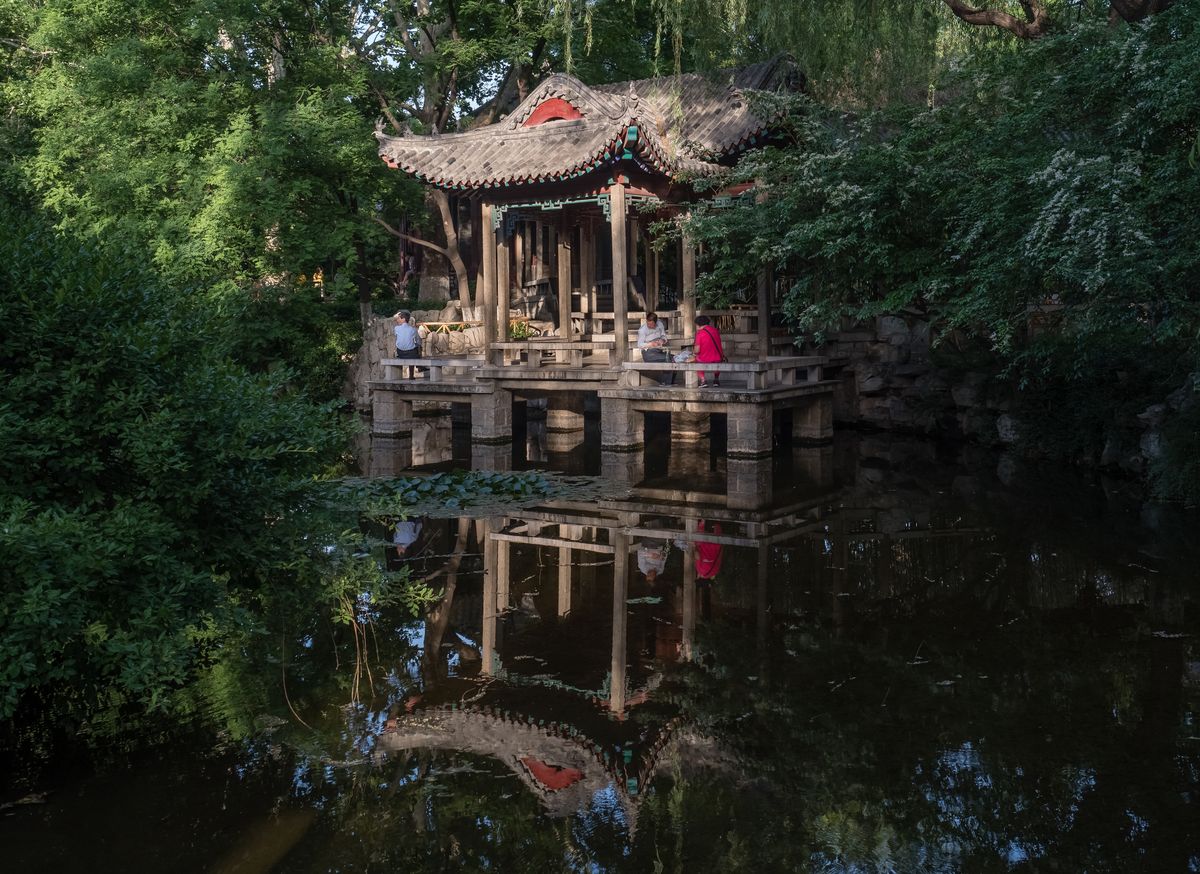
Baotu Spring in Jinan, the ‘Number One Spring Under Heaven,’ with its three churning jets.
The essentials
- Days needed: 2 days; a natural stop on a Shandong route.
- Getting there: high-speed rail from Beijing in about 1.5–2 hours, from Qingdao in about 1.5–2 hours, and from Qufu in about 30–40 minutes; Jinan Yaoqiang Airport (TNA) is about 40 minutes from the center.
- Best season: April–May and September–October, when the springs run high and the weather is mild.
- The story: Jinan’s springs are not decoration — they are the city. The water you see in the pools is the same water that fills local bottles, cools the summer streets, and has been written about by poets for over a millennium.
What to do
Start where Jinan starts: Baotu Spring Park, in the heart of the old city. Baotu is the most famous of the 72 celebrated springs — a wide, jade-green pool where three columns of water churn endlessly to the surface, giving it the title “Number One Spring Under Heaven.” The surrounding park holds side springs, pavilions and the memorial hall of the Song-dynasty poet Li Qingzhao, a Jinan daughter. It is the city’s essential sight, and the morning light on the pool is the classic image.
From Baotu Spring, follow the old-city waterways north to Daming Lake — a large, spring-fed lake ringed by willows, lotus and a remnant of the old city wall. A walk around its shore or a short boat ride is the most relaxed hour in Jinan; the lake is fed entirely by the same underground springs. On the way you will pass Black Tiger Spring, where locals queue with bottles to draw drinking water, and the Furong Street food lane — the old town’s culinary spine and the best place to eat your way through Shandong snacks.
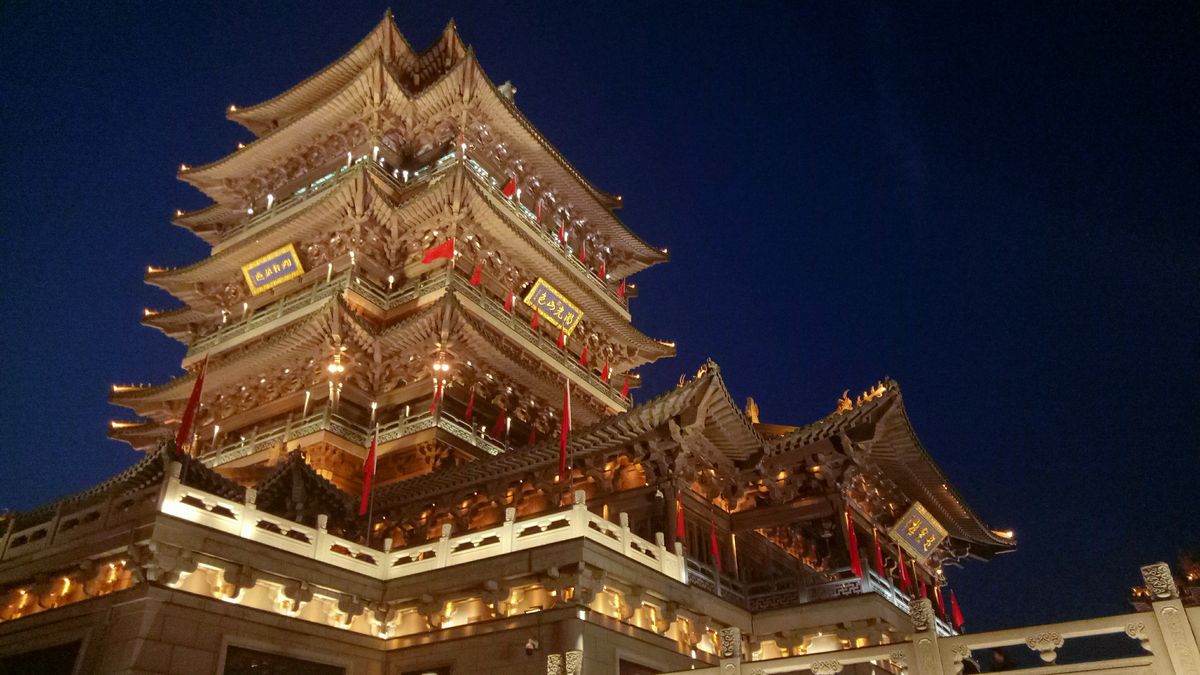
Daming Lake in Jinan — the calm, spring-fed heart of the old city.
Top sights
- Qianfo Mountain (Thousand Buddha Mountain) — the ridge south of the city, carved over the centuries with Buddhist grottoes and temples. The climb is gentle, and the summit view over Jinan, the springs and the plain beyond is the best in town. Combine it with the temple at the foot.
- Baotu Spring Park — see above; give it a generous hour and go early to beat the tour groups.
- Daming Lake — free to enter the lakeside park; boat rides and a few small attractions inside are ticketed. Sunset from the northeast shore is the classic moment.
- Wulongtan (Five Dragon Pool) — a quieter spring pool west of the old town, favored by locals for its carp, its tea houses and its calm.
- Shandong Museum — the province’s major museum, with strong collections on Shandong history, the Yellow River and Confucian culture. Free with a reservation.
- The Yellow River — a short taxi ride north of the city brings you to the great river; the Luokou Bridge area offers a practical glimpse of the Yellow River’s wide, silt-laden flow.
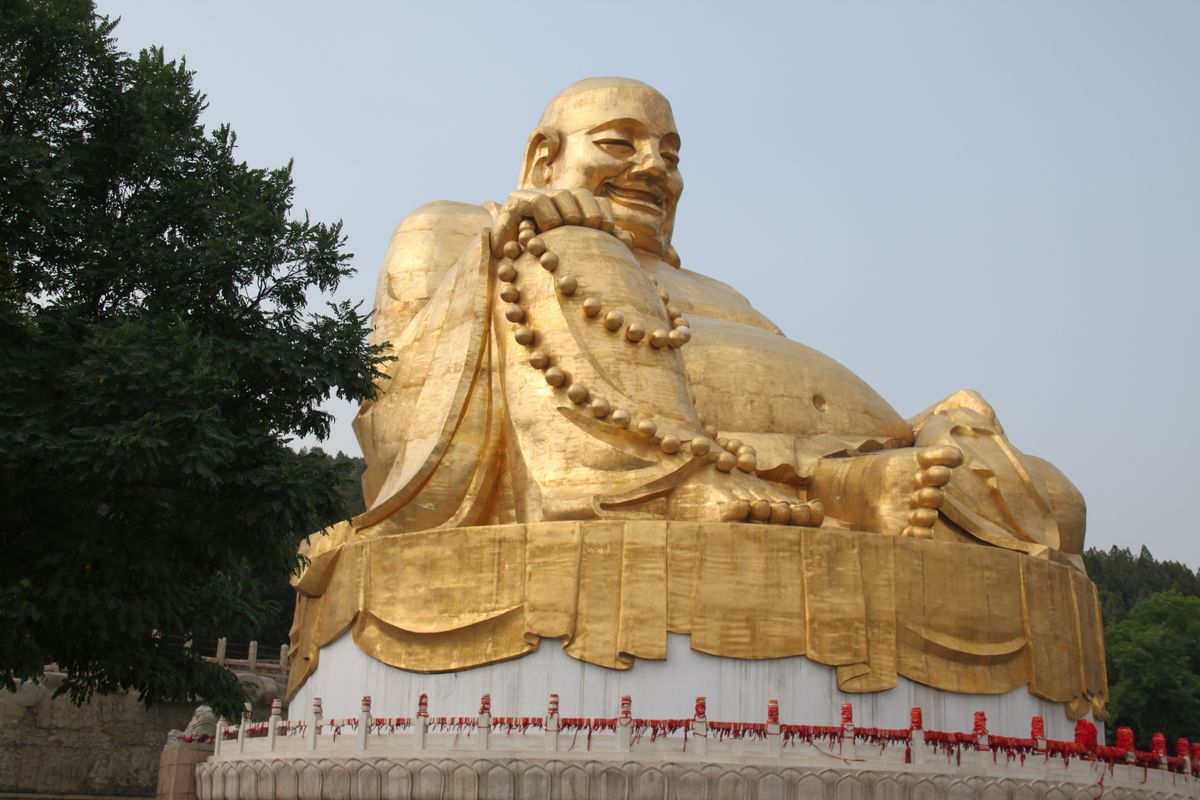
Thousand Buddha Mountain rises south of Jinan, with the city and springs below.
When to go, season by season
Jinan’s springs run strongest after rain, so the late-summer and autumn months are when they are at their most dramatic — but the city is pleasant in the shoulder seasons. April to May brings mild weather and fresh greens, with the springs high from spring rains. September to October is the classic window: clear skies, crisp air, and autumn light on the lake and the mountain. Summer (June to August) is hot — Jinan is one of the hotter cities of the north — but the springs and the shade of Daming Lake make the old town tolerable, and the lake’s lotus is in full flower. Winter (December to February) is cold and dry, the springs go quiet, and the leafless willows give the lake a stark, poetic mood — a fine season for the museums and the food. Whenever you visit, check the water level news; a good spring year makes Baotu noticeably more spectacular.
Where to stay and eat
Base yourself in the old town. The area around Baotu Spring and Daming Lake puts the springs, the food street and the lake all within walking distance, and is where most visitors should stay. The Quancheng Road pedestrian district, just east of the springs, has the widest range of mid-range and upscale hotels. Around Jinan West station (where most high-speed trains arrive) you get modern hotels and easy onward travel, at the cost of a longer ride to the old town.
Jinan food is Shandong cuisine — one of China’s eight great culinary traditions — and the city does it proudly. The signature plates are sweet-and-sour carp (often served standing upright in a frying pose), nine-turn braised intestine, and braised pork with rice (bazirou), the classic cheap eat. Breakfast is the time to look for youxuan — a flaky, layered spiral pastry — with tianmo, a savory millet porridge. On Furong Street, the lanes fill with skewers, dumplings and sweets; for a sit-down meal, follow the locals to a well-reviewed Lu-style restaurant and let the menu of the day guide you.
A realistic budget
Jinan is affordable for a provincial capital. Hotels: mid-range hotels in the old town run about ¥300–500 per night; budget guesthouses about ¥150–250. Sights: Baotu Spring around ¥40, Qianfo Mountain around ¥30, Daming Lake park free — total entry fees across two days roughly ¥100–150. Food: youxuan and street snacks ¥5–20; a proper Lu-style dinner ¥70–150 per person. Transport: the metro is a few yuan per ride; taxis and Didi across town ¥15–40. A realistic 2-day budget for one person, excluding hotels and long-distance rail, is about ¥500–900. All figures are planning estimates — prices change, so confirm current rates on booking platforms.
Practical tips
- Pair it with Qufu and Mount Tai — the high-speed rail makes Jinan, Qufu and Tai’an a tight loop; see the Qufu guide for the Confucius sites, and the Shandong guide for the full picture.
- Carry a bottle — locals drink the spring water; the taps at Black Tiger Spring and elsewhere are safe for locals but it’s wise to use your own filtered or bottled water for drinking.
- Book trains ahead — Jinan–Beijing and Jinan–Qingdao trains fill on weekends; our guide to buying train tickets with a foreign passport covers it, and the China metro guide explains the local system.
- Pay and data — set up Alipay and an eSIM before you arrive.
Combining Jinan with the region
Jinan is the natural hinge of a Shandong itinerary. It links the Confucius heartland to the south — Qufu is only half an hour away by rail — with the coastal cities to the east: Qingdao (Qingdao guide) and Weihai (Weihai guide) are the terminals of the Shandong coastal route. A classic week starts in Jinan with the springs, drops south to Qufu for the Temple of Confucius, then heads east along the coast for the beaches and beer of Qingdao. For travelers arriving from Beijing, Jinan is also the first natural stop south — two nights here, a day at Qufu, and you are set up for the whole province.
Last updated: August 2026. Check current tickets, opening hours and prices — confirm before you go.
Frequently Asked Questions
Why is Jinan called the City of Springs?
Jinan sits on a geological sweet spot: rain filters through the limestone massif of Mount Tai to the south, then rises back to the surface under pressure in the city itself. More than 700 springs have been recorded here, and about 72 are celebrated by name — the most famous being Baotu Spring, whose three boiling jets have been praised for a thousand years.
How many days do I need in Jinan?
Two days is comfortable: a full day for the spring district — Baotu Spring, the old city, Daming Lake and the food street — and a second day for Thousand Buddha Mountain plus a spring or two further afield. Jinan also works as a fast stop on a Shandong route between Beijing, Qufu and Qingdao.
What is Baotu Spring?
Baotu Spring is Jinan's crown jewel — a jade-green pool in the old city where three columns of water churn up from the ground, giving it the title 'Number One Spring Under Heaven.' It sits in a landscaped park with pavilions, side springs and the memorial hall of the Song-dynasty poet Li Qingzhao, a Jinan native. Entry is around ¥40 (estimate, prices change).
How do I get from Jinan to Qufu or Mount Tai?
High-speed rail links Jinan to Qufu (about 30–40 minutes) and to Tai'an, the gateway to Mount Tai, even faster. The three form a natural Confucius-and-sacred-mountain circuit that works in either direction, and Qufu's Temple of Confucius and the Kong family sites can be seen in a long day from Jinan.
What should I eat in Jinan?
Jinan is a stronghold of Shandong cuisine, one of China's eight great culinary traditions. Look for sweet-and-sour carp (served in a famous leaping pose), nine-turn braised intestine, braised pork with rice (bazirou), and the city's signature breakfasts of youxuan (a flaky spiral pastry) and tianmo (a savory millet porridge). The Furong Street food lane in the old city is the easiest place to graze.
More in Shandong
Shandong Travel Guide (2026) — Shandong travel guide