
Changchun Travel Guide (2026): Puyi's Palace & Winter China
Changchun, Jilin's capital — the Puppet Emperor's Palace of Puyi, Jingyuetan's forest lake, film-studio history and a base for northeast winter travel.
Changchun, China
Open an external map for this location.
OpenStreetMap Google Maps (opens externally)
Changchun is the northeast city where the last emperor lived out his strangest chapter — the Puppet Emperor’s Palace, a vast forest park and a film-studio legacy, all wrapped in one of China’s coldest, most characterful winters. Here’s how to visit in 2026.
The essentials
- Days needed: 2 days in the city; a natural base for Harbin, Changbaishan and the ski resorts.
- Getting there: high-speed rail from Harbin in about 1 hour, Shenyang in about 1 hour, and Beijing in about 5 hours. The airport (Changchun Longjia, CGQ) is about 40–50 minutes from the center.
- Best season: May–October for comfortable sightseeing; December–February for snow, skiing and the winter festival circuit.
- Vibe: a broad-boulevarded, history-rich capital that wears its northeast winter like a badge of honor.
What to do in Changchun
The city’s two must-sees are the Puppet Emperor’s Palace and Jingyuetan, with the film-studio heritage and sculpture park filling the gaps.
- Puppet Emperor’s Palace (Manchukuo Imperial Palace Museum) — the former residence of Puyi as emperor of the puppet state of Manchukuo, now a museum. The compound’s courtyards and galleries tell the story of the last Qing emperor and the wartime regime that used him. Budget a full morning; admission is about ¥70 (estimate).
- Jingyuetan National Forest Park — a huge forest-and-lake park southeast of the center, its name meaning “Pure Moon Lake.” In summer it is for boating and forest trails; in winter the frozen lake and surrounding slopes become a ski and snow-play area, with one of the largest urban ski resorts in China.
- Changchun Film Studio — the cradle of Chinese cinema, founded in the 1940s and the maker of many of China’s most famous early films. The adjacent Changchun Movie Wonderland is a film-themed park; the studio’s legacy museums are the draw for film history.
- World Sculpture Park — a sprawling open-air gallery of sculptures from around the world, pleasant for a slow afternoon.
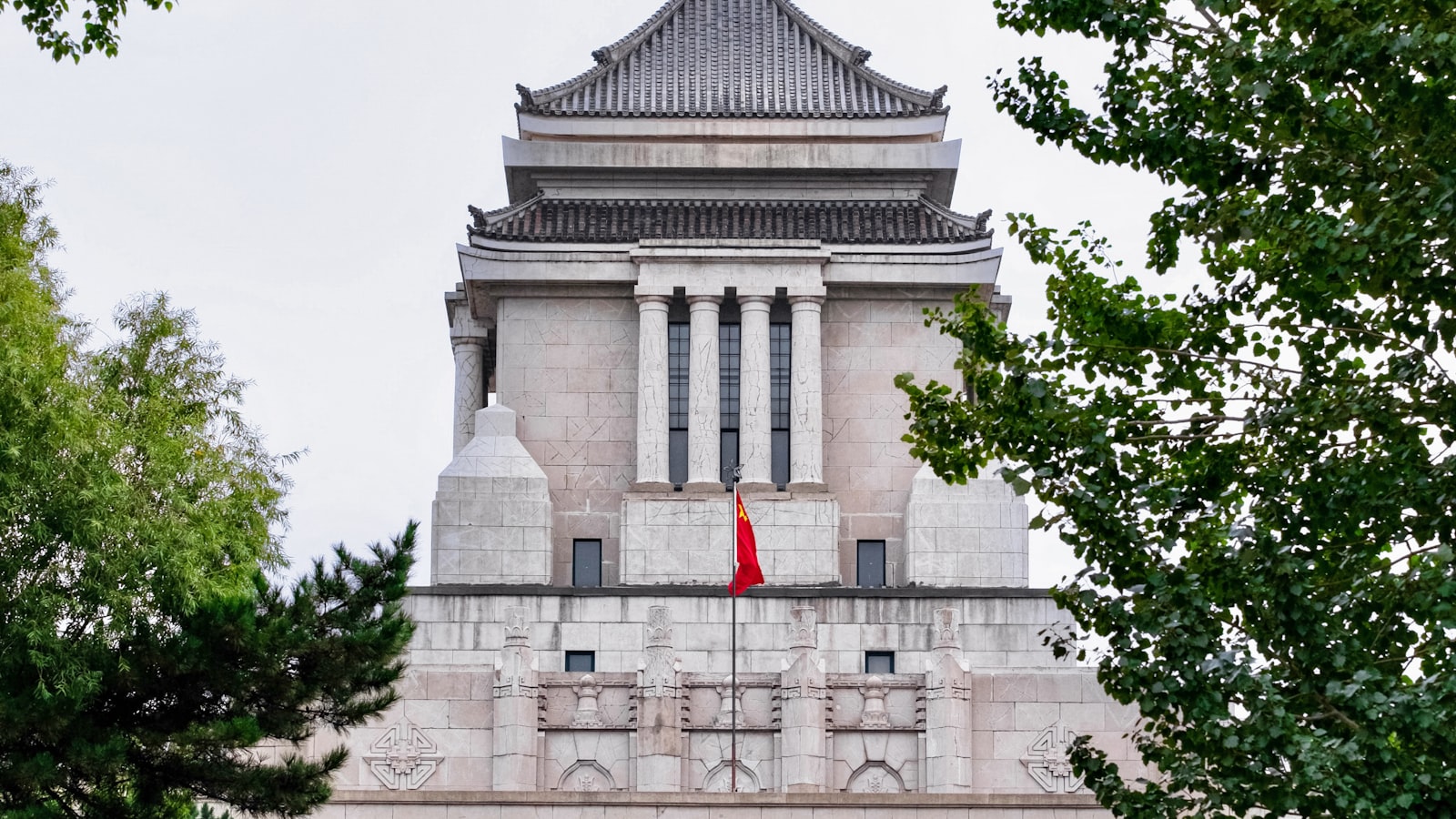
- The old Manchukuo-era avenues — the city was planned and expanded under the Japanese occupation, which left broad boulevards and institutional buildings from the era; the area around the palace preserves the most striking examples.
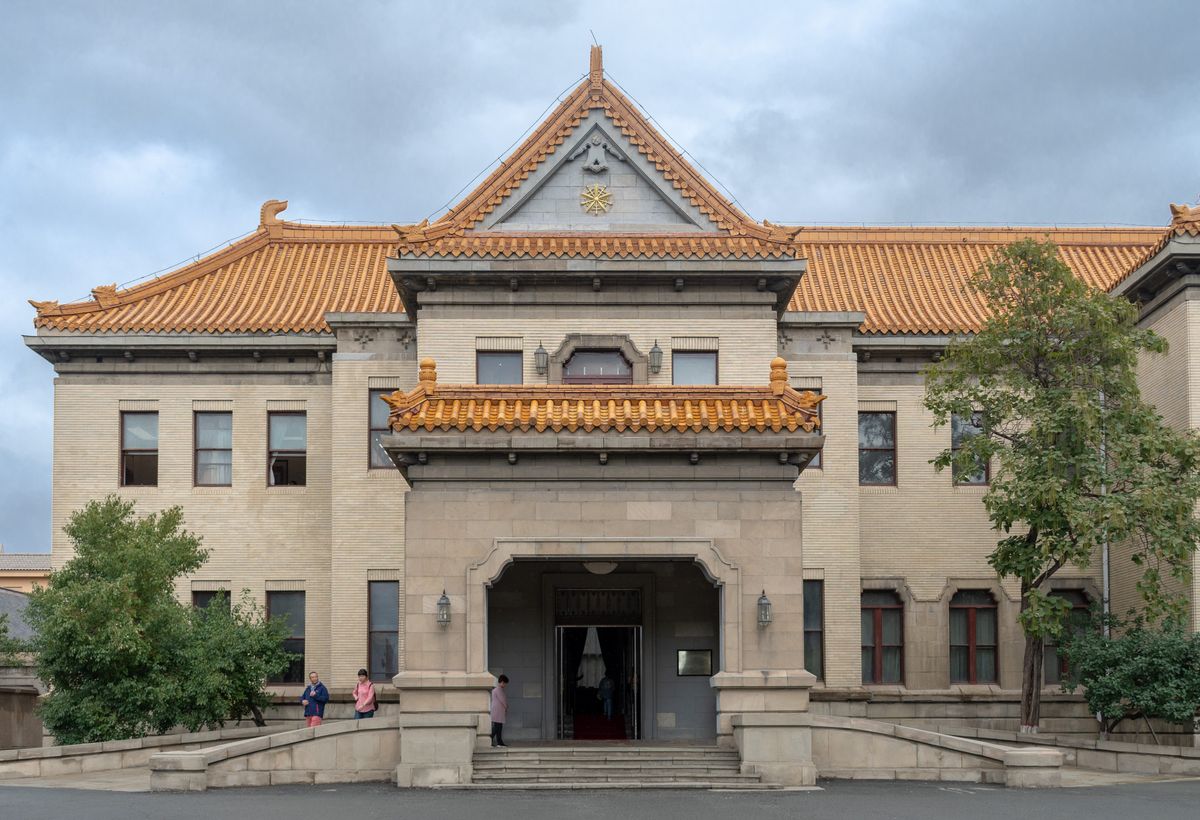
The Puppet Emperor’s Palace — where the last Qing emperor ruled as the figurehead of the Japanese puppet state of Manchukuo.
The Puppet Emperor’s Palace in depth
No other Chinese city offers a museum quite like this. The complex is the former Imperial Palace of Manchukuo, built in the 1930s for Puyi — the last emperor of the Qing dynasty, who had abdicated as a child in 1912, been expelled from the Forbidden City in 1924, and then, in 1932, been installed by the Japanese as the “Chief Executive” and later “Emperor” of Manchukuo, the puppet state carved from China’s northeast. He occupied the palace from 1932 until 1945, a period he described with famous bitterness in his autobiography, From Emperor to Citizen.
Architecturally, the palace is a strange hybrid: the Qinmin Building, where Puyi conducted official business, mixes a Japanese-flavored modernism with imperial Chinese flourishes, while the private Jianguo and Jixi buildings hold his apartments, the strange little rooms and tunnels built for his security, and the gardens where he lived a cloistered, watched life. The exhibitions are the heart of the visit — photographs, documents, furniture and personal effects that trace his journey from the Forbidden City to this gilded cage. It is a museum about power, collaboration and a man who was a pawn of history, and it leaves a lasting impression. Allow two to three hours, and see it before the film-studio heritage or the park.
Jingyuetan and winter sports
Jingyuetan (“Pure Moon Lake”) is one of China’s largest urban forest parks, wrapping a reservoir in hills of pine and birch about 8 km southeast of the city. In summer it is a green escape for lakeside walks, boating and cycling; in autumn the forest turns; and in winter the lake freezes over and the park becomes a snow playground, with the Jingyuetan ski resort — one of the biggest and best-equipped in the region — running groomed runs, lifts and snow-tube areas that are a favorite of families and beginners.
For serious skiers, Jingyuetan is the easy warm-up; the destination resorts are close by rail. Yabuli, about two hours to the north toward Harbin, is China’s premier ski resort complex with long runs and modern lifts, while Changbaishan, a few hours southeast, offers the country’s most dramatic mountain scenery — the volcanic crater lake and the ski village at its base. Both are covered in depth in our Yabuli & Changbaishan ski guide. In Changchun itself, a winter afternoon at Jingyuetan — sledging, snow-tubing, or simply crunching through the frozen forest — is one of the city’s best-value experiences.
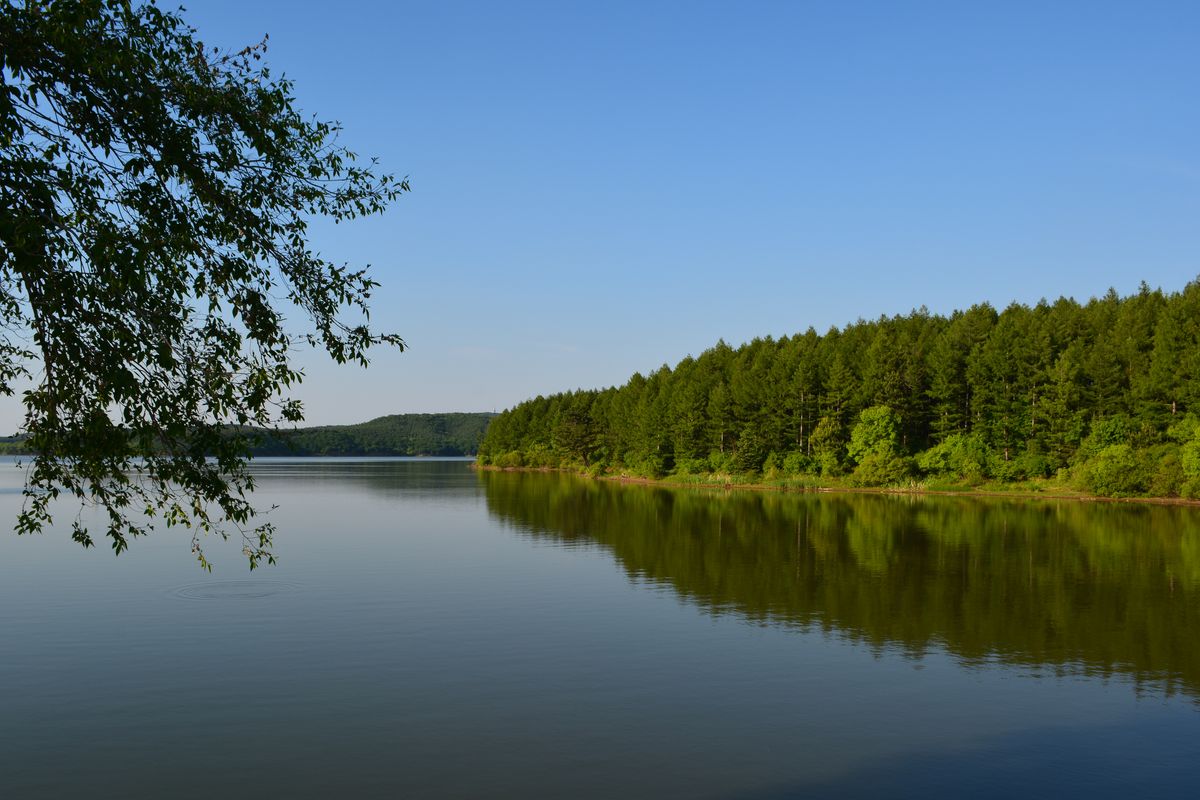
Jingyuetan forest park — the lake freezes in winter, turning the park into one of the northeast’s friendliest snow-play and ski bases.
When to go, season by season
Changchun’s climate is decisively northeast: a short mild summer and a long, dry, very cold winter.
- Spring (May–June): warming fast, green and pleasant, with the palace gardens at their best. An underrated window with thin crowds.
- Summer (July–August): warm to hot, occasionally above 30°C but far less humid than southern China. Jingyuetan is a genuine escape from the heat.
- Autumn (September–October): clear and crisp, with golden forest colors in the park — many locals call it the best season of all.
- Winter (November–March): the signature season. Temperatures fall well below freezing; snow dusts the city; Jingyuetan becomes a ski resort; and the Harbin ice festival, an hour to the north, is at its peak. Dress for the cold and you get the northeast at its most atmospheric.
Where to stay and eat
Base yourself near the People’s Square and the central avenues for the palace, the film studio and the best restaurants, or near Jingyuetan if winter sports are the point of the trip (the resort area has its own lodges, but the city is a short ride away and has more choice). Mid-range hotels are good value by Chinese standards, and the city is laid out on a grid of broad avenues that makes getting around straightforward.
Northeast food is the draw in cold weather. Dongbei cuisine is built for warmth and appetite:
- Dumplings — thick-skinned and generous, often pork-and-cabbage, ¥20–40 a plate.
- Guo bao rou — the famous sweet-and-sour crispy pork, a northeastern classic.
- Braised and stewed dishes — potatoes, eggplant, peppers and pork in heavy, warming sauces; the “northeast three treasures.”
- Korean food — Jilin’s large Korean community means excellent Korean barbecue, cold noodles and kimchi, an easy and delicious change of pace.
Portions are large and prices are low — a filling meal for two at a local restaurant usually runs ¥80–150 (estimate).
A realistic budget
Changchun is an affordable city by Chinese standards — cheaper than the big coastal hubs, with low food prices and reasonable hotels.
- Hotels: ¥200–400 per night for a comfortable mid-range room; budget hotels ¥120–200; upscale options from ¥500–600. In winter, book ahead for weekends when the ski crowds arrive.
- Sights: the Puppet Emperor’s Palace about ¥70; Jingyuetan about ¥30 entry (plus ski lifts and rentals in winter); the World Sculpture Park about ¥30; film-studio museums ¥50–100 depending on the ticket. Budget ¥200–350 across two days.
- Food: street snacks and dumplings ¥10–30; a restaurant meal ¥40–80 per person; Korean barbecue with a group ¥80–150.
- Transport: metro and bus rides ¥2–5; short taxis or Didi trips ¥10–30; the trip to Jingyuetan and back about ¥60–100.
A realistic 2-day budget for one person, excluding hotels and long-distance rail, is roughly ¥600–1,000 (more in winter with ski rental and lifts). All figures are planning estimates — prices change with season and demand, so confirm current rates on booking platforms.
Practical tips
- See the palace first. It is the city’s one unmissable site and the exhibitions reward unhurried time; go early and allow three hours.
- Dress for the cold. A real northeast winter needs a down jacket, thermal base layers, a hat, gloves and insulated boots. Check the forecast and take it seriously.
- Winter sports need booking. Ski lifts, rentals and hotel packages at Jingyuetan sell out on weekends and during the New Year holiday — book ahead.
- Payment and data: set up Alipay and an eSIM before you arrive.
- Trains: for the runs to Harbin, Shenyang and Beijing, see the train ticket guide.
- Keep your passport handy — you need it for hotel check-in and every train ticket, and for any onward flight to Changbaishan’s airport.
Combining Changchun with the region
Changchun is a natural hub for a northeast China trip. An hour north, Harbin brings the ice festival and Russian-flavored streets — our Harbin guide and the winter Harbin ice festival guide cover it in depth. Southeast, Changbaishan offers the region’s greatest mountain scenery and its best resort, detailed in the Yabuli & Changbaishan ski guide. For the full picture of a winter trip — deciding between the ice festival and the ski slopes, and stringing them together — the China in winter route is the place to start.
Last updated: August 2026. Prices and schedules change — confirm current tickets, reservations and visa rules before you go.
Frequently Asked Questions
Why visit Changchun?
Changchun is the capital of Jilin and one of the most history-heavy cities in northeast China. Its defining site is the Puppet Emperor's Palace, where Puyi, the last emperor of the Qing dynasty, was installed by the Japanese as ruler of the puppet state of Manchukuo — a museum with no real equivalent in China. The city is also the cradle of Chinese cinema and home to Jingyuetan, a vast forest park that doubles as one of the northeast's best ski bases.
How many days do I need in Changchun?
Two days in the city: a full day for the Puppet Emperor's Palace, a half day for Jingyuetan or the Film Studio, and time to eat. Many travelers use Changchun as a rail base — Harbin is about an hour away, Changbaishan a few hours southeast, and the ski resorts of Yabuli and Jingyuetan are close. In winter, budget an extra day for snow activities.
What is the Puppet Emperor's Palace?
The Museum of the Imperial Palace of Manchukuo is the residence where Puyi — who had abdicated as emperor of China in 1912 — ruled as the Japanese-backed emperor of Manchukuo from 1932 to 1945. The complex mixes Chinese, Japanese and Western architecture and now holds powerful exhibitions on Puyi's life, the puppet state and the wartime era. It is roughly a half-day visit, about a 20-minute ride from the center.
Is Changchun good for winter and skiing?
Yes. Changchun has a genuine northeast winter — cold, snowy and bright — and it is one of the best-value ski bases in China. Jingyuetan's own slopes are the easiest option right on the city's doorstep, while the bigger resorts at Yabuli (toward Harbin) and Changbaishan (southeast, on the Jilin–North Korea border) are the region's heavyweight destinations. If you are planning a winter trip, Changchun slots neatly into the Harbin ice-festival circuit.
What should I eat in Changchun?
Northeast (Dongbei) cuisine is hearty, warming and built for the cold: thick dumplings, braised pork, potato and eggplant stews, and the sweet-and-sour 'guo bao rou'. Jilin province also has a large Korean minority population, so Korean barbecue, cold noodles and kimchi are everywhere — an easy and delicious change of pace. Portions are large, prices are low, and winter is the season the food makes most sense.
How cold does Changchun get in winter?
Really cold. January averages are typically around -15°C to -20°C, with colder nights, and occasional deep freezes below -25°C. It is a dry cold rather than a damp one, which makes it more bearable than it sounds, but you need a proper down jacket, thermal layers, hat, gloves and good boots. Indoors, everything is heated. Check the forecast before you pack and take the cold seriously on outdoor days.