
Chongqing Xiaomian: The City's Fiery Little Noodles
Chongqing xiaomian — 'little noodles' — are a small bowl with a big, numbing-spicy punch. What they are, why they're a breakfast institution, and how to order them.
Chongqing xiaomian — ‘little noodles’ — are a small bowl with a big reputation: thin noodles drowned in a numbing-spicy chili sauce that Chongqing locals have fiercely defended for generations. Here’s what they are and how to handle the heat.
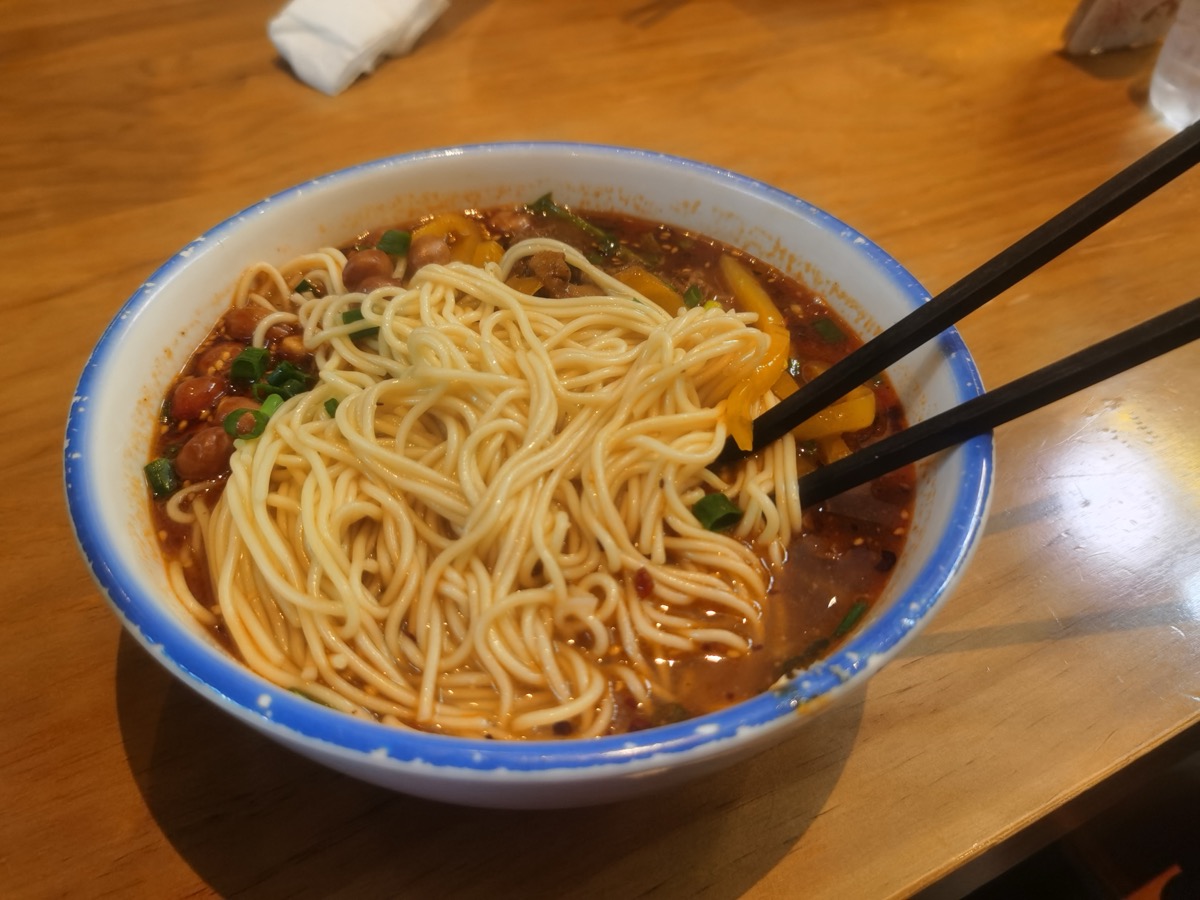
Chongqing xiaomian (小面) is the noodle that sums up Chongqing: small portions, serious flavor. The bowl is modest — a handful of thin noodles in a dark, glossy sauce of chili oil, Sichuan peppercorn, garlic water and peanuts — but the taste is loud, numbing, and unmistakable. It’s the city’s breakfast of choice, eaten daily by millions, and it’s treated with the seriousness of a national dish: Chongqing has a xiaomian association, an annual noodle competition, and strong opinions about every shop in town.
What’s actually in the bowl
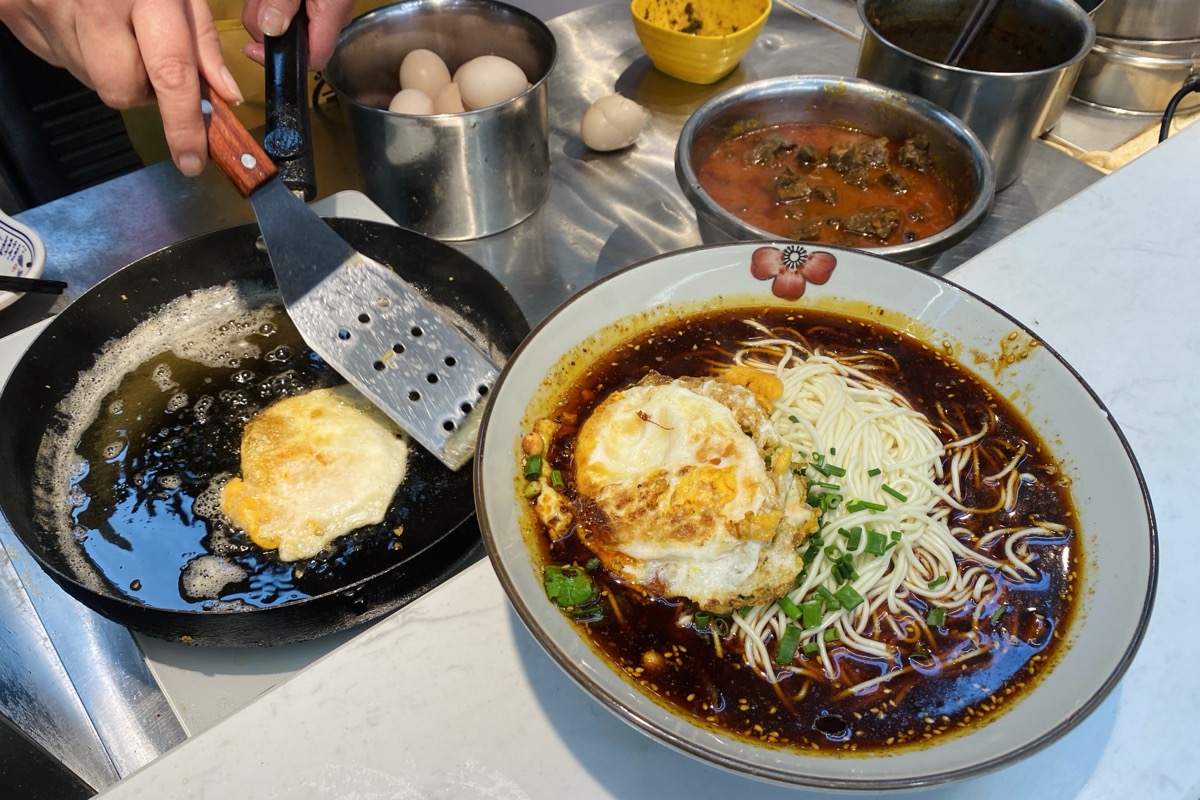
The genius of xiaomian is how much flavor fits in a small bowl:
- The sauce — chili oil, Sichuan peppercorn, garlic water, soy and a touch of peanut or sesame — the fiery base.
- The noodle — thin, slightly chewy wheat noodles that catch the sauce perfectly.
- Toppings — scallions, and often crushed peanuts or sesame.
- The style — plain (素, vegetarian) or with a minced-pork topping (杂酱, za jiang).
- The ritual — mix it thoroughly; the sauce lives at the bottom.
The mala punch
The flavor that defines xiaomian is mala — ‘num’ and ‘spicy’ together. The chili oil brings deep, fragrant heat, while Sichuan peppercorn adds the tingling numbness that makes Chongqing food so addictive. It’s a much bolder profile than, say, Beijing’s zhajiangmian or Wuhan’s sesame noodles. If you’re new to mala, start with a small bowl and ‘weila’ (mild) — you’ll get the flavor without overwhelming your palate. See our Sichuan food guide for the wider family of mala dishes.
Why it’s a breakfast institution
Chongqing is a mountain city where mornings are hot and humid, and locals start the day with a bowl that wakes everything up. Xiaomian shops open early, and by 8 a.m. there’s usually a queue of office workers eating standing at the counter. It’s fast, cheap, and designed for a working day. For travelers, it’s the most local breakfast you can have in Chongqing — and a great story to tell.
Where to eat xiaomian in Chongqing
You can’t miss xiaomian in Chongqing — it’s on the menu at breakfast shops, noodle stalls and restaurants throughout the city. The local advice is simple: follow the queues. The most celebrated shops have loyal followings and lines at breakfast; any busy morning shop is serving something the neighborhood trusts. For the full food map of the city, see the Chongqing guide, and for how xiaomian fits among China’s bowls, the noodles in China guide.
How to order like a local
- Pick your style — ‘su xiaomian’ (plain/vegetarian) or ‘za jiang xiaomian’ (with minced pork).
- Control the heat — ‘weila’ (mild), ‘shaola’ (less spice), or ‘bula’ (no spice).
- Add an egg — a fried egg (jia ge jidan) on top is a classic local touch.
- Mix well — the sauce sits at the bottom; stir it through completely.
- Eat fast — xiaomian is best hot, right when it arrives.
What it costs
A bowl of xiaomian in Chongqing is typically ¥8–20 (estimate) — among the cheapest meals in the city. The plain version is at the low end; adding pork or an egg pushes it up slightly. Cashless payment is standard.
A few practical notes
- Seriously spicy: don’t underestimate the default heat — if you’re cautious, order ‘weila’ without hesitation.
- Vegetarian: the plain version is meat-free and delicious; it’s the best way to taste the sauce itself.
- Breakfast timing: early morning is the authentic window, though many shops serve all day.
- Pair with hotpot: xiaomian and Chongqing hotpot are the two pillars of the city’s food — see both.
The civic pride: an association and a competition
Chongqing’s devotion to xiaomian is organized. The city has a xiaomian association that promotes the dish, and an annual noodle competition where shops compete for the title of best in the city — judged on flavor, texture and technique. Locals have opinions about their neighborhood shops the way some cities argue about coffee roasters or sports teams, and a new ‘best xiaomian’ list is enough to spark a friendly street debate. It’s civic pride expressed in a bowl of noodles, and it tells you how seriously Chongqing takes this unassuming little breakfast.
Xiaomian vs. dan dan: the two Sichuan bowls
Travelers often confuse xiaomian with the more famous dan dan noodles, and it’s a fair mix-up — both are Sichuan ‘dry’ noodles built on chili oil and Sichuan peppercorn. The differences are worth knowing. Dan dan noodles are sweeter and nuttier, softened by sesame paste, with a slightly larger portion and a richer, rounder sauce. Xiaomian is leaner and fierier: the chili and numbing sensation sit right up front, with the sesame dialed back, in a deliberately small bowl. If you want the purest taste of Chongqing’s mala culture, xiaomian is the one to order. See our dan dan guide for the comparison and the Sichuan food guide for the wider mala family.
How to handle the heat like a local
First-timers can feel ambushed by the default heat — locals genuinely do eat it fiery. The moves for a comfortable first bowl: order ‘weila’ (mild), pick a small bowl, and mix it completely so no single mouthful is a chili bomb. Keep a cold drink or a small bowl of plain rice nearby; the numbing sensation from Sichuan peppercorn fades within a minute, and once the numbness lifts you’ll taste the layered richness underneath — the garlic, the roasted peanut, the depth of the chili oil. Take it slow, add heat as you go, and by your second visit you’ll be ordering it the Chongqing way.
When to go
Xiaomian’s natural window is breakfast, and that’s the experience worth having. Between 7 and 9 a.m. the shops are at their fullest — the queues of workers eating standing, the steam, the fast rhythm of the counter. It’s also the moment when the sauce is freshest and the chili oil is at its most fragrant. That said, many shops serve all day, and a late-night bowl of xiaomian is a beloved Chongqing ritual after a long day or a night out. For the full morning scene, get there early; for the comfort-food version, the evening is yours.
How to eat it like a local
Xiaomian rewards technique. Mix the bowl immediately — the sauce settles at the bottom, and the noodles at the top need the chili, garlic and peanut to move through them. Eat it fast and hot; the flavor fades as the bowl cools, and locals never let one sit. Use the chopsticks to pull the noodles up from the bottom on the first bites, so the sauce is evenly distributed from the start. And don’t skip the fried egg — it’s the classic local upgrade that makes a small bowl a full breakfast. Slurp freely; that’s the local way, and the small portion means it’s over before you’re too full to enjoy a second bowl.
The honest takeaway
Chongqing xiaomian is the boldest bowl on this list — small, fiery, and full of the numbing mala that defines the city. It’s a breakfast that tells you exactly where you are. Order it mild if you need to, mix it well, and join the morning queue. You’ll understand why Chongqing protects this little bowl so fiercely.
Last updated: August 2026. Prices are estimates and change — confirm before you go.
Frequently Asked Questions
What is Chongqing xiaomian?
Chongqing xiaomian ('little noodles') is a small, intensely flavored bowl of thin noodles tossed in a fiery sauce of chili oil, Sichuan peppercorn, garlic water, peanuts and scallions. 'Xiao' means small — the bowls are modest and the flavor is anything but. It's Chongqing's breakfast staple and a point of local pride.
How spicy is Chongqing xiaomian?
Genuinely spicy — it's built around the mala combination of chili oil and numbing Sichuan peppercorn. Locals love it fiery, but you can ask for 'weila' (mild) or 'bula' (no spice). The sauce is rich even beyond the heat, so a milder version still tastes great.
Is there a difference between plain and pork xiaomian?
Yes. Plain xiaomian (素小面) is vegetarian — just the spicy sauce and toppings over noodles. 'Za jiang' xiaomian (杂酱小面) adds a rich minced-pork topping. Both are classics; try the plain one first to taste the sauce itself.
Where can I eat xiaomian in Chongqing?
Everywhere — xiaomian is served at breakfast shops and stalls across Chongqing, and locals have fierce opinions about which is best. Any busy morning shop is a safe bet; look for the queues at breakfast time. See the Chongqing guide for the wider food map.
Why is xiaomian so important to Chongqing?
Chongqing is a mountain city with a hot, humid climate, and its food culture is built around bold, numbing-spicy flavors. Xiaomian is the city's everyday meal — so central to local identity that Chongqing even has a xiaomian association and an annual noodle competition.