
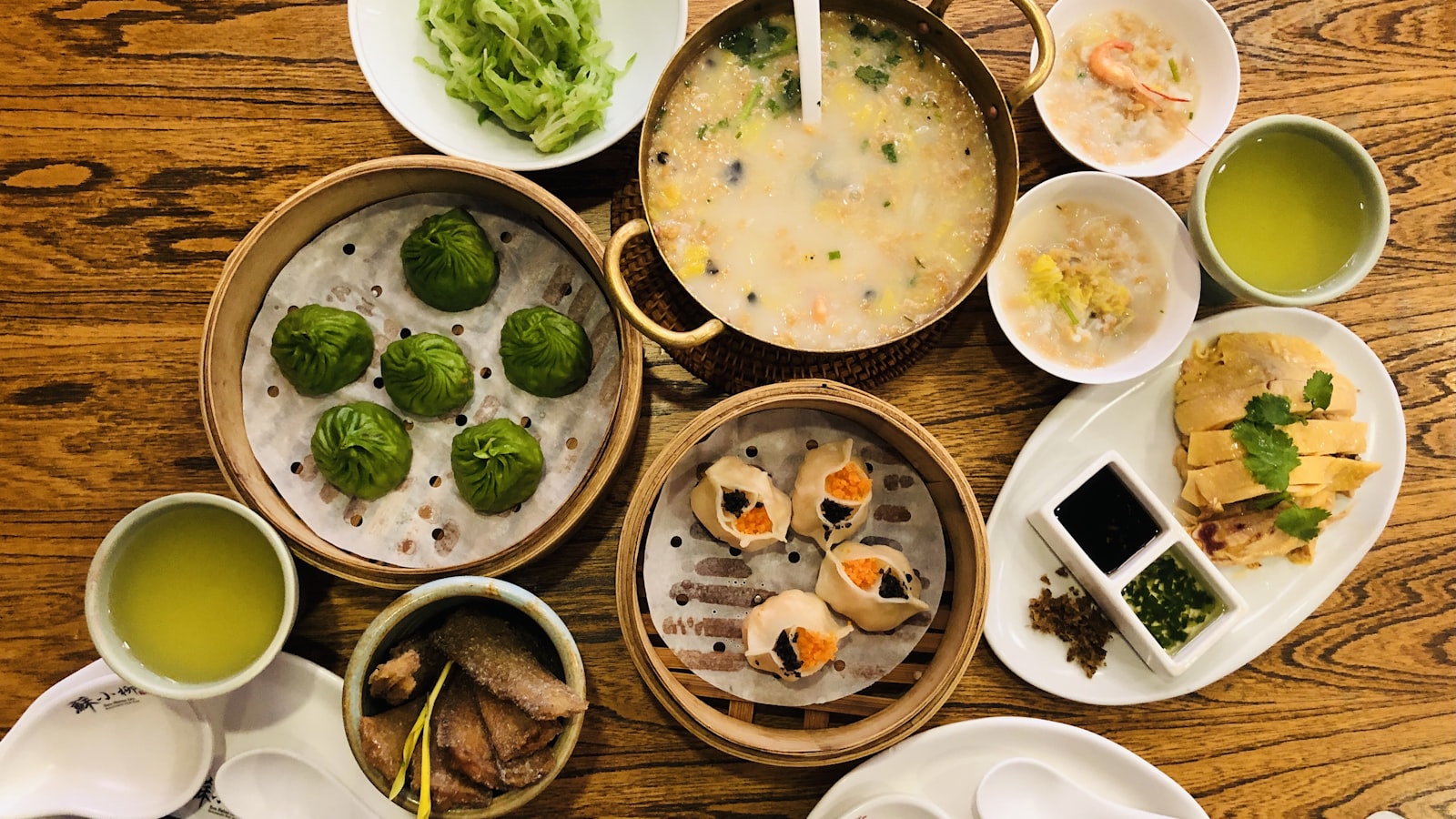
China Vegetarian Food Guide: Eating Meat-Free in China
How to eat vegetarian and vegan in China — key phrases, Buddhist temple food, ordering strategies, and the best meat-free dishes.
Eating vegetarian in China is easier than many travelers expect — a long Buddhist vegetarian tradition means dedicated meat-free restaurants exist in most cities. The catch is that Chinese cooking is communal, sauce-heavy and often cooked in shared woks, so the same dishes that look vegetarian on a menu can quietly contain meat stock, lard or oyster sauce. Learn a few phrases and you will eat superbly.
The essentials: the two phrases that matter most
Everything in this guide hinges on two words:
- 素食 (sùshí) — vegetarian
- 全素 (quán sù) — strictly vegetarian / vegan (no meat, egg, dairy or meat broth)
Say 素食 once and many restaurants will nod — then serve you a dish cooked in chicken stock. Say 全素 and confirm 不要肉汤 (no meat broth), and the kitchen treats your order differently. In practice you usually need to say it twice and glance at the finished dish. For the fuller phrase list covering halal, allergies and gluten-free too, see our dietary needs guide.
How vegetarian food works in China
Chinese vegetarianism comes from a Buddhist tradition that is over a thousand years old, and it left a real restaurant infrastructure behind it:
- Dedicated vegetarian restaurants (素菜馆) — found in most cities; many are attached to temples or run by Buddhist organizations. These are your safest bet for a meal that is genuinely meat-free.
- Temple canteens (寺庙素斋) — often the best value in China. Big monasteries in Hangzhou, Chengdu, Putuo and elsewhere serve multi-dish set meals of tofu, mushrooms and vegetables, often for just a few yuan.
- Modern vegan cafes — a fast-growing scene in Shanghai, Beijing and Chengdu, serving plant-based burgers, cakes and brunch to a younger crowd.
- Buddhist “mock meat” — many temple restaurants serve convincing plant-based versions of duck, fish and chicken made from wheat gluten, tofu skin and mushrooms. They taste great and are fully vegetarian, but note the wheat-gluten base is not gluten-free.
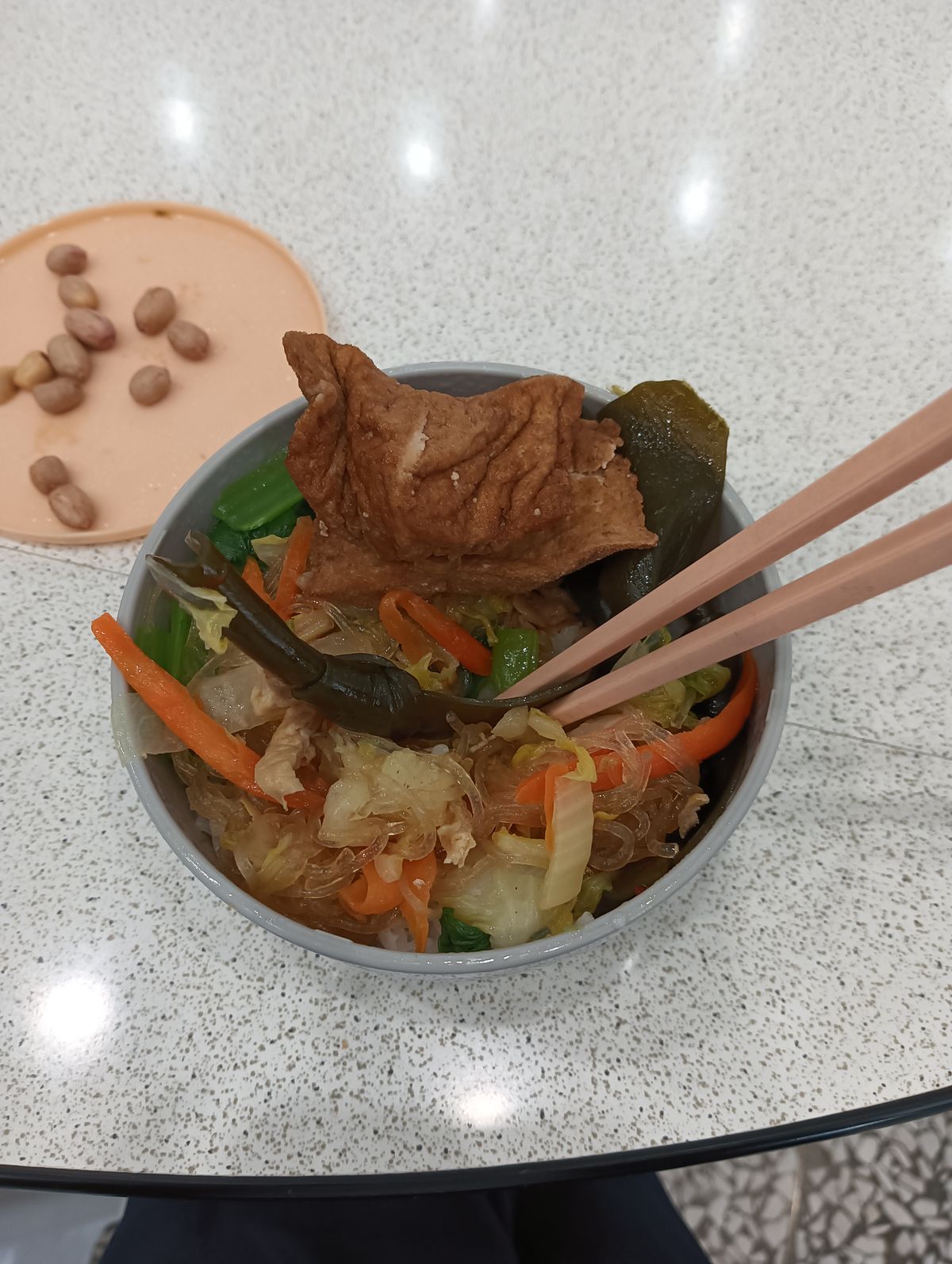
Buddhist vegetarian set meals — tofu, mushrooms and vegetables in many small dishes — are the safest and often the most delicious meat-free meals in China.
What to know: where meat hides in “vegetable” dishes
This is the single most useful thing to understand before you travel. Chinese cooking is built on layering flavor, and a few everyday ingredients quietly carry meat into nearly every dish:
- Meat stock (肉汤) — many dishes are cooked in chicken, pork or beef stock even when the menu calls them vegetable dishes.
- Lard (猪油) — northern and street-style cooking often fries in lard for flavor.
- Oyster sauce (蚝油) and fish sauce (鱼露) — appear in vegetable stir-fries across the south.
- Dried shrimp and shrimp paste — common in Sichuan and Cantonese cooking, sometimes added to what looks like a plain vegetable dish.
- Egg — in fried rice, coatings and sauces; vegans should say 不要蛋 (no egg).
The practical result: never assume a “vegetable dish” is vegetarian. The confirmation phrases — 不要肉汤 (no meat broth), 不要蚝油 (no oyster sauce), 不要猪油 (no lard) — turn a gamble into a safe order.
Practical tips: ordering strategies that work
A few habits make meat-free eating in China dramatically easier:
- Order your dish first, before the table fills with shared plates, so the kitchen registers it.
- Hotpot is your friend. Choose a clear vegetable stock, ask for your own pot and serving chopsticks, and you have a reliable, customisable meat-free meal. Just confirm the dipping sauce is 素 (vegetarian).
- Cold dishes (凉菜) like cucumber salad, marinated mushrooms and cold tofu are often vegetarian — confirm no fish sauce.
- Buddhist temple canteens are worth planning a meal around, not just using as a fallback. They are a genuine cultural highlight.
- Self-catering solves the hard days: wet markets and supermarkets sell rice, noodles, eggs, tofu, fresh vegetables and fruit, and nearly every guesthouse has a kettle. A packet of noodles, a few eggs and fresh vegetables becomes a safe meal anywhere. See our vegetarian-in-China guide for more on the food culture and the best dishes.
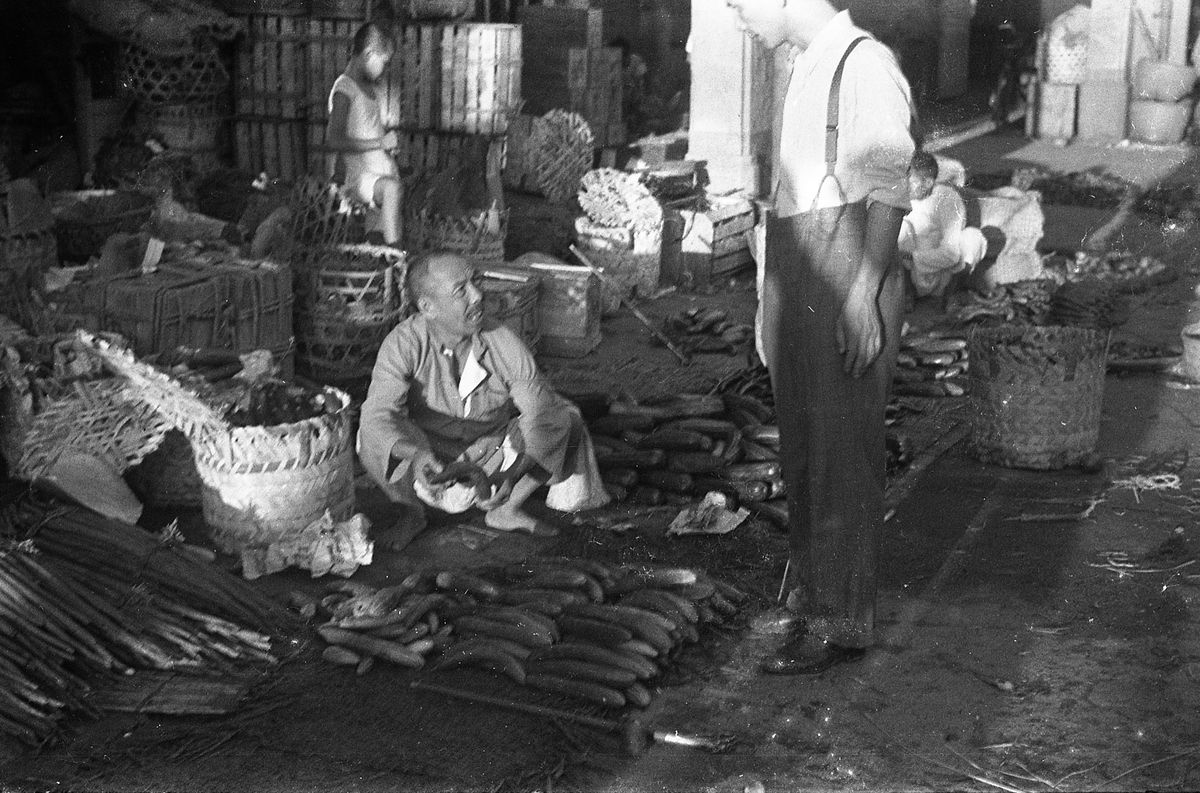
Wet markets and supermarkets sell rice, tofu and fresh vegetables everywhere — self-catering is a reliable fallback for strict diets.
Vegetarian dishes worth seeking out
China’s vegetarian repertoire is much richer than plain greens. Look for these classics, which you can usually get in a vegetarian form with the right phrases:
- Mapo tofu (麻婆豆腐) — Sichuan’s famous spicy tofu. Traditionally it includes minced pork; ask for 素的 (vegetarian) and many Sichuan restaurants will make it without the meat.
- Dry-fried green beans (干煸四季豆) — garlicky, slightly blistered beans. Usually vegetarian, but confirm no minced meat is added.
- Kung pao vegetables — the dish is usually chicken, but the sauce-and-peanut treatment works over tofu or potato.
- Stir-fried greens (炒青菜) — the daily standby. Order it 全素 with 不要蚝油 (no oyster sauce) and 不要蒜? (no garlic) if you avoid it.
- Eggplant and potato (地三鲜) — a northern favorite of eggplant, potato and green pepper; usually vegetarian if you specify no meat.
- Buddhist “mock meat” dishes — wheat gluten and tofu skin shaped into convincing duck, chicken and fish. A temple-canteen specialty and a highlight of vegetarian eating in China.
- Sesame cakes and sugar pastries — for a sweet end; many bakeries and temple stalls have clearly vegetarian options.
A useful habit is to photograph the menu with a translation app and confirm the two characters 素 (vegetarian) and 肉 (meat) on each dish — it is faster and more reliable than describing your diet in English.
Where vegetarian food fits in your China trip
- Saying 素食 once and trusting it. You usually need to say it twice, confirm 不要肉汤, and check the finished dish.
- Assuming a “vegetable” stir-fry is meat-free. Oyster sauce, meat stock and lard are silent additions. Confirm every time.
- Forgetting about egg. Many vegetable dishes include egg; vegans should say 不要蛋 (no egg) explicitly.
- Trusting a translation app for a crucial sentence. For the core phrases, use a printed card or the exact characters in this guide, not a live machine translation that can garble them.
- Not packing snacks for long train days. On high-speed rail and in remote areas, suitable options can be scarce — pack nuts, fruit and instant noodles you know are safe.
- Ignoring cross-contact in shared woks. Even with the right phrases, a small kitchen cooks everything in one wok. If this matters to you, favor dedicated vegetarian restaurants or self-catering.
Where vegetarian food fits in your China trip
Vegetarian eating in China does not limit your itinerary — it just changes how you order. Cities with strong Buddhist traditions are the easiest: Hangzhou and Chengdu both have outstanding temple and 素菜馆 scenes, and Shanghai and Beijing add the modern vegan cafe layer.
A rough budget: a temple set meal costs around ¥20–50, a mid-range vegetarian restaurant ¥60–120 per person, and a hip vegan cafe meal ¥80–150 (estimates — prices change and vary widely by city). Eating out in China is inexpensive overall, and a vegetarian diet does not change that much.
If you are also managing halal or gluten-free needs, or allergies, the dietary needs guide combines all the phrase cards and restaurant-finding tips in one place — worth reading before you fly. And for app setup that makes ordering and paying smooth (including showing menus through a translation camera), our China apps guide covers Alipay, WeChat Pay, Didi and more.
Last updated: August 2026. Restaurant menus and cooking practices vary by establishment — confirm your order with the kitchen before you go.
Frequently Asked Questions
Is it easy to eat vegetarian in China?
Easier than most travelers expect, thanks to a long Buddhist vegetarian tradition. Dedicated vegetarian restaurants (素菜馆) and temple canteens exist in most cities, and big cities like Shanghai, Chengdu and Beijing have modern vegan cafes. The catch is that many ordinary 'vegetable' dishes are cooked with meat stock, lard or oyster sauce — so you need the right phrases to get a truly meat-free meal.
What is the difference between 素食 and 全素?
素食 (sùshí) generally means vegetarian, but in casual use it may not exclude eggs, dairy, or even small amounts of meat stock. 全素 (quán sù) means strictly vegetarian or vegan — no meat, egg, dairy or meat broth — and is the safer phrase to use. If you are vegan, also say 不要蛋奶 (no egg, no milk).
Where are the best vegetarian restaurants in China?
Buddhist temple canteens are the gold standard and often a highlight in their own right — big monasteries in Hangzhou, Chengdu, Putuo and many other cities serve multi-dish set meals of tofu, mushrooms and vegetables for a few yuan. Dedicated 素菜馆 vegetarian restaurants are everywhere in cities, and a growing number of modern vegan cafes cater to younger diners in Shanghai, Beijing and Chengdu.
What should I order as a vegetarian in a normal restaurant?
Stir-fried vegetables (炒青菜), mapo tofu (麻婆豆腐 — but ask for no meat, it usually contains pork), cold dishes like cucumber salad, and hotpot with a clear vegetable stock and your own pot. Always add 不要肉汤 (no meat broth) and 不要蚝油 (no oyster sauce), because those are the two silent meat-flavor sources in most kitchens.
Can I be vegan in China?
Yes, but it takes more effort than vegetarian. Say 全素 (quán sù) and add 不要蛋奶 (no egg, no milk). Buddhist vegetarian restaurants are naturally vegan-friendly, and the modern vegan cafe scene in Shanghai, Beijing and Chengdu is genuinely good. Watch for honey in some desserts and check sauces, which can contain fish sauce or shrimp paste in southern cooking.