
Seeing Pandas in China: Chengdu & Beyond (2026)
Where and how to see pandas in China — the Chengdu research base, the Dujiangyan center, and the Qinling sanctuary, plus timing, tickets and what to expect.
OpenStreetMap Google Maps (opens externally)
Seeing giant pandas in China is a once-in-a-lifetime experience — and the Chengdu Research Base is the definitive place to do it. Here’s the complete guide: where to go, when to arrive, and what to expect.
Giant pandas are China’s most famous ambassadors, and seeing them in person is one of those moments that stays with you. The good news: it’s easy, affordable and — at the right time of day — genuinely magical. The Chengdu Research Base holds around 100 pandas in a lush park on the city’s edge, and for most travelers it’s the single best panda experience in the world. This guide covers where to see pandas in China, when to go, and how to plan it.
The main destination: Chengdu
The Chengdu Research Base of Giant Panda Breeding is the place to see pandas:
- Around 100 pandas in a green, walkable park on the edge of the city.
- The nursery — the cubs, a highlight during breeding season.
- Red pandas — the smaller cousins, wandering near the paths.
- A half-day visit — arrive at opening, follow the loops, and you’re done by midday.
It’s a conservation and research base, not a zoo — the pandas live in large, green enclosures designed for breeding and study, and your entry fee supports the program. See our Chengdu guide for the wider trip.
When to go: the morning window
- Pandas are most active in the morning — eating bamboo, playing, and moving around.
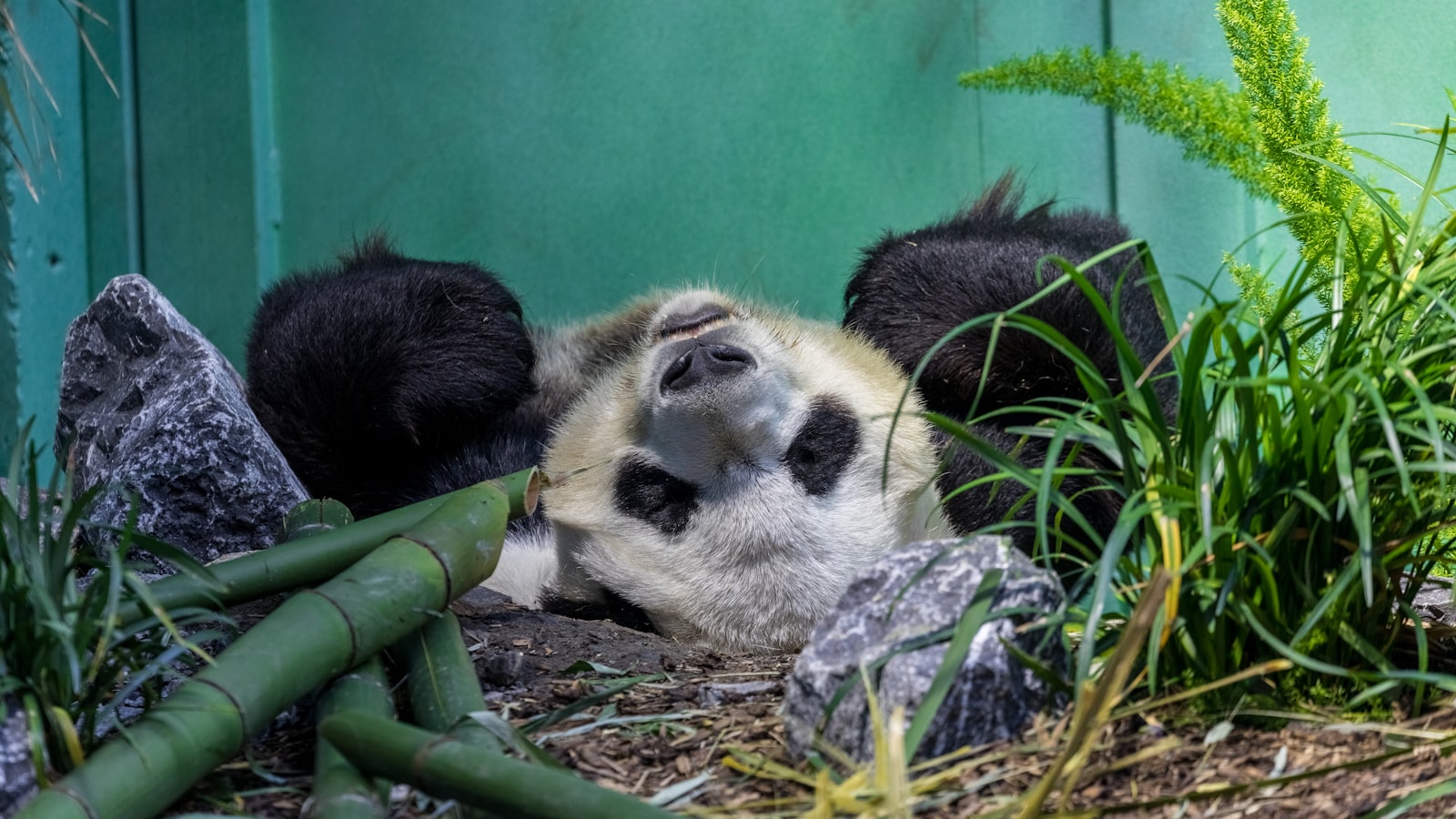
- By mid-morning, most are asleep — the midday heat and the post-bamboo food coma take over.
- Arrive at opening (7:30–8:00) — active pandas, quiet paths, and the best photo light.
The single most important tip: be at the gate at opening. The difference between an active, playful panda morning and a park of sleeping bears is one hour.
Tickets and logistics
- Book ahead online — the base sells timed-entry tickets through official channels; weekends and holidays sell out.
- Reach — about 30–40 minutes from central Chengdu by taxi or bus.
- Passport — bring it; entry is tied to your ID.
- Time — half a day (3–4 hours) is the right amount.
Booking and transport are straightforward — the base is a well-oiled operation for visitors.
The quieter alternative: Dujiangyan
For a more intimate experience, the Dujiangyan Panda Base is worth the extra hour from Chengdu:
- Fewer visitors and closer, more personal views of the pandas.
- Part of the same research system — conservation and breeding, with the same ethical character.
- Pairs with Dujiangyan — the ancient irrigation system is right there, a UNESCO site worth a look.
Dujiangyan suits travelers who’ve seen Chengdu or who want a quieter morning. For the first-time visitor, the Chengdu base is the classic choice.
Other places to see pandas
- Bifengxia (near Ya’an) — larger and wilder, with a more natural setting.
- Qinling Panda Base (near Xi’an) — the northern panda program, with its own famous residents.
- Zoos across China — most major cities have pandas, but the bases are the real experience.
For most itineraries, Chengdu (and optionally Dujiangyan) covers it.
A typical morning at the base
To make the most of the visit, here’s how a good morning flows:
- Arrive at opening — the gate opens around 7:30–8:00; be there for the active pandas.
- Do the main enclosures first — the giant pandas eating and playing bamboo, before the heat.
- Catch the nursery — the cubs are the highlight during breeding season; check the schedule.
- Find the red pandas — the smaller cousins wander near the paths; a charming bonus.
- Loop through the museum — the conservation story and the research background.
- Finish with the gift shop — panda merchandise that supports the program.
At the right pace, this fills 3–4 hours — a full morning with a natural lunch stop back in Chengdu.
The seasons, briefly
Pandas are visible year-round, but the experience varies slightly: spring and autumn have the best weather for the outdoor enclosures; summer is hot and the pandas nap more in the midday heat (so the early start matters even more); winter sees fewer visitors and often lively pandas in the cooler air. Breeding season, when the nursery is busiest and the cubs are on show, runs roughly through the summer months. Whenever you visit, the opening-hour rule holds — the first hour of the day is when the base is at its liveliest and its best, before the heat and the midday tour groups change the mood.
What it costs
Rough guidance (per person, CNY, prices change): Chengdu base entry about ¥55; Dujiangyan base entry about ¥80–100; transport from central Chengdu ¥30–80 by taxi or ride-hailing; lunch ¥30–80. The whole morning — entry, transport and a meal — typically runs ¥150–250 per person, remarkably affordable for one of the world’s great wildlife experiences. Some visitors add a volunteer program at Dujiangyan (higher cost, memorable experience) for a closer look behind the scenes.
Visiting with children
The panda base is one of the most family-friendly sights in China — and it’s a hit with kids of every age. The base is flat, walkable and pushchair-friendly; the pandas are active and engaging in the morning; the red pandas delight younger children; and the nursery (during breeding season) is the highlight for most families. Give kids the early start for the active pandas, and break the visit with the museum and the gift shop. It’s a half-day that children remember for years.
Practical notes
- Set up before you go — Alipay and an eSIM for tickets and transport.
- Bring a camera — the morning light and the active pandas are made for photos.
- Go with a plan — the base has loops; follow them in order to catch everything without backtracking.
- Expect crowds — from mid-morning the paths fill; the early start solves both the pandas and the people.
Combining pandas with Chengdu
The panda morning pairs perfectly with a Chengdu day: start at the base at opening, return to the city by midday, then spend the afternoon on the people’s park teahouse, the ancient streets and the food lanes — Chengdu is famous for its relaxed pace and its food, and the afternoon is made for both. If you have a second day, add the Leshan Giant Buddha or the Dujiangyan irrigation system, both easy day trips from the city. See our Chengdu guide for the full plan — the panda morning is the anchor of a superb Sichuan visit.
The bottom line
Seeing giant pandas in China is one of the great experiences of a visit, and the Chengdu Research Base is the definitive place for it — around 100 pandas in a green park, with cubs in the nursery and red pandas on the paths. Go at opening for the active, playful pandas, book your tickets ahead, and give it a full morning. It’s ethical, memorable and — with the red pandas and the nursery — more charming than any photo can capture, and a highlight for travelers of every age.
Last updated: August 2026. Opening hours and ticket rules change — confirm current details before you go.
Frequently Asked Questions
Where is the best place to see pandas in China?
**The Chengdu Research Base of Giant Panda Breeding** is the world's most famous panda park and the best single place to see them — it holds around 100 pandas in a green, walkable park on the city's edge, with cubs in the nursery during breeding season. For a quieter, more intimate experience, the **Dujiangyan Panda Base** (about an hour from Chengdu) has fewer visitors and closer views. Both are unmissable if pandas are on your list.
When is the best time to see pandas at Chengdu?
**Early morning, right at opening** — pandas are most active in the cooler morning hours, eating bamboo and playing, before the midday heat sends them to sleep. The base opens around 7:30–8:00; arriving at opening means the most active pandas, the quietest paths and the best light for photos. By mid-morning, many of the pandas are already napping.
How much time do I need at the Chengdu panda base?
**Half a day** — about 3–4 hours covers the main enclosures, the nursery, the red pandas and the museum. Arrive at opening, follow the loops, and you'll see plenty. A full morning is the right amount; you don't need a full day. Combine it with a Chengdu afternoon (tea houses, the old town, the food streets) for a complete day. See our [Chengdu guide](https://chinotrips.com/chengdu/) for the wider plan.
Do I need to book panda base tickets in advance?
**Yes, book ahead online** — the Chengdu base is extremely popular, and tickets are sold in timed slots through official channels. Book a day or more ahead, especially on weekends and holidays. The base is about 30–40 minutes from central Chengdu by taxi or bus. Bring your passport, which is tied to the entry.
Can I see pandas outside Chengdu?
Yes — the main alternatives are the **Dujiangyan Panda Base** (an hour from Chengdu, quieter and more intimate, part of the same system), the **Bifengxia base** near Ya'an (larger and wilder), and the **Qinling Panda Base** near Xi'an, which has its own famous panda program. For most travelers, the Chengdu base is the definitive choice; Dujiangyan is the quieter bonus.
Is seeing pandas in China worth it?
Absolutely — seeing giant pandas up close, in a green park full of bamboo, is one of the most memorable experiences in China. The cubs in the nursery (breeding season, roughly summer) are a highlight, and the red pandas wandering near the paths are a charming bonus. It's also a genuinely ethical sight — these are research and conservation bases, not circuses, and entry fees support the breeding program.
What should I know before visiting the pandas?
Go early for active pandas; **book tickets ahead**; bring a camera (the light is good in the morning); expect crowds from mid-morning; and be patient — the pandas move at their own pace. The bases are clean, well-run and pushchair-friendly. Set up [Alipay](https://chinotrips.com/how-to/set-up-alipay/) and an [eSIM](https://chinotrips.com/how-to/esim-china/) before you go, and give yourself the full morning.
More in Sichuan
Sichuan Travel Guide (2026) — Sichuan travel guide