
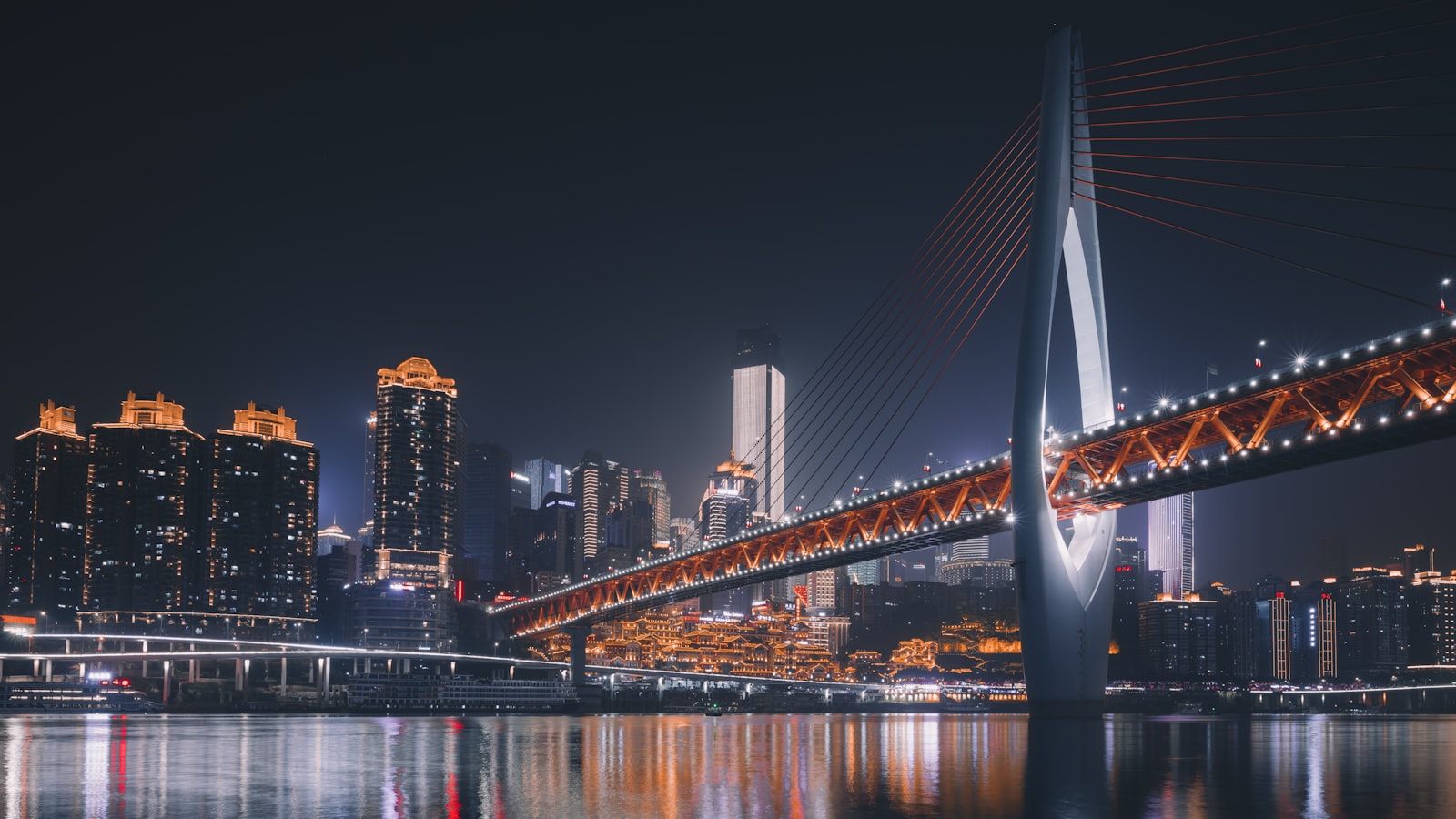
Lanzhou Guide (2026): Noodles, the Yellow River & the Silk Road
Lanzhou — the Yellow River city and gateway to the Silk Road: the famous hand-pulled noodles, the riverfront, the White Pagoda Mountain and how to plan a stop.
OpenStreetMap Google Maps (opens externally)
Lanzhou is the home of lamian — China’s most famous noodle dish — and the dramatic Yellow River city that opens the Silk Road west. It’s a food-first, riverfront stop worth a day on any northwest route.
Most travelers know Lanzhou by its food: the hand-pulled noodles that carry its name across China. But the city is more than lamian. It’s the only provincial capital built directly on the Yellow River, with a dramatic riverside setting; it’s the traditional gateway to the Silk Road, where the desert routes west begin; and it has a relaxed, food-rich character that makes it a pleasant, genuinely rewarding stop. This guide covers why Lanzhou is worth a day and how to spend it.
The food: lamian and the halal scene
- Lamian — the definitive hand-pulled noodle soup; the local shops do it properly, with clear broth and your choice of spice.
- The halal food — Lanzhou has a strong Muslim community and an excellent halal scene, from the noodle shops to the grilled meats. See our Muslim travelers guide.
- The food streets — the central streets and the night markets give the city its character after dark.
The food is the heart of Lanzhou — and it’s excellent, affordable and everywhere.
The Yellow River city
- The Zhongshan Bridge — the first steel bridge across the Yellow River, and the city’s landmark.
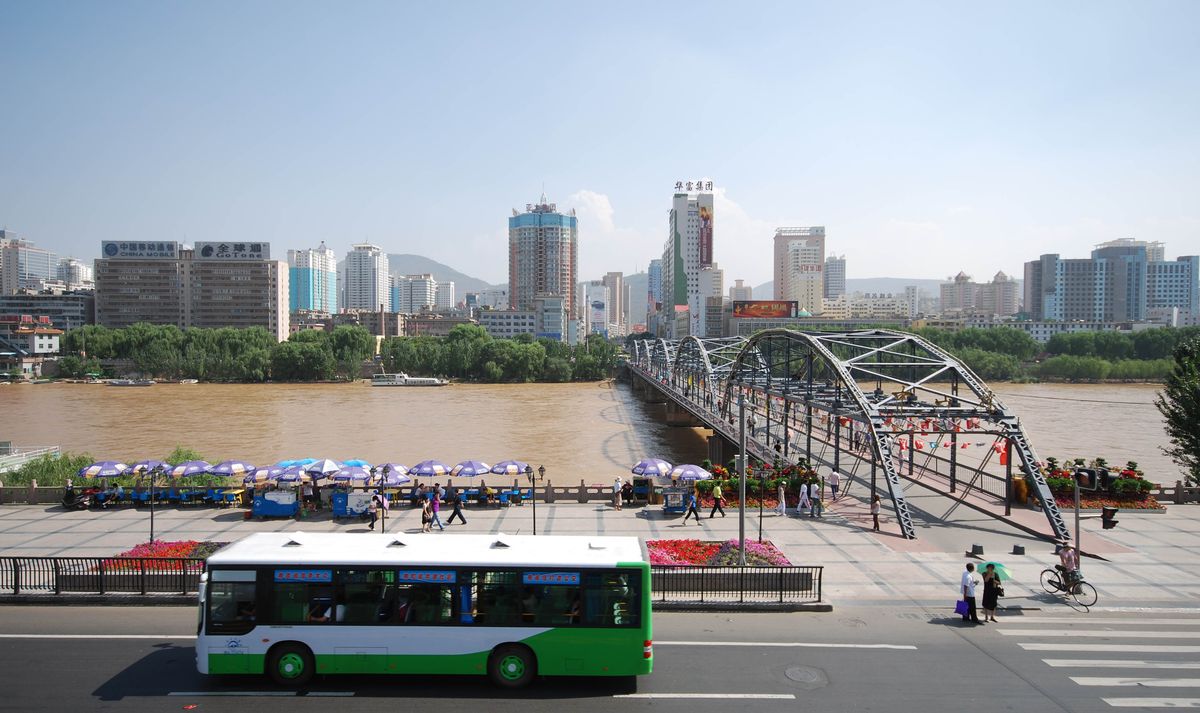
The Zhongshan Bridge, the first steel bridge across the Yellow River, in Lanzhou.
- The riverside promenades — the walkways along the river, with the water and the hills as the backdrop.
- White Pagoda Mountain — the hilltop park across the river, with the best views over the city and the river.
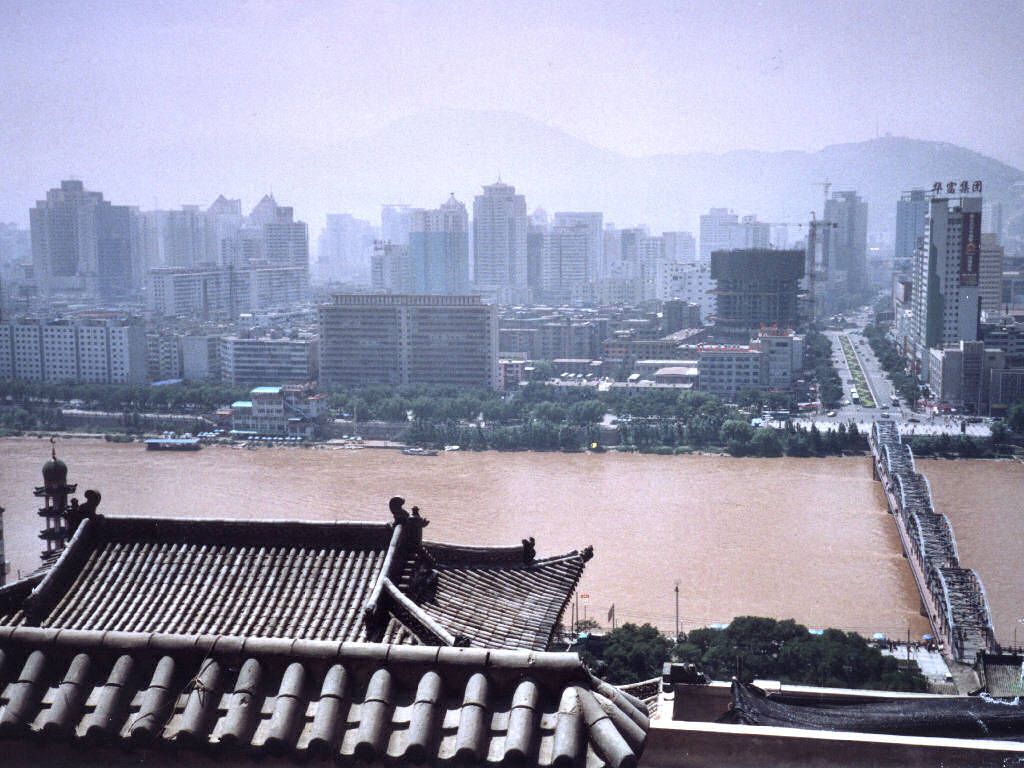
The view from White Pagoda Mountain over the Yellow River and central Lanzhou.
- The river itself — the great river running through the city is Lanzhou’s defining feature.
Lanzhou’s setting — a river city in the narrow Gansu corridor, mountains rising on both sides — is more dramatic than most travelers expect.
The Silk Road gateway
Lanzhou is the traditional start of the Silk Road through Gansu: the line of cities — Wuwei, Zhangye, Jiayuguan, Dunhuang — that carried the trade routes west across the desert. See our Gansu guide and Silk Road route for the route. As the rail hub and the food capital of the corridor, Lanzhou is the natural gateway and the natural pause.
Practical notes
- Getting there — high-speed rail from Xi’an (2.5–3 hours) and the Silk Road cities; flights from across China.
- Getting around — taxis and ride-hailing are easy; the riverfront and the old city are walkable.
- Best season — spring and autumn; the summer is warm but the river is lively, and winter is cold.
- Get connected — set up Alipay and an eSIM for payment and tickets.
A day in Lanzhou: a practical itinerary
Lanzhou rewards a structured day. Start in the morning at the Yellow River waterfront near the Zhongshan Bridge, when the light is best and the riverside promenades are quiet. Cross the bridge and climb White Pagoda Mountain for the classic view over the river and the city — the walk up takes about 30 to 45 minutes, and the hilltop pagoda and the temples along the way make the climb feel like part of the sightseeing rather than an obstacle. From the summit you can watch the river bend through the narrow valley, the water a startling contrast to the dry mountains rising on both banks.
Come down on the south side for lunch at one of the big lamian shops near the center. The classic order is a bowl of beef lamian in clear broth — you pick the width of your noodles (wide, medium or thin) and your spice level, and the whole meal costs little more than a coffee in a Western city. Spend the afternoon walking the old streets and the halal food lanes, browsing the markets and stopping for a snack whenever something catches your eye. As evening falls, return to the riverside: the bridge and the riverfront light up, and the night market on the south bank fills with grilled skewers, cold noodles and the crowds that give Lanzhou its friendly, unhurried atmosphere. If you have a second day, the most rewarding options are a boat trip down the Yellow River to the Bingling Temple Grottoes — a cliff-face complex of Buddhist sculptures carved over centuries — or a loop out to the Liujiaxia Reservoir, where the turquoise water is a surprising sight in the dry hills.
The history: a river city on the Silk Road
Lanzhou’s role has always been defined by geography. Sitting in the narrow corridor where the Yellow River cuts through the mountains, it has been a river crossing and a trading stop for more than two thousand years. When the Silk Road networks linked Chang’an (modern Xi’an) with Central Asia, the routes through the Gansu corridor crossed the Yellow River here, and Lanzhou grew as a staging point where merchants, camels and armies paused before the desert stretched west. The Zhongshan Bridge, completed in 1909 with steel shipped from Germany, was the first permanent bridge across the upper Yellow River — a quiet marker of how long this crossing mattered. In the modern era Lanzhou became an industrial and rail hub, and the high-speed rail lines that now radiate from the city have revived its old role as the gateway between the Chinese heartland and the northwest. Knowing this history makes the city easier to read: the river is not decoration but the reason the city exists, and the food reflects the same mixing of cultures — Chinese, Muslim and Central Asian — that the old trade routes brought together.
What to eat and drink in Lanzhou
Beyond the famous lamian, Lanzhou’s food scene rewards a little exploring. The city’s strong Muslim community means halal food is everywhere, and the same skill that goes into the hand-pulled noodles shows up across the kitchens: grilled lamb skewers seasoned with cumin and chili, hand-cut cold noodles tossed with sesame and vinegar, and crispy flatbreads fresh from the oven. One local favorite worth seeking out is liangpi — cold steamed-rice noodles in a tangy, chili-laced sauce, a refreshing counterpoint to the hot noodle soups. For drinks, a pot of “three-pao-tai” tea — a sweet, fragrant brew of goji berries, red dates, rock sugar and tea leaves — is the classic accompaniment to a meal, and the city’s position on the Silk Road means dried fruit and nuts from the west are sold cheaply at the markets. Breakfast in Lanzhou is typically lamian or a bowl of warm rice porridge with pickles; lunch is when the noodle shops are at their busiest, so go slightly before the noon rush or accept a short queue. Most lamian bowls cost around 10–20 RMB, and a full meal with skewers and tea rarely exceeds 50 RMB per person, which makes the food scene one of the best-value stops on a northwest route.
Budget and practicalities
Lanzhou is an affordable city by Chinese standards. A bowl of lamian runs about 10–20 RMB, a sit-down meal with several dishes around 40–60 RMB per person, and a mid-range hotel room in the center typically 200–400 RMB a night. The riverside attractions are free, and the only significant extra cost is the cable car if you choose to ride up White Pagoda Mountain instead of walking. Most visitors spend less than 500 RMB per person per day including accommodation and transport within the city. Getting around is simple: ride-hailing apps cover the whole city and are inexpensive, taxis are plentiful, and the riverfront plus the old center are compact enough to walk. As with the rest of China, set up Alipay and an eSIM before you arrive so you can pay by QR code, book tickets and stay connected without a local SIM. English is not widely spoken outside the hotels, so it helps to have your destination written in Chinese or to use a translation app.
Common mistakes to avoid
A few small mistakes can cost Lanzhou visitors time. The first is trying to squeeze in too much: the city is compact, but it deserves a full day, and rushing it into a half-day between trains means missing the riverside at its best. The second is leaving at lunchtime without eating — the noodle shops peak around noon, and the queues are part of the experience but worth planning around. A third is skipping the night market: many visitors leave before dark and miss the food street atmosphere that is half the appeal. Finally, don’t assume the river is a one-stop photo: the best views are from the hills, so build in the climb up White Pagoda Mountain rather than just walking the flat promenades. With Alipay and an eSIM set up in advance, none of this needs any stress.
The bottom line
Lanzhou is the home of lamian and the dramatic Yellow River gateway to the Silk Road — a food-first, riverside city that’s genuinely worth a day on any northwest route. Eat the hand-pulled noodles, walk the riverfront, climb the White Pagoda Mountain, and you’ll find the quiet reward of China’s food capital on the great river.
Last updated: August 2026. Access and opening hours change — confirm current details before you go.
Frequently Asked Questions
What is Lanzhou known for?
Two things above all: **lamian** — the famous hand-pulled noodles that Lanzhou claims as its invention and that have spread across China — and its position on the **Yellow River**, the only provincial capital built directly on the river. It's also the traditional gateway to the **Silk Road**, with the desert routes west beginning here. For travelers, it's a food-first city with a dramatic riverside setting and an easy pace.
Is Lanzhou worth visiting?
Yes — as a short stop on a Silk Road or northwest route, it's genuinely worth a day. The food alone is the draw: Lanzhou's lamian is the definitive version of China's most famous noodle dish, and the halal food scene is excellent. The Yellow River waterfront, the White Pagoda Mountain and the old bridges give it a scenic, unhurried character. It's not a headline sight city — it's a rewarding, food-rich pause between the bigger destinations.
What is lamian, and where do I eat it in Lanzhou?
**Lamian** is hand-pulled noodle soup — the chef stretches a piece of dough into a bowlful of noodles by hand, served in a clear beef broth with chili and cilantro. Lanzhou's version is the famous one, and the city is full of lamian shops that do it properly: a bowl of noodles, clear broth, thin-sliced beef and your choice of spice. The local chains and the old shops on the main streets are all good — follow the crowds, and order your spice level.
How do I get to Lanzhou?
**High-speed rail** connects Lanzhou to Xi'an (about 2.5–3 hours), and it's a natural stop on the **Silk Road route** through Gansu — Xi'an → Lanzhou → Wuwei → Zhangye → Dunhuang, the classic desert-to-oasis progression. There's also an airport with flights from across China. See our [Gansu guide](https://chinotrips.com/gansu/) and [Silk Road route](https://chinotrips.com/itineraries/silk-road-china-route/) for the wider picture.
What are the top sights in Lanzhou?
The standouts: **the Yellow River waterfront** — the city's defining feature, with the Zhongshan Bridge (the first steel bridge across the Yellow River) and the riverside promenades; **White Pagoda Mountain** — the hilltop park across the river with the best views over the city and the river; and **the food streets** — where the lamian shops, the halal eateries and the night markets give Lanzhou its character.
How much time do I need in Lanzhou?
**One day** is the right amount — a morning on the riverside and up the White Pagoda Mountain, an afternoon exploring the old city and the food streets, and an evening at a lamian shop or the night market. It's a stop, not a destination, but a full day gives you the city's character without rushing. On a Silk Road route it slots naturally between the bigger cities.
Is Lanzhou's food halal-friendly?
Very — Lanzhou has a strong Muslim community and an excellent **halal food scene**, with the lamian shops and the halal eateries prominent across the city. For Muslim travelers it's one of the most food-comfortable cities in China. See our [Muslim travelers guide](https://chinotrips.com/how-to/muslim-travelers-china/) for the wider picture.
More in Gansu
Gansu Travel Guide (2026) — Gansu travel guide