

Xiamen Guide (2026): Gulangyu, Ring Road & Old Streets
Xiamen, Fujian's coastal island city — Gulangyu ferry booking, the Ring Road cycle, Zengcuoan village, Nanputuo Temple and how to plan a visit.
OpenStreetMap Google Maps (opens externally)
Xiamen is a relaxed coastal city on the southeast coast of China — a mix of old treaty-port buildings, a famous car-free island, and a long cycling road along the sea.
It’s an easy city to like: slower than Shanghai, with good seafood, a mild climate and one of China’s most charming UNESCO-listed islands just off its shore. This guide covers the essential plan, starting with the Gulangyu ferry you must book ahead.
Overview
Xiamen is a city on an island in Fujian province, facing the Taiwan Strait. It grew rich as a treaty port in the 19th century, which left a legacy of colonial-era architecture mixed with traditional Fujian buildings. The modern city is prosperous and walkable, with a long waterfront and a well-developed café and food scene.
The headline attraction is Gulangyu, a small car-free island a short ferry ride away, whose lanes of old villas, gardens and piano museum earned it a UNESCO listing. Around the city, the coastal Ring Road, the temple at Nanputuo, and the once-fishing village of Zengcuoan fill out a two-to-three-day visit. Xiamen is also one of China’s most food-friendly cities for visitors: the seafood is excellent, the streets are walkable, and the café scene along the old waterfront is genuinely good.
How many days
Two to three days is right. A workable plan:
- Day 1: arrive, walk the waterfront and old streets, and take an evening wander through Zengcuoan.
- Day 2: a full day on Gulangyu — ferry out in the morning, return late afternoon or stay the night.
- Day 3: Nanputuo Temple and the Wanshiyan park in the morning, then cycle a section of the Ring Road before departure. If you’re not cycling, the coastal bus covers the same viewpoints without the effort.
Suggested itinerary
A 2-day plan:
- Day 1 — Gulangyu: the ferry across to Gulangyu island for a morning of lanes and pianos, then back for a sunset drive along the Ring Road.
- Day 2 — Temples & village: Nanputuo Temple and Wanshi Hill, then the laid-back lanes of Zengcuoan village for dinner.
Have more time? Add a third day for the Tulou earth buildings or the coastline south of the city. Xiamen is the gateway to a Fujian route.
Best time to visit
- October–April: the sweet spot — mild, dry and comfortable for walking and cycling.
- Summer (June–August): hot, humid and rainy, with the occasional typhoon affecting ferry schedules.
- May and September: shoulder months — decent weather with fewer crowds than peak season. If you’re flexible, late October is the sweet spot — dry, mild and past the peak crowds.
Top sights
- Gulangyu — the car-free island of old villas, gardens, pianos and narrow lanes, a short ferry from downtown. Half a day covers the highlights; a full day lets you wander the quiet lanes and the coast.
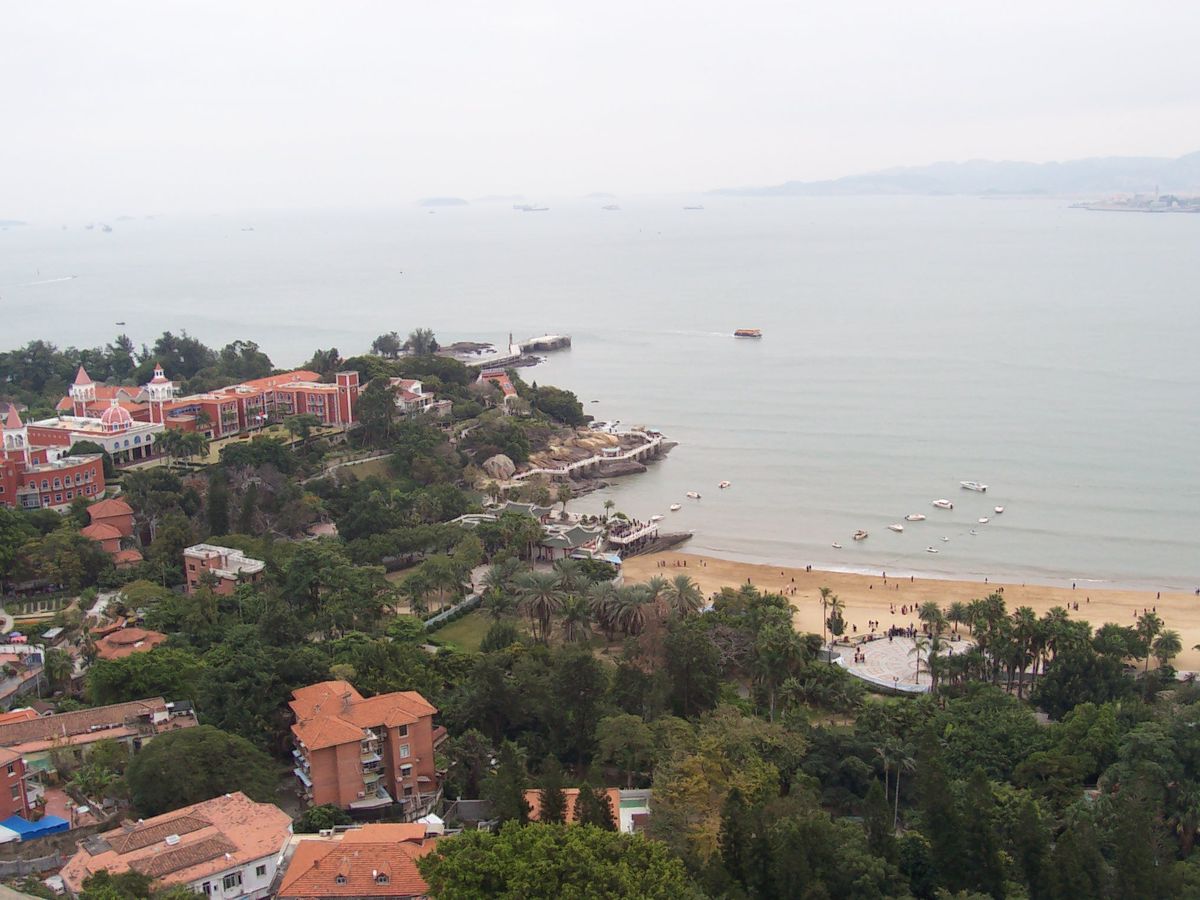
Gulangyu Island — the car-free island of old villas and gardens just off Xiamen’s shore. 2. The Ring Road (Huandao Road) — the seafront cycling road along the southeast coast, with beaches and viewpoints. 3. Nanputuo Temple — a lively Buddhist temple at the foot of Wanshiyan hill, popular with locals and visitors alike.
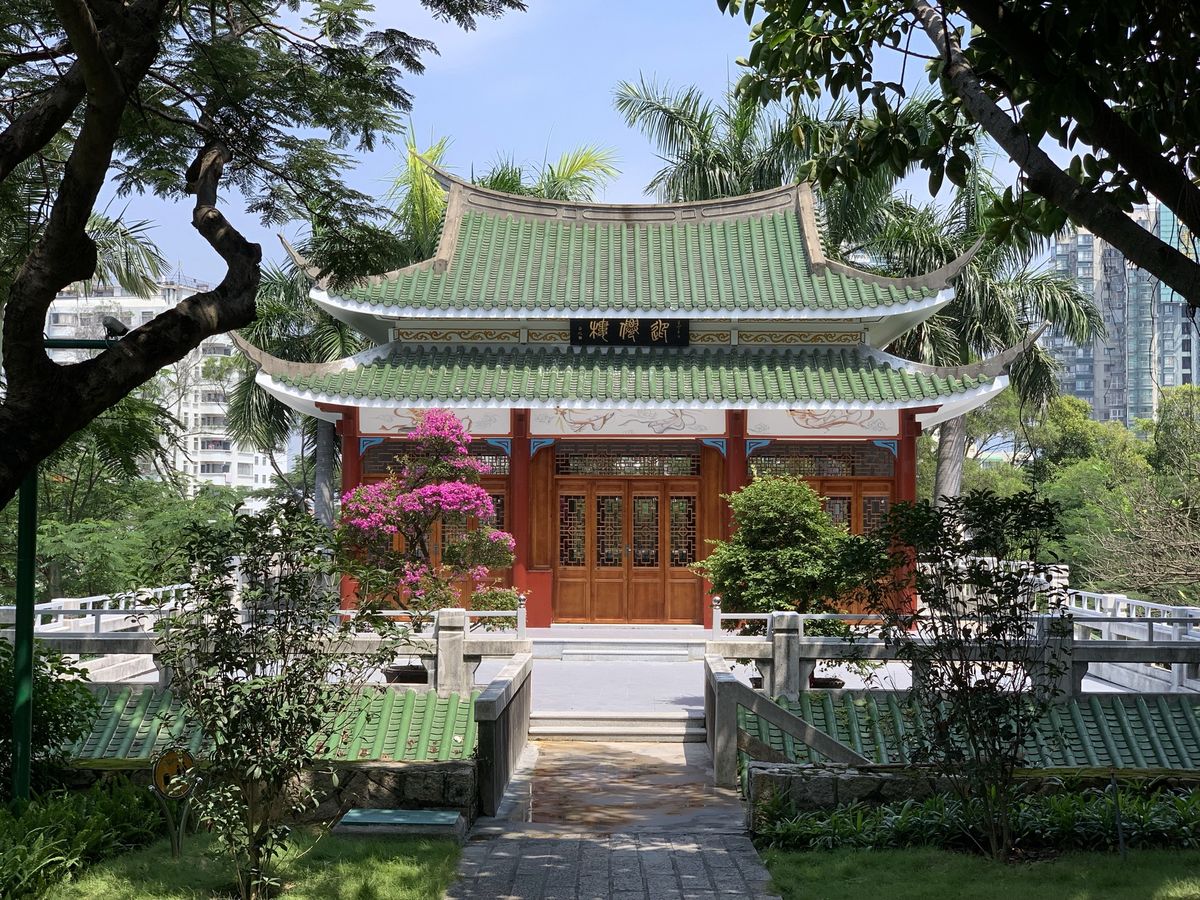
Nanputuo Temple at the foot of Wanshiyan hill, one of Xiamen’s liveliest temples. 4. Zengcuoan village — the transformed fishing village of hostels, cafés and street food, busiest in the evening. 5. Shapowei & the old port — a quieter waterfront district of old warehouses turned into cafés and galleries.
Budget
Xiamen is mid-priced, with the ferry to Gulangyu and island accommodation being the main extras. Rough daily figures for planning (per person, CNY, and prices change):
- Accommodation: budget hostels and hotels from about ¥150–250/night, mid-range ¥300–550; Gulangyu guesthouses cost a bit more.
- Attractions: the ferry to Gulangyu is a few yuan one way; the island’s villas and museums are mostly free to wander.
- Food: seafood is excellent — a meal ¥60–150 per person; street snacks along the Ring Road and in Zengcuoan ¥15–40.
- Transport: the metro and buses are cheap; cycling the Ring Road is a great free activity.
Carry a little cash as backup, but pay by Alipay almost everywhere.
Getting there
- By rail: high-speed trains reach Xiamen from Fuzhou in about an hour and from Shanghai in roughly 6–7 hours, with connections from other hubs. Book with your passport — see our train guide.
- By air: Xiamen Gaoqi International Airport (XMN) has flights from major Chinese cities and some international routes. From the airport, the metro and taxis reach the city center in around 30 minutes.
Getting around
- Ferries: the Gulangyu ferry is the essential booking — real-name tickets, passport required, book ahead.
- Metro and taxis: Xiamen’s metro covers the main stations, and Didi and taxis fill the gaps. The metro is the fastest way across the city on a rainy day, and the Ring Road bus is handy for the beaches.
- Bicycles: shared and rental bikes are great for the Ring Road and the flatter neighborhoods.
Day trips & nearby
The biggest add-on from Xiamen is Tulou country — the UNESCO-listed earthen buildings of the Hakka people, about 2.5–3 hours west by car. The round and square tulou fortresses are unlike anything else in China, and most visitors do a long day trip or an overnight in a village. Closer, the coastal town of Quanzhou (about 1.5 hours by rail) is a historic maritime-trade port with old temples and the Kaiyuan Temple. Both are easy to arrange as private-car or small-group day trips.
Gulangyu, planned
The car-free island of Gulangyu is best done with a little strategy. Take the earliest ferry you can — the morning is quiet and the light is beautiful; the afternoon is a crush of tour groups. Spend your time in the back lanes rather than the main commercial street, where the old villas and gardens are quiet. The Piano Museum and the Sunlight Rock viewpoint are the island’s two big draws. A half-day covers the essentials; staying overnight lets you see the island at dusk when the crowds have left — a genuinely different experience.
Practical tips
- Book the Gulangyu ferry days ahead — date-specific slots sell out, especially on weekends and holidays.
- Arrive at the ferry port early with your passport — security and boarding take time on busy days.
- Pack for humidity: even in the mild months, coastal Xiamen can feel damp; light layers work best.
- Carry your passport: hotels register foreign guests, and the ferry check-in requires it.
- Set up Alipay before you arrive — ferry, metro, bikes and street food are all cashless.
- Where to stay: the downtown area around Zhongshan Road puts you near the ferry port and old streets; stay on Gulangyu only if you’ve booked well ahead.
- What to eat: try the seafood night market, satay noodles (shacha mian) and the local oyster omelet — the street-food standard around Xiamen.
Where to go next
Xiamen sits on the east coast with easy links up the coast and inland. High-speed rail connects it to Hangzhou and Shanghai for the classic eastern route, and from there onward to Beijing. If you’re heading west instead, the Yangtze and southwest circuits offer a very different China.
Gulangyu, in depth: the island’s story
Gulangyu’s charm isn’t accidental — it has a genuinely unusual history. In the early 20th century, the island became an international settlement where foreign consulates and, crucially, the wealthy overseas Chinese of the era built their villas. That’s why the lanes hold such a mix of styles: colonial verandas, Art Deco facades, red-brick Fujian houses and gardens. The island also earned the nickname “Piano Island” because its educated families were early adopters of Western music and pianos — a tradition you can still see at the Piano Museum and in the street names. Its UNESCO listing (granted as part of a serial World Heritage site in 2017) came precisely because the architecture and the music culture are so intact. Knowing the story makes a walk through the back lanes feel like a time capsule of an extraordinary period in China’s coastal history.
Xiamen’s food, beyond the snacks
Xiamen’s eating is a highlight, and it rewards going beyond the snack stalls. The local cuisine is a branch of Fujian cooking built on the sea and on satay: shacha mian (satay noodles in a rich, slightly spicy peanut sauce), oyster omelet (fresh oysters folded into a crispy egg batter), and the many small seafood dishes of the night market. Breakfast is its own culture — the local rice rolls and peanut soups are worth seeking out. For a sit-down meal, the seafood restaurants along the waterfront cook from the tanks, and the cafés of Shapowei and the old port are among the best in southern China for coffee and people-watching. Xiamen is a food city that combines serious seafood with a relaxed café culture — a pairing that’s easy to like.
Practical details: ferries, tickets and the Ring Road
A few specifics make Xiamen run smoothly. The Gulangyu ferry is real-name and date-specific — book your slot days ahead with your passport, and arrive at the port early on busy days. Nanputuo Temple is free and busy; it’s also a working temple, so dress modestly. The Ring Road has dedicated bike lanes; you can rent a shared bike for a few yuan and ride a section, or take the coastal bus if you’d rather not cycle. For the Tulou earth buildings day trip, a private car or small group tour is the practical option — about 2.5–3 hours each way. And carry your passport: hotels register foreign guests, and the ferry check-in requires it. For the wider province, see our Fujian guide.
Last updated: August 2026. Ferry bookings and ticket prices change — confirm before you go.
Frequently Asked Questions
How do I book the Gulangyu ferry?
The ferry to Gulangyu uses real-name, date-specific tickets, and you book with your passport through the official channel or app. Tickets sell out for popular time slots, especially on weekends and holidays, so book days ahead and arrive at the port with time to spare. Without a booking, you won't get on.
Is Gulangyu worth an overnight stay?
Yes, if you can find a place — staying overnight means the island empties out after the day-trippers leave, which is when it's most atmospheric. The number of licensed guesthouses is limited and they book up fast, so reserve well in advance if you want this.
How many days do I need in Xiamen?
Two to three days is right: a full day for Gulangyu, a day for the city (Nanputuo Temple, the Ring Road, Zengcuoan), and time to slow down. Three days is comfortable if you want a relaxed pace and a couple of good seafood dinners.
Can I cycle the Ring Road?
Yes — the Huandao Road (Ring Road) along the southeast coast has bike lanes and is a favorite local activity. Rent a bike and ride a section between the beach and the parks; the full loop is long, so most people ride part of it and stop at the viewpoints.
Is Zengcuoan still worth visiting?
Zengcuoan started as a quiet fishing village and is now a dense web of hostels, cafés and street food — busy, but still a fun afternoon wander, especially in the evening. For the quieter version, head to the nearby Shapowei district or the beaches farther south.
Do I need a visa for Xiamen?
The same mainland China rules apply — many passports are visa-free for up to 30 days, and others can use the 240-hour transit scheme. Check your situation before booking.
More in Fujian
Fujian Travel Guide (2026) — Fujian travel guide