
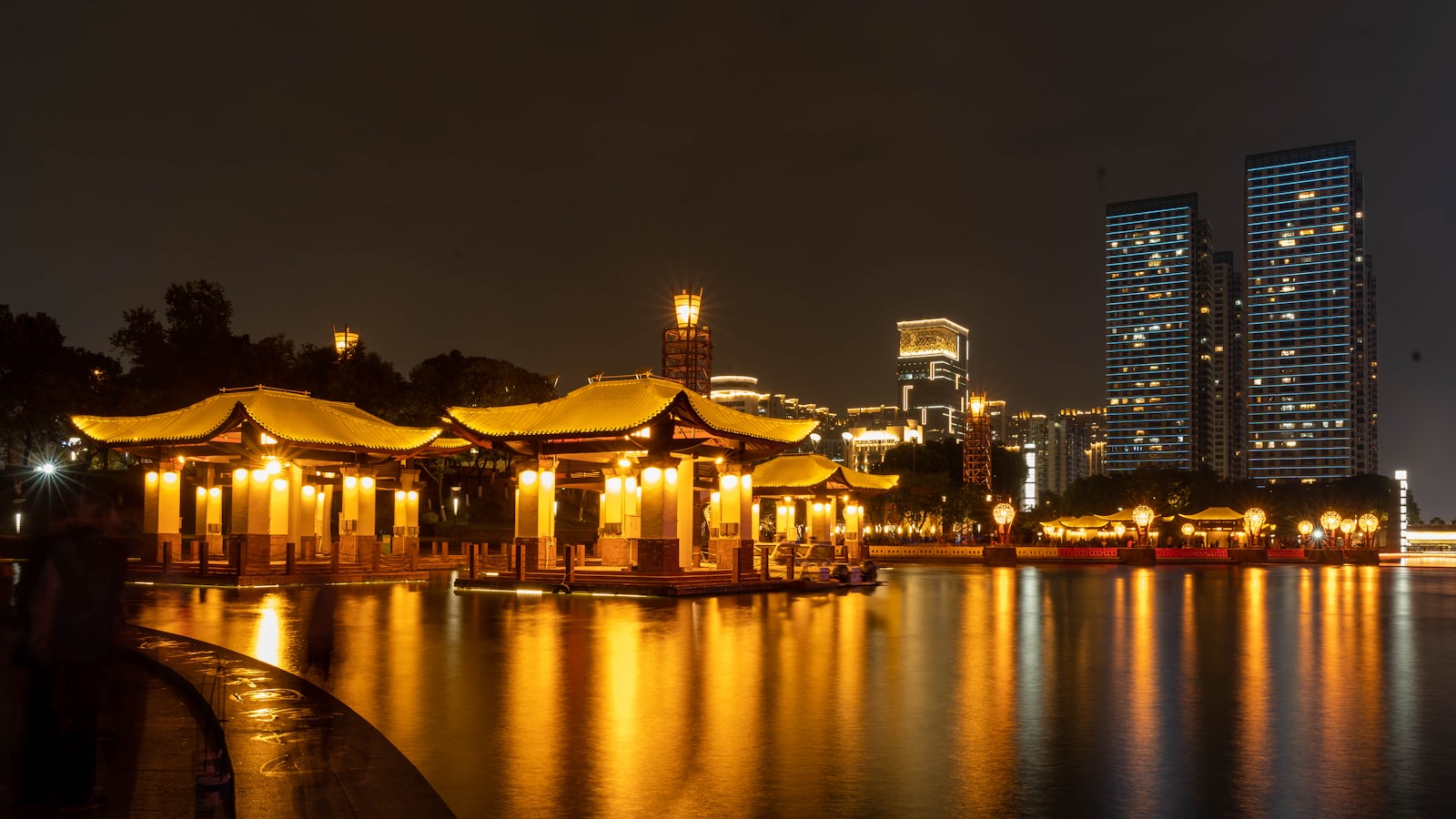
Foshan Guide (2026): Kung Fu, Ceramics & Cantonese Cuisine
Foshan, the kung fu capital of Guangdong — the Ancestral Temple, Wong Fei-hung heritage, Shiwan ceramics, and planning a day trip from Guangzhou.
Foshan, Guangdong, China
Open an external map for this location.
OpenStreetMap Google Maps (opens externally)
Foshan is the kung fu capital of southern China — the birthplace of Wing Chun and the legendary Wong Fei-hung, home to one of Guangdong’s most beautiful temple complexes, and a ceramics town that has fired kilns for over 600 years. It is also the easiest, most rewarding day trip you can make from Guangzhou.
For many visitors, Foshan is a name they half-remember from kung fu movies. Bruce Lee trained in Wing Chun as a boy; Wong Fei-hung, the folk hero of dozens of films, was born here; and the city’s martial tradition runs deep enough that its training halls still attract students from across the world. But Foshan is much more than a movie set. It is one of the four great traditional towns of the Pearl River Delta, a center of Cantonese craftsmanship, and a genuinely excellent place to eat. And because the Guangzhou metro now runs directly into the city, you can go from downtown Guangzhou to the Ancestral Temple in about an hour.
The Ancestral Temple
Foshan’s essential sight is the Ancestral Temple (Zumiao), a sprawling complex of halls, courtyards and ridges decorated with the glazed ceramic figurines the region is famous for. Built in the 11th century to honor the Daoist god Beidi, the temple grew over centuries into one of the best-preserved examples of Lingnan (southern Chinese) architecture anywhere. The ornamental ridge figures — hundreds of small ceramic scenes of gods, warriors and opera stories — are the highlight, and they were made locally in Shiwan, the ceramics town just down the road.
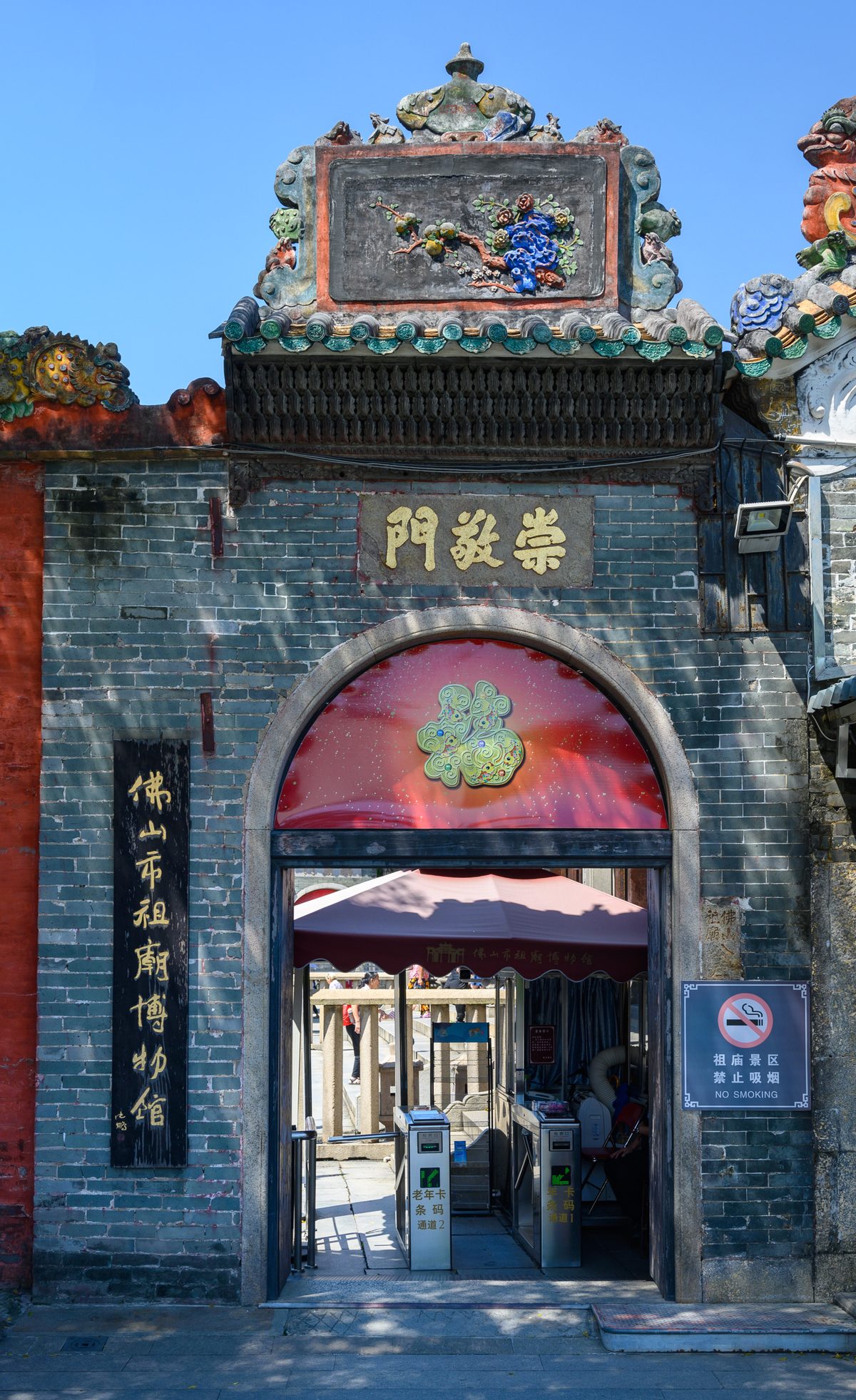
The Ancestral Temple in Foshan, with its glazed ceramic ridge figurines and stone courtyards.
The temple complex includes not just the main shrine but a collection of ancient iron statues, a theater stage built for opera performances, and exhibitions on local history and folk customs. The scale is modest compared with the imperial temples of Beijing, but the atmosphere is closer and more authentic — locals still come to burn incense at the main altar, and the courtyards have the unhurried feel of a working community temple rather than a museum. Allow a generous hour, and try to catch one of the lion dances that the temple hosts at intervals through the day.
The kung fu heritage
Step next door to the Wong Fei-hung Memorial Hall, built beside the Ancestral Temple to honor the city’s most famous son. Wong Fei-hung (1847–1924) was a real martial artist, physician and folk hero whose exploits were turned into one of the longest-running film series in Chinese cinema. The memorial hall tells his story through exhibits and, more excitingly, hosts regular demonstrations of lion dance and martial arts in its central courtyard — check the schedule when you arrive, because the performances are the highlight.
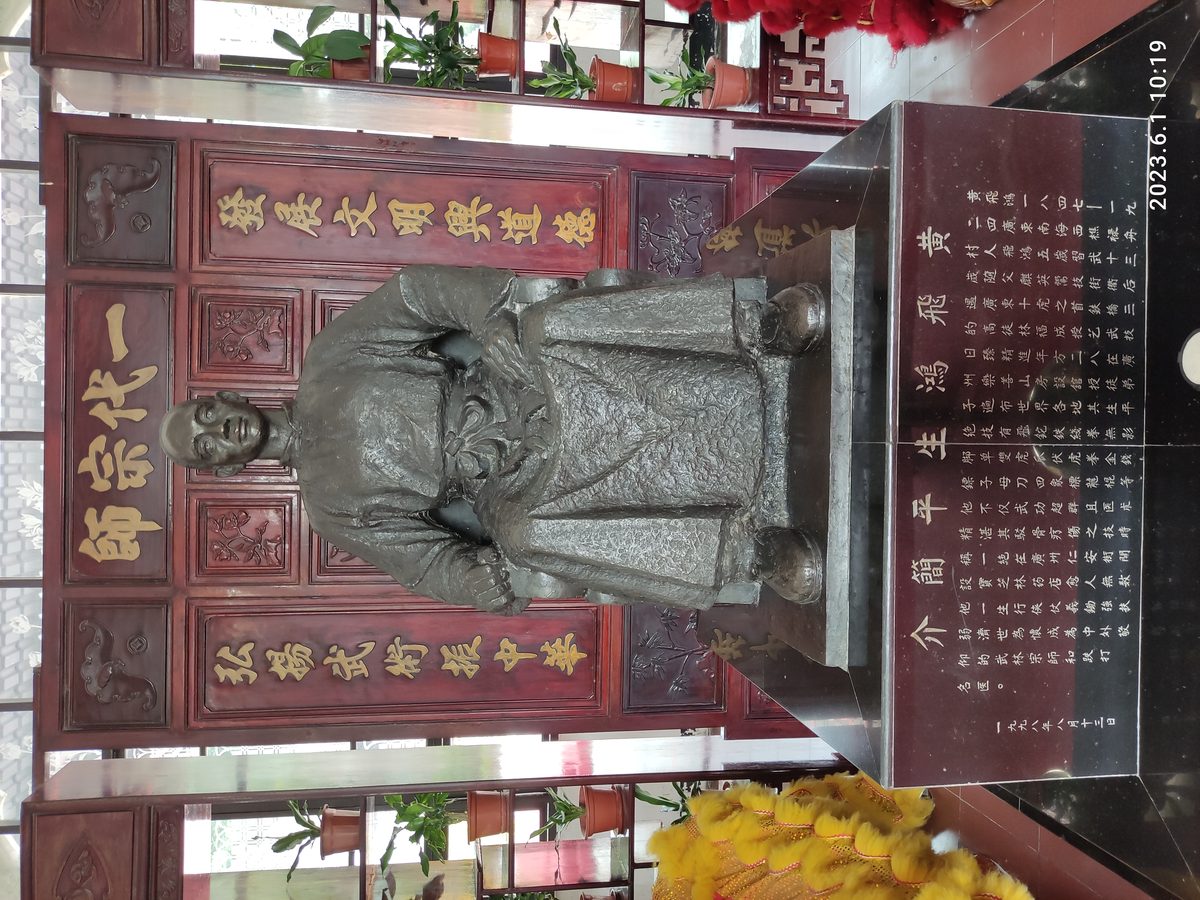
The Wong Fei-hung Memorial Hall, dedicated to the legendary martial artist and folk hero.
For the deeper kung fu story, know that Foshan is the ancestral home of Wing Chun, the close-range southern style that Bruce Lee learned from Ip Man in Hong Kong. Ip Man himself was born nearby in the Pearl River Delta and studied in Foshan’s Wing Chun tradition. Today the city has a small but dedicated martial community, and with a little planning you can visit a training hall or arrange a private class — search ahead, ask your hotel, or stop by the Liang Garden, a beautiful classical garden associated with another great martial family. Even without a class, just walking the old town streets where these masters once lived gives the kung fu legends a concrete sense of place.
Shiwan ceramics
Foshan’s other great tradition is pottery, and it is centered on the Shiwan district in the west of the city. Shiwan has made ceramics for more than 600 years — from everyday bowls to the glazed figurines that crown temple roofs across southern China and Southeast Asia. The area is still a working ceramics town, and a walk through its lanes passes workshops, small factories and shops piled with everything from miniature figurines to giant garden pots. For a focused visit, the Shiwan Ceramics Museum displays the craft’s history and finest pieces, and the South Wind Ancient Kiln (Nanfeng Guzhao), a working kiln that has been firing for over 500 years, is the area’s landmark. You can buy small pieces as souvenirs — bargaining is normal at the workshops — and with advance notice some studios welcome visitors to try their hand on the wheel.
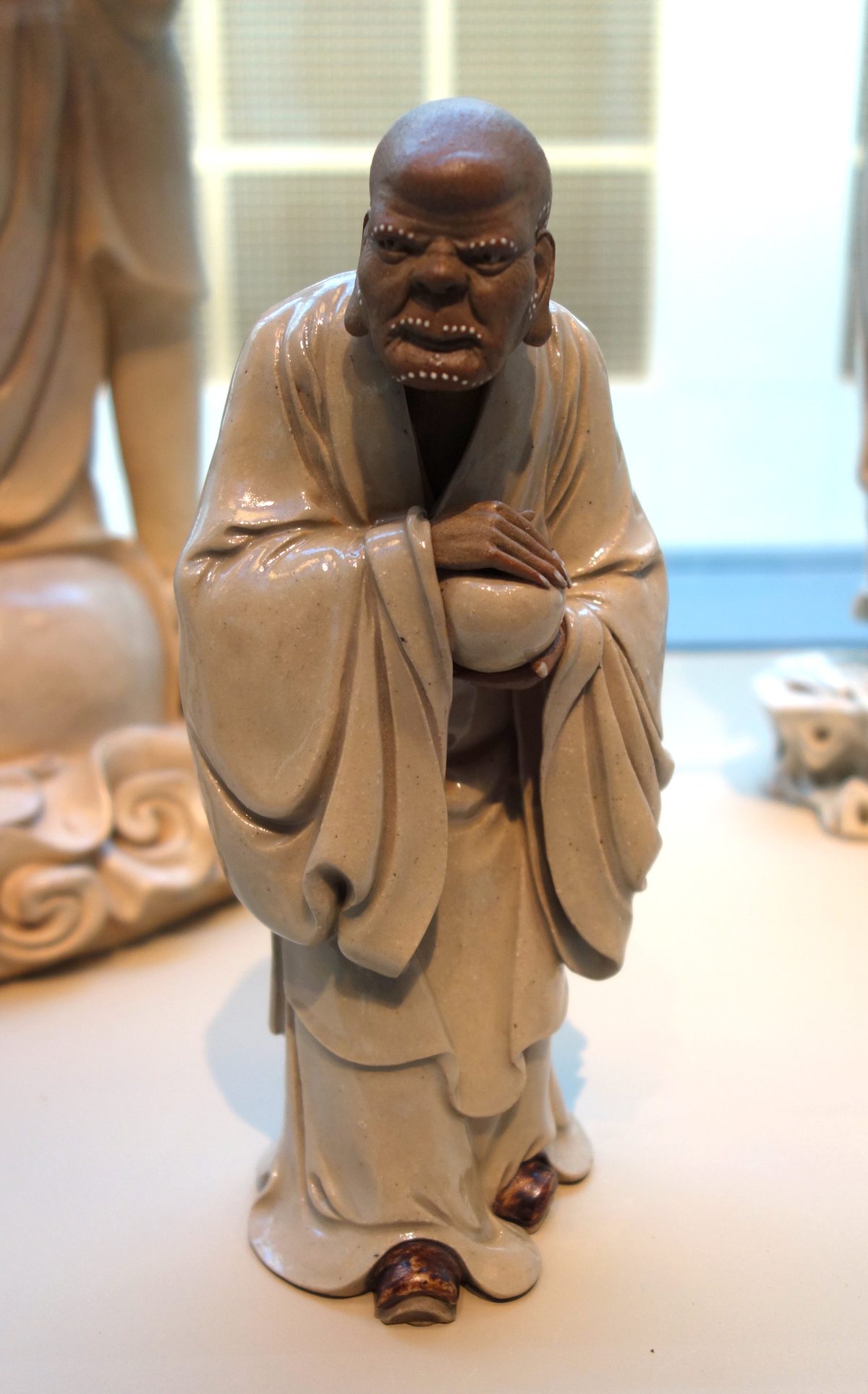
Shiwan ceramics, the glazed pottery tradition that has defined Foshan for more than six centuries.
What to eat
Foshan is a serious Cantonese food town, and its specialties deserve more attention than they usually get. The signature local dessert is shuangpi nai — a double-skin milk pudding with a distinctively silky, custard-like texture, served warm or chilled, that originated in this region. Around it, the snack repertoire includes jian dui (crisp sesame balls filled with bean paste), rice rolls and congee, and the light, fresh cooking that Cantonese cuisine is known for. The old town’s snack streets are the easiest place to work through a list, and for a sit-down meal any busy Cantonese restaurant will serve excellent family-style dishes. See our Cantonese food guide for the full menu of what to order across the region.
Practical notes
- Getting there — the Guangzhou metro’s Guangfo Line runs from downtown Guangzhou into Foshan in about an hour; high-speed rail from Guangzhou South to Foshan West takes around 30 minutes. From Shenzhen or Hong Kong, the high-speed rail is the cleanest option.
- Getting around — Foshan has its own metro, and the Ancestral Temple, old town and Shiwan are linked by short taxi or ride-hailing hops. DiDi via Alipay is the most convenient way to book a car.
- Best season — autumn (October–December) and spring (March–May) are mild and pleasant; summer is hot and humid, and the temple’s open courtyards can be draining by midday.
- Get connected — set up Alipay and an eSIM before you arrive so you can buy tickets by QR code and navigate with a maps app.
A realistic budget
Foshan is inexpensive by Chinese city standards. The Ancestral Temple ticket runs about 20–30 RMB (estimates, prices change), the Wong Fei-hung Memorial Hall a similar amount, and the Shiwan sites a few yuan each. A good meal is 40–80 RMB per person, and snacks are a few yuan. The metro from Guangzhou is around 8–15 RMB. For a full day from Guangzhou, budget roughly 200–400 RMB per person including transport, tickets and food — a very good value day out. Confirm current prices on the official ticketing platforms when you book.
Combining Foshan with the region
Foshan sits in the heart of the Pearl River Delta, and it pairs naturally with Guangzhou, the regional capital, which is a metro ride away. The two make an excellent two-to-three day combination: Guangzhou’s old Xiguan quarter, Canton Tower and colonial architecture, then Foshan for kung fu, ceramics and the Ancestral Temple. For the wider picture, see our Guangdong guide and Guangzhou guide — and if the food is your main interest, the Cantonese food guide ties the whole region’s eating together. Foshan is also close enough to Shenzhen and Hong Kong to make a day trip from either, though a night in Guangzhou in between is the more relaxed rhythm.
The bottom line
Foshan is the kung fu capital of Guangdong, and the easiest great day trip from Guangzhou. Walk the glazed courtyards of the Ancestral Temple, watch a lion dance at the Wong Fei-hung Memorial Hall, browse the kilns of Shiwan, and eat your way through one of the great Cantonese food towns — all in a single, affordable, memorable day.
Last updated: August 2026. Opening hours, performance schedules and ticket prices change — confirm current details before you go.
Frequently Asked Questions
Is Foshan worth visiting?
Yes — Foshan is one of the most rewarding easy trips from Guangzhou. It is the birthplace of Wing Chun kung fu and the legendary martial artist Wong Fei-hung, home to one of China's most beautiful Ancestral Temple complexes, and the historic center of Cantonese ceramics. It is compact, affordable, and you can see the highlights comfortably in a single day.
How do I get from Guangzhou to Foshan?
The easiest way is the Guangzhou metro — the Guangfo Line runs directly from Guangzhou's Liwan district into Foshan in about an hour, and it links to both the Ancestral Temple and the old town. High-speed rail from Guangzhou South to Foshan West takes about 30 minutes, and the Foshan West station connects onward to Shenzhen and the rest of the Pearl River Delta.
What is Foshan known for?
Foshan is best known as one of the four great traditional towns of Guangdong and the heartland of southern kung fu. It is the birthplace of Wing Chun (the style Bruce Lee trained in as a boy), the home of the folk hero Wong Fei-hung, and a centuries-old center of ceramic production — the Shiwan district has made pottery for over 600 years. It is also a genuinely great place to eat Cantonese food.
Where can I see kung fu in Foshan?
The **Wong Fei-hung Memorial Hall**, next to the Ancestral Temple, tells the story of the legendary martial artist and hosts regular lion-dance and kung fu demonstrations. The nearby **Liang Garden** preserves the training hall of another great martial family. With planning you can also visit Wing Chun schools in the old town that welcome visitors — ask at your hotel or the tourism office for current openings.
What should I eat in Foshan?
Foshan is a serious Cantonese food city. Local specialties include **shuangpi nai** (double-skin milk pudding), **jian dui** sesame balls, **sago pudding**, and the classic rice rolls and congee. The old town's snack streets are the easiest place to graze, and for a sit-down meal a well-reviewed Cantonese restaurant will serve the same family-style dishes that make the region famous. See our [Cantonese food guide](https://chinotrips.com/culture/cantonese-food-guide/) for what to order.
How much time do I need in Foshan?
A single day covers the essentials: the Ancestral Temple and Wong Fei-hung Memorial Hall in the morning, lunch in the old town, and the Shiwan ceramics district in the afternoon. With an early start and the metro from Guangzhou, everything is comfortably reachable. If you are especially interested in ceramics or martial arts, an overnight lets you slow down and add a Wing Chun visit or a pottery workshop.
More in Guangdong
Guangdong Travel Guide (2026) — Guangdong travel guide