
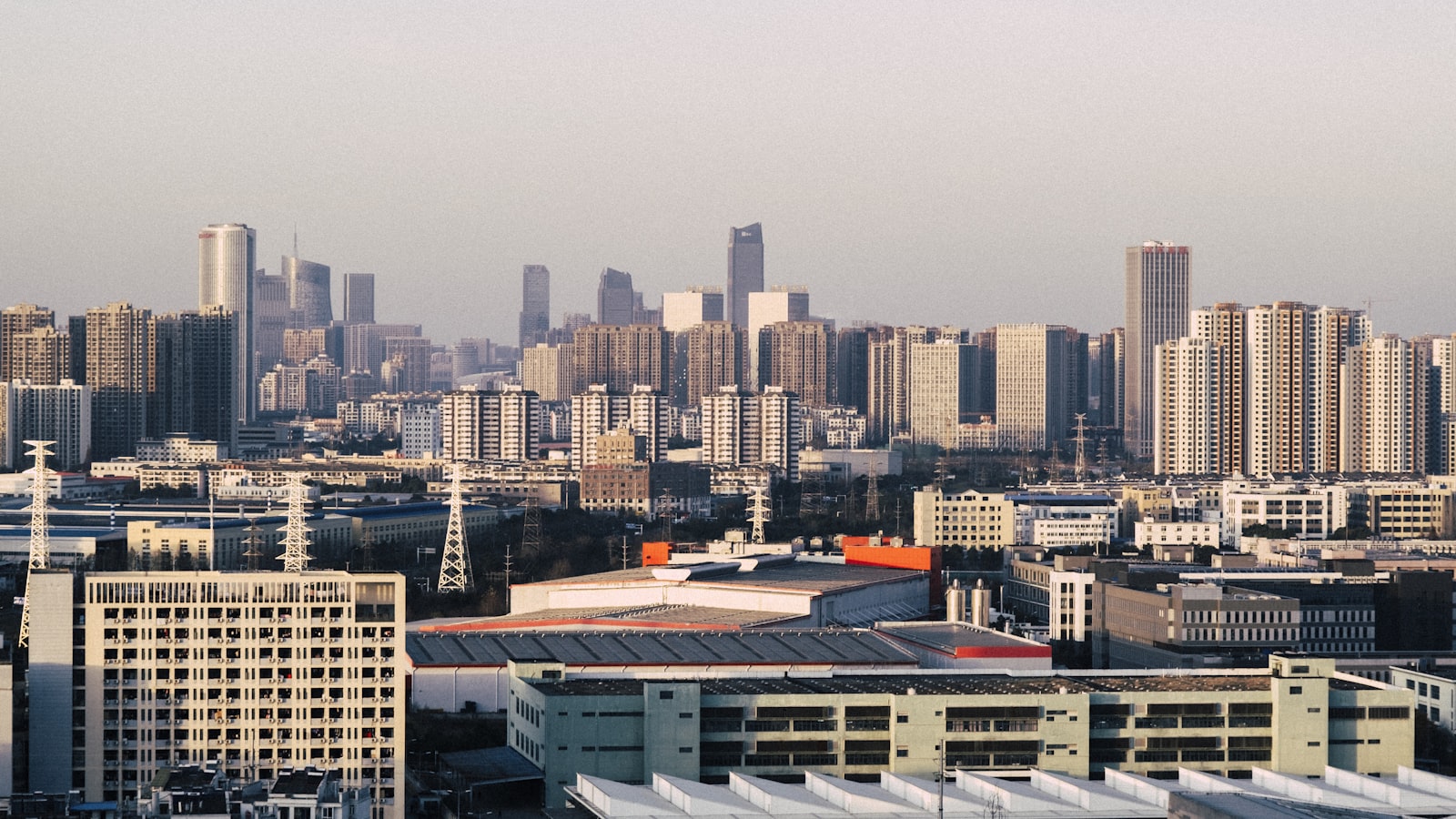
Hefei Travel Guide (2026): Lord Bao & China's Science City
Hefei, Anhui's surprising capital — the Lord Bao memorial, the water town of Sanhe, Chaohu Lake, and the science city China rarely talks about.
OpenStreetMap Google Maps (opens externally)
Hefei is Anhui’s quietly surprising capital — the home of Lord Bao, China’s legendary incorruptible judge; a rail hub that opens the door to Huangshan; and, less visibly, the city where China does some of its most ambitious science. Here’s how to plan a visit in 2026.
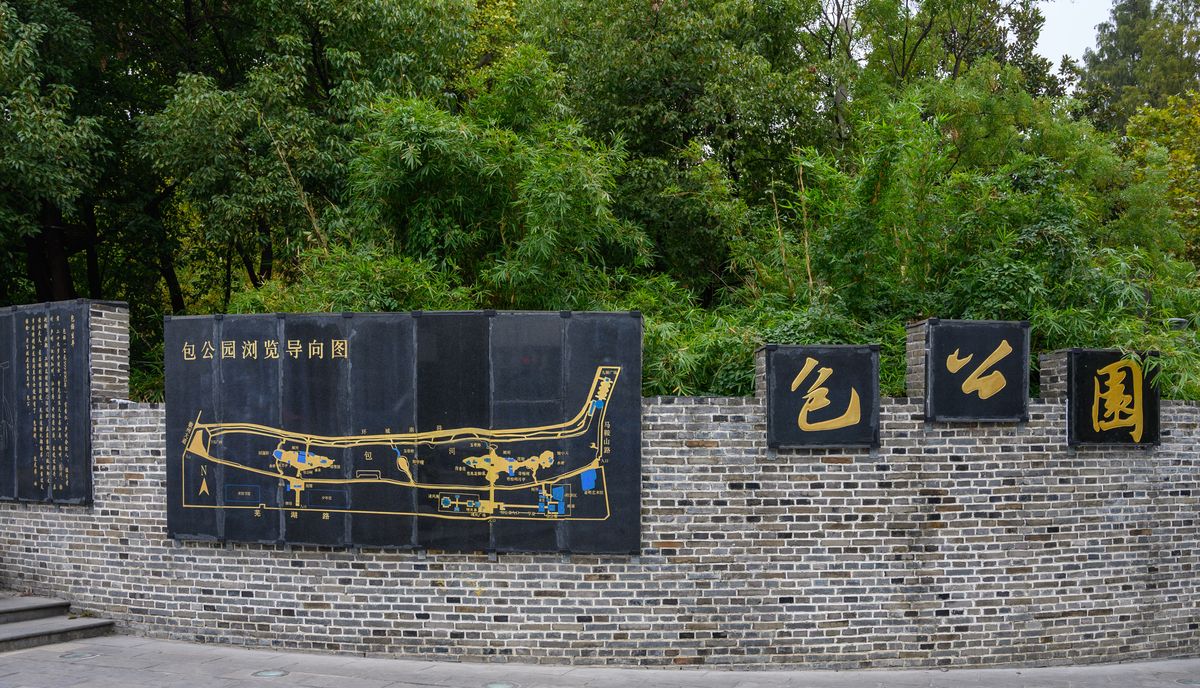
Bao Park in Hefei — the memorial complex to Lord Bao, China’s symbol of incorruptible justice.
The essentials
- Days needed: 2 days; a useful staging point for a wider Anhui trip.
- Getting there: high-speed rail from Nanjing in about 1 hour and from Shanghai in about 2–2.5 hours; Hefei Xinqiao Airport (HFE) is about 45–60 minutes from the center.
- Best season: April–May and September–October — mild, with the clearest days for the lake and the ancient town.
- Double identity: Hefei is both a 2,000-year-old city of scholars and judges and a modern center for quantum research and nuclear fusion — worth knowing, because both sides are on show.
What to do
Hefei’s old town is compact and walkable, and its story begins with Bao Zheng — Lord Bao — the Northern Song judge who was born here around 999 AD and became the most famous magistrate in Chinese history. The Bao Park complex, built around the site associated with his family, contains his memorial temple, halls with carved stone tablets, and a garden overlooking the city moat. It is the most important historical sight in Hefei and a genuinely atmospheric place to wander.
From Bao Park, the old city continues toward Xiaoyaojin Park, a walled green space named for the Battle of Xiaoyao Ford in 215 AD, when the Wei general Zhang Liao famously held the field against the army of the warlord Sun Quan. Today the park is a laid-back local retreat — paddle boats, old trees, and a statue of Zhang Liao — rather than a battlefield museum, but the Three Kingdoms connection gives the walk some depth.
Nearby, the Former Residence of Li Hongzhang preserves the mansion of the late-Qing statesman who dominated Chinese politics in the late 19th century and who, like Bao Zheng, was a Hefei native. The restored compound of courtyards and wooden halls is the best-intact Qing mansion in the city.
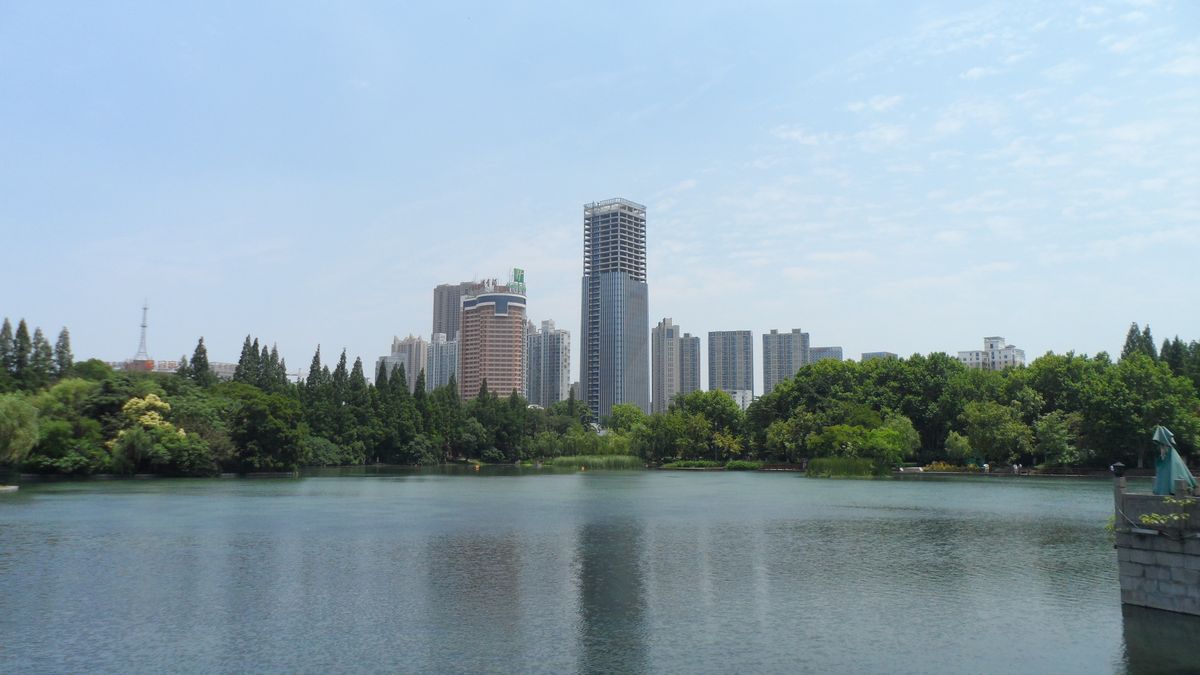
Xiaoyaojin Park in Hefei, named for the Battle of Xiaoyao Ford of 215 AD.
Top sights
- Sanhe Ancient Town — about 30 kilometers south of Hefei, this well-preserved water town is the standout day trip: stone bridges over canals, Hui-style white-walled houses with dark-tiled roofs, ancient teahouses and the crisp rice dumplings the town is famous for. The town itself is free to enter; individual houses and small museums charge modest tickets. Allow a half day.
- Chaohu Lake — one of China’s five largest freshwater lakes, about 40 kilometers south of the city. The scenic stretch at the lake’s edge, with the lakeside Zhongmiao Temple and boat trips, makes a relaxed outing, especially late in the day for the sunset.
- Anhui Museum — the province’s flagship museum, with a strong collection on Anhui history and Huizhou culture — ink, paper, carving and architecture. Free entry with a reservation.
- Crossing the Yangtze River Campaign Memorial Hall — a dramatic modern museum commemorating the PLA’s 1949 crossing of the Yangtze, with a memorable ship-shaped exterior. Worth an hour if military history interests you.
- Dashu Mountain (Shushan) — a forested hill in the city’s west with walking paths and views; a favorite weekend escape for locals.
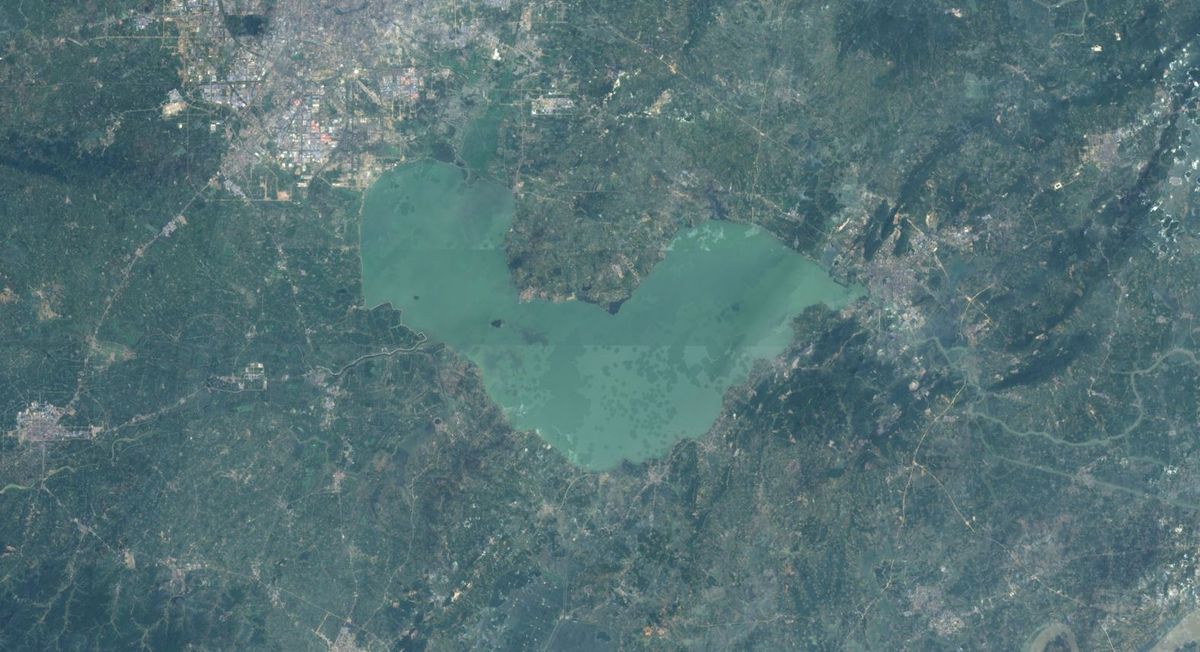
Chaohu Lake, one of China’s five largest freshwater lakes, lies about 40 kilometers south of Hefei.
When to go, season by season
Hefei has distinct seasons with a humid subtropical climate. April to May is the best window — warm days, fresh greenery, and the clear weather that makes the Sanhe canals and the Chaohu lakeshore look their best. September to October is the second sweet spot, with cooler, drier air after the summer heat. June to August is hot and muggy, and afternoon thunderstorms are common; mornings are the only comfortable time for walking. December to February is cold and damp — Hefei’s winters hover near freezing and are grey — but the museums are quiet and hotel prices are low. Whenever you go, the old-town sights are largely outdoor, so plan around the weather forecast.
Where to stay and eat
Stay in the old city for convenience: the area around Bao Park and the old streets puts the main sights within walking distance, with metro access to the rail stations. Around Hefei South station is the practical choice if you’re catching an early train to Huangshan or Beijing — it’s a longer ride to the old town but a shorter walk to the platform. The west side, near Dashu Mountain and the university district, is greener and quieter, with the student food streets nearby.
Eating in Hefei mixes the local Luzhou style with the bolder flavors of Huizhou cuisine from the mountains to the south. The safe-and-delicious starters are Luzhou roast duck, old-hen soup, and Sanhe rice dumplings (mijiao) — crisp, filled and fried. Adventurous eaters should look for stinky mandarin fish and hairy tofu, both fermented and both served with great pride in Hefei’s Anhui restaurants; they are pungent, so balance them with a clear soup and greens. The streets around the university campus are the place to graze cheaply, and a late-night plate of dumplings or a bowl of soup makes a fine end to the day.
A realistic budget
Hefei is one of the more affordable provincial capitals in eastern China. Hotels: mid-range city hotels run about ¥300–500 per night; budget options about ¥150–250. Sights: Bao Park and Xiaoyaojin are inexpensive (around ¥20–50 combined); Sanhe town is free to enter, with small ticketed houses; the museum is free. Expect ¥100–150 in entry fees across two days. Food: street snacks and dumplings ¥10–25; a proper Anhui dinner ¥60–120 per person. Transport: the metro is a few yuan per ride; taxis and Didi across town ¥15–50; the Sanhe day trip adds ¥60–120 for transport. A realistic 2-day budget for one person, excluding hotels and long-distance rail, is about ¥500–900. All figures are planning estimates — prices change, so confirm current rates on booking platforms.
Practical tips
- Hefei is the gateway, not the destination — most travelers route through here to Huangshan; see the Huangshan guide and the Anhui guide for the province’s headline sights.
- Book the Huangshan trains early — Hefei–Huangshan high-speed trains sell out on weekends; our guide to buying train tickets with a foreign passport covers the process.
- Use the metro — Hefei’s rail lines connect the old town, the two main stations and the airport rail link; the China metro guide explains the system.
- Pay and data — set up Alipay and an eSIM before you arrive.
Combining Hefei with the region
Hefei is best seen as the hinge of an Anhui trip. The classic plan flies or trains into Hefei, spends a day on the old-town sights, then takes the high-speed railway south to Huangshan for the mountains and the ancient villages of Hongcun and Xidi. From Hefei the rail also runs east to Nanjing (Nanjing guide) in about an hour and to Shanghai (Shanghai guide) in about two, making it an easy stop on an eastern-China loop. For a fuller picture of the province, the Anhui guide strings together the capital, the mountain and the villages into a sensible itinerary. Give Hefei its own day rather than treating it as a pure transit point — Lord Bao, the old town and the water town of Sanhe are worth the stop.
Last updated: August 2026. Check current tickets, opening hours and prices — confirm before you go.
Frequently Asked Questions
Is Hefei worth visiting?
Hefei is Anhui's underrated capital. It holds the memorial to Lord Bao — the Song-dynasty judge who became China's symbol of incorruptible justice — plus the ancient water town of Sanhe and the vast Chaohu Lake within easy reach. It is also China's quiet science capital, home to the University of Science and Technology of China and the country's fusion and quantum research. Most importantly, it is the practical rail hub for the whole province.
How many days do I need in Hefei?
Two days is enough for the city: a day for the old town sights — Bao Park, Xiaoyaojin Park and Li Hongzhang's residence — and a day combining Sanhe Ancient Town with Chaohu Lake. If Hefei is just your gateway, you can cover the highlights in a single full day before continuing to Huangshan.
Who was Lord Bao?
Bao Zheng (999–1062) was a Northern Song dynasty judge from Hefei, celebrated across China for his impartiality, fearlessness and incorruptibility — he is the model for the folk hero 'Bao Qingtian.' The Bao Park complex in Hefei, around the site connected with his family, includes his memorial temple, a garden and a stele corridor, and is the city's most important historical sight.
How do I get from Hefei to Huangshan?
High-speed rail from Hefei South station to Huangshan North takes roughly 1.5 to 2 hours, making Hefei the natural gateway to Anhui's most famous mountain. From Huangshan North you connect onward to the mountain area and the ancient villages of Hongcun and Xidi. Trains run regularly, but book ahead on weekends and holidays.
What should I eat in Hefei?
Try the Luzhou (old Hefei) classics: Luzhou roast duck, old-hen soup, and the savory rice dumplings of Sanhe. Anhui's two most famous dishes — stinky mandarin fish and hairy (fermented) tofu — are Huizhou specialties that Hefei restaurants serve with pride; they are pungent, so order a mild vegetable dish alongside if you're not used to fermented flavors.
More in Anhui
Anhui Travel Guide (2026) — Anhui travel guide